Hachiman Shrine (Rankoshi-cho, Isoya-gun, Hokkaido) Complete Guide
Hachiman Shrine, located in Mena-cho, Rankoshi-cho, Isoya-gun, Hokkaido, is a historic shrine that has been cherished by the local people since the Meiji era. With Emperor Ojin as its main deity, and enshrining Okuninushi-no-kami and Ukemochi-no-kami, this shrine has played an important role as a spiritual pillar of Rankoshi-cho. This article provides detailed information useful for visiting Hachiman Shrine, including its history, goshuin (shrine seal), annual festivals, and access methods.
Basic Information on Hachiman Shrine
Location and Access
Location: 527 Mena-cho, Rankoshi-cho, Isoya-gun, Hokkaido
Hachiman Shrine is within walking distance of Mena Station on the JR Hakodate Main Line, making it accessible by public transportation. It is approximately 800 meters from Mena Station, about a 10-minute walk.
Transportation Access:
- Train: Get off at “Mena Station” on the JR Hakodate Main Line, approximately 10 minutes on foot.
- Car: From National Route 5, head towards Rankoshi Town; located in the Mena area.
- Parking: Parking space available for visitors on the shrine grounds.
Visiting Hours and Service Hours
- Visiting Hours: 8:00 AM to 5:00 PM (Year-round)
- Shrine Office Service Hours: 9:00 AM to 5:00 PM
- Goshuin (Shrine Stamp) Reception Hours: 9:00 AM to 5:00 PM
While visits are generally possible during daytime hours, those wishing to receive a Goshuin or other items are advised to visit during the shrine office’s service hours.
History and Origins of Hachiman Shrine
Founding History
Hachiman Shrine was founded during the Meiji era. On November 27, 1906 (Meiji 39), 127 founding members, led by representatives Iwao Kataoka, Yoshigoro Masuda, and two others, submitted an application to the Hokkaido Prefectural Government for the establishment of the shrine. This application was approved on December 17, 1907 (Meiji 40), officially recognizing the shrine’s construction.
Construction of the Shrine
After obtaining permission for establishment, construction of the shrine building began in July 1908 (Meiji 41). Thanks to the enthusiasm and cooperation of the local residents at the time, construction progressed smoothly, and the shrine building was completed on December 18 of the same year. Its completion in less than six months speaks to the strong faith the local people had in the shrine.
Promotion to Village Shrine
In the Taisho era, Hachiman Shrine was elevated to the status of a village shrine. A village shrine is one of the shrine ranks under the modern shrine ranking system, given to shrines that hold an important position in the local community. This elevation indicates that Hachiman Shrine played a spiritual and cultural role in the Mena district.
Hokkaido Development and Hachiman Faith
During the Meiji era, when the development of Hokkaido began in earnest, many settlers migrated from Honshu. The founding of Hachiman Shrine is closely related to this history of development. Hachiman faith, with its characteristics as a god of war and victory, became a spiritual anchor for the pioneers who were forging their lives in a new land.
Deities and Divine Virtues
Main Deity: Emperor Ojin
The main deity of Hachiman Shrine is Emperor Ojin. Emperor Ojin was the 15th Emperor and is worshipped as Hachiman-sama at Hachiman shrines throughout Japan. He has characteristics as a god of war and victory, and is also worshipped as a god who guides the development of culture and industry.
Divine Virtues:
- Long-lasting military fortune
- Improved luck in competitions
- Protection from evil and good fortune
- Industrial development
- Traffic safety
Enshrined Deity: Okuninushi-no-kami
Okuninushi-no-kami is a god of nation-building, also known as the principal deity of Izumo Taisha Shrine. In the development of Hokkaido, the divine virtues of Okuninushi-no-kami were particularly important in opening up new land and establishing industries.
Divine Virtues:
- Matchmaking
- Business prosperity
- Abundant harvests
- God of medicine and healthcare
- National development
Enshrined Deity: Ukemochi-no-kami
Ukemochi-no-kami is the goddess of food, and is a deity involved in all aspects of food production, including agriculture, fishing, and livestock farming. In the pioneering lands, agricultural success was a matter of life and death, and faith in Ukemochi-no-kami was crucial for the settlers.
Divine Blessings:
- Abundant harvests
- Blessings of food
- Industrial prosperity
- Stable life
Highlights of the Shrine and Grounds
Shrine Architecture
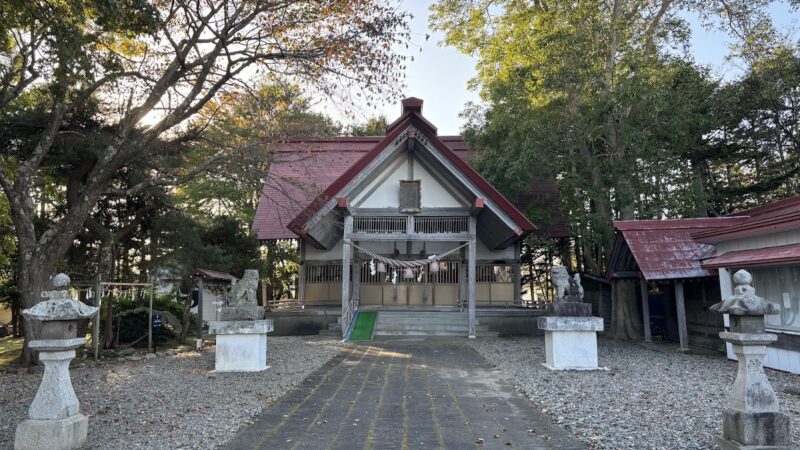
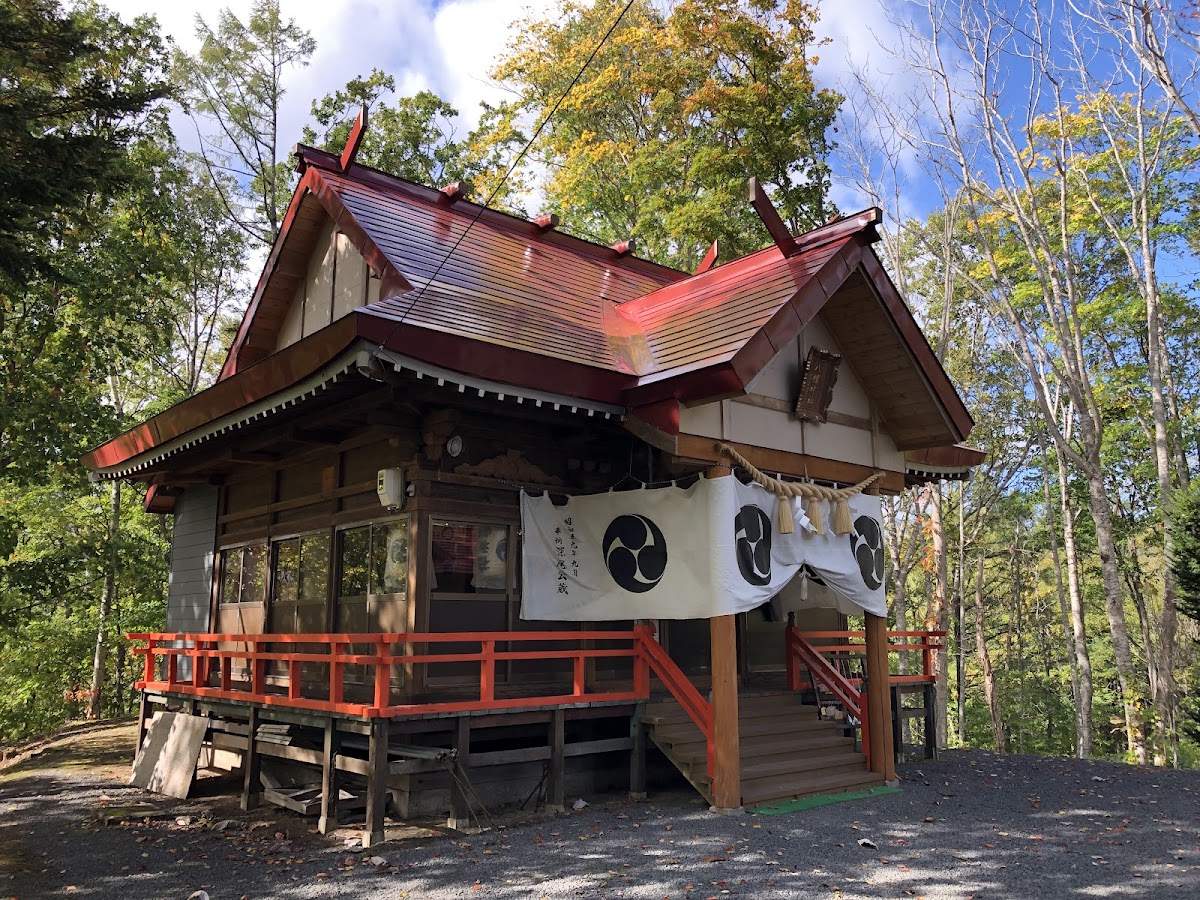
The shrine building of Hachiman Shrine is constructed in the traditional shrine architectural style called Nagare-zukuri. Nagare-zukuri is a style where the front of the roof extends long to cover the portico, and it is one of the most common styles in Japanese shrine architecture.
Constructed in 1908 (Meiji 41), the shrine has a history of over 100 years, yet it has been carefully maintained by the local people. The warmth unique to wooden architecture and the dignified appearance that has withstood Hokkaido’s harsh climate harmonize to give visitors a serene impression.
Atmosphere of the Grounds
The grounds of Hachiman Shrine are located in a quiet residential area of Mena-cho. Surrounded by trees, the grounds are a space where you can feel the changing seasons.
Spring: As the snow melts, new greenery sprouts, creating an atmosphere full of vitality.
Summer: Lush green trees envelop the shrine grounds, allowing for a refreshing visit.
Autumn: Autumn leaves color the grounds, creating a solemn beauty.
Winter: The snow-covered grounds are enveloped in silence, and a sacred atmosphere permeates the air.
Water Basin and Worship Etiquette
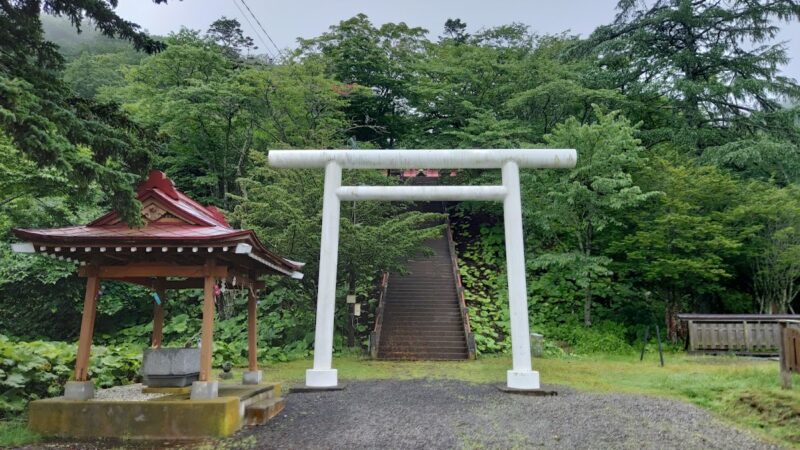
A water basin is provided on the shrine grounds, where you can purify your body and mind before worship. While it may be unusable during Hokkaido’s winter due to freezing, when possible, please purify yourself using traditional methods before worship.
Annual Festival and Rituals
Annual Festival Date
The annual festival of Hachiman Shrine is held every year on September 15th. The annual festival is the most important festival for the shrine, a ceremony to express gratitude for the past year and pray for the peace and prosperity of the community.
Contents of the Annual Festival
On the day of the annual festival, a solemn ceremony is conducted by the Shinto priests. Parishioners and local residents attend, and Shinto rituals such as the offering of sacred branches are performed. The traditional festival format, which has continued since the Meiji era, is preserved and passed down to the present day.
Special Rituals
At Hachiman Shrine, various Shinto rituals are performed throughout the year, in addition to the annual festival. Through seasonal rituals such as the New Year’s Festival (January 1st), the Spring Annual Festival, and the Autumn Annual Festival, prayers are offered for the safety and prosperity of the community.
Special rituals rooted in the local community are also passed down, and traditions that have continued since the pioneering era are still carefully preserved.
Goshuin (Shrine Seals) and Other Items
About Goshuin
Hachiman Shrine offers Goshuin (shrine seals). Goshuin serve as proof of worship and are important as a tangible representation of one’s connection with the shrine.
Goshuin (Shrine Stamp) Reception Hours: 9:00 AM – 5:00 PM
Offering Fee: Approximately 300-500 yen (We recommend confirming upon your visit)
Goshuin stamps are available at the shrine office, but since the priests may not always be present, we recommend contacting them in advance if you are certain you will receive a stamp.
Goshuin Book
For those visiting shrines throughout Hokkaido, collecting Goshuin stamps from Hachiman Shrines in a Goshuin book is a delightful experience. The Goshuin stamps of Mena Hachiman Shrine are characterized by their simple yet powerful calligraphy.
Items Available
Hachiman Shrine also offers amulets and talismans. A variety of items are available to fulfill various wishes, such as traffic safety, family safety, and business prosperity.
- Traffic Safety Amulet: Particularly popular in Hokkaido, a car-dependent society.
- Family Safety Amulet: Prayers for the health and peace of the family.
- Academic Success Amulet: For students taking exams.
- Talisman: A talisman to be enshrined on the family altar.
Rankoshi Town and Hachiman Shrine
History of Rankoshi Town
Rankoshi Town is located in the Shiribeshi region of Hokkaido, a naturally rich area spreading at the foot of the Niseko mountain range. It developed through pioneering efforts during the Meiji era, and agriculture and tourism are its main industries.
The Mena district is one of the oldest developed areas in Rankoshi Town, and Hachiman Shrine has walked hand in hand with the history of this region’s development.
Role of Hachiman Shrine in the Community
Hachiman Shrine has functioned not only as a religious facility but also as a center of the local community. Annual events, including the festival, provide opportunities for local residents to gather and deepen their bonds.
Hachiman Shrine is cherished as a spiritual pillar for the pioneers who overcame the hardships of the pioneering era, and as a symbol of the region’s identity even today.
Nearby Attractions
Tourist Spots in Rankoshi Town
When visiting Hachiman Shrine, why not explore other tourist spots in Rankoshi Town?
Niseko Mountain Range: Enjoy the magnificent scenery of the mountains
Shiribetsu River: Known for its clear waters, it’s a popular spot for activities such as rafting
Hot Spring Facilities: There are several hot spring facilities nearby, perfect for relaxing after visiting the shrine
Michi-no-Eki Rankoshi Furusato-no-Oka: You can purchase local specialties
Another Hachiman Shrine in Rankoshi Town
In fact, in addition to the Hachiman Shrine in Mena-cho, there is also a “Rankoshi Hachiman Shrine” in the town center of Rankoshi (Rankoshi-cho 258-7). This shrine enshrines Empress Jingu, and its annual festival is held on September 8th. The existence of two Hachiman shrines within the same town speaks to the depth of Hachiman worship in this region.
Those who visit shrines will gain a deeper understanding of Rankoshi town’s history and culture by visiting both Hachiman shrines.
Manners and Etiquette for Visiting Shrines
Basic Visiting Etiquette
- Bow before passing through the torii gate: This is a courtesy before entering the sacred area.
- Avoid walking in the center of the approach to the shrine: The center is considered the path of the gods.
- Purify yourself at the water basin: Purify your left hand, then your right hand, then your mouth.
- Etiquette in front of the main hall: The basic procedure is two bows, two claps, and one bow.
Visiting Shrines in Winter
Hokkaido winters bring heavy snowfall, so caution is necessary when visiting shrines.
- Take thorough precautions against the cold: Temperatures may drop below freezing.
- Wear non-slip shoes: The shrine grounds can become slippery due to snow and ice.
- Short daylight hours: We recommend visiting earlier in the day.
- Check snow removal status: Visiting may be difficult after heavy snowfall.
Regarding Photography
Photography is generally permitted on the shrine grounds, but please note the following:
- Refrain from taking photos inside the main hall.
- Be considerate of other visitors.
- Remember that this is a sacred place.
- Use flash photography sparingly.
Contacting Hachiman Shrine
Contact Information
For information regarding Goshuin (shrine stamp) availability, details of annual festivals, and other inquiries, please contact the shrine directly or the Hokkaido Shrine Association.
Address: 527 Menacho, Rankoshi-cho, Isoya-gun, Hokkaido 048-1301
If you have any questions before visiting, we recommend contacting the shrine in advance. Especially if you are visiting from afar or want to be sure to receive a Goshuin (temple/shrine stamp), it’s a good idea to check the presence status of the shrine priests beforehand.
Visiting Hachiman Shrines in Hokkaido
Major Hachiman Shrines in Hokkaido
Hokkaido has many Hachiman shrines, each with its own unique history and characteristics.
Ishikari Hachiman Shrine (Ishikari City): A historically significant shrine founded in 1858 as the general guardian shrine of Ezo (Hokkaido).
Hakodate Hachiman Shrine (Hakodate City): One of the oldest Hachiman shrines in Hokkaido.
Sapporo Hachiman Shrine (Sapporo City): A shrine that tells the history of Hokkaido’s development.
By visiting these shrines, you can experience the history of Hokkaido’s development and the spread of Hachiman worship.
How to Enjoy Goshuin Pilgrimages
Visiting shrines in Hokkaido has a unique charm due to its vast land. By visiting Hachiman shrines in various locations, you can discover the differences in the history and culture of each region.
A journey tracing the history of Hokkaido’s development while keeping a record in a Goshuin book will be a special experience for history buffs. ## Summary
Hachiman Shrine, located in Mena-cho, Rankoshi-cho, Isoya-gun, Hokkaido, is a historic shrine that has walked hand in hand with the community since the pioneering days of the Meiji era. It enshrines three deities: Emperor Ojin, Okuninushi-no-kami, and Uke-mochi-no-kami, and has continuously watched over the peace and prosperity of the region.
With its nagare-zukuri style shrine building, annual festival on September 15th, and unique local rituals, Hachiman Shrine is imbued with the history and traditions of Hokkaido’s pioneering. Its convenient location, within walking distance of JR Mena Station, is another attractive feature.
You can also receive a Goshuin (shrine stamp), making it a worthwhile shrine to visit as part of a Hokkaido shrine pilgrimage. When visiting Rankoshi-cho, be sure to pay your respects at Hachiman Shrine and experience the spirit of the Meiji-era pioneers.
Spending time in quiet prayer in the tranquil grounds surrounded by the changing seasons will be a precious moment to forget the hustle and bustle of everyday life.