Inari Shrine (Minatomachi, Rankoshi-cho, Hokkaido) | Complete Guide to History, Deities, and Access
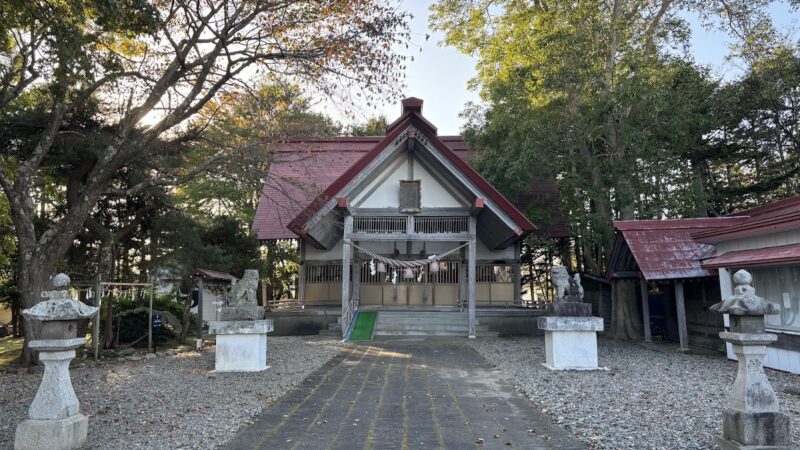
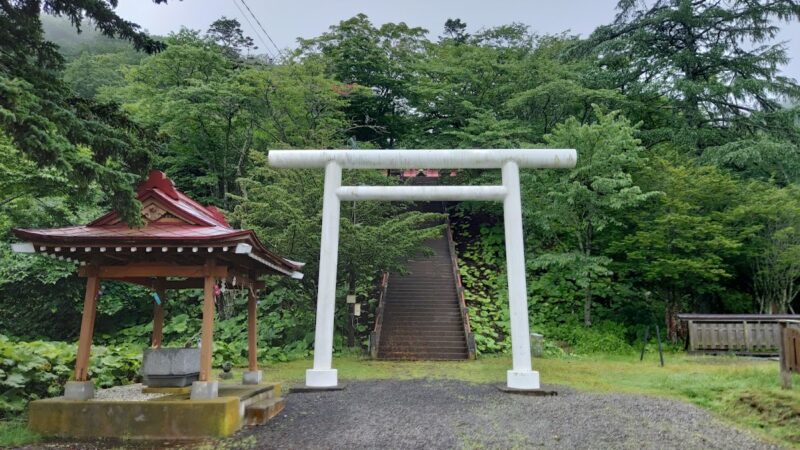
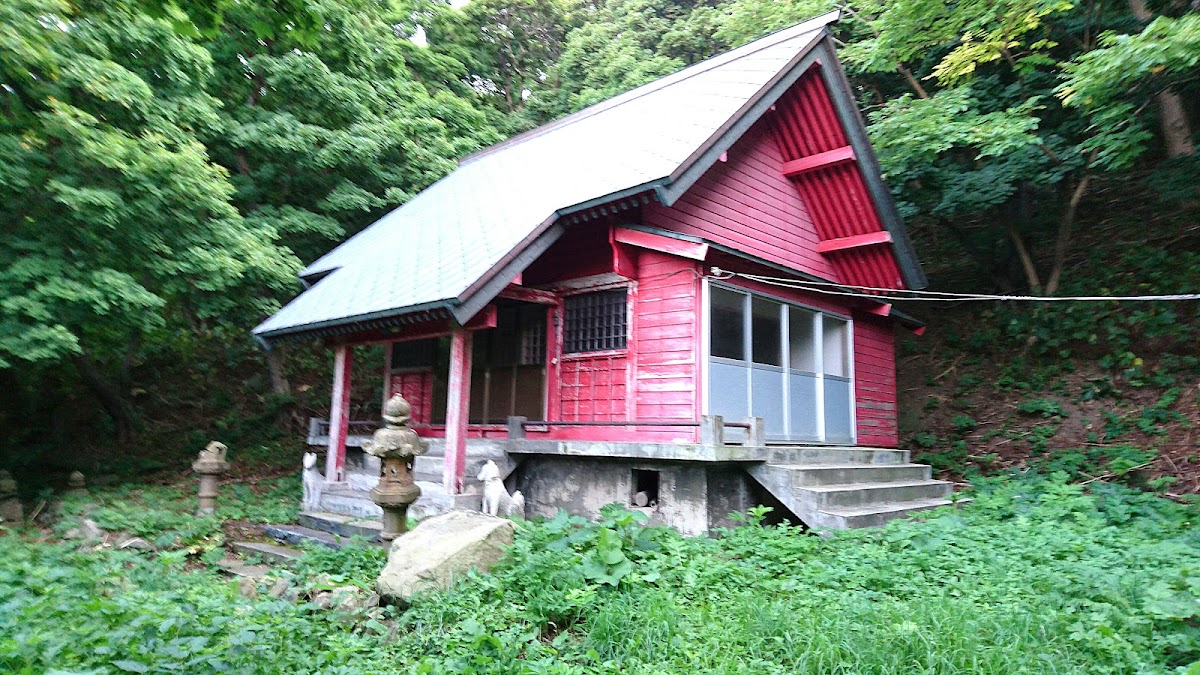
Located in Minatomachi, Rankoshi-cho, Isoya-gun, Hokkaido, Inari Shrine is a historic shrine that attracts the faith of local residents. This article comprehensively introduces useful information for visitors, from detailed information about Inari Shrine to its historical background and how to worship.
Basic Information about Inari Shrine
Location and Contact Information
Location: 27 Minatomachi, Rankoshi-cho, Isoya-gun, Hokkaido 048-1341
Inari Shrine is located in the Minatomachi district of Rankoshi-cho, in the southwestern part of Hokkaido, in the Shiribeshi region. Rankoshi-cho is a town rich in nature, spreading at the foot of Mount Yotei, and is known as a region where agriculture and tourism are thriving.
Corporate Information
Corporate Number: 4430005008405
This corporate number is an official identification number that can be confirmed on the corporate number publication site managed by the National Tax Agency. This information is used to identify Inari shrines as religious corporations.
Basic Shrine Data
- Former Shrine Rank: Village Shrine
- Annual Festival Date: September 16th
- Number of Parishioner Households: Approximately 62 households
- Jurisdiction: Hokkaido Shrine Association
About the Deity
Ukanomitama-no-Mikoto
The main deity of Inari shrines is Ukanomitama-no-Mikoto. Ukanomitama-no-Mikoto is widely worshipped as the god of grain and food appearing in Japanese mythology.
Divine Virtues:
- Abundant harvests
- Business prosperity
- Industrial development
- Family safety
- Fulfillment of wishes
In the Kojiki, Ukanomitama-no-Mikoto is also written as Ukanomitama-no-Kami and is considered the child deity of Susanoo-no-Mikoto and Kami-Oichihime. As the central deity of Inari worship, Inari is enshrined in Inari shrines throughout Japan, and has particularly garnered fervent devotion from people involved in agriculture and commerce.
Characteristics of Inari Worship
There are said to be over 30,000 Inari shrines nationwide, making it one of the most numerous types of shrines in Japan. In Hokkaido, many Inari shrines were established during the pioneering era, supporting the lives and faith of settlers.
History of the Inari Shrine in Minato-machi, Rankoshi Town
Background of Founding
The Inari Shrine in Minato-machi, Rankoshi Town, is believed to have been founded during the Meiji era’s Hokkaido pioneering period. During this time, many settlers from Honshu migrated to Hokkaido, and many instances of them inviting divided spirits from their hometown shrines were seen, praying for stability in their new lives and abundant harvests.
The Minato-machi area, as its name suggests, was once a prosperous region due to maritime transport and fishing. The settlers, amidst the harsh natural environment, built their foundations in the new land, finding solace in their faith in gods and Buddhas.
Status as a Village Shrine
Inari Shrine is ranked as a Village Shrine. A Village Shrine is one of the ranks of shrines established under the modern shrine ranking system of the Meiji era, placing it between a Regional Shrine and an Unranked Shrine.
Shrine Ranking Hierarchy (from highest to lowest):
- Kanpei-sha/Kokuhei-sha (Official Shrine)
- Fuken-sha/Han-sha (Prefectural Shrine/Domain Shrine)
- Go-sha (Regional Shrine)
- Village Shrine ← This Shrine
- Unranked Shrine
Rank as a Village Shrine is evidence of the shrine’s importance to the local community and the stability of its parishioner organization. The number of parishioners, approximately 62 households, indicates the formation of a small but deeply rooted religious community.
From Post-War to the Present
After the end of World War II in 1945, the system of shrine rankings was abolished. However, the designation “former village shrine” is still used today to indicate the historical status of the shrine.
The Inari Shrine in Minato-machi, Rankoshi-cho, faces challenges such as depopulation and an aging population, but thanks to the efforts of its parishioners and local residents, its traditional rituals are being preserved.
Annual Festival and Other Annual Events
Annual Festival (September 16th)
The most important event at the Inari Shrine is the Annual Festival, held every year on September 16th. The Annual Festival is the most important annual event at the shrine, where gratitude is offered to the enshrined deity and prayers are offered for peace and prosperity in the region.
Main Contents of the Annual Festival:
- Rituals conducted by Shinto priests
- Attendance by parishioners’ representatives and local residents
- Offering of sacred food
- Recitation of prayers
- Offering of sacred branches
Mid-September is the harvest season, making it the perfect time to express gratitude for a bountiful harvest. It is presumed that in the past, the festival had a strong character as a harvest festival, and was a community-wide event.
Other Annual Events
Like many shrines, Inari shrines may hold the following annual events:
- New Year’s Day Festival (January 1st): Celebrating the New Year and praying for peace throughout the year
- First Horse Day Festival (First Horse Day of February): An important festival unique to Inari shrines
- Spring Festival (Around the Vernal Equinox): Celebrating the arrival of spring
- Autumn Festival (Annual Festival): Giving thanks for the harvest
- Monthly Festival: Regular monthly rituals
How to Access Inari Shrine
Location Details
Address: 27 Minatomachi, Rankoshi-cho, Isoya-gun, Hokkaido 048-1341
Access by Public Transportation
Using the JR Hakodate Main Line:
- Nearest Station: JR Hakodate Main Line “Konbu Station” or “Rankoshi Station”
- From Konbu Station: Approximately 10-15 minutes on foot or by taxi
- From Rankoshi Station: Approximately 15-20 minutes by car
In rural Hokkaido, public transportation is limited, so visiting by private car or rental car is the most convenient option.
Access by Car
From Sapporo:
- Approximately 2 hours 30 minutes to 3 hours via National Route 5
- Route via Nakayama Pass, Kimobetsu, and Kutchan
From Hakodate:
- Approximately 2 hours heading north on National Route 5
- Heading north along the coastline from Oshamanbe
From Otaru/Niseko:
- Approximately 40-50 minutes via National Route 5
- Easiest access from the Niseko area
Parking
Due to the size of the shrine, there may not be a dedicated large parking lot. It is recommended to check in advance whether street parking is possible around the shrine. Temporary parking may be provided during special events such as festivals.
About Rankoshi Town and the Minatomachi District
Overview of Rankoshi Town
Rankoshi Town is located in Isoya District, under the jurisdiction of the Shiribeshi General Subprefectural Bureau. Situated at the western foot of Mount Yotei, it is blessed with a rich natural environment and high-quality water resources.
Characteristics of Rankoshi Town:
- Population: Approximately 4,700 (as of 2024)
- Area: Approximately 449.78 km²
- Main Industries: Agriculture (rice, potatoes, vegetables), tourism
- Specialty Products: Rankoshi rice, hot springs
History of the Minatomachi District
The Minatomachi district is located in the northern part of Rankoshi Town, facing the Sea of Japan. The place name “Minatomachi” (port town) indicates that this area once functioned as a hub for maritime transport.
From the Meiji era to the early Showa era, fishing, mainly herring fishing, flourished along the Sea of Japan coast of Hokkaido. Minatomachi also benefited from this, and there was a period when it prospered through fishing and maritime transport. The founding of Inari shrines is thought to be closely related to the development of these regions.
While the modern port town district is experiencing population decline along with the decline of fishing, it retains its beautiful coastline and tranquil environment, where local residents continue to live their lives.
About Inari Shrines in Hokkaido
The Spread of Inari Worship in Hokkaido
Numerous Inari shrines are located in Hokkaido. When large-scale settlement began in the Meiji era, people who settled from various parts of Honshu invited divided spirits from their hometown Inari shrines and prayed for abundant harvests and business prosperity in their new land.
Major Inari Shrines in Hokkaido:
- Sapporo Fushimi Inari Shrine (Chuo-ku, Sapporo): Established in 1884, having been invited from Fushimi Inari Taisha in Kyoto.
- Hakodate Inari Shrine: One of the oldest Inari shrines in Hokkaido.
- Otaru Inari Shrine: Gained faith alongside the development of the commercial city of Otaru.
- Asahikawa Inari Shrine: Founded alongside the development of Asahikawa City.
Shrines around Rankoshi Town
In addition to the Inari Shrine in the port town, several other shrines are located within Rankoshi Town.
Major Shrines in Rankoshi Town:
- Inari Shrine (Shimakotan): Another Inari Shrine located at 2 Shimakotan, Rankoshi-cho, Isoya-gun.
- Other small shrines and altars are scattered throughout the various districts.
The Shimakotan Inari Shrine also enshrines Ukanomitama-no-Mikoto, shares the common features of having its annual festival on September 16th and its former shrine rank being a village shrine. The existence of multiple Inari shrines within Rankoshi Town indicates the formation of religious communities in each settlement area during the pioneering period.
Etiquette and Manners for Worship
Basic Worship Etiquette
When visiting an Inari shrine, please observe the following basic etiquette.
Procedure for Worship:
- Bow before passing through the torii gate: As a sign of respect before entering the sacred area.
- Purify yourself at the water basin:
- Take the ladle with your right hand and purify your left hand.
- Switch the ladle to your left hand and purify your right hand.
- Switch the ladle back to your right hand, receive water in your left hand, and rinse your mouth.
- Finally, stand the ladle upright to purify the handle.
- Proceed to the front of the main hall: The center of the path is considered the path of the gods, so walk along the edge.
- Place your offering: Quietly place your offering in the offering box.
- Ring the bell: If there is a bell, ring it to invite the gods.
- Two bows, two claps, one bow:
- Bow deeply twice.
- Clap your hands twice.
- Express your wishes and gratitude silently.
- Finally, bow deeply once.
- Bow before leaving the torii gate: A courtesy when leaving the sacred grounds.
Attire and Manners for Visiting a Shrine
- Attire: There are no specific rules, but clean and modest clothing is preferred.
- Photography: Photography is generally permitted on the shrine grounds, but please refrain from taking photos inside the main hall or during Shinto rituals.
- Quiet: Shrines are sacred places. Please keep loud conversations to a minimum.
- Litter: To keep the shrine grounds clean, please take all your trash with you.
About Goshuin (Shrine Seals)
Issuance of Goshuin
Regarding the issuance of Goshuin at Inari Shrine in Minato-cho, Rankoshi-cho, the procedure may vary depending on the size of the shrine and whether or not there is a resident Shinto priest.
For smaller shrines:
- Often there is no resident Shinto priest.
- May only be issued on special days such as annual festivals.
- May be managed by a Shinto priest from a nearby shrine as a concurrently managed shrine.
If you wish to receive a Goshuin, it is recommended that you inquire with the Hokkaido Shrine Association or a nearby shrine in advance.
What is a Goshuin?
A Goshuin is a seal and calligraphy given as proof of visiting a shrine or temple. It’s not just a stamp rally; it should be treated as a cherished record of your visit.
Manners for Receiving a Goshuin:
- Always pray before receiving it.
- Prepare a Goshuincho (avoid notebooks or paper).
- Prepare a donation (around 300-500 yen).
- Request it using polite language.
- Wait quietly while it’s being written.
Tourist Spots in Rankoshi Town
Here are some tourist spots around Rankoshi Town that you might want to visit when you come to Inari Shrine.
Hot Springs in Rankoshi Town
Niimi Onsen:
- A representative hot spring resort in Rankoshi Town
- Known for its high-quality spring water
- Has day-trip bathing facilities and accommodations
Yumoto Onsen:
- A historic hot spring resort
- A quiet environment where you can relax
Natural Scenery
Mt. Yotei:
- A stratovolcano with an elevation of 1,898m
- A beautiful mountain also known as “Ezo Fuji”
- Enjoy mountain climbing and trekking
Shiribetsu River:
- A first-class river known for its clear waters
- A popular spot for canoeing and rafting
- Also a popular fishing spot
Roadside Stations and Direct Sales Outlets
Michi-no-Eki Rankoshi Furusato no Oka:
- A wide selection of Rankoshi Town’s specialty products
- Direct sales of fresh agricultural products
- A restaurant where you can enjoy local cuisine
- Convenient for obtaining tourist information
How to Enjoy Visiting Shrines in Hokkaido
Characteristics of Shrines in Hokkaido
Shrines in Hokkaido have characteristics that differ from those of shrines on Honshu (main island of Japan).
Historical Background:
- Mostly founded after the Meiji era
- Closely related to the history of pioneering
- Many shrines house branch shrines from various parts of Honshu
Architectural Style:
- Structures adapted to heavy snowfall
- Many relatively new buildings
- Simple and functional design
Tips for Visiting Shrines
Planned Visits:
- Hokkaido is vast, so efficient route planning is important
- Consider the season and weather (be careful of snow in winter)
- Visit multiple shrines in combination
Learning Local History:
- Research the founding background of each shrine
- Learn about the history of pioneering and local industries
- Value interaction with local people
Seasonal Attractions:
- Spring: Beautiful cherry blossoms and fresh greenery
- Summer: Refreshing weather, ideal for visiting shrines
- Autumn: Season of autumn leaves and harvest festivals
- Winter: Shrines amidst snowscapes also have a unique charm
Frequently Asked Questions
Q1: Can I get a Goshuin (shrine stamp) at Inari Shrine (Minato-machi, Rankoshi-cho)? A1: As it is a small shrine, it may not always offer Goshuin (shrine stamps). They may be offered on special days such as festival days, so we recommend checking with the Hokkaido Shrine Association or a nearby shrine in advance.
Q2: Is a reservation necessary to visit the Inari Shrine?
A2: Reservations are not required for regular visits. However, if you wish to have special rituals such as prayers or purification rites, you will need to contact the shrine or the managing priest in advance.
Q3: Can the general public participate in the Inari Shrine’s annual festival?
A3: While the annual festival is primarily for parishioners and local residents, general visitors are often welcome to observe or participate. However, it is necessary to observe quietly so as not to disrupt the rituals.
Q4: Can I visit the shrine in winter?
A4: Shrines in Hokkaido are open to visitors in winter, but the ground may be slippery due to snow. Please take precautions against the cold and wear non-slip shoes when visiting the shrine. Snow removal conditions vary depending on the weather.
Q5: What other shrines are there in Rankoshi Town?
A5: There is also an Inari Shrine in the Shimakotan area of Rankoshi Town (2 Shimakotan, Rankoshi-cho, Isoya-gun). This is also a village shrine dedicated to Ukanomitama-no-Mikoto, and its annual festival is held on September 16th. Smaller shrines and altars are scattered throughout the town.
Q6: What are appropriate offerings for an Inari Shrine?
A6: While fried tofu and Inari sushi are known as offerings at Inari Shrines, no special offerings are necessary for a general visit. Simply offering a monetary donation and praying is sufficient. For special prayers, please follow the instructions of the Shinto priest.
Summary
Located in Minatomachi, Rankoshi-cho, Isoya-gun, Hokkaido, the Inari Shrine is a historic village shrine dedicated to Ukanomitama-no-Mikoto. Protected by approximately 62 parishioners, it plays a vital role as a place of worship for the community, centering around its annual festival on September 16th.
Nearby amidst the rich natural environment of Rankoshi-cho, the Inari Shrine conveys a history and tradition dating back to the pioneering era. Though small, it remains a deeply rooted community of faith, undoubtedly continuing to be a spiritual anchor for the local people.
When visiting Hokkaido, or traveling through the Shiribeshi region, be sure to visit this Inari Shrine. By offering prayers in its tranquil grounds, you can reflect on the hardships of the pioneers and the history of their faith.
A journey exploring the beautiful nature, hot springs, and local shrines of Rankoshi-cho will be a valuable experience, allowing you to discover the unique charm of Hokkaido.