Shiratori Shrine (Suttsu-cho, Suttsu-gun, Hokkaido) Complete Guide | History, Benefits, and Access Information
Shiratori Shrine, located in Suttsu-cho, Suttsu-gun, Shiribeshi region of Hokkaido, is a historic shrine facing the Sea of Japan and is revered by the local community. This article provides a detailed explanation of everything you need to know before visiting, from the shrine’s history, enshrined deities, and benefits, to how to worship, access information, and nearby attractions.
Basic Information about Shiratori Shrine
Shiratori Shrine is located in Suttsu-cho, Suttsu-gun, Hokkaido, near the center of the town. It has walked hand in hand with the history of Suttsu, a town that prospered as a fishing town along the Sea of Japan coast, and has played an important role as a spiritual pillar for the local residents.
Location and Contact Information
- Location: Suttsu-cho, Suttsu-gun, Hokkaido
- Jurisdiction: Hokkaido Shrine Association, Shiribeshi Branch
- Shrine Rank: Village Shrine (Former Shrine Rank)
Suttsu-cho is located in the western part of the Shiribeshi region, at the base of the Shakotan Peninsula, and is a port town that has prospered from herring fishing since ancient times. Shiratori Shrine has watched over the development of this historic town as its guardian deity.
History and Origins of Shiratori Shrine
Circumstances of Founding
There are various theories regarding the founding date of Shiratori Shrine, but it is believed to have been established as a place of worship for settlers during the Hokkaido pioneering period. From the late Edo period to the Meiji era, Suttsu was known as a rich fishing ground for herring, attracting many fishermen and merchants.
The name of the shrine, “Shiratori” (White Swan), may originate from Japanese mythology, in which Yamato Takeru no Mikoto transformed into a white swan after his death and flew away. It’s also possible the shrine was named after the beautiful sight of swans migrating to Hokkaido’s natural environment.
Development since the Meiji Era
With the intensification of Hokkaido’s development during the Meiji era, Suttsu Town rapidly expanded. Shiratori Shrine was ranked as a village shrine under the Meiji-era shrine system, establishing its status as a public shrine in the region.
From the Taisho to the early Showa period, Suttsu’s herring fishing industry reached its peak, and the shrine attracted fervent devotion from those involved in the fishing industry. Many fishermen visited the shrine to pray for safety at sea and a bountiful catch, making it a central hub for the local community.
From the Post-War Period to the Present
After World War II, the population of Suttsu Town decreased along with the decline of the herring fishing industry, but Shiratori Shrine continues to attract devotion as the guardian deity of the region. Currently, the shrine holds its annual festival and various other events organized by local residents, playing an important role as a place for the transmission of traditional culture.
Deities and Divine Virtues
Main Deity
Regarding the deities enshrined at Shiratori Shrine, as a local shrine, it is possible that multiple deities are worshipped. Generally, shrines with “Shiratori” (white swan) in their name often enshrine the following deities:
Yamato Takeru no Mikoto
A heroic deity in Japanese mythology, known as the god of martial prowess and pioneering. Due to the legend that he transformed into a white swan after death and flew away, he is often enshrined as the main deity at Shiratori Shrines.
Ukanomitama no Mikoto
A deity widely worshipped as the god of abundant harvests and business prosperity. It is possible that he was enshrined to pray for the development of agriculture and fishing during the pioneering period of Hokkaido.
Oowatatsumi no Kami
As a god of the sea, he has been worshipped in Suttsu, a fishing town, as an object of prayer for maritime safety and bountiful catches.
Divine Blessings and Virtues
Shiratori Shrine is believed to offer the following blessings:
- Safety at Sea: This is the most important blessing in Suttsu, a town that developed as a fishing village.
- Abundant Catch: This blessing has attracted the faith of fishermen praying for a bountiful catch.
- Good Fortune and Prosperity: Inspired by the pioneering spirit of Yamato Takeru, prayers are offered for success in new ventures and challenges.
- Family Safety: As the local guardian deity, the shrine protects the health and peace of families.
- Traffic Safety: In modern times, it is also believed to offer blessings for safe travel on land.
- Exorcism: Prayers are offered to ward off misfortune at important life events.
Highlights of the Shrine Grounds
Shrine Building
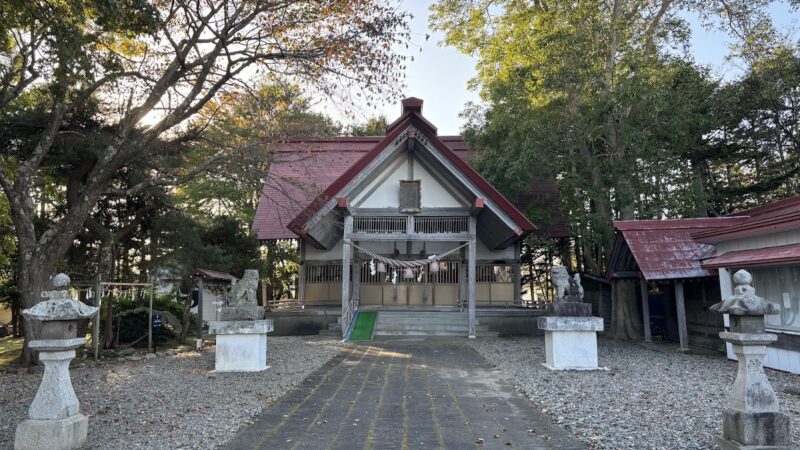
The shrine building of Shiratori Shrine is built to withstand the climate of Hokkaido. The architectural style, designed to withstand heavy snowfall and strong winds, is characteristic of shrine architecture in Hokkaido.
The main hall is open for worship throughout the year, and local residents visit to offer their daily gratitude and prayers. The area surrounding the shrine is a well-maintained precinct, providing a tranquil atmosphere for worship.
Natural Environment of the Shrine Grounds
The grounds of Shiratori Shrine are lush with trees typical of Hokkaido, allowing visitors to experience the changing seasons. Spring brings fresh greenery, summer brings deep green, autumn brings vibrant foliage, and winter brings snowscapes, each season offering a different view.
Especially in winter, swans, from which the shrine derives its name, sometimes fly to the coast of Suttsu, creating a scene that highlights the connection between the shrine and nature.
Stone Monuments and Memorials
Within the shrine grounds, there may be stone monuments and memorials that tell the history of Suttsu Town and the history of Shiratori Shrine. These are valuable resources for understanding the region’s history.
Annual Events and Festivals
Grand Festival
The most important festival of Shiratori Shrine is the Grand Festival. The annual festival is usually held from summer to autumn and is a grand celebration in which all residents of the community participate.
The festival includes a procession of portable shrines and dedication ceremonies, making it an important opportunity to pass on the traditional culture of Suttsu Town to the next generation. On the day of the festival, stalls line the streets, and the entire town is enveloped in a festive atmosphere.
New Year’s Events
On New Year’s Day, many worshippers visit the shrine for their first visit of the year. The shrine is bustling with people praying for good health, safety for their families, and business prosperity in the new year. Amidst the harsh Hokkaido winter, one can feel the sacred atmosphere of welcoming the new year.
Other Annual Events
- Spring Festival: Celebrating the arrival of spring and praying for a bountiful harvest and abundant fishing throughout the year.
- Autumn Festival: Giving thanks for the harvest and offering the first fruits to the gods.
- Monthly Festival: A festival held regularly every month.
How to Worship and Manners
Basic Worship Etiquette
When visiting Shiratori Shrine, please observe the following basic etiquette.
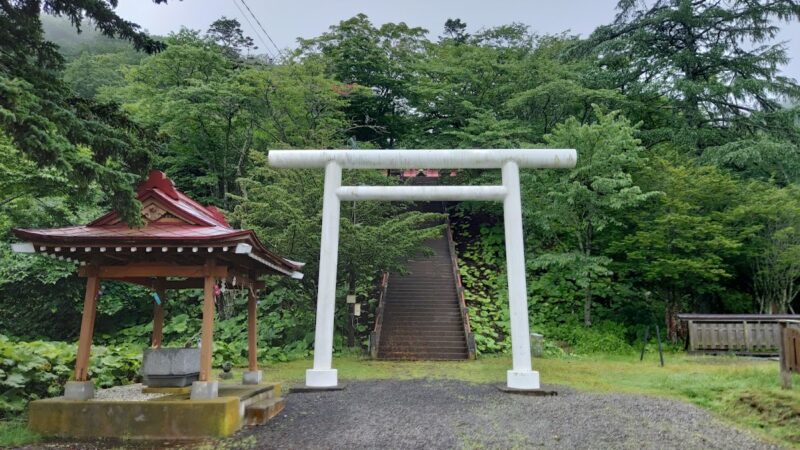
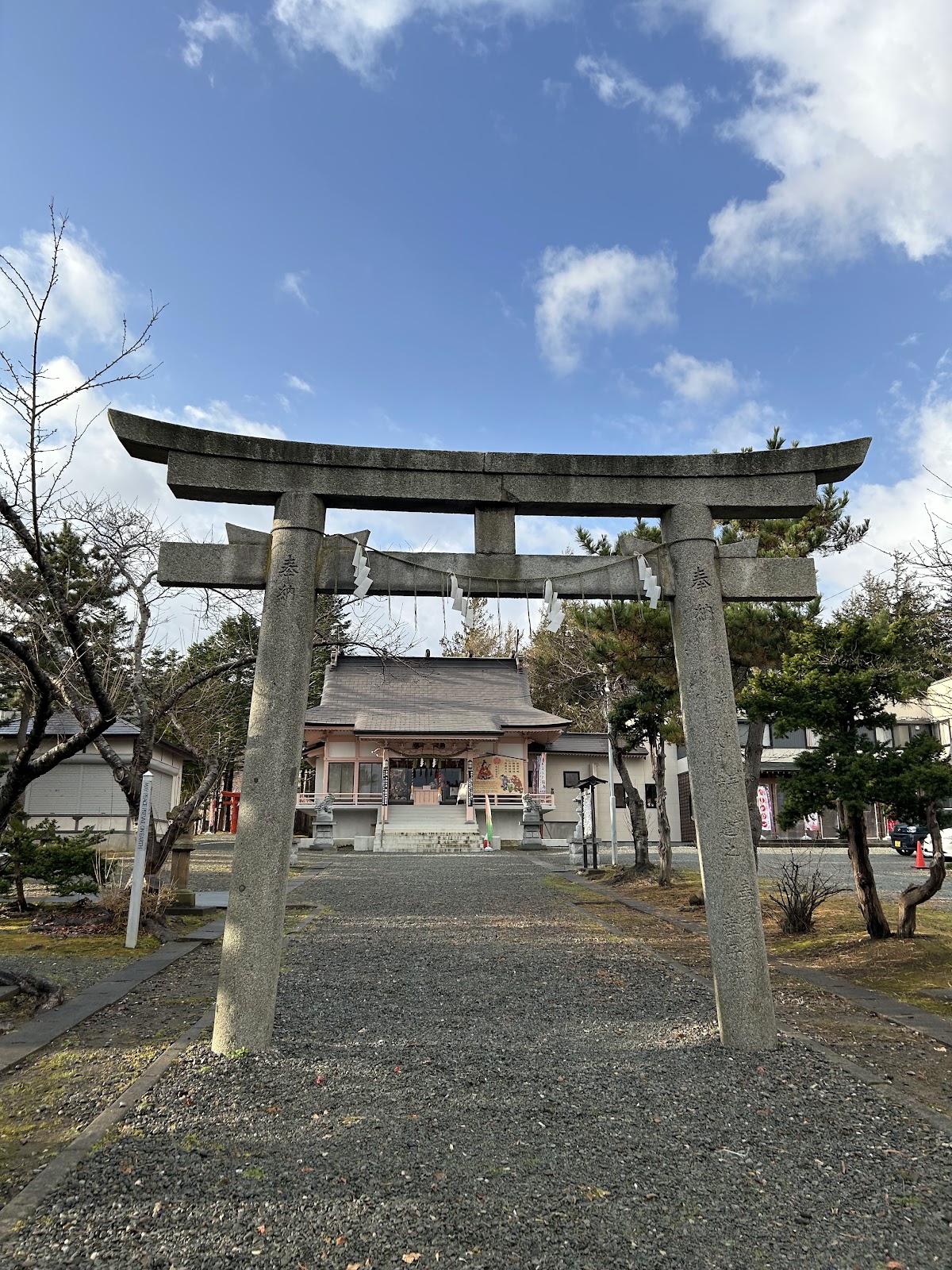
- Bow at the Torii Gate: Bow before passing through the torii gate to show respect for entering the sacred area.
- Purification at the Water Basin: If there is a water basin, purify your hands and mouth.
- Walking Along the Path: The center of the path is considered the path of the gods, so walk along the sides.
- Worship at the Main Hall: Worship using the two bows, two claps, and one bow ritual.
- Bow deeply twice.
- Clap twice at chest height.
- Finally, bow deeply once.
About Offerings
When placing an offering in the offering box, do so quietly. There are no set amounts, but offer with gratitude. It is considered good manners to gently place the offering rather than throwing it in.
Attire for Visiting the Shrine
There are no specific dress code requirements, but remember that you are going to meet the gods, so dress in clean and respectful attire.
Access Information
Access by Car
Access to Shiratori Shrine is most convenient by car.
From Sapporo
- Approximately 2 hours 30 minutes to 3 hours from Sapporo city via National Route 5
- Approximately 2 hours from Otaru city via National Route 5 and National Route 229
From Hakodate
- Approximately 3 hours 30 minutes from Hakodate city via National Route 5 and National Route 229
Once you enter the town of Suttsu, you can find the shrine by following the signs and asking locals for directions.
Access by Public Transportation
If using JR
- The nearest major stations are JR Hakodate Main Line’s “Kuromatsunai Station” or “Otaru Station”.
- From the station, take a bus or taxi.
If using the bus
- Take the Niseko Bus bound for “Suttsu”.
- Buses to Suttsu depart from Otaru Station, Yoichi Station, etc.
- Travel time varies depending on the departure point, but is approximately 2-3 hours.
Notes
- In winter, there is a possibility of snow and icy roads, so drive with caution.
- Public transportation is limited, so it is recommended to check the timetable in advance.
- In winter, there is a possibility of reduced service or cancellations, so please check the latest information.
Parking
Depending on the size of the shrine, there may be a dedicated parking lot, or you may need to use nearby public parking lots. During events such as the annual festival, temporary parking lots may be set up.
Tourist Attractions in Suttsu Town
When visiting Shiratori Shrine, be sure to also visit other tourist attractions in Suttsu Town. ### Benkei Cape
A representative scenic spot in Suttsu Town, this cape juts out into the Sea of Japan. Named after the legend of Yoshitsune, it offers a magnificent panoramic view of the Sea of Japan. The sunsets are particularly beautiful, attracting many tourists.
Suttsu Onsen (Hot Springs)
A hot spring facility overlooking the Sea of Japan, perfect for relaxing after a long day of travel. Bathing while gazing at Suttsu Bay is a truly special experience.
Suttsu Fishing Port
A fishing port where fresh seafood is landed. You can purchase locally caught seafood at the direct sales store. Suttsu’s Atka mackerel and sea urchin are especially renowned for their exquisite taste.
Michi-no-Eki Minato-mare Suttsu (Roadside Station Minato-mare Suttsu)
A roadside station serving as a hub for Suttsu Town’s tourist information. You can purchase local specialties and fresh seafood, and enjoy dishes made with Suttsu’s seafood at the restaurant.
Suttsu, the Town of Wind
Suttsu Town is known as the “Town of Wind” and is a leading center for wind power generation. The landscape lined with windmills has become a new symbol of Suttsu Town.
History and Culture of Suttsu Town
History of Herring Fishing
The development of Suttsu Town is closely related to herring fishing from the Edo period to the early Showa period. Herring, which swarmed in large numbers in the spring, were called “golden fish” and brought immense wealth to Suttsu.
During the peak of the herring fishing season, fishermen and merchants gathered from all over the country, and the town was bustling. The prosperity of that time was expressed by the phrase, “May in Esashi is unmatched even in Edo,” and Suttsu boasted a similar level of prosperity.
Kitamae Ships and Trade
Suttsu also flourished as a port of call for Kitamae ships. Trade with Osaka and the Hokuriku region brought various cultures and goods to Suttsu, greatly contributing to the town’s cultural development.
Modern Suttsu Town
Suttsu Town, while facing the challenge of a declining population, is focusing on new industries such as wind power generation and tourism promotion. It is also actively working on developing specialty products utilizing its abundant marine resources.
Local Gourmet Information
Suttsu’s Seafood
When visiting Suttsu Town, be sure to try the local seafood.
Atka Mackerel
Suttsu’s Atka mackerel is fatty and exquisite. Dried Atka mackerel is a popular specialty product.
Sea Urchin
Sea urchins caught in the waters off Suttsu are characterized by their rich sweetness. Fresh sea urchins can be enjoyed during the peak season.
Scallops
Fresh scallops are delicious both as sashimi and grilled, and are one of Suttsu’s representative seafood products.
Flounder
Flounder caught off the coast of Suttsu has thick flesh and can be enjoyed simmered or deep-fried.
Local Restaurants and Eateries
Suttsu Town has restaurants and eateries that serve fresh seafood. Some restaurants run by local fishermen offer dishes made with fish caught that day.
Best Time to Visit and Recommended Season
Spring (April-June)
Hokkaido’s short spring, arriving with the melting snow, is a beautiful season of fresh greenery. Around Golden Week, cherry blossoms bloom, and the area around the shrine takes on a spring-like appearance.
Summer (July-August)
Summer is the busiest season in Suttsu Town. Many annual festivals are held, allowing visitors to enjoy the festive atmosphere. It’s also a great time for swimming and marine leisure activities.
Autumn (September-November)
Autumn is a beautiful season for autumn foliage. The trees around the shrine change color, creating a peaceful atmosphere for worship. Autumn is also a time when fresh seafood is abundant.
Winter (December to March)
While Hokkaido’s winters are harsh, snow-covered shrines present a fantastical beauty. Visiting for New Year’s prayers or winter festivals is a charming experience. However, caution is necessary due to snow accumulation and icy roads.
Precautions for Visiting
Weather and Clothing
Hokkaido’s climate differs significantly from that of Honshu.
- Even in summer, it can get chilly in the mornings and evenings, so bring a jacket.
- Complete cold weather protection is essential in winter. (Thick coat, gloves, hat, winter boots)
- Dress to withstand the strong winds characteristic of the Sea of Japan coast.
- Carry rain gear. (The weather is unpredictable.)
Visiting in Winter
- Wear non-slip shoes as the grounds can become slippery due to snow.
- Visiting may be difficult depending on snow removal conditions, so prior confirmation is recommended.
- Aim for an early visit due to shorter daylight hours.
Manners and Etiquette
- Be mindful that the shrine grounds are a sacred place and refrain from making noise.
- Always take your trash with you.
- Take photographs only within permitted areas.
- Photography inside the shrine is usually prohibited.
- This is also a living space for local residents, so please do not cause any disturbance.
Shiratori Shrine and the Local Community
Shiratori Shrine is not merely a tourist spot; it is an integral part of life and a spiritual anchor for the residents of Suttsu Town. Let’s visit this shrine with respect, understanding that it has been carefully preserved by the local community.
Parishioner Activities
The shrine’s maintenance and the operation of its festivals are carried out by the local parishioners. For events such as the annual festival, the parishioners’ representatives, along with other local residents, cooperate in the preparations.
Connections with the Community
The shrine also serves as a community gathering place and is a hub for various local events. It is also a place where important life ceremonies such as Shichi-Go-San (a traditional Japanese rite of passage for children), coming-of-age ceremonies, and weddings take place.
Model Course for Visiting Shiratori Shrine
We introduce a model course for sightseeing in Suttsu Town, centered around Shiratori Shrine.
Day Trip Course
Morning
- 10:00 Arrive at Shiratori Shrine and pay your respects (30 minutes)
- 10:30 Stroll around Suttsu town (1 hour)
- 11:30 Lunch at a local restaurant (e.g., seafood bowl)
Afternoon
- 13:00 Sightseeing at Benkei Cape (1 hour)
- 14:00 Purchase souvenirs at Michi-no-Eki Minato-mare Suttsu (30 minutes)
- 14:30 Bath at Suttsu Onsen (1 hour)
- 16:00 Depart from Suttsu Town
2-Day/1-Night Course
Day 1
- Arrive in Suttsu Town in the afternoon
- Visit Shiratori Shrine
- Watch the sunset at Benkei Cape
- Stay at a local guesthouse or hot spring inn
Day 2
- Early morning visit to Suttsu Fishing Port
- Purchase seafood at the morning market
- Visit nearby tourist spots
- After lunch, we departed from Suttsu Town.
Summary
Shiratori Shrine is a historic shrine located in Suttsu Town, Suttsu District, Hokkaido, and has played an important role as the center of local faith and culture. Having grown alongside the development of Suttsu, a fishing town facing the Sea of Japan, the shrine is known for its various blessings, including prayers for maritime safety and a bountiful catch.
When visiting Suttsu Town, in addition to visiting Shiratori Shrine, be sure to fully enjoy the town’s attractions, such as scenic spots like Benkei Cape, fresh seafood, and Suttsu Onsen (hot springs). This town, in particular, with its history of prosperity from herring fishing, still retains traces of the Hokkaido pioneering era.
Access is convenient by car, but if using public transportation, it is recommended to check the timetable in advance. Also, it is important to dress appropriately for Hokkaido’s climate.
Shiratori Shrine is a shrine that has been carefully preserved by the local people. When visiting, please show respect for its history and the feelings of the local people, and observe proper etiquette. Taking time to calm your mind in the tranquil temple grounds and express your daily gratitude and wishes to the gods will surely be a memorable experience.