Inari Shrine (Masatomachi, Suttsu-cho, Suttsu-gun, Hokkaido) Complete Guide
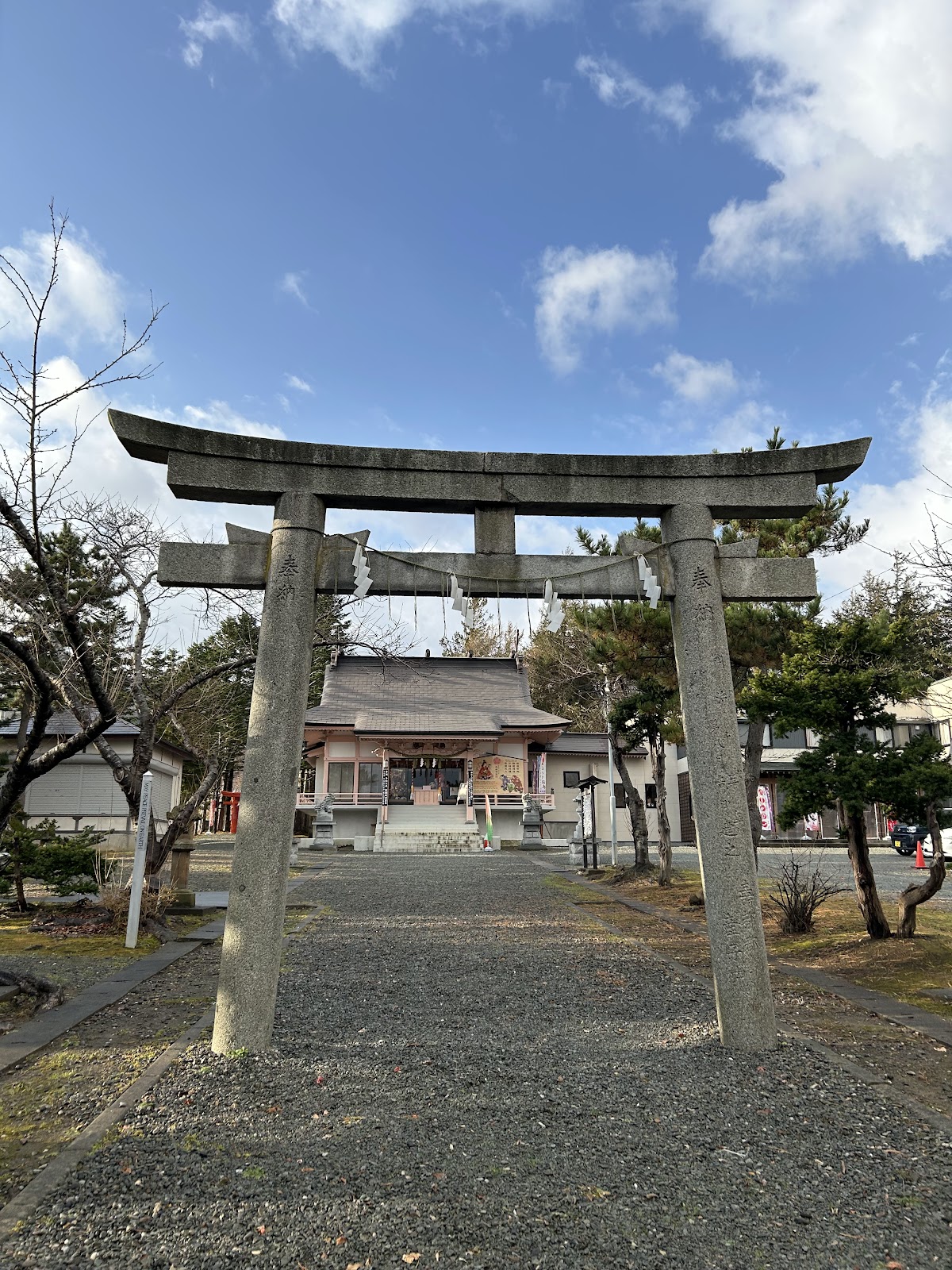
The Inari Shrine, located in Masatomachi, Suttsu-cho, Suttsu-gun, Hokkaido, is a shrine that has walked hand in hand with the history of Suttsu-cho, a port town facing the Sea of Japan. This article provides detailed information about the Inari Shrine, from its basic information and historical background to access methods and information about surrounding shrines.
Basic Information about Inari Shrine
Location and Postal Code
The address of Inari Shrine is 8 Masatomachi, Suttsu-cho, Suttsu-gun, Hokkaido. The postal code is 〒048-0403. Suttsu-cho is located in the Shiribeshi region of Hokkaido and is known as a fishing and tourism town facing the Sea of Japan.
Corporate Number and Designation Date
The corporate number of Inari Shrine is 4440005002150. This corporate number was designated on October 5, 2015 (Monday). The Corporate Number System clarifies the legal status of shrines, making various administrative procedures and searches easier.
Classification as a Religious Corporation
This Inari Shrine is registered as a Shinto religious corporation and is one of the shrines belonging to the Hokkaido Shrine Association. It belongs to the lineage of numerous Inari shrines throughout Japan and is revered by local residents as a god of abundant harvests and business prosperity.
History and Origins of the Inari Shrine
Historical Background of Suttsu Town
Suttsu Town was under the rule of the Matsumae Domain from the Edo period and was a port town that prospered from herring fishing. Even after the Meiji era, it played an important role as a base for the development of Hokkaido. The Masatomari area is one of the oldest residential areas in Suttsu Town, and the Inari Shrine has been revered as the guardian deity of this region.
Inari Faith and the Development of Hokkaido
Many Inari shrines in Hokkaido were established by people who migrated from Honshu during the development period after the Meiji era. The Inari faith, with its head shrine being Fushimi Inari Taisha in Kyoto, was widely accepted by pioneers seeking stability and prosperity in their new lands, as the guardian deity of agriculture, fishing, and commerce.
The Inari Shrine in Suttsu Town is also thought to have a history rooted in this pioneering era of faith. In a port town that prospered from herring fishing, it likely played an important role as a place to pray for bountiful catches and business success.
Connections to the Local Community
The Inari Shrine located in Masatomari Town has functioned as a spiritual pillar of the local community. Through annual festivals and seasonal events, it serves as a place where residents gather and deepen their community bonds. In small municipalities in Hokkaido, where the population is declining, the existence of such shrines greatly contributes to maintaining regional identity.
Deities and Divine Virtues
About Inari Deities
The deities enshrined at Inari Shrines are generally Inari Okami, centered around Ukanomitama-no-kami. Ukanomitama-no-kami is a god of grain appearing in the Kojiki and Nihon Shoki, and “Uka” is an archaic word meaning grain or food.
God of Abundant Harvests
The most fundamental divine virtue of Inari is abundant harvests. From the time when agriculture was the foundation of life, it has attracted the faith of people praying for bountiful harvests. Even during the pioneering period of Hokkaido, faith in Inari provided spiritual support to those who farmed under harsh climatic conditions.
Business Prosperity and Industrial Protection
As time went on, Inari also came to be worshipped as a guardian deity of business prosperity and industry in general. In port towns like Suttsu, fishermen and shop owners have visited Inari shrines to pray for business prosperity and safety at sea.
Other Divine Virtues
At Inari shrines, various divine virtues are believed to include family safety, traffic safety, academic success, and protection from evil. It possesses the characteristics of a comprehensive guardian deity, embracing the diverse wishes of the local residents.
Access Methods
Access by Public Transportation
The most common way to access Suttsu Town is by bus from the nearest stations on the Hakodate Main Line: Kuromatsunai Station or Otaru Station.
- From Sapporo: Take the JR Hakodate Main Line to Otaru Station, then take a Hokkaido Chuo Bus or Niseko Bus towards Suttsu.
- From Hakodate: Take the JR Hakodate Main Line to Kuromatsunai Station, then take a bus to Suttsu Town.
After arriving in the center of Suttsu Town, you can reach Masatomari Town on foot or by taxi. Since public transportation is limited, it is necessary to check the timetable in advance.
Access by Car
Access by private car or rental car is the most convenient.
- From Sapporo: Approximately 3 hours (via National Route 5, approximately 150 km)
- From Otaru: Approximately 2 hours (via National Route 5 and National Route 229, approximately 100 km)
- From Hakodate: Approximately 3 hours 30 minutes (via National Route 5, approximately 180 km)
Suttsu Town is a relatively small town, so you can find the shrine’s location by searching for “8 Masatomari-cho, Suttsu-cho” on your car navigation system or smartphone map app.
Parking Information
Due to the small size of the shrine, there may not be a dedicated large parking lot. When visiting, please check the surrounding area and be considerate of the neighbors.
Nearby Attractions
Tourist Spots in Suttsu Town
When visiting Inari Shrine, we recommend also visiting other tourist spots in Suttsu Town.
Suttsu Onsen Yubetsu no Yu: A hot spring facility overlooking the Sea of Japan where you can relax and unwind after your travels.
Benkei Cape: A scenic spot steeped in legends surrounding Musashibo Benkei, a retainer of Minamoto no Yoshitsune. Enjoy magnificent views of the Sea of Japan.
Michi-no-Eki Minato-mare Suttsu: A roadside station where you can purchase fresh local seafood and agricultural products. Popular items include Suttsu’s famous Atka mackerel and oysters.
Food Culture of Suttsu Town
Suttsu Town is blessed with abundant seafood from the Sea of Japan. Seafood such as fresh Atka mackerel, oysters, sea urchins, and abalone are particularly famous, and you can enjoy fresh seafood at restaurants and direct sales outlets in the town.
Characteristics of Inari Shrines in Hokkaido
Comparison with Inari Shrines Nationwide
There are approximately 32,000 Inari shrines throughout Japan, making it the most numerous type of shrine. Many Inari shrines are also located in Hokkaido, each reflecting the history and culture of its region.
The Spread of Inari Worship in Hokkaido
Inari shrines in Hokkaido are particularly numerous in the following areas:
- Sapporo City: Historic shrines such as Sapporo Fushimi Inari Shrine, which received a divided spirit from Kyoto’s Fushimi Inari Taisha.
- Hakodate City: Inari shrines in a port town with a history of flourishing as an open port.
- Otaru City: Inari shrines reflecting its history as a commercial city.
- Mashike Town, Rumoi City, Fukagawa City, etc.: Various areas along the Sea of Japan coast and its inland regions.
Architectural Styles of Inari Shrines in Hokkaido
While Hokkaido’s shrine architecture is based on the traditional shrine architecture of Honshu, it also shows ingenuity unique to cold regions. To cope with snow and cold, roofs may have steep slopes, and building foundations may be designed to be high.
How to Worship at an Inari Shrine
Basic Worship Etiquette
Knowing the correct way to worship at a shrine will allow for a more heartfelt visit.
- Bow before passing through the torii gate: As a sign of respect before entering the sacred area, bow before the torii gate.
- Purify yourself at the water basin: If there is a water basin, purify your left hand, then your right hand, then your mouth.
- Walk along the edge of the path: The center of the path is considered the path of the gods, so walk along the edge.
- Etiquette at the main hall: The basic procedure is two bows, two claps, one bow (two bows, two claps, one bow).
Regarding offerings
There are no set amounts, but it is important to offer with sincerity. It is considered polite to gently place coins into the offering box rather than throwing them in.
Regarding Goshuin (temple/shrine stamps)
Small shrines may not have a resident priest, making it difficult to obtain Goshuin. If you wish to receive a Goshuin, it is recommended to check in advance.
Shrine Culture in Suttsu Town
Regional Beliefs
In small municipalities in Hokkaido like Suttsu Town, multiple shrines are scattered throughout the area, each playing a central role in the local community. The Inari Shrine in Masatomari Town is also cherished by local residents as a familiar place of worship.
Festivals and Local Events
Many shrines hold various festivals throughout the year. The annual festival (the most important festival held once a year), the New Year’s festival, and the Autumn Grand Festival are common. These festivals provide valuable opportunities for local residents to gather and serve as a place for intergenerational exchange.
Depopulation and Shrine Maintenance
As population declines in many areas of Hokkaido, the maintenance and management of shrines has become a major challenge. The decrease in parishioners (local residents who support the shrines) is leading to reductions in the scale of festivals and difficulties in maintaining shrine buildings. However, efforts to preserve shrines as the core of local identity continue in various places.
List of Surrounding Shrines
In addition to the Inari Shrine, several other shrines are located in Suttsu Town and the surrounding areas. ### Shrines in Suttsu Town
Besides the Inari Shrine in Masatomari-cho, Suttsu Town has numerous small shrines scattered throughout the town. Each is deeply connected to the local history and attracts the faith of local residents.
Major Shrines in the Shiribeshi Region
- Otaru City: Sumiyoshi Shrine, Ryugu Shrine, Inari Shrine, etc.
- Yoichi Town: Yoichi Shrine, etc.
- Kutchan Town: Kutchan Shrine, etc.
- Iwanai Town: Iwanai Shrine, etc.
The Shiribeshi region has historically been a region where fishing and agriculture flourished, and various shrines are enshrined in each town and village as guardian deities of the region.
Points to Note When Visiting Inari Shrines
Dress Code and Manners
Shrines are sacred places. Avoid overly flashy or revealing clothing, and aim for clean and modest attire. Also, refrain from shouting or running around the shrine grounds.
Regarding Photography
Generally, taking photos of the shrine grounds is permitted, but photography inside the main hall or during religious ceremonies may be prohibited. Please check beforehand or look for any signs prohibiting photography.
Regarding the Time of Visit
During winter in Hokkaido (November to March), snowfall can make access to shrines difficult. Areas on the Sea of Japan side, such as Masatomari Town, experience heavy snowfall, so sufficient preparation and caution are necessary when visiting during winter.
Consideration for the Community
When visiting shrines located in small settlements, it is important to be considerate of the lives of the local residents. Please observe basic manners such as not making noise, not trespassing on private property, and taking your trash with you.
How to Enjoy Visiting Shrines in Hokkaido
Collecting Goshuin (Shrine Stamps)
In recent years, collecting Goshuin has become a popular hobby. Visiting shrines throughout Hokkaido and collecting their stamps deepens your understanding of Hokkaido’s history and culture. However, some smaller shrines may not offer Goshuin, so prior confirmation is advisable. ### Visiting Power Spots
Shrines have long been recognized as “power spots.” The shrines of Hokkaido, rich in nature, are ideal places to calm the mind and recharge energy. The Inari Shrine in Suttsu Town, surrounded by the magnificent natural beauty of the Sea of Japan, is a place where one can pray with peace of mind.
Exploring Local History
Visiting a shrine is a great opportunity to learn about the history of the region. Considering why the shrine was built in that location and what kind of people worshipped there deepens one’s understanding of the region.
Summary
The Inari Shrine, located in Masatomari-cho, Suttsu-cho, Suttsu-gun, Hokkaido, is a shrine that has walked hand in hand with the history of this small port town facing the Sea of Japan. Registered as a corporate number 4440005002150, it continues to attract the faith of local residents.
From the pioneering days of Hokkaido to the present day, this Inari Shrine has functioned as a place of prayer for people wishing for abundant harvests, business prosperity, and maritime safety. Even amidst a declining population, this shrine is carefully preserved as a core element of the region’s identity.
When visiting Suttsu Town, be sure to stop by this Inari Shrine and offer a quiet prayer. Visiting while feeling the sea breeze from the Sea of Japan will be a precious experience that allows you to forget the hustle and bustle of everyday life.
The shrine is not merely a tourist spot; it is a sacred place imbued with the region’s history, culture, and the prayers of its people. When visiting, please pray with respect and remember to be considerate of the local community.
Frequently Asked Questions
What are the opening hours of the Inari Shrine?
Shrines are generally open 24 hours for worship, but if there is a shrine office, its hours are limited. Smaller shrines often do not have resident priests, so it is necessary to check in advance if you wish to receive a Goshuin (shrine stamp) or prayer.
Is there parking at the Inari Shrine?
As it is a small shrine, there may not be a large dedicated parking lot. When visiting, please check the surrounding area and be considerate of the local residents.
Can I visit during winter?
Hokkaido experiences heavy snowfall in winter, especially in Suttsu Town on the Sea of Japan side. While winter visits are possible, please be extremely careful of your footing and wear appropriate warm clothing and non-slip shoes.
Can I have a wedding ceremony or prayer at the Inari Shrine?
Small shrines may not be able to accommodate such requests. If you wish to have a wedding ceremony or special prayer, it is recommended to contact the shrine or the Hokkaido Shrine Association in advance.
What is the most convenient way to access Suttsu Town?
The most convenient way to access Suttsu Town is by private car or rental car. If using public transportation, you will need to take a bus from Sapporo or Otaru, but since the number of buses is limited, it is necessary to check the timetable in advance.