Itsukushima Shrine (Shimamaki Village, Shimamaki District, Hokkaido) | Detailed Explanation of History, Deities, and Cultural Properties
Itsukushima Shrine, located in Shimamaki Village, Shimamaki District, Hokkaido, is a venerable shrine that has attracted local faith since the Edo period. This article provides a detailed explanation of Itsukushima Shrine in Shimamaki Village, including its history, enshrined deities, cultural properties, and its relationship with the local community.
Table of Contents
- Overview of Itsukushima Shrine (Shimamaki Village)
- Enshrined Deities and Divine Virtues
- History and Origins of the Shrine
- About Village-Designated Cultural Properties
- Highlights of the Shrine Grounds
- About Shimamaki Village
- Access Information
- Itsukushima Shrines in the Hokkaido Region
- Summary
Overview of Itsukushima Shrine (Shimamaki Village)
Itsukushima Shrine is located at 4 Tomari, Shimamaki Village, Shimamaki District, Hokkaido. Also written as “Itsukushima Shrine” or “Iwashima Shrine,” it is also known locally as “Shimamaki Itsukushima Shrine.”
Shimamaki Village is located within the jurisdiction of the Shiribeshi General Subprefectural Bureau and is a naturally rich area facing the Sea of Japan. This Itsukushima Shrine is an important place of worship that has walked hand in hand with the village’s history and is deeply revered by the local residents.
Basic Information
- Official Name: Itsukushima Shrine (Itsukushima Jinja)
- Location: 4 Tomari, Shimamaki Village, Shimamaki District, Hokkaido
- Shrine Rank: Village Shrine
- Annual Festival Day: Local festivals are held throughout the year.
Deities and Divine Virtues
The following six deities are enshrined at Itsukushima Shrine in Shimamaki Village.
Main Deities
Munakata Three Goddesses
- Ichikishima-hime no Mikoto
- One of the Munakata Three Goddesses, nationally known as the main deity of Itsukushima Shrine
- Possesses divine virtues for maritime safety, traffic safety, and improvement in performing arts
- Tagori-hime no Mikoto
- Eldest daughter of the Munakata Three Goddesses
- Guardian deity of safe voyages and abundant catches
- Tagitsu-hime no Mikoto
- Second daughter of the Munakata Three Goddesses
- Possesses divine virtues for protection of the sea and protection from water-related disasters
Enshrined Deities
- Ukanomitama no Mikoto
- Known as Inari, the god of abundant harvests
- Possesses divine virtues for business prosperity and industrial development
- Konohanasakuya-hime no Mikoto
- A beautiful goddess known as the deity of Mount Fuji
- Divine blessings for safe childbirth, child-rearing, and protection from fire
- Kotoshironushi no Mikoto
- A god affectionately known as Ebisu
- Divine blessings for business prosperity and protection of fisheries
Characteristics of the Divine Blessings
Because Shimamaki Village is a region centered on fishing, the faith in praying for maritime safety and abundant catches is particularly strong. The composition of the enshrined deities, centered on the three Munakata goddesses, is deeply connected to the local industry. Furthermore, by enshrining Ukanomitama no Mikoto and Kotoshironushi no Mikoto, the shrine takes on the character of a comprehensive guardian deity praying for peace and prosperity in all aspects of life, including abundant harvests and business prosperity.
History and Origins of the Shrine
The founding date of Itsukushima Shrine in Shimamaki Village is not clearly recorded, but it has been confirmed to have existed since the late Edo period.
Records from the Edo Period
Renovation in 1803 (Kyowa 3)
According to records remaining at the shrine, an inscription indicates that renovations were carried out in July of 1803 (Kyowa 3). This record is a valuable historical document that proves the shrine existed at least in the early 19th century and was a center of local faith.
Further Renovation in 1837 (Tenpo 8)
Later, renovation work was carried out again in 1837 (Tenpo 8). This period was during the Tenpo Reforms, a time of nationwide economic hardship, yet it shows that local residents made efforts to maintain the shrine.
From the Meiji Era Onward
With the arrival of the Meiji era, shrines throughout the country were reorganized due to the separation of Shinto and Buddhism. It is believed that the Itsukushima Shrine in Shimamaki Village established its current form during this period. From the Meiji period to the Showa period, the shrine was maintained along with the development of the village, playing a role as a spiritual pillar of the community.
Connection to Hokkaido Development
During the Meiji era, when the development of Hokkaido began in earnest, many settlers came to Shimamaki Village. Itsukushima Shrine became a spiritual anchor for the settlers, a place to pray for safety and prosperity in their new lives. For those engaged in fishing in particular, Itsukushima Shrine, dedicated to the god of the sea, was an important object of worship.
About Village-Designated Cultural Properties
Itsukushima Shrine in Shimamaki Village preserves five valuable cultural properties designated as tangible cultural properties of the village. These are important legacies that convey the history and culture of Shimamaki Village to the present day.
1. Itsukushima Shrine’s “Four Seasons Haiku” Plaque
This plaque, inscribed with haiku donated to the shrine, features works depicting scenes of the four seasons. It is a valuable document demonstrating the spread of haiku culture in Hokkaido from the Edo period to the Meiji era. It speaks to the high level of cultural sophistication in the region and the fact that the shrine was not merely a place of worship but also a center of cultural activity.
2. Itsukushima Shrine Stone Lanterns
The stone lanterns installed on the shrine grounds are estimated to have been donated between the late Edo period and the Meiji period. Stone lanterns are an important element of shrine architecture and have been revered as sacred lights illuminating the sacred area. Their style and inscriptions provide insights into the stonemasonry techniques and beliefs of the time.
3. Itsukushima Shrine Komainu (Guardian Dogs)
The komainu (guardian dogs) placed along the shrine’s approach and in front of the main hall are also designated cultural properties of the village. Komainu have been donated to shrines since ancient times as sacred beasts that protect the sacred area. The komainu of Itsukushima Shrine in Shimamaki Village provide clues to estimating their production date based on their form and expression, and are important for studying the spread of komainu culture in Hokkaido.
4. Itsukushima Shrine Ebisu Statue
A statue of Ebisu, worshipped as the guardian deity of fishing, is enshrined here. At Itsukushima Shrine, which enshrines Kotoshironushi-no-Mikoto as its main deity, the Ebisu statue is an important object of worship for those engaged in fishing. This statue is a valuable cultural asset that conveys the history of fishing-related beliefs in Shimamaki Village.
5. Itsukushima Shrine Votive Drum
The votive drum used in the shrine’s festivals is also designated as a cultural asset. The drum plays an important role in Shinto rituals, and is indispensable as a tool to welcome the gods and enliven the festival. The drum bears the names of the donors and the date of manufacture, providing clues to understanding the history of the region’s festival culture.
Preservation and Significance of Cultural Assets
These five cultural assets are all valuable legacies that convey the history and culture of Shimamaki Village to the present day. By being protected as village-designated cultural assets, it is hoped that they will be passed down to future generations. Furthermore, these cultural assets have important historical value for studying the history of Hokkaido’s development and regional culture.
Highlights of the Shrine Grounds
Besides cultural properties, there are many other noteworthy elements within the grounds of Itsukushima Shrine.
Shrine Architecture
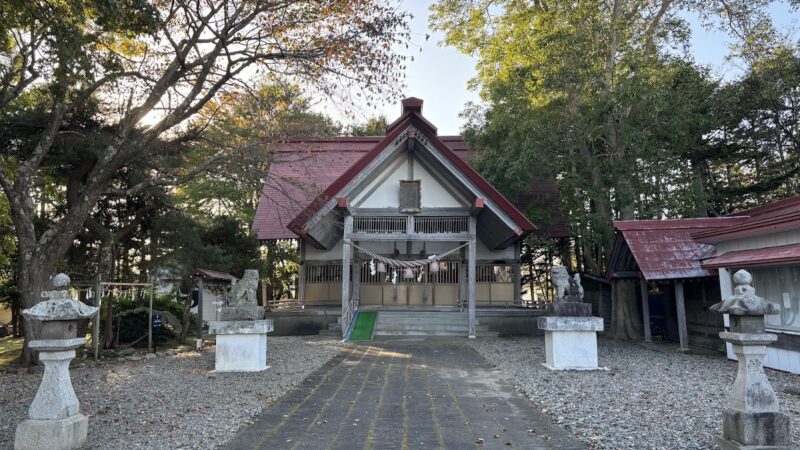
The current shrine buildings were renovated during the Edo period and refurbished from the Meiji to Showa periods. They are built to withstand Hokkaido’s harsh climate, maintaining the traditional style of shrine architecture while incorporating features adapted to the local characteristics.
Torii Gate and Approach
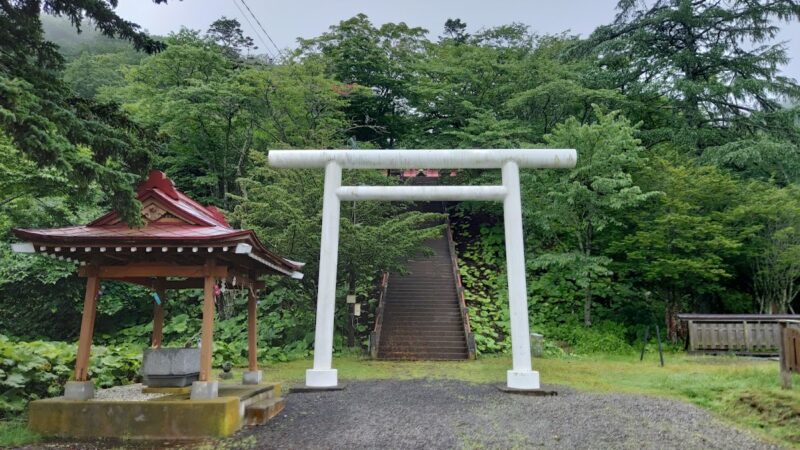
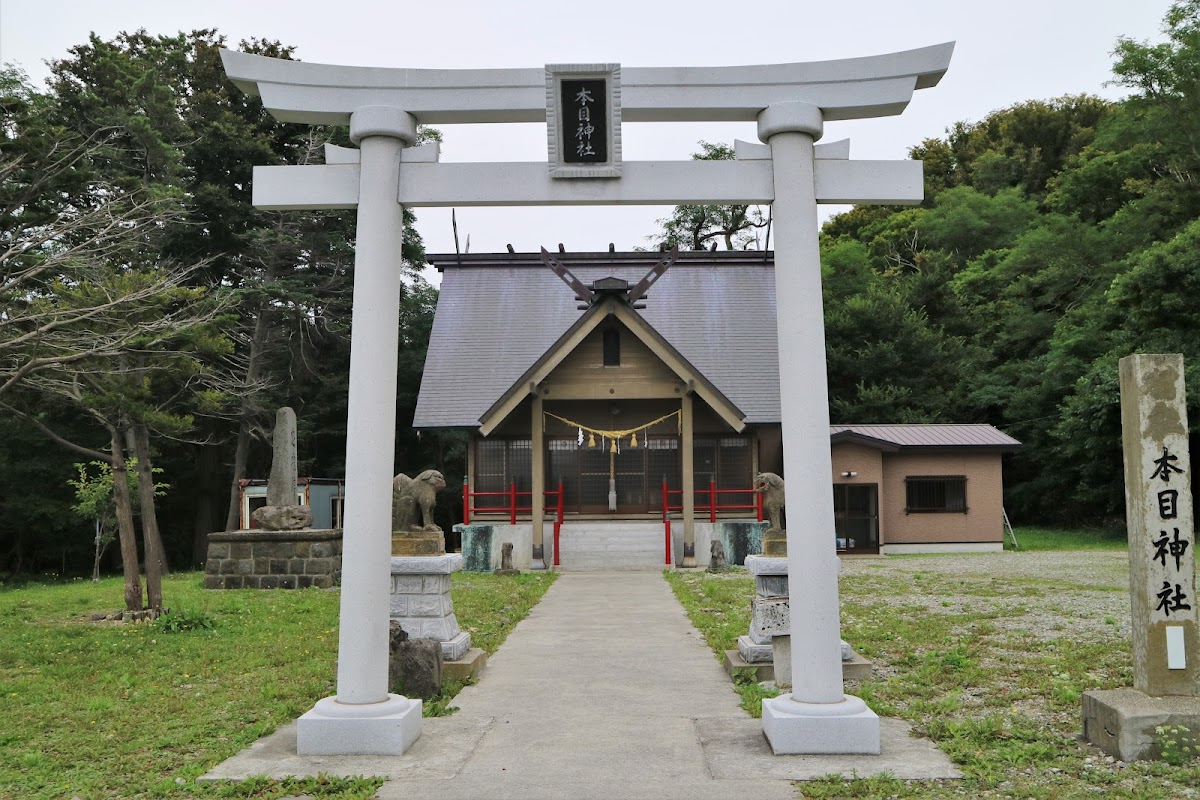
The torii gate, which marks the entrance to the shrine grounds, is an important structure indicating the entrance to the sacred area. As you proceed along the approach, stone lanterns and guardian lion-dogs are placed on both sides, creating a sacred atmosphere.
Subsidiary Shrines
In addition to the main shrine building, there are subsidiary shrines such as an Inari shrine and an Ebisu hall, demonstrating the coexistence of diverse beliefs. This reflects its character as a comprehensive place of worship that responds to the various wishes of the local residents.
About Shimamaki Village
Shimamaki Village, where Itsukushima Shrine is located, is the southernmost village in the Shiribeshi General Subprefectural Bureau area of Hokkaido. ### Geography and Nature
Shimamaki Village faces the Sea of Japan, with a coastline stretching approximately 45 km. About 90% of the village’s area is covered by forests, resulting in a rich natural environment. In particular, the natural scenery of the Chihaze River and Motsuta Cape is beautiful and attracts attention as a tourist resource.
Industry and History
Fishing
Shimamaki Village’s main industry is fishing. Blessed with abundant marine resources such as Atka mackerel, squid, sea urchins, and abalone, the village has developed around fishing since ancient times. The fact that Itsukushima Shrine enshrines the god of the sea is closely related to the industrial structure of this region.
History of Settlement
The settlement of Shimamaki Village began in the late Edo period. During the Matsumae Domain era, Japanese settlement was already observed, and full-scale development progressed from the Meiji era onward. Itsukushima Shrine is a shrine that has walked hand in hand with this history of settlement.
Culture and Tradition
Shimamaki Village has many cultural heritage sites that convey the history of the region, including the cultural properties of Itsukushima Shrine. Furthermore, traditional events and festivals related to fishing are still passed down today, forming the identity of the region.
Access Information
Location
Address: 4 Tomari, Shimamaki Village, Shimamaki District, Hokkaido
Transportation Access
Access by Car
- Approximately 3 hours 30 minutes from Sapporo via National Route 5 and National Route 229
- Approximately 2 hours 30 minutes from Hakodate via National Route 5 and National Route 229
- Approximately 1 hour 30 minutes from the nearest interchange: Kuromatsunai JCT (Dōō Expressway)
Public Transportation
Public transportation access to Shimamaki Village is limited, so visiting by car is recommended. Since the nearest bus stop is also a considerable distance away, it is advisable to check transportation options in advance.
Points to Note When Visiting
- You are free to visit the shrine grounds, but please cooperate in the protection of cultural properties.
- Please be aware of the timing of your visit, as there may be snow in winter.
- The opening hours of the shrine office may be irregular, so we recommend checking in advance if you wish to receive a Goshuin (shrine stamp).
Itsukushima Shrines in Hokkaido
In addition to Shimamaki Village, there are several Itsukushima Shrines in Hokkaido. These all originate from people who migrated from Honshu during the Hokkaido pioneering period, bringing their homeland’s faith to their new home.
Main Itsukushima Shrines
Itsukushima Shrine (Kaminai Village)
The Itsukushima Shrine located in Kaminai Village, Koyu District, Hokkaido, is also known as “Kaminai Itsukushima Shrine.” Situated in an area facing the Sea of Japan, it is worshipped as the guardian deity of fishing.
Itsukushima Shrine (Usujiri-cho, Hakodate City)
The Itsukushima Shrine in Usujiri-cho, Hakodate City, is known as “Usujiri Itsukushima Shrine” and is a center of worship for the region facing the Tsugaru Strait.
Itsukushima Shrine (Hakodate City)
Located in the heart of Hakodate city, near the Hakodate Dockmae tram station, Itsukushima Shrine is believed to have been founded in the early Edo period and was formerly known as Benten Shrine. It was renamed Ichikishima Shrine in 1871 (Meiji 4) and later became Itsukushima Shrine. Historical structures, such as a torii gate donated in 1837 (Tenpo 8), remain.
Itsukushima Shrine (Kushiro City)
The Itsukushima Shrine in Kushiro City is known as “Kushiro Province’s Ichinomiya” and was founded in 1805 (Bunka 2) by inviting a divided spirit from the Itsukushima Shrine in Aki Province (present-day Hiroshima Prefecture). Itsukushima Shrine, which gained reverence alongside the development of Kushiro’s fishing industry, remains a representative shrine of Kushiro today.
Itsukushima Shrine (Furubira Town)
An Itsukushima Shrine is also located in Furubira Town, Shiribeshi Subprefecture, and is a center of local faith.
Characteristics of Itsukushima Shrines in Hokkaido
The following points are common characteristics of Itsukushima Shrines in Hokkaido:
- Connection to Fishing Faith: All are located in coastal areas and are centers of faith praying for fishing safety and abundant catches.
- Founded during the Settlement Period: Many were founded from the late Edo period to the Meiji era, and are closely related to the history of Hokkaido’s development.
- Invitation from Honshu: In particular, many were invited from Itsukushima Shrine in Hiroshima Prefecture, indicating that settlers brought their homeland’s faith to their new land.
- Center of the Local Community: The shrine is not merely a place of worship; it has served as the core of community formation for immigrants and contributed to the development of local culture.
Summary
Itsukushima Shrine in Shimamaki Village, Shimamaki District, Hokkaido, is a historical shrine dating back to the Edo period, and has played a vital role as the center of local faith and culture.
Importance of Itsukushima Shrine
- Historical Value: Records of renovations in 1803 (Kyowa 3) and 1837 (Tenpo 8) remain, conveying the state of religious belief in Hokkaido during the late Edo period.
- Treasure Trove of Cultural Assets: It possesses five village-designated tangible cultural properties, preserving a diverse range of cultural assets including a “Four Seasons Haiku” plaque, stone lanterns, guardian lion-dogs, an Ebisu statue, and a votive drum.
- Diversity of Beliefs: While the Munakata Three Goddesses are the main deities, the shrine also enshrines Ukanomitama-no-Mikoto, Konohanasakuya-hime-no-Mikoto, and Kotoshironushi-no-Mikoto, giving it the character of a comprehensive guardian deity that responds to the diverse wishes of local residents, such as maritime safety, abundant harvests, and business prosperity.
- Connection to the Community: Deeply connected to the industrial structure of Shimamaki Village, which is centered on fishing, it has functioned as a spiritual pillar of the local community.
Position within the Hokkaido Itsukushima Shrine Group
The Itsukushima Shrine in Shimamaki Village is one of the Itsukushima Shrines located throughout Hokkaido, and is an important example showing the spread of faith and the formation of regional culture in the history of Hokkaido’s development. Along with Itsukushima Shrines in Kaminai Village, Hakodate City, Kushiro City, and Furubira Town, it conveys the history of maritime worship and development in Hokkaido to the present day.
Future Prospects
The Itsukushima Shrine in Shimamaki Village is an important base for inheriting the history and culture of the region in a rural area facing depopulation. The proper preservation and utilization of the village-designated cultural property, and the transmission of faith and tradition to future generations, will be key challenges. At the same time, its value as a tourist resource is also recognized, and it holds the potential to contribute to regional development alongside Shimamaki Village’s nature and industries.
Visiting Itsukushima Shrine is not simply about paying respects at a shrine; it’s a valuable opportunity to experience Hokkaido’s pioneering history, fishing culture, and the history of the local community. Why not experience this place of worship, which has continued since the Edo period, amidst the beautiful natural environment facing the Sea of Japan?