Complete Guide to Moseushi Shrine: The Charm and Visiting Information of a Historic Shrine in Iwamizawa City, Hokkaido
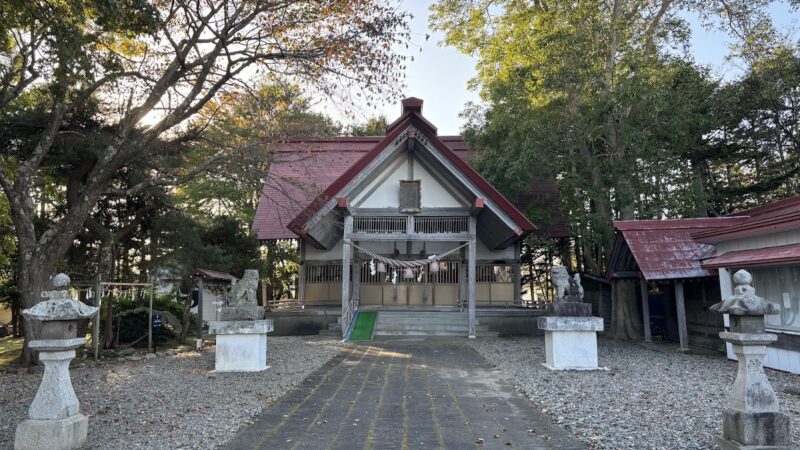
Moseushi Shrine is a historic shrine located in Kurisawa-cho, Iwamizawa City, Hokkaido. Founded during the Meiji era’s Hokkaido pioneering period by settlers from Toyama Prefecture, it has grown alongside the development of the region. This article provides detailed information useful for visitors, including the history of Moseushi Shrine, its enshrined deities, annual events, and access methods.
Basic Information on Moseushi Shrine
Moseushi Shrine is located at 577 Moseushi, Kurisawa-cho, Iwamizawa City, Hokkaido, and belongs to the Hokkaido Shrine Association. The place name “Moseushi” is said to originate from the Ainu language, a name that evokes the history of Hokkaido.
The area surrounding the shrine is blessed with a rich natural environment, allowing visitors to enjoy beautiful scenery throughout the seasons. It remains a center of faith for local residents and is carefully preserved as an important cultural heritage site that conveys the history of Hokkaido’s pioneering. ### Location and Contact Information
- Address: 577 Moseushi, Kurisawa-cho, Iwamizawa City, Hokkaido
- Affiliation: Hokkaido Shrine Association
- Shrine Rank: Former Unranked Shrine
History and Founding of Moseushi Shrine
The history of Moseushi Shrine is closely linked to the development of Hokkaido during the Meiji era. At the time of settlement, settlers from Toyama Prefecture invited the gods of their homeland, marking the beginning of this shrine.
Background of Founding
During the Meiji era, as the development of Hokkaido intensified, many settlers from Honshu migrated to Hokkaido in search of a new life. Many people from Toyama Prefecture also settled in Moseushi, working diligently to cultivate the land in a harsh natural environment.
The settlers faced anxiety about being away from their homeland and the difficulties of life in undeveloped land. Under these circumstances, they decided to invite a divided spirit from their hometown shrine as a source of spiritual support and to pray for the success of their pioneering efforts.
The Footsteps of the Founders
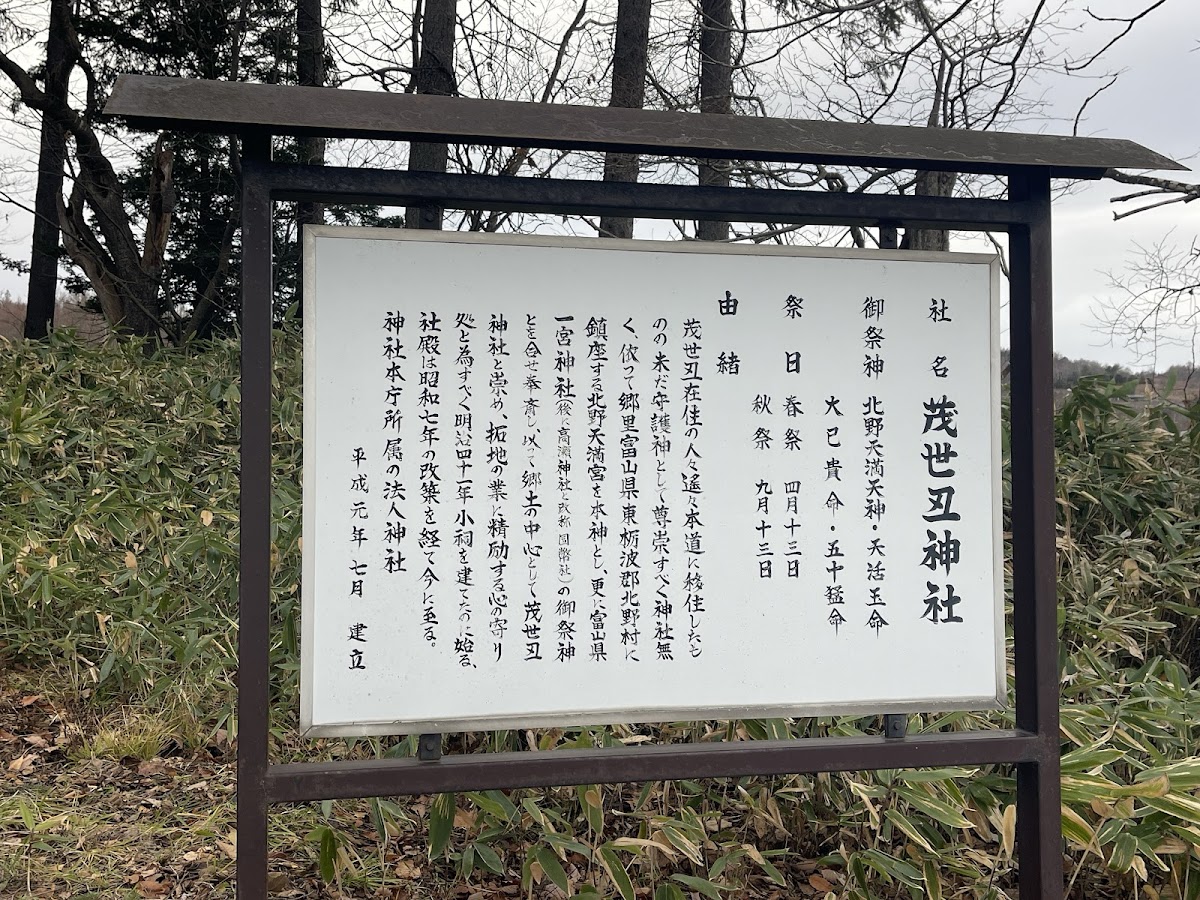
Three men from Toyama Prefecture—Kichizaemon Saito, Sonokichi Ogawa, and Seisaku Ito—played a central role in the founding of Shigeuchi Shrine. They planned to invite a divided spirit from shrines in Kitano Village and Takase Village, Higashi-Tonami District, Toyama Prefecture, their hometown.
The pioneering of Hokkaido at that time was fraught with unimaginable difficulties. The harsh winters, undeveloped wilderness, and limited resources—in such an environment, the settlers helped each other and proceeded with pioneering, finding strength in their faith in the gods of their hometown.
Founding in Meiji 40
Shigeuchi Shrine was officially founded on March 25, Meiji 40 (1907). The shrine was established by inviting the deities of Kareki Tenjin (a divided spirit of Kitano Shrine in Kyoto Prefecture), located in Kitano Village, Higashi-Tonami District, Toyama Prefecture, and the deities of Takase Shrine, the Ichinomiya (first-ranked shrine) of the prefecture, located in Takase Village.
Approximately a year and a half after its founding, on August 20, 1908 (Meiji 41), the completion notification was submitted, and the shrine was officially established. This completion was a significant achievement for the settlers in their pioneering efforts and symbolized the establishment of the local community.
Deities and Divine Virtues
The Shigeuchi Shrine enshrines the deities of two shrines invited from Toyama Prefecture. Let’s take a closer look at the history and divine virtues of each shrine.
Divine Spirit of Kareki Tenjin (Kitano Shrine)
Kareki Tenjin is a shrine that enshrines a divided spirit of Kitano Tenmangu Shrine in Kyoto. The main deity is Sugawara no Michizane, known as the god of learning.
Divine Virtues of Sugawara no Michizane:
- Academic Achievement and Prayer for Passing Exams
- Improvement in Literary Arts
- Virtue of Sincerity and Honesty
- Protection from Evil and Disaster
During the pioneering period of Hokkaido, education was a crucial factor in determining the future of the next generation of children. It is believed that the settlers’ inviting of the god of learning reflected a strong desire for the education of their descendants and the cultural development of the region.
Divine Spirit of Takase Shrine
Takase Shrine is the Ichinomiya (first-ranked shrine) of Etchu Province, located in Nanto City, Toyama Prefecture, and has been deeply revered in the Hokuriku region since ancient times. The main deity is Ōnamuchi-no-Mikoto, also known as Ōkuninushi-no-Mikoto.
Divine Virtues of Ōkuninushi-no-Mikoto:
- Pioneering and Good Fortune
- Abundant Harvests and Protection of Agriculture
- Business Prosperity
- Matchmaking and Family Safety
- Medical Care and Healing
In the undertaking of pioneering, the protection of Ōkuninushi-no-Mikoto, the god of the land and agriculture, was indispensable. The settlers desperately needed the divine virtues of this god to cultivate farmland and grow crops in the harsh natural environment.
Annual Events and Festival
At Moseiushi Shrine, various Shinto rituals are performed throughout the year. These events play an important role in preserving local traditions and deepening community bonds.
Annual Festival (September 13th)
The annual festival of Moseiushi Shrine is held every year on September 13th. The annual festival is the most important festival for the shrine, offering gratitude to the enshrined deity and praying for peace and prosperity in the region.
On the day of the annual festival, a solemn ceremony is held by Shinto priests, attended by parishioners and local residents. Held before the autumn harvest season, it also expresses gratitude for a bountiful harvest and prayers for safe completion of the remaining farm work.
New Year’s Festival (January 1st)
The New Year’s Festival is an important Shinto ritual held at the beginning of the year. Prayers are offered for peace and prosperity in the new year, and for the health and happiness of parishioners and worshippers.
The New Year, celebrated amidst Hokkaido’s harsh winter, has held special significance since the time of settlement. This festival embodies gratitude for safely surviving the long winter and welcoming the new year, as well as hope for the coming spring.
Spring Festival
The Spring Festival celebrates the arrival of spring with the melting snow and prays for a bountiful harvest at the start of the year’s farming work.
Spring arrives later in Hokkaido compared to Honshu, but the end of winter and the beginning of spring bring great joy to the people. The Spring Festival is an important event expressing gratitude for nature’s bounty and anticipation for the new season.
Harvest Thanksgiving Festival (Autumn)
The Harvest Thanksgiving Festival is a celebration of thanksgiving to the gods for the year’s harvest. The first fruits are offered to the gods, and gratitude for the abundant harvest is expressed.
Considering the harsh agricultural environment of the pioneering era, gratitude for the harvest was even more poignant than it is today. This festival is an important event that conveys the hardships and gratitude of our ancestors to the present day.
The Connection Between the Place Name “Moseushi” and the Ainu Language
The place name “Moseushi,” like many place names in Hokkaido, is thought to originate from the Ainu language. Studying Ainu place names provides important clues to understanding the history of Hokkaido.
Characteristics of Ainu Place Names
Ainu place names often describe the topography and natural features of the land, and there are various interpretations of “Moseushi.” Generally, “ushi” is thought to mean “many” or “growing in groups.”
Various theories have been proposed by place-name researchers, but a definitive interpretation has not yet been reached. However, the place name itself is valuable evidence that the Ainu people lived in this area before the Japanese settled there.
History Before Settlement
Before the founding of the Shigeuchi Shrine, the Ainu people lived in this area. The Meiji-era settlement also involved the Japanese settling in the living area of the indigenous Ainu people.
To understand the current history of the Shigeuchi Shrine, it is important to recognize the history and culture that existed in this area before settlement. The Ainu words remaining in the place name convey this layered history to the present day.
History and Development of Kurisawa-cho, Iwamizawa City
Kurisawa-cho, Iwamizawa City, where the Shigeuchi Shrine is located, played an important role in the history of Hokkaido’s development.
History of Kurisawa-cho’s Development
The development of Kurisawa-cho began in earnest in the mid-Meiji era. Many settlers came from the Hokuriku region, including Toyama Prefecture. They utilized their agricultural techniques from their homeland while developing agriculture adapted to Hokkaido’s climate.
Initially, the area was undeveloped and covered in primeval forest, but through the diligent efforts of the settlers, farmland gradually expanded and settlements formed. The founding of the Shigeuchi Shrine symbolized this progress in development and the establishment of the local community.
Merger with Iwamizawa City
Kurisawa Town existed as an independent municipality for a long time, but on March 27, 2006, it merged with Iwamizawa City and is now part of Iwamizawa City. Even after the merger, the region’s unique characteristics have been preserved, and the Shigeuchi Shrine is positioned as an important presence that conveys the history and traditions of the Kurisawa area.
Current Kurisawa Area
The current Kurisawa area, while having agriculture as its core industry, is also a part of Iwamizawa City and possesses urban functions. Agriculture, primarily rice cultivation, thrives in this region, which is known as one of Hokkaido’s leading granaries.
The Shigeuchi Shrine is located in the heart of this agricultural area and is carefully preserved as a spiritual pillar of the region and a cultural heritage site that tells the history of its development.
Deep Connections with Toyama Prefecture
When discussing the history of Shigeuchi Shrine, its connection to Toyama Prefecture is indispensable. Let’s look at the relationship between Toyama Prefecture, the hometown of the shrine’s founders, and Hokkaido.
Migration from Toyama Prefecture to Hokkaido
During the Meiji era, many people migrated from Toyama Prefecture to Hokkaido. Toyama Prefecture was one of the regions in the Hokuriku region with a particularly large number of migrants to Hokkaido.
The background to this migration included population growth and a shortage of arable land in Toyama Prefecture, as well as the Meiji government’s Hokkaido development policy. Many people from Toyama Prefecture dreamed of success in a new land and moved to Hokkaido with their families.
Settlers from Higashi-Tonami District
The three men who founded the Moseiushi Shrine—Kichizaemon Saito, Sonokichi Ogawa, and Seisaku Ito—were from Higashi-Tonami District in Toyama Prefecture. Higashi-Tonami District is the area centered around present-day Nanto City and was a traditional agricultural region.
They settled in Hokkaido, bringing with them the agricultural skills and diligent spirit they had cultivated in their hometown, and successfully pioneered the land despite the harsh environment. At the same time, they carefully preserved the culture and beliefs of their hometown, which culminated in the founding of the Moseiushi Shrine.
Connection to Hometown Shrines
The Kareki Tenjin and Takase Shrines, which were enshrined at the Moseiushi Shrine, were both shrines located in Higashi-Tonami District, Toyama Prefecture. For the settlers, enshrining the divided spirits of their hometown shrines was an important act of maintaining a spiritual connection to their homeland, even in the distant land of Hokkaido.
Even today, a historical and spiritual connection exists between Shigeuchi Shrine and other shrines in Toyama Prefecture. This connection is a valuable example of cultural exchange between Honshu and Hokkaido during the history of Hokkaido’s development.
Visiting Information and Access
This section provides information on visiting Shigeuchi Shrine and how to access it.
Access Information
Access by Car:
- From Sapporo: Take National Route 12 towards Iwamizawa, then from Iwamizawa city center towards Kurisawa (approximately 30 minutes).
- From Asahikawa: Take National Route 12 towards Iwamizawa, via Kurisawa (approximately 1 hour 30 minutes).
- Parking: Parking is available for visitors within the shrine grounds.
Access by Public Transportation:
- Take a bus or taxi from JR Hakodate Main Line Iwamizawa Station.
- Approximately 20-30 minutes from Iwamizawa Station.
Precautions When Visiting
When visiting shrines in Hokkaido, please be aware of seasonal climate differences.
Winter (November-March):
- Heavy snowfall can cover the shrine grounds.
- Please wear warm clothing and non-slip shoes.
- Depending on snow removal conditions, visiting the shrine may be difficult.
Spring (April-May):
- The ground can become slippery during the snowmelt season.
- Rain boots or waterproof shoes are recommended.
Summer (June-August):
- This is a relatively easy season to visit the shrine.
- Insect repellent is recommended for a more comfortable experience.
Autumn (September-October):
- The period around September 13th, when the annual festival is held, offers a special atmosphere.
- This is also a beautiful season for viewing autumn leaves.
Etiquette for Visiting a Shrine
The basic etiquette for visiting a shrine is as follows:
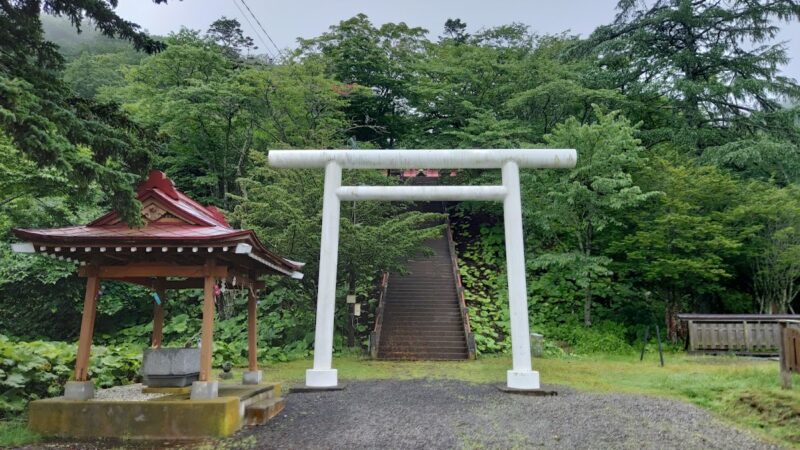
- Bow before passing through the torii gate.
- Avoid walking in the center of the path.
- Purify your body and mind at the water basin (may be unusable in winter due to freezing).
- Two bows, two claps, one bow in front of the main hall.
- Bow once after passing through the torii gate on your way out.
Hokkaido Shrine Association and Moseiushi Shrine
Moseiushi Shrine is one of the shrines belonging to the Hokkaido Shrine Association. The Hokkaido Shrine Association is an organization that oversees shrines in Hokkaido, and is responsible for the maintenance and management of shrines, the training of Shinto priests, and the dissemination of Shinto culture.
Role of the Hokkaido Shrine Association
The Hokkaido Shrine Association supports shrines throughout the region that were established along with the development of Hokkaido since the Meiji era, and plays an important role in preserving the traditions of shrine Shinto.
It engages in a wide range of activities, including guidance on festivals at each shrine, training of Shinto priests, protection of cultural properties, and cooperation with local communities. For small shrines like Moseiushi Shrine, the support of the Shrine Association is indispensable for the maintenance and operation of the shrine.
Shrine Policy during the Development Period
During the development of Hokkaido in the Meiji era, shrines played a role beyond that of mere religious facilities. The existence of shrines was considered important as the center of the settler community and as the spiritual pillar of the development area. The government encouraged the construction of shrines, and many were built throughout the region. Shigeuchi Shrine was founded within this historical context and has contributed to the development of the local community.
Nearby Tourist Attractions and Highlights
Here are some nearby tourist attractions you might want to visit when you come to Shigeuchi Shrine.
Highlights of Iwamizawa City
Iwamizawa Station: The modern station building, designed by architect Hiroshi Nishimura, has won the Good Design Award. It’s noteworthy as an architectural structure that balances snow protection with beautiful design, especially for a station in a snowy region.
Iwamizawa Park: A large, comprehensive park with a rose garden, campground, and indoor park. Visitors can enjoy the changing seasons.
Hokkaido Greenland: A comprehensive leisure facility with an amusement park and park golf course. A popular spot for families.
Historical Buildings in the Kurisawa Area
The Kurisawa area is dotted with buildings and historical sites that tell the history of the pioneering era. Visiting this shrine in conjunction with Shigeuchi Shrine will allow you to gain a deeper understanding of the region’s history.
Surrounding Natural Environment
The Kurisawa area is blessed with abundant nature. A rural landscape unfolds, offering beautiful scenery throughout the seasons. The fresh greenery of spring, the lush green rice paddies of summer, the golden rice fields of autumn, and the snowy winter scenery each possess their own unique charm.
The Role of Shrines in Hokkaido’s Development
The history of Shigeuchi Shrine is also a part of the history of Hokkaido’s development. We will examine the role of shrines during the pioneering period.
Shrines as Spiritual Support
Life in undeveloped land was accompanied by unimaginable difficulties. The harsh winter cold, agriculture in unfamiliar land, and limited resources. In such an environment, shrines became a spiritual support for the settlers.
By enshrining a divided spirit of their hometown shrine, they could feel a connection to their homeland even in the distant land of Hokkaido. Furthermore, festivals and events at the shrines served as gathering places for settlers to exchange information and provide mutual assistance.
Center of the Community
Shrines were not only religious institutions but also the center of local communities. Annual festivals and events provided valuable opportunities for scattered settlers to gather together, fostering a sense of community.
Especially in the early stages of settlement, when administrative agencies and public facilities were not fully developed, shrines often functioned as the de facto center of the region.
Transmission of Culture
Shrines also played a role in transmitting the culture and traditions of their homeland to Hokkaido. The etiquette of festivals, performing arts such as Kagura and Gagaku, and various customs related to festivals—these were passed down to future generations through shrines, becoming elements that shaped Hokkaido’s cultural diversity.
The fact that a divided spirit of a shrine from Toyama Prefecture is enshrined at Shigeuchi Shrine is an example of how Hokkaido’s culture is an accumulation of cultures from various parts of Honshu.
Significance of Shigeuchi Shrine in the Modern Era
More than 100 years have passed since its founding. What significance does Shigeuchi Shrine hold today?
A Witness to History
Moseiushi Shrine is a precious cultural heritage site that conveys the history of Hokkaido’s development. The very existence of the shrine tells the story of the hardships and faith of the Meiji-era settlers, and the history of the region’s development.
Our comfortable lives today are only possible because of the extraordinary efforts of our ancestors. Visiting Moseiushi Shrine provides an opportunity to reflect on this history.
Community Bonds
Even today, Moseiushi Shrine functions as a place of faith and interaction for local residents. Annual festivals and events provide opportunities for people to gather and deepen their bonds.
In rural areas facing depopulation and an aging population, the existence of a spiritual pillar like a shrine is crucial for maintaining the community.
Cultural Identity
Moseiushi Shrine is the core of the cultural identity of the Kurisawa district. The history of settlement from Toyama Prefecture, the hardships of development, and the region’s development—these historical memories are passed down to the present day through the shrine.
Learning about local history and culture leads to an understanding of one’s roots and a deeper attachment to the community. Shigeuchi Shrine plays a crucial role in this kind of local history education.
Preservation and Transmission of Shigeuchi Shrine to Future Generations
There are various challenges in passing on a historical shrine to future generations.
Maintenance Challenges
Maintaining a small shrine requires considerable effort and expense. Daily management, such as building repairs, cleaning the grounds, and conducting festivals, requires the cooperation of local residents.
With declining and aging populations, how to continue this maintenance is a common challenge faced by many local shrines.
Transmission to the Next Generation
Passing on the history and significance of the shrine to future generations is also a crucial challenge. It is essential for young people to take an interest in local history and understand the value of the shrine for long-term preservation.
Providing opportunities to learn about the history of Shigeuchi Shrine through school education and community activities will contribute to transmission to future generations.
Creating New Value
While preserving tradition, it is also important to create new value in modern society. Various initiatives can be considered, such as utilizing it as a tourist resource, holding cultural events, and creating digital archives.
Recognizing Shigeuchi Shrine not merely as a relic of the past, but as a living culture, will lead to sustainable preservation.
Summary: The Pioneer Spirit Conveyed by Shigeuchi Shrine
Shigeuchi Shrine is a valuable cultural heritage site that conveys an important chapter in modern Japanese history: the development of Hokkaido during the Meiji era. The history of settlers from Toyama Prefecture who invited the gods of their homeland and pioneered the region in a harsh environment teaches us many things today.
The diligence of our ancestors, their love for their homeland, their passion for pioneering, and their faith—these are all passed down to the present day in the form of Shigeuchi Shrine. Visiting the shrine has meaning beyond mere sightseeing or worship. It is an act of knowing our roots, reflecting on the hardships of our ancestors, and connecting history to the future. When you visit Kurisawa-cho in Iwamizawa City, Hokkaido, be sure to stop by Shigeuchi Shrine. Standing in the tranquil grounds, surrounded by nature, and reflecting on the spirit of the pioneers from over 100 years ago, will surely be a memorable experience.
Shigeuchi Shrine will continue to stand quietly in the land of Kurisawa, serving as a bridge connecting the past, present, and future.