Numata Shrine (Numata-cho, Uryu-gun, Hokkaido) Complete Guide | History, Deities, Annual Festival, and Access Information
Numata Shrine, located in Numata-cho, Uryu-gun, Hokkaido, is a historic shrine that preserves the history of the Meiji era’s pioneering efforts. Founded by immigrants from Toyama Prefecture, this shrine has grown alongside the town’s development and remains a beloved guardian deity of the region. This article comprehensively covers everything you need to know before visiting Numata Shrine, including its detailed history, enshrined deities, annual festival, connection to the Yotaka Andon Festival, and access information.
Basic Information about Numata Shrine
Location: 1-71, Kita 1-jo 5-chome, Numata-cho, Uryu-gun, Hokkaido 078-2205
Former Shrine Rank: Gosha (Village Shrine)
Deity Enshrined: Amaterasu Omikami
Annual Festival Date: September 10th
Nearest Station: Ishikari-Numata Station, JR Rumoi Main Line
Numata Shrine belongs to the Hokkaido Shrine Association and is a representative shrine of Numata-cho, Uryu-gun, attracting the faith of the local community. Within the shrine grounds is the Numata-cho Kaitakusha (Numata Town Development Shrine), dedicated to Numata Kisaburo, the founder of Numata-cho’s development, making it an indispensable place when discussing the town’s history.
History and Origins of Numata Shrine
Founding History (Meiji 27)
The history of Numata Shrine begins in Meiji 27 (1894). The origin of this shrine dates back to when Kisaburo Numata invited 18 families to settle in the Tappu Plain. He enshrined a divided spirit of Ise Grand Shrine, which he had brought from his hometown, in a bamboo-gathering hut.
At that time, the development of Hokkaido was extremely difficult, and for the settlers navigating a harsh natural environment, the existence of a shrine as a spiritual anchor was crucial. Enshrining the divided spirit of Ise Grand Shrine helped maintain a spiritual connection with their distant homeland and provided them with courage and hope for the pioneering effort.
Construction of the First Shrine (Meiji 28)
The following year, in Meiji 28 (1895), a small shrine was built at the location of the Reclamation Commission Company, and the deity was formally enshrined as the guardian deity of the pioneers. This small shrine was the first full-fledged shrine facility built by the settlers working together, and it also served as the center of the community.
Relocation to Numata Hill
Following the town’s development, the shrine was relocated to Numata Hill. Simultaneously with this relocation, a new shrine building was constructed, and Higashiryu Shrine was also enshrined there. This merging with Higashiryu Shrine symbolized the integration of local faith and the creation of a stronger spiritual foundation.
Relocation to Current Location (Showa Era)
In the Showa era, Numata Shrine was relocated to its current location at Kita 1-jo 5-chome, and a new worship hall was constructed. This relocation resulted in its current position in the town center, creating an environment more easily accessible to a wider range of townspeople.
About the Enshrined Deity
Amaterasu Omikami
The enshrined deity of Numata Shrine is Amaterasu Omikami, the supreme deity in Japanese mythology. Amaterasu Omikami is the deification of the sun and is revered as the ancestral deity of the Imperial Family and the tutelary deity of all Japanese people.
Numata Shrine has a deep connection to Ise Grand Shrine because it enshrines a divided spirit of Ise Grand Shrine. The divided spirit, brought from their homeland by settlers from Toyama Prefecture, has been worshipped as a guardian spirit watching over the success of their pioneering efforts in the new land and the safety of the settlers.
Amaterasu Omikami is also known as the goddess of agriculture and national peace, making her the most suitable deity to enshrine in Numata Town, a former pioneering area, as a figure to pray for abundant harvests and regional prosperity.
Annual Festival and Events
Annual Festival (September 10th)
The annual festival of Numata Shrine is held every year on September 10th. The annual festival is the most important event at the shrine, a ceremony to express gratitude to the enshrined deity and pray for peace in the region.
On the day of the festival, a solemn ritual is performed by Shinto priests, and local residents and parishioners attend. The shrine is bustling with people offering prayers for various wishes, such as a bountiful harvest, family safety, and business prosperity.
Connection to the Numata Town Yotaka Andon Festival
Numata Town is nationally known for its “Yotaka Andon Festival.” This festival originated from a traditional festival in Toyama Prefecture, and was brought to Numata Town by immigrants who brought their hometown’s culture.
The Yotaka Andon Festival, where large lanterns parade through the town, is held annually in late August and is Numata Town’s largest event. Numata Shrine has a deep connection to the festival, serving as its spiritual backdrop and as a way to convey the immigrants’ longing for their hometown.
During the Yotaka Andon Festival, many worshippers visit Numata Shrine to pray for the festival’s success and safety. The shrine and the festival are important elements in forming Numata Town’s identity.
About the Numata Town Development Company
The Numata Town Development Company is located within the grounds of Numata Shrine. This shrine is dedicated to Numata Kisaburo, the founder of Numata Town’s development and the namesake of the town.
Numata Kisaburo was a pioneer from Toyama Prefecture who, in 1894 (Meiji 27), led 18 families to settle in the Tappu Plain. His contributions to cultivating the land and laying the foundation for present-day Numata Town, while battling the harsh natural environment, are immeasurable.
The Numata Town Development Company was established to express gratitude and respect for this great pioneer, and is an important place for learning about the town’s history. When visiting Numata Shrine, be sure to also visit the Development Company and reflect on the hardships and efforts of the pioneers.
Highlights of the Shrine Grounds
Main Hall
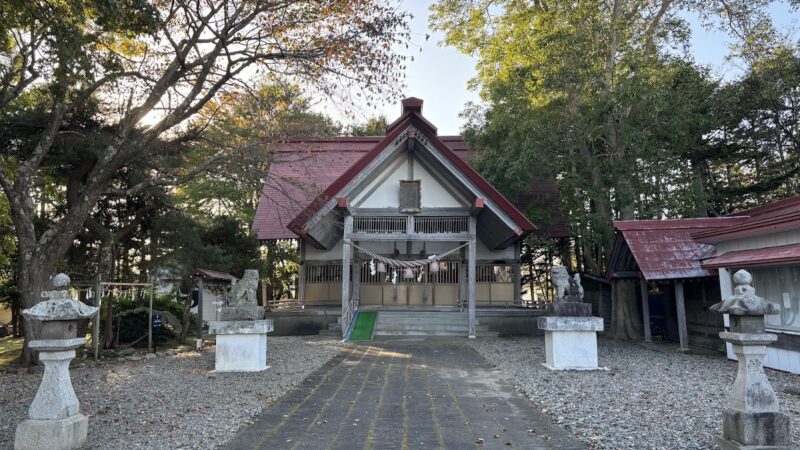
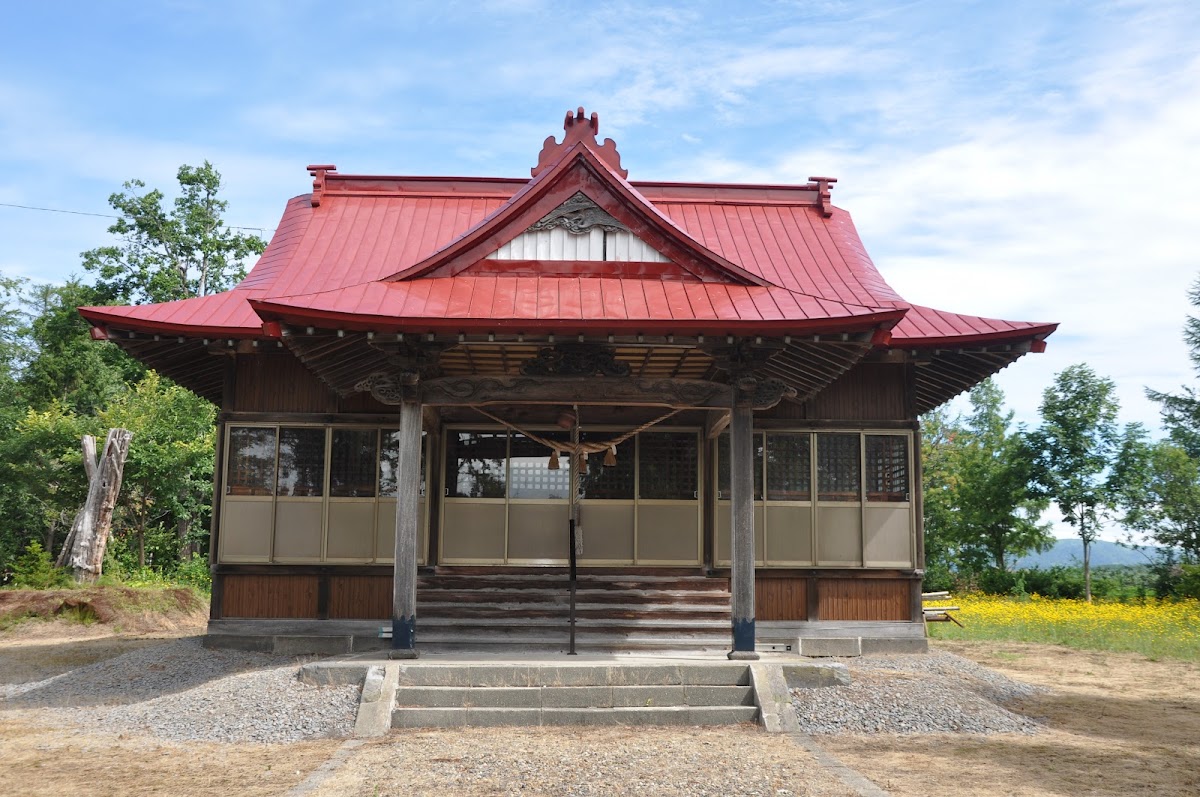
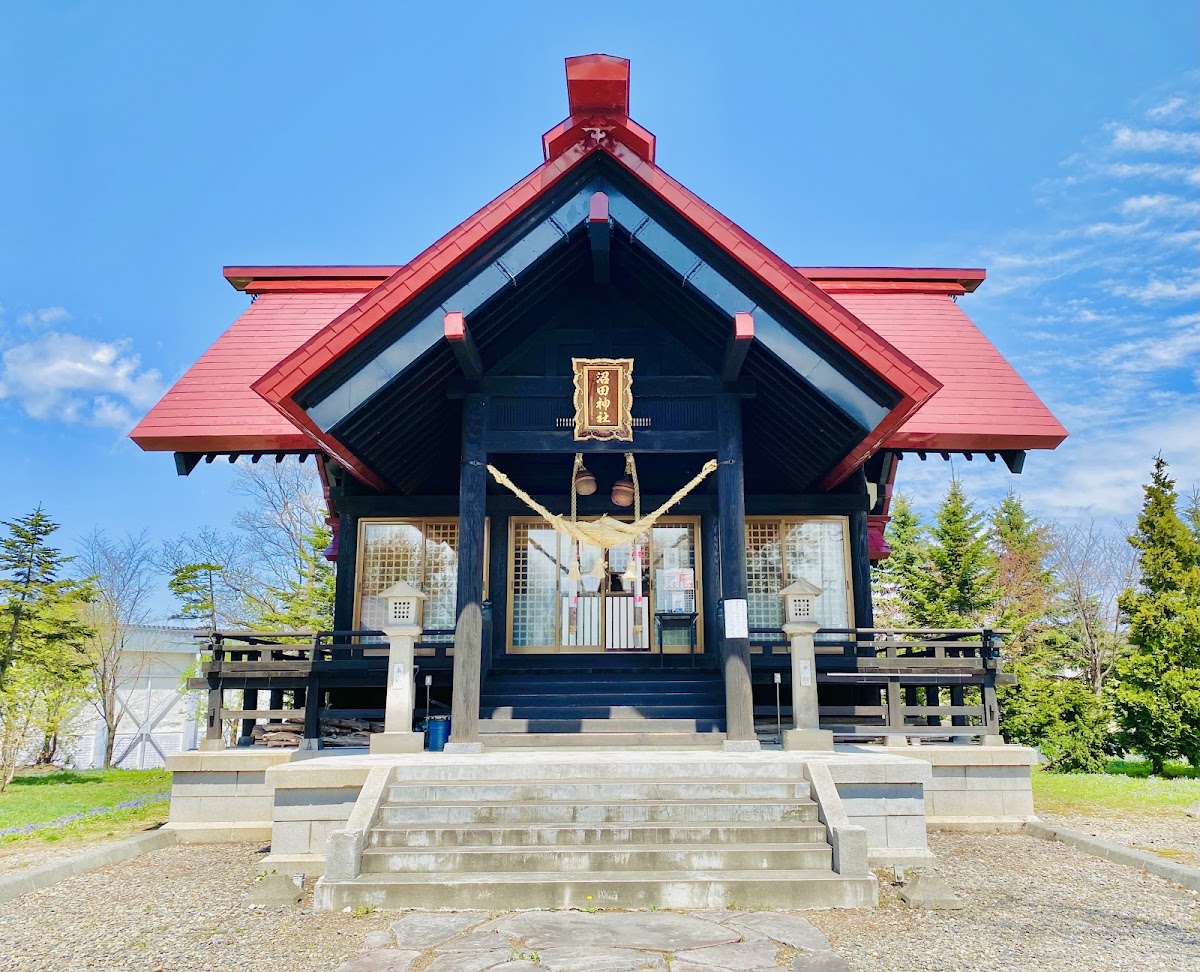
The current main hall, built during the Showa era, boasts a dignified appearance characteristic of Hokkaido shrine architecture. Its structure is built to withstand the harsh winter cold and snow, creating a simple yet solemn atmosphere.
At the front of the main hall, you should follow the proper etiquette for worship: two bows, two claps, and one bow. The time spent calming your mind in the tranquil grounds and offering gratitude and prayers to the enshrined deity will be a precious moment away from the hustle and bustle of everyday life.
Atmosphere of the Shrine Grounds
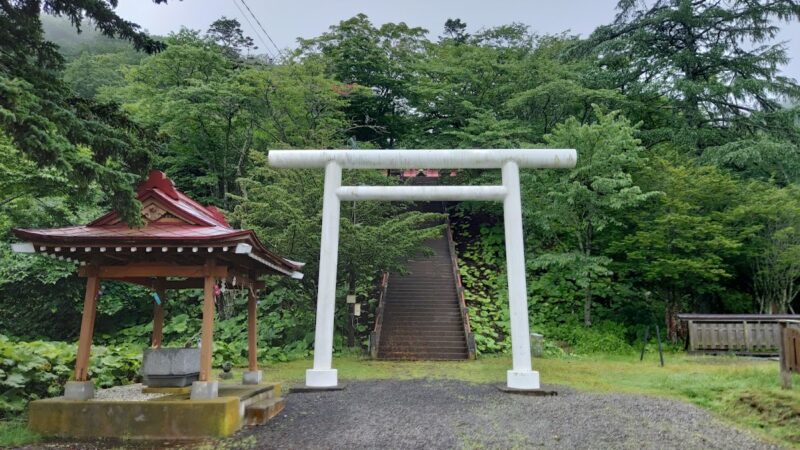
Numata Shrine’s grounds, while located in the heart of town, are enveloped in a serene atmosphere. Surrounded by trees, the grounds display different expressions throughout the seasons, offering particularly beautiful scenery during the fresh green season and the autumn foliage season.
The sight of the shrine grounds welcoming spring after Hokkaido’s long winter evokes a sense of nature’s unchanging rhythm since the pioneering era, conveying to visitors the changing seasons and the strength of life.
Access Information
Access by Public Transportation
Using the JR Rumoi Line: The nearest station is Ishikari-Numata Station on the JR Rumoi Line. Numata Shrine is approximately a 10-minute walk from the station. Leaving the station and heading towards the town center, you’ll find the shrine at Kita 1-jo 5-chome.
*Please note that the JR Rumoi Line has limited train service, so we recommend checking the timetable in advance.
Access by Car
From Sapporo: Head north on National Route 275, then turn onto National Route 233 from Fukagawa City. Enter Numata town and head towards Kita 1-jo 5-chome. The journey from central Sapporo takes approximately 2 hours.
From Asahikawa: Head west on National Route 233 towards Numata town. The journey from Asahikawa city takes approximately 1 hour.
Parking: There is parking available around the shrine, but congestion is expected during events such as the annual festival and the Yotaka Andon Festival. We recommend using public transportation or allowing ample time for your visit.
About Numata Town
Town Overview
Numata Town is a town of approximately 3,000 people located in Uryu District, in the northern part of the Sorachi region of Hokkaido. Agriculture is its main industry, with rice cultivation being particularly thriving, and it is also known as the “Village of Fireflies.”
The town’s name originates from the name of Numata Kisaburo, the founder of the town’s development, and the entire town is deeply intertwined with its history of pioneering. It possesses a unique regional character, a fusion of a rich natural environment and culture inherited from Toyama Prefecture.
Yotaka Andon Festival
As mentioned above, the biggest event that colors Numata Town’s summer is the Yotaka Andon Festival. Held annually in late August, this festival features large lanterns, some reaching 7 meters in height, parading through the town and engaging in magnificent “fights.”
Originating from the Yotaka Andon of Toyama Prefecture, this festival symbolizes how immigrants established their homeland’s culture in a new land. With a history of over 100 years, it has been designated a Hokkaido Heritage site. ### Tourist Spots
Besides Numata Shrine, Numata Town boasts numerous historical and natural attractions, including a firefly village, a fossil experience center, and a museum showcasing the town’s Meiji-era development. Exploring these spots in conjunction with your shrine visit will allow you to appreciate Numata Town’s charm even more.
Manners and Etiquette for Shrine Visits
Basic Shrine Visit Etiquette
When visiting a shrine, please observe the following basic etiquette:
- Bow before passing through the torii gate: As a sign of respect before entering the sacred area, bow before the torii gate.
- Walk along the edge of the path: The center of the path is considered the path of the gods, so walk along the edge.
- Purify yourself at the water basin: If there is a water basin, purify your left hand, then your right hand, and then your mouth.
- Etiquette at the main hall: Two bows, two claps, and one bow are the basic rituals. After placing your offering in the offering box and ringing the bell, bow deeply twice, clap your hands twice, and finally bow once more.
Clothing and Belongings
There are no specific dress code requirements, but it is desirable to wear modest attire that reflects the sacred nature of the place. Hokkaido’s climate differs from that of Honshu; even in summer, mornings and evenings can be chilly, so prepare appropriate clothing for the season.
During winter (November to March), snowfall and severe cold are expected, so it is important to prepare warm clothing and non-slip shoes.
About Goshuin (Shrine Seals)
Goshuin (shrine seals) are available at Numata Shrine. Goshuin are proof of your visit and serve as a tangible record of your connection with the shrine.
If you wish to receive a goshuin, please request it at the shrine office after your visit. However, availability is not always guaranteed, so if you want to be sure to receive a goshuin, it is recommended to check in advance through the Hokkaido Shrine Association or Numata Town Hall.
It is important to bring your goshuincho (seal book) and make your request politely. Remember that collecting Goshuin (temple/shrine stamps) is not merely a stamp rally, but a sacred act of forging a connection with the gods.
Nearby Shrines
Numata Town in Uryu District has three shrines, including Numata Shrine. When visiting Numata Shrine, it’s a good idea to visit the other shrines if you have time. Learning about the unique history and origins of each shrine will give you a deeper understanding of Numata Town’s religious culture.
The Pioneer Spirit Conveyed by Numata Shrine
Numata Shrine is not merely a religious facility, but a valuable cultural heritage site that conveys the history of Hokkaido’s development during the Meiji era. The history of immigrants from Toyama Prefecture, who, with longing for their distant homeland, battled the harsh natural environment and forged a new land, is etched into this shrine.
The story of its founding, in which a divided spirit of Ise Grand Shrine was enshrined in a bamboo mushroom gathering hut, speaks to the depth of the pioneers’ faith and their earnest desire for spiritual support. In the pioneering efforts that began in a barren wilderness, the shrine was not merely a place of prayer, but the center of the community and a symbol of hope.
The current development of Numata Town is built upon the efforts and sacrifices of these pioneers. Visiting Numata Shrine is an opportunity to reflect on the history of pioneering and to express gratitude to those who came before.
Summary
Numata Shrine, located in Numata Town, Uryu District, Hokkaido, has been revered as the guardian deity of the region for nearly 130 years since its founding in 1894 (Meiji 27). Beginning with the enshrinement of a divided spirit of Ise Grand Shrine by immigrants from Toyama Prefecture, this shrine, which has walked hand in hand with the town’s development, is a valuable presence that conveys the history and spirit of pioneering to the present day.
With Amaterasu Omikami as its enshrined deity, Numata Shrine, a prestigious local shrine, serves as a spiritual pillar of the community through its annual events, including the annual festival on September 10th. Furthermore, its deep connection to the Yotaka Andon Festival symbolizes the aspirations of the immigrants who rooted their hometown culture in a new land.
Its convenient location, within walking distance of JR Ishikari-Numata Station, is another attractive feature, making it an easily accessible shrine for Hokkaido tourists. Visiting the Numata Town Development Company within the shrine grounds will allow you to gain a deeper understanding of Numata Town’s history and culture.
Numata Shrine, rooted in the land of Hokkaido and conveying the pioneering spirit to the present day, offers a tranquil space where you can reflect on the efforts of those who came before you and offer your prayers in quiet contemplation.