Kyosei Shrine | A Complete Guide to the History, Deities, and Access of this Historic Shrine in Obihiro City, Hokkaido
About Kyosei Shrine
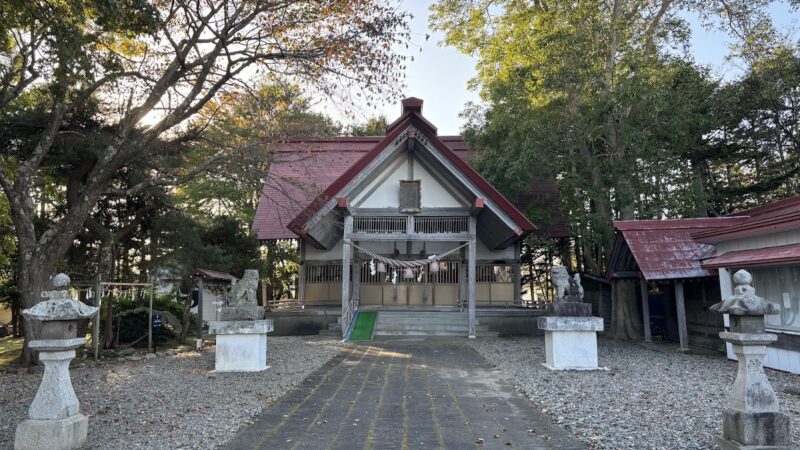
Kyosei Shrine is a shrine located in Toyo-cho, Obihiro City, Hokkaido. Founded in the Meiji era by pioneers who settled in Hokkaido from Ehime Prefecture, it is a historical shrine that has grown alongside the development of the region and continues to attract the faith of local residents.
Kyosei Shrine is a religious corporation belonging to the Association of Shinto Shrines and is under the jurisdiction of the Hokkaido Shrine Association. As the local guardian deity and an important cultural presence that conveys the history of pioneering, it plays an important role in the eastern region of Obihiro City.
Deities Enshrined at Kyosei Shrine
The following deities are enshrined at Kyosei Shrine:
Main Deity
The main deity of Kyosei Shrine is a divided spirit brought by the pioneers from their hometown of Ehime Prefecture (Iyo Province). This divided spirit has been carefully enshrined since the initial settlement in 1897 (Meiji 30), serving as a spiritual anchor for the settlers and an object of prayer for success and safety in their new land.
Divine Virtues
The divine virtues of Kyosei Shrine include protection of pioneering and agriculture, regional prosperity, family safety, and business success. In particular, it is revered as a deity that bestows the strength to face difficulties, inheriting the spirit of the pioneers who advanced the settlement in the harsh natural environment of Hokkaido.
History and Origins of Kyosei Shrine
Meiji Era: The Beginning of Settlement and Founding
The history of Kyosei Shrine dates back to April 1895 (Meiji 28). 35 settlers, led by Miyazaki Haruji, emigrated to Hokkaido from Nakano-sho Village, Uma District, Ehime Prefecture (present-day Shikokuchuo City).
The following year, in 1897 (Meiji 30), the group settled in Pankeholomappu (present-day Toyo-cho, Obihiro City). The place name “Toyo” was derived from “Iyo,” the old name of Ehime Prefecture, the settlers’ hometown. The settlers enshrined a sacred spirit they had carefully brought from their hometown, making it a spiritual pillar for their life in their new land.
Taisho Era: Formal Establishment of the Shrine
Approximately 25 years after their arrival, on February 11, 1922 (Taisho 11), the establishment of Kyosei Shrine was formally decided upon through discussions among the local residents. The name “Kyosei” embodies the strong will of the settlers to work together to develop (achieve) this land.
Construction of the shrine began in August of the same year, and just three months later, on November 3rd of the same year, a grand completion ceremony was held. This event demonstrated the enthusiasm and unity of the pioneers.
Early Showa Period: Promotion of Shrine Rank and Development
In April 1928 (Showa 3), Kyosei Shrine officially received permission to establish itself and became an unranked shrine. In August of the same year, the shrine office was completed, establishing the shrine’s structure.
On November 2nd of the same year, it was promoted to a village shrine, and on June 19th, 1929 (Showa 4), it was designated a shrine receiving offerings from the government. This meant that the shrine’s status was recognized, and it became a shrine that could receive official offerings.
In August 1934 (Showa 9), construction of the stone steps leading to the shrine was carried out, and the shrine grounds were improved. These steps continue to welcome worshippers to this day.
From the Post-War Period to the Present
On February 2nd, 1946 (Showa 21), Kyosei Shrine became affiliated with the Association of Shinto Shrines. On May 8th of the same year, the shrine regulations were approved, and it acquired legal corporate status as Kyosei Shrine, a religious corporation, which it remains to this day.
In 1983 (Showa 58), a 60th anniversary celebration was held, commemorating the shrine’s history, which has progressed alongside the development of the region.
On August 31st, 2003 (Heisei 15), a 80th anniversary celebration, commemorative ceremony, and celebration were held. This ceremony reflected on the history of development since the Meiji era and pledged to pass it on to future generations.
Highlights of the Shrine Grounds
Main Hall and Worship Hall
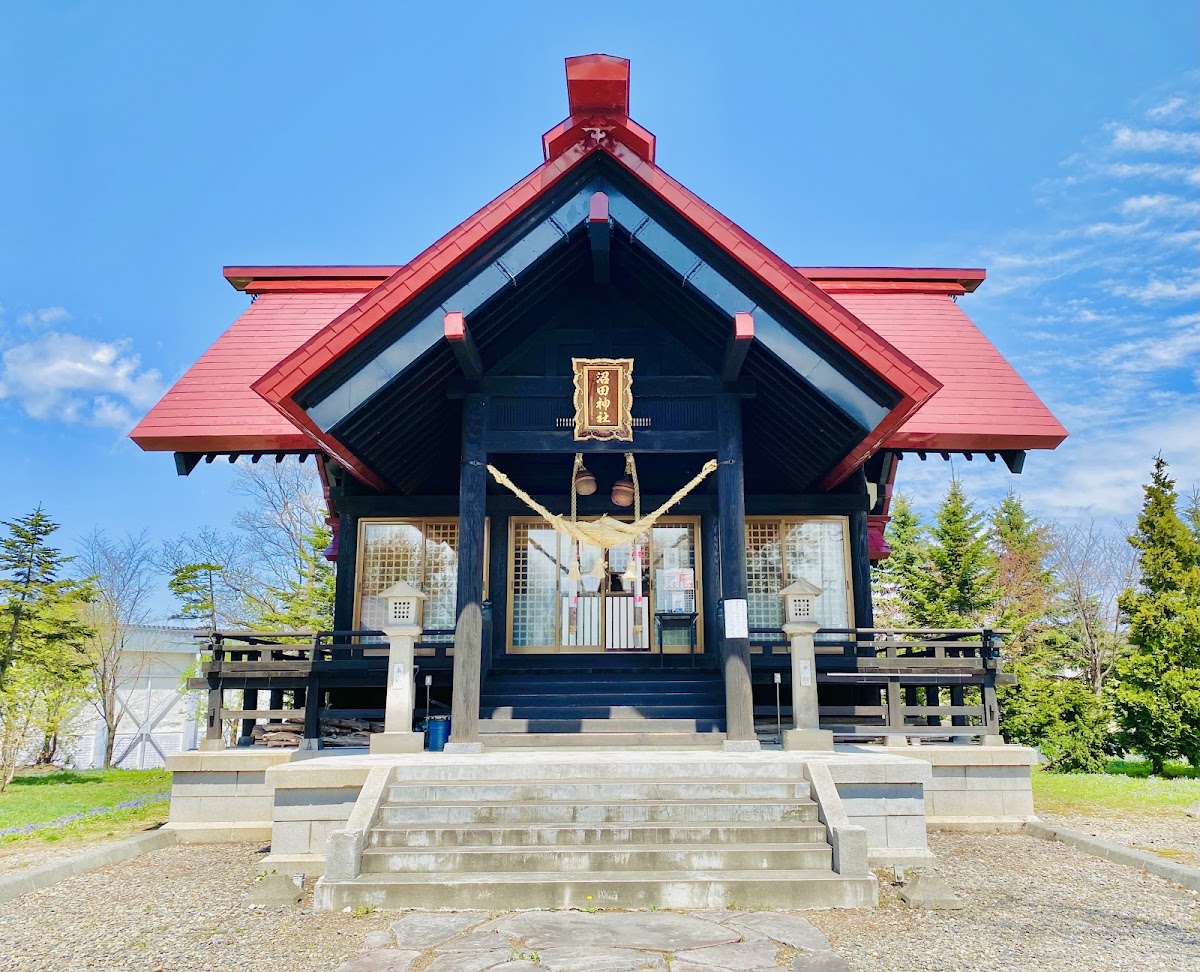
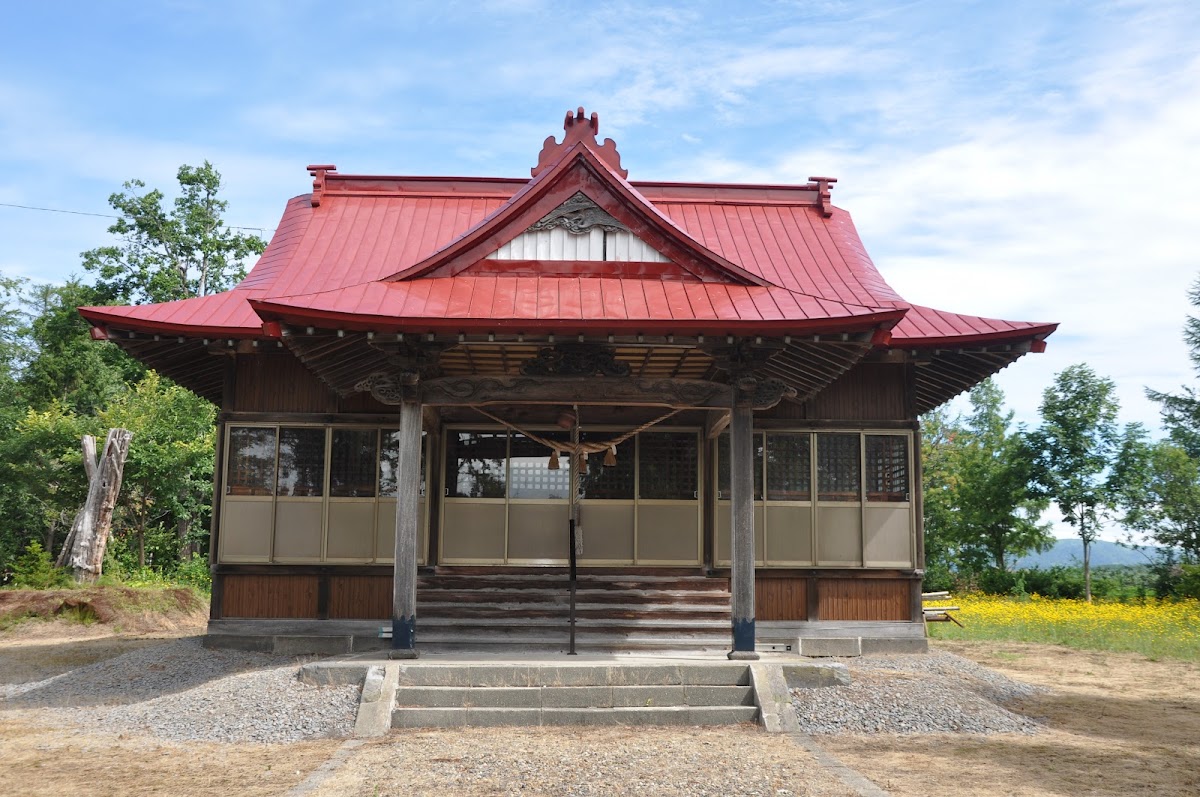
The main hall, built in 1922 (Taisho 11), is sturdily constructed to withstand Hokkaido’s harsh climate. While adhering to traditional shrine architectural styles, it also possesses characteristics adapted to the climate of Hokkaido.
Approach and Stone Steps
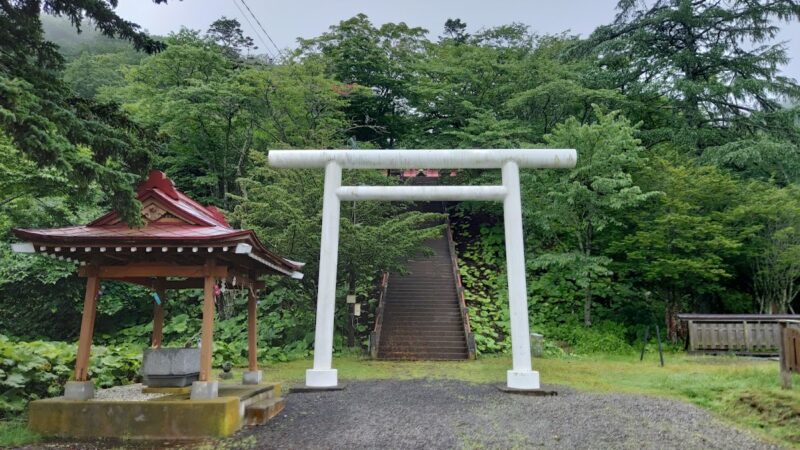
The stone steps of the approach, constructed in 1934 (Showa 9), are an important structure that tells the history of Kyosei Shrine. As you climb these stone steps, you can reflect on the hardships and efforts of the pioneers.
Shrine Office
Completed in 1928 (Showa 3), the shrine office functions as the operational base of the shrine. Various prayers and the acceptance of offerings are handled here.
Annual Events
Kyosei Shrine holds various Shinto rituals throughout the year.
Main Annual Events
New Year’s Day Festival (January 1st)
This festival celebrates the start of the new year and prays for peace and prosperity throughout the year. Many worshippers visit for their first shrine visit of the year.
National Foundation Day Festival (February 11th)
This festival is held on National Foundation Day and is a memorable day for Kyosei Shrine, as it marks the day the founding resolution was passed.
Spring Grand Festival
This important festival celebrates the arrival of spring and prays for safety in agricultural work and a bountiful harvest.
Summer Purification Ceremony (June 30th)
A Shinto ritual to cleanse away the impurities accumulated over the past six months and pray for good health and protection from illness for the remaining half of the year.
Autumn Grand Festival
One of the most important festivals, expressing gratitude for the harvest and praying for the prosperity of the community. It may include a portable shrine procession and offering ceremonies.
Harvest Festival (November 23rd)
A festival to thank the gods for the harvest, coinciding with Labor Thanksgiving Day.
Year-End Purification Ceremony (December 31st)
A Shinto ritual to cleanse away the impurities accumulated over the past year and welcome the new year with a pure heart.
Access Information
Location
Address: Toyo-cho, Obihiro City, Hokkaido
(For detailed street addresses, please contact the Hokkaido Shrine Association or the shrine directly.)
Transportation Access
By Car: Approximately 20-30 minutes from Obihiro city center via national highway. Parking is available for visitors on the shrine grounds.
By Public Transportation: Accessible on foot from the nearest bus stop, but bus service is limited, so please check the timetable in advance.
Visiting Hours
While visiting the shrine grounds is generally free, the hours for services at the shrine office may be limited. If you wish to request prayers or other services, it is recommended to contact the shrine in advance.
Prayers and Offerings
Prayers
Kyosei Shrine accepts various types of prayers.
- Family Safety
- Business Prosperity
- Traffic Safety
- Protection from Evil
- Safe Childbirth
- First Shrine Visit for a Newborn
- Shichi-Go-San (7-5-3 Festival)
- Success in Exams
- Other Various Prayers
If you wish to request a prayer service, please contact the shrine in advance for a smoother process.
Items Offered
- Various Amulets
- Talismans
- Goshuin (Shrine Seal) (Please check availability in advance)
- Ema (Votive Tablet)
Relationship with the Hokkaido Shrine Association
Kyousei Shrine is one of the shrines belonging to the Hokkaido Shrine Association. The Hokkaido Shrine Association is an organization that oversees shrines in Hokkaido and promotes Shintoism, trains Shinto priests, and conducts various training programs.
The Hokkaido Shrine Association provides information on shrines in Hokkaido, and detailed information about Kyousei Shrine is available on its official website. You can check basic information such as the shrine’s history, origins, and location.
Connection with the Community
Guardian Deity of the Toyo District
Kyosei Shrine serves as the tutelary deity of the Toyo district, centered around Obihiro City’s Toyo Town, and is a spiritual pillar for the local residents. It is central to local festivals and events, and also serves as a place for intergenerational exchange.
Conveying the History of Development
The history of Kyosei Shrine is synonymous with the history of Hokkaido’s development. The shrine’s existence conveys the efforts and hardships of the pioneers who settled in Hokkaido, far from Ehime Prefecture, and cultivated the new land while battling the harsh natural environment.
The place name “Toyo” itself embodies longing for home and a wish for success in a new land, and together with Kyosei Shrine, it is an important cultural heritage that preserves the memory of development.
Manners and Points for Visiting the Shrine
Basic Visiting Etiquette
Before Passing Through the Torii Gate
Bow before entering the torii gate. It is considered desirable to walk along the side of the path, as the center of the path is considered the path of the gods.
Procedure for Washing Hands at the Water Basin
Purify your body and mind at the water basin. Take the ladle with your right hand, wash your left hand, switch the ladle to your left hand and wash your right hand, switch it back to your right hand, receive water in your left hand and rinse your mouth, and finally, hold the ladle upright to wash the handle.
Worship at the Main Hall
Quietly place your offering in the offering box, and ring the bell if there is one. Worship using the two bows, two claps, and one bow ritual.
Attire for Worship
For regular worship, everyday clothes are fine, but if you are receiving a prayer, more formal attire is preferable.
Photography
Photography is generally permitted on the shrine grounds, but there are areas where photography is restricted, such as inside the main hall. If you are unsure, please inquire at the shrine office.
Nearby Attractions
In addition to Kyosei Shrine, the eastern part of Obihiro City has various other tourist spots and historical sites.
Sightseeing in Obihiro
Obihiro City, the central city of the Tokachi region, is known for its rich nature, agriculture, and food culture. You can enjoy sightseeing in Obihiro City in conjunction with a visit to Kyosei Shrine.
- Obihiro Racecourse (Ban’ei Horse Racing)
- Rokkanomori
- Manabe Garden
- Obihiro Zoo
- Obihiro Centennial Memorial Hall
Nature and Food of Tokachi
The Tokachi region boasts vast farmlands and magnificent natural landscapes. Furthermore, meals made with fresh agricultural and livestock products are a major attraction of Tokachi.
Kyosei Shrine and the History of Hokkaido’s Development
Hokkaido Development in the Meiji Era
During the Meiji era, the development of Hokkaido was promoted as a national project. Many people from various parts of Honshu settled there, clearing the undeveloped land. The settlers from Ehime Prefecture who founded Kyosei Shrine were among these pioneers.
The Settlers’ Faith
For the pioneers, faith in the gods they brought from their homeland was a crucial spiritual pillar supporting their arduous pioneering life. The divided spirit of Kyosei Shrine represented a bond with their distant homeland and simultaneously a symbol of hope for success in their new land.
Formation of Local Communities
The shrine was not merely a place of worship; it was also a place where settlers gathered, exchanged information, and confirmed mutual support. The process of Kyosei Shrine’s founding and development mirrors the process of the formation and maturation of the local community.
The Future of Kyosei Shrine
Inheritance of Tradition
As a shrine with a history of over 100 years since its founding, Kyosei Shrine bears the responsibility of passing on its traditions and history to future generations. It is important to continue to convey the history of pioneering, the hardships and efforts of our predecessors, and the progress of the region’s development to future generations in the form of a shrine.
Coexistence with the Community
In modern society, shrines are expected to play not only the role of religious institutions but also as cultural and historical centers of the region and as the heart of the community. Kyosei Shrine is expected to walk hand in hand with the local residents and contribute to the development of the region.
Potential as a Tourism Resource
As a valuable cultural heritage site that tells the history of Hokkaido’s pioneering, Kyosei Shrine also possesses value as a tourism resource. One of the future challenges is to promote its appeal as a place worth visiting for people interested in history and those who enjoy visiting shrines.
Summary
Kyosei Shrine is a historic shrine founded by settlers from Ehime Prefecture during the Meiji era, and has walked hand in hand with the development of Toyo-cho, Obihiro City, Hokkaido. For over 100 years since its official founding in 1922 (Taisho 11), it has gathered the faith of residents as the local guardian deity, and continues to play its role as an important cultural presence that conveys the history of pioneering to the present day.
The spirit of working together to develop the region, embodied in the shrine’s name “Kyosei,” remains relevant even today, supporting the bonds of the local community.
When visiting Obihiro City, we highly recommend visiting Kyosei Shrine and reflecting on the history of Hokkaido’s pioneering and the great achievements of our predecessors. The time spent calming your mind in the tranquil temple grounds and praying for daily peace and the prosperity of the community will surely be a memorable experience.