Complete Guide to Higashikagura Shrine | History, Windmill Tunnel, Goshuin (Shrine Seal), and Access Information
Higashikagura Shrine, located in Higashikagura-cho, Kamikawa-gun, Hokkaido, is a historic shrine dating back to the Meiji era. It is famous for its vibrant 10-color windmill tunnel and is attracting attention as a tourist spot in Hokkaido. This article provides a detailed introduction to Higashikagura Shrine, including its history, highlights, goshuin (shrine seal), and access information.
Basic Information on Higashikagura Shrine
Higashikagura Shrine is located at 1-2-2 Minami 1-jo Higashi, Higashikagura-cho, Kamikawa-gun, Hokkaido. Its former shrine rank was Village Shrine, and it is currently affiliated with the Hokkaido Shrine Association.
Location: 2-2, Minami 1-jo Higashi 1-chome, Higashikagura-cho, Kamikawa-gun, Hokkaido
Phone Number: 0166-83-2736
Shrine Style: Nagare-zukuri (stream-style)
Shrine Area: 51.5 tsubo (approx. 175 sq m)
Shrine Grounds Area: 4,500 tsubo (approx. 14,500 sq m)
Number of Parishioners: Approximately 2,900 households
Number of Worshippers: Approximately 1,880 people
Located in the town center of Higashikagura-cho, adjacent to Yoshitsune Park. It is close to Asahikawa Airport, making it easily accessible for visitors from outside Hokkaido.
History and Founding of Higashikagura Shrine
Founded in the Meiji Era
Higashikagura Shrine was founded in 1897 (Meiji 30). Initially, it was established as “Kagura Shrine” under the initiative of Ikusaburo Nishizaki. During the pioneering period of Hokkaido, it played an important role as a spiritual center for settlers.
In 1918 (Taisho 7), the shrine received official recognition as the “Higashikagura Village Shrine,” officially becoming a village shrine. This recognition officially established it as the guardian deity of the region, and it has a history intertwined with the development of Higashikagura Town.
The Legend of Yoshitsune and the Origin of the Shrine’s Location
Higashikagura Shrine is located on a small hill called “Yoshitsune-dai.” This place name is related to the Ainu legend of Yoshitsune, which is passed down throughout Hokkaido.
According to the legend, Minamoto no Yoshitsune, who fled to Hokkaido after being pursued by his brother Minamoto no Yoritomo, visited this area of Higashikagura and shared sake with the Ainu people. After the feast, the Ainu people dispersed while chanting “Gikeikou (Lord Yoshitsune)” and clapping their hands, and thus this hill was named “Yoshitsune-dai.”
Based on the legend of Yoshitsune, the area was deemed suitable as a guardian site, and the Higashikagura Shrine was established in 1897 (Meiji 30). As a place where history and romance intersect, it continues to attract many worshippers.
Deities and Divine Virtues
Higashikagura Shrine enshrines three deities.
Amaterasu Omikami
The supreme deity in Japanese mythology, the goddess who personifies the sun. Considered the ancestral deity of the Imperial family, she is revered as the tutelary deity of all Japanese people. She bestows divine virtues of national peace and security, good fortune, and the fulfillment of all wishes.
Sukunahikona no Kami
A deity who, along with Okuninushi no Kami, built the nation, he possesses diverse characteristics, including being the god of medicine, hot springs, incantations, grain, knowledge, sake brewing, and stones. He bestows divine virtues of healing from illness, health and longevity, and abundant harvests. ### Okuninushi-no-Kami
Known as the principal deity of Izumo Taisha Shrine, he is the god of nation-building. He is widely worshipped as the god of matchmaking, business prosperity, protection of agriculture and fishing, and medicine.
Through these three deities, Higashikagura Shrine continues to watch over the development of the region and the health and prosperity of its residents.
Highlights of Higashikagura Shrine
10-Colored Windmill Tunnel
The biggest highlight of Higashikagura Shrine is the tunnel of 10 vibrant windmills installed along the approach to the shrine. Installed every year from early summer to autumn, the colorful windmills create a light “clatter” sound as they catch the wind.
The sight of 10 windmills—red, blue, yellow, pink, green, and more—lined up in the shrine grounds surrounded by blue sky and greenery is breathtaking. Passing through the windmill tunnel, the pleasant breeze and sounds soothe the hearts of visitors.
It’s a popular spot for photos, and many posts can be seen on social media. The scenery is beautiful from any angle, and the contrast between the blue sky and the windmills is especially stunning on sunny days. It’s a vibrant landscape symbolic of Higashikagura Town, beloved by both locals and tourists.
The Sound of Wind Chimes
Beyond the windmill tunnel, there’s a place adorned with numerous wind chimes. The refreshing tinkling sound of the wind chimes is a soothing respite from the summer heat.
The clatter of the windmills and the tinkling of the wind chimes blend together, enveloping the entire shrine grounds in gentle music. This space, enjoyable both visually and aurally, offers visitors a sense of peace and tranquility.
Integration with Yoshitsune Park
Higashikagura Shrine is adjacent to Yoshitsune Park, creating a space that seamlessly integrates with the park. A stroll through the park after visiting the shrine enhances the experience.
Standing on the historical site of Yoshitsune-dai, one can reflect on the history of Hokkaido’s interaction between the Ainu and Yoshitsune. The park also has playground equipment, making it suitable for families visiting the shrine.
Atmosphere of the Shrine and Grounds
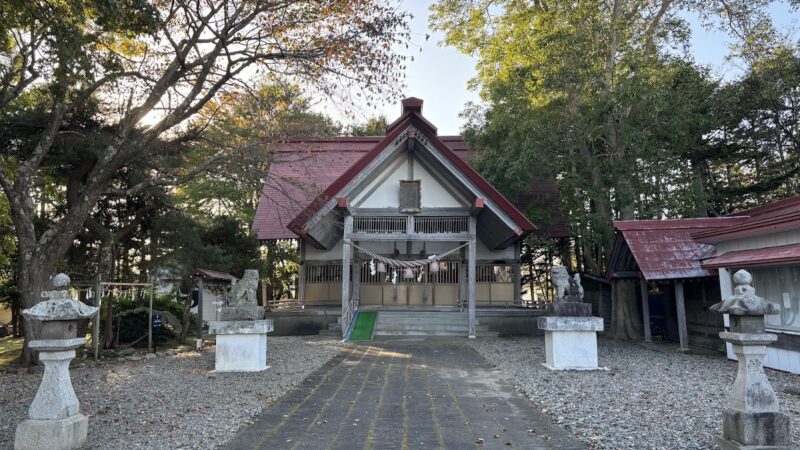
The shrine building, built in the nagare-zukuri style, exudes the beauty of traditional shrine architecture. At 51.5 tsubo (approximately 175 square meters), the shrine building is a respectable size for a village shrine.
The spacious grounds, spanning 4,500 tsubo (approximately 14,500 square meters), are enveloped in a lush, tranquil atmosphere. It’s a space where you can escape the hustle and bustle of the city and offer a peaceful place to worship. The trees on the grounds display different expressions throughout the seasons, allowing visitors to enjoy varying beauty throughout the year: the fresh green of spring, the deep green of summer, the autumn foliage, and the snowy landscape of winter.
Annual Festival and Events
Annual Festival (September 1st)
The annual festival of Higashikagura Shrine is held every year on September 1st. This is the most important festival for the shrine, where gratitude is offered to the enshrined deity and prayers are offered for the peace and prosperity of the region.
On the day of the festival, many parishioners and devotees attend, and a solemn Shinto ritual is performed. As a local traditional event, it is cherished by the people of Higashikagura Town.
Other Annual Events
In addition to the annual festival, Higashikagura Shrine holds various Shinto rituals throughout the year, including the New Year’s Day Festival, Setsubun Festival, Spring Festival, and Autumn Festival. Following the annual events of Hokkaido, the festivals are held in accordance with the local calendar.
Many worshippers visit for Hatsumode (first shrine visit of the year), praying for safety and prosperity in the new year. Prayers for life’s milestones, such as Shichi-Go-San (children’s festival), protection from evil, and traffic safety, are also accepted.
Goshuin (Shrine Seal) Information
Goshuin are available at Higashikagura Shrine. Goshuin are popular among worshippers as proof of their visit and as a record of their connection with the shrine.
When requesting a Goshuin, please speak to a staff member at the shrine office. While it is common to bring a Goshuincho (stamp book), it may be possible to receive a paper stamp if you do not have one.
Goshuin are important for forging a connection with the gods. After completing your prayers, please offer your Goshuin (temple/shrine stamp) with a grateful heart. Even if your purpose is to collect Goshuin, it’s important to first offer your prayers with sincerity.
We recommend calling ahead to confirm the Goshuin reception hours and offering fees. There may be times when they are unable to accommodate requests due to religious ceremonies or events, so if you want to be sure to receive a Goshuin, it’s best to contact them before visiting.
Access Information
Access by Car
Higashikagura Shrine is located very close to Asahikawa Airport.
From Asahikawa Airport: Approximately 5 minutes by car (approx. 2km)
From Asahikawa City Center: Approximately 15 minutes by car (via National Route 237)
From Sapporo: Approximately 2 hours by car (via the Hokkaido Expressway)
Following the blue road signs towards Asahikawa Airport will make it easier to find. There are also directional signs once you enter the town of Higashikagura.
Parking is available adjacent to the shrine grounds and is free of charge. Except on crowded days such as festivals, there is ample parking space.
Access by Public Transportation
Bus: Take an Asahikawa Electric Railway bus and get off at “Higashikagura Bus Center,” then walk approximately 8 minutes.
Nearest Station: JR Nishiseiwa Station (However, the shrine is some distance from the station, so taking a taxi is more convenient.)
If using Asahikawa Airport, renting a car or taking a taxi is the most convenient option. Because it’s very close to the airport, it’s an ideal spot to visit at the beginning or end of your Hokkaido trip.
Combining with Nearby Facilities
Besides Asahikawa Airport, Higashikagura Town has other tourist attractions such as the “Higashikagura” roadside station and a park known for its flower-filled town development. Visiting these facilities in conjunction with a visit to Higashikagura Shrine will make for a more fulfilling sightseeing experience.
It’s also close to Asahikawa City’s tourist attractions (Asahiyama Zoo, Asahikawa Ramen Village, Kamikawa Shrine, etc.), so you can incorporate it as part of your Asahikawa sightseeing.
Manners and Etiquette for Visiting a Shrine
Basic Shrine Etiquette
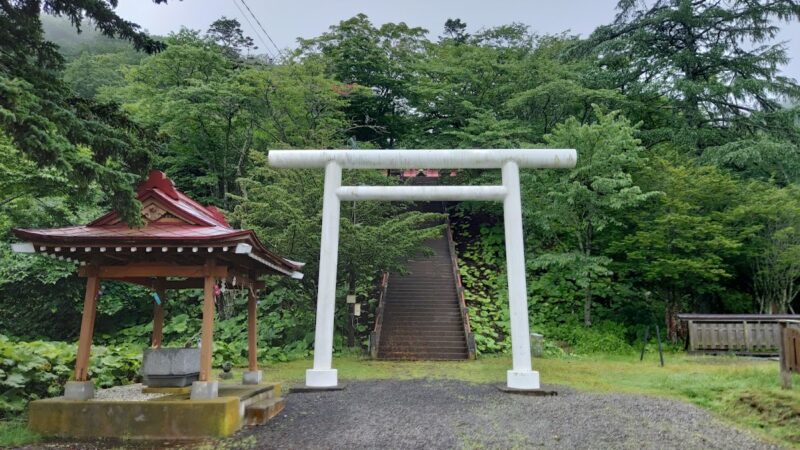
- Bow Before Passing Through the Torii Gate: As a sign of respect before entering the sacred area, bow before the torii gate.
- Walk Along the Edge of the Path: The center of the path is considered the path of the gods, so it is polite to walk along the edge.
- Purify at the Water Basin: If there is a water basin, purify your left hand, then your right hand, then your mouth.
- Etiquette at the Main Hall:
- Quietly place your offering in the offering box.
- Ring the bell (if present).
- Two Bows, Two Claps, One Bow (Two deep bows, two claps, one deep bow)
- Make Your Wish Silently: Do not make your wish aloud; make it silently in your heart. It is considered best to express gratitude first, and then make your wish.
Photography Etiquette
Photography is permitted for the windmill tunnel and wind chimes, but please refrain from taking photos inside the shrine or during religious ceremonies. Please enjoy photography with consideration for other visitors.
Attire
Casual attire is acceptable for visiting the shrine, but it’s best to avoid overly flashy or revealing clothing. Especially if you are receiving a prayer, somewhat formal attire is preferable.
The Four Seasons of Higashikagura Shrine
Spring (April-June)
As the snow melts, the trees in the shrine grounds begin to bud, creating a beautiful season of fresh greenery. The windmill tunnel is installed from late May to June, signaling the arrival of early summer.
Summer (July-August)
This is the season when the windmill tunnel and wind chimes are at their most beautiful. Under the blue sky, colorful windmills turn, and the refreshing sound of wind chimes resonates. As a quintessential symbol of Hokkaido’s short summer, it attracts many visitors and tourists. ### Autumn (September-November)
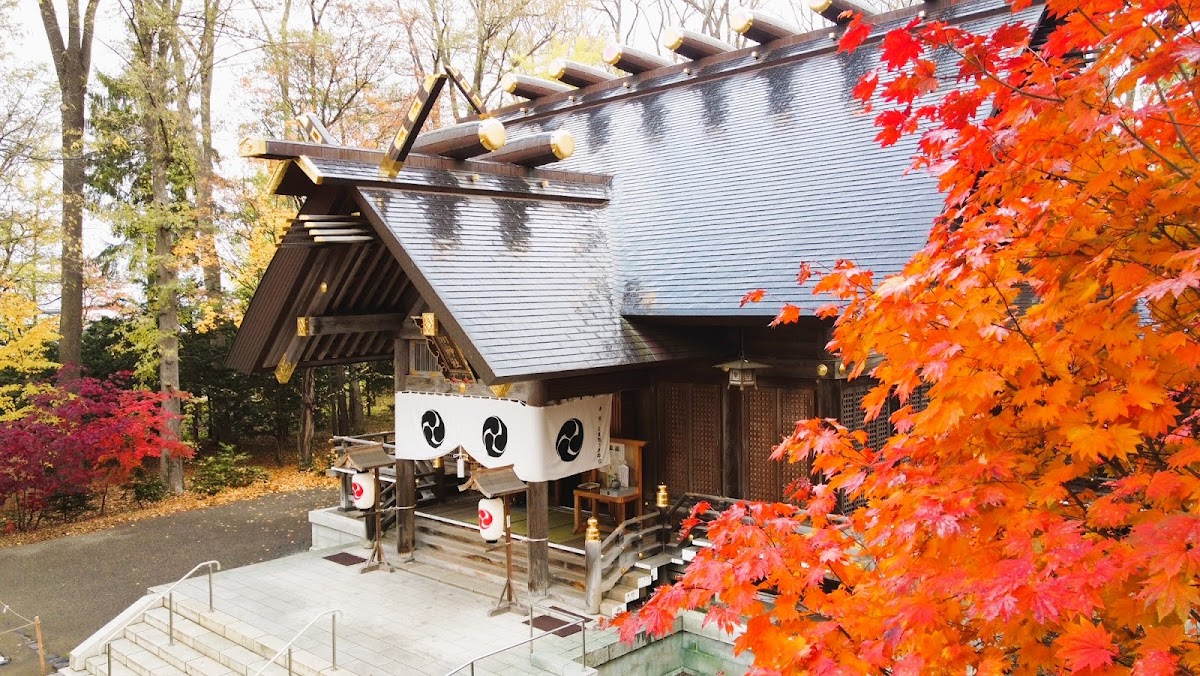
The annual festival is held on September 1st, and the shrine grounds are enveloped in a solemn atmosphere. In October, the autumn leaves are beautiful, and the contrast between the windmill and the foliage is magnificent.
Winter (December-March)
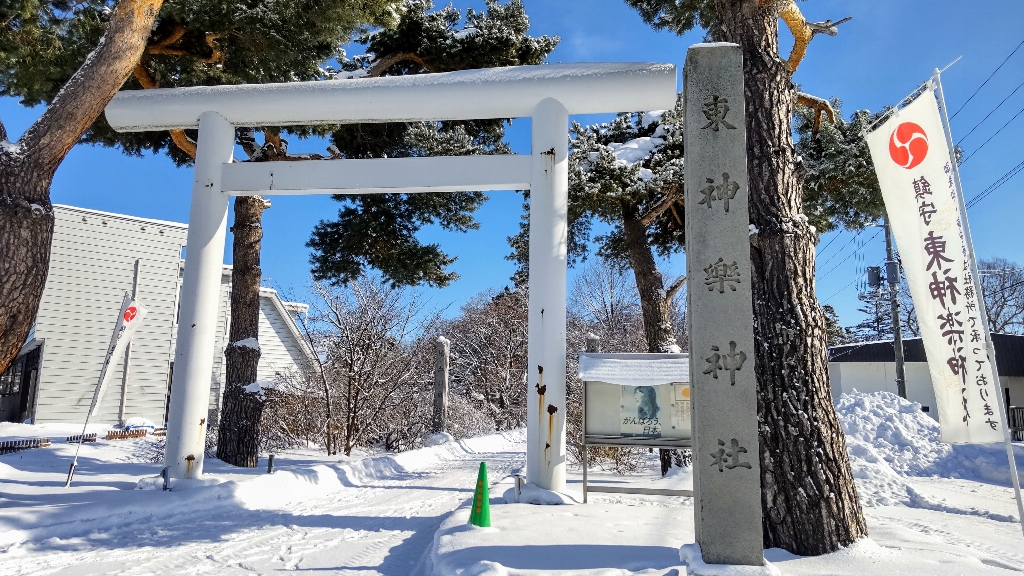
The shrine grounds, covered in snow, are enveloped in silence, and a solemn atmosphere prevails. Many worshippers visit for Hatsumode (first shrine visit of the year) to pray for the new year. The Higashikagura Shrine in winter offers a different kind of charm, with the shrine architecture beautifully framed by the snow.
About Higashikagura Town
Higashikagura Town is located in Kamikawa District, Hokkaido, and is adjacent to Asahikawa City. Although a small town with a population of approximately 10,000, it plays a role as a gateway to Hokkaido by air due to the presence of Asahikawa Airport.
Known as a “town of flowers,” the town boasts beautiful flowerbeds and parks. Agriculture is thriving, and rice cultivation is particularly famous. Higashikagura rice is of high quality and is highly regarded both within and outside Hokkaido.
Higashikagura Shrine is cherished by the townspeople as the spiritual center of the community. With approximately 2,900 parishioners, it represents a remarkably high proportion considering the town’s population, demonstrating its deep roots in the region.
Tourist Attractions Around Higashikagura Shrine
Asahikawa Airport
This is Hokkaido’s second-largest airport, located about a 5-minute drive from Higashikagura Shrine. The airport houses souvenir shops and restaurants, making it a convenient stop at the beginning or end of your trip.
Higashikagura Roadside Station
This roadside station offers fresh local produce and specialty products. It also serves as a hub for promoting the charms of Higashikagura Town, providing tourist information.
Yoshitsune Park
Adjacent to Higashikagura Shrine, this park is named after the legend of Yoshitsune. It features playground equipment, making it suitable for family strolls.
Tourist Attractions in Asahikawa City
Located approximately 15 minutes by car from the center of Asahikawa City, it’s easy to combine sightseeing with other attractions in Asahikawa City, such as Asahiyama Zoo, Kamikawa Shrine, Asahikawa Ramen Village, and the Snow Museum.
Prayers and Rituals at Higashikagura Shrine
Higashikagura Shrine accepts prayers and rituals for various milestones in life.
Main Prayers
- First Shrine Visit: Praying for the healthy growth of a baby
- Shichi-Go-San: Celebrating a child’s growth and praying for their future health
- Exorcism: Praying for protection from misfortune during unlucky years and for safety
- Traffic Safety: Praying for the safety of cars and drivers
- Family Safety: Praying for the health and peace of the family
- Business Prosperity: Praying for the development and prosperity of the business
- Prayer for Success: Praying for success in exams and tests
If you wish to have a prayer performed, it is recommended to make a reservation by phone in advance. You can also check the prayer fee (offering) and necessary items to bring.
Summary of the Charms of Higashikagura Shrine
Higashikagura Shrine is a shrine that combines a history dating back to its founding in 1897 (Meiji 30), a cultural background rooted in the legend of Yoshitsune, and the modern appeal of its 10-color windmill tunnel.
Located at 1-2-2 Minami 1-jo Higashi, Higashikagura-cho, Kamikawa-gun, Hokkaido, its proximity to Asahikawa Airport makes it easily accessible. It’s a convenient spot for tourists from outside Hokkaido, making it an ideal place to create lasting memories of your Hokkaido trip.
Supported by approximately 2,900 parishioners, it’s a deeply rooted community shrine, yet it’s also popular with younger generations as an Instagrammable spot. It’s a shrine that harmoniously blends tradition and modernity, truly representative of Hokkaido.
When visiting, why not enjoy the beauty of the windmill tunnel and wind chimes, reflect on the legend of Yoshitsune, and offer your gratitude and prayers to the three deities? It’s sure to be a refreshing and uplifting experience.
Higashikagura Shrine is a shrine well worth visiting, where Hokkaido’s history, nature, and people’s faith are intertwined. Be sure to stop by when you’re sightseeing in Asahikawa.