Yamabe Shrine (Furano City, Hokkaido) Complete Guide | History, Goshuin (Shrine Seal), and Access Information
About Yamabe Shrine
Yamabe Shrine is a Shinto shrine located at 9-20 Yamabe Higashi-machi, Furano City, Hokkaido. Formerly a village shrine, it enshrines Amaterasu Omikami as its main deity. As the central shrine of the Yamabe district in eastern Furano City, it has long been revered by local residents.
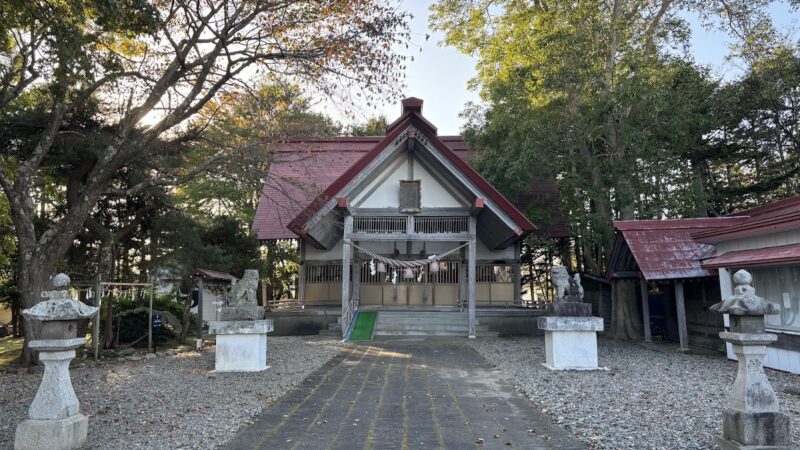
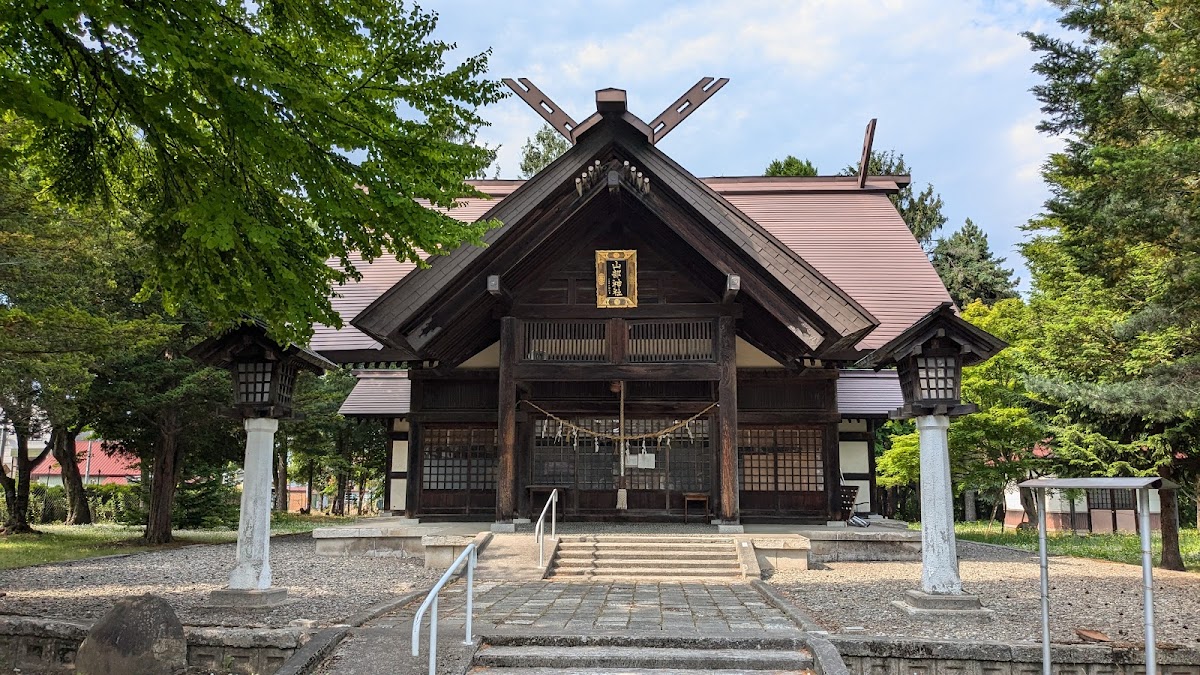
The shrine building is constructed in the Shinmei-zukuri style, possessing a solemn atmosphere reminiscent of Ise Grand Shrine. The grounds are vast, covering 1,197 tsubo (approximately 3,950 square meters), and abundant nature remains on both sides of the approach.
Currently, it has 1,087 parishioner households and plays an important role as a spiritual center in the Yamabe district.
History and Founding of Yamabe Shrine
The Beginning of the Pioneer Era
The history of Yamabe Shrine is closely intertwined with the history of Hokkaido’s development. The development of the Yamabe area began in 1897 (Meiji 30) when Sapporo Agricultural College (now Hokkaido University) conducted geological and topographical surveys.
In 1899 (Meiji 32), a development plan was formulated, and in 1901 (Meiji 34), Sapporo Agricultural College, the predecessor of Hokkaido Imperial University, established the Yamabe No. 8 Farm. With the establishment of this farm, the recruitment of tenant farmers began, and people started settling in the undeveloped wilderness.
The Philosophy Behind the Shrine’s Founding
In 1901 (Meiji 34), when Hokkaido Imperial University began cultivating the undeveloped land, it prioritized first enshrining a sacred object to cultivate a sense of reverence for the gods and love for their homeland among the immigrants. This was a far-sighted decision that aimed to achieve colonization success not only through material development but also by providing a spiritual foundation.
The Yamabe Shrine was founded when a shrine was built on land chosen through divination within the farm grounds, and a divided spirit of Amaterasu Omikami was enshrined there. For the settlers, the shrine was a spiritual anchor, providing support to endure the harsh life of pioneering.
History of Development
Initially, there were about 50 farming households, but after four years, the number gradually increased. By 1908 (Meiji 41), the number had grown to 406 households, and the leasing of land was almost complete.
The following year, 1909 (Meiji 42), a grand settlement commemoration ceremony was held, and a monument commemorating the settlement was erected within the grounds of the Yamabe Shrine. This monument still remains on the grounds today, serving as a valuable historical site that conveys the hardships of pioneering and the efforts of the pioneers.
Deity and Divine Virtues
Amaterasu Omikami
The deity enshrined at Yamabe Shrine is Amaterasu Omikami. Amaterasu Omikami is the supreme deity in Japanese mythology, known as the personification of the sun. She is the ancestral deity of the Imperial Family and is enshrined in the Inner Shrine of Ise Grand Shrine.
Divine Virtues
Amaterasu Omikami’s divine virtues are multifaceted:
- National Security and Prosperity of the Imperial Family: As the guardian deity of Japan
- Abundant Harvests and Protection of Agriculture: As a sun goddess, she protects the development of agriculture
- Good Fortune and Prosperity: Brings all kinds of happiness
- Protection from Evil and Disaster: Power to ward off evil and purify
- Family Safety: Peace and prosperity in the home
The enshrinement of Amaterasu Omikami as the guardian deity of agriculture in Yamabe, a pioneering settlement, was a manifestation of the earnest wishes of the settlers.
Highlights of the Shrine and Grounds
Shinto-Style Shrine
The shrine building of Yamabe Shrine is constructed in the Shinto-style. Shinto-style is one of the oldest shrine architectural styles in Japan, exemplified by Ise Grand Shrine, and is characterized by its gable roof and flat entrance.
The shrine building covers an area of 39 tsubo (approximately 129 square meters), exuding a simple yet solemn atmosphere. Its linear and simple beauty clearly demonstrates the characteristics of Shinto-style architecture.
Approach and Grounds
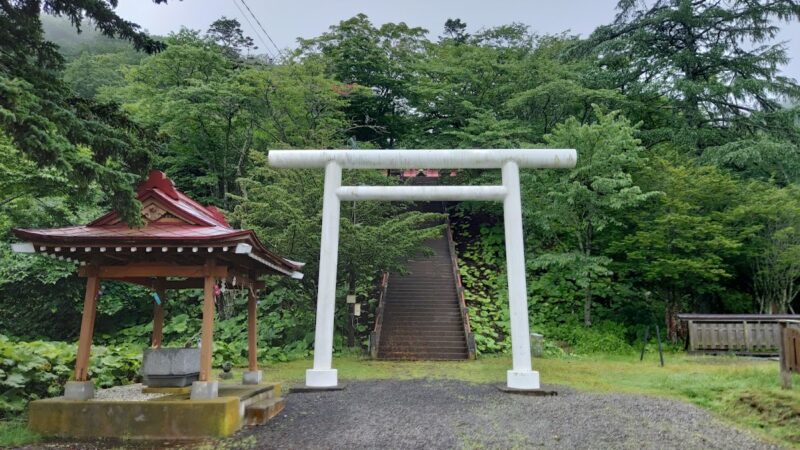
Yamabe Shrine is located by turning left at the intersection just before Yamabe Station, when traveling from Furano on National Route 38. The approach is relatively long, allowing for a leisurely stroll and a sense of purification.
To the left of the approach is a garden-like area where you can enjoy the changing seasons. From fresh greenery in spring, deep green in summer, vibrant autumn leaves, and snowy landscapes in winter, you can experience the rich natural changes characteristic of Hokkaido.
Seikon Memorial Monument
Within the shrine grounds stands the Seikon Memorial Monument, erected in 1909 (Meiji 42). This monument commemorates the completion of the settlement of the Yamabe district and is an important historical site that conveys the hardships and achievements of the pioneers to future generations.
The inscription on the monument details the history of the settlement and serves as a valuable document for understanding the conditions of that time.
Annual Festival and Events
Annual Festival (September 8th)
The annual festival of Yamabe Shrine is held every year on September 8th. This is the most important festival of the year for the shrine, where gratitude is offered to the enshrined deity and prayers are offered for the peace and prosperity of the region.
On the day of the festival, the Shinto priests solemnly perform the rituals, and many parishioners and local residents attend. A procession of the portable shrine and offering ceremonies are sometimes held, making it an important annual event in the Yamabe district.
Other Annual Events
In addition to the annual festival, Yamabe Shrine holds the following annual events:
- New Year’s Day Festival (January 1st): Celebrating the New Year and praying for peace throughout the year
- Setsubun Festival (around February 3rd): Driving away evil spirits with bean-throwing and other rituals
- Spring Festival: Celebrating the arrival of spring and praying for a bountiful harvest
- Summer Purification Ceremony (June 30th): Cleansing away the impurities accumulated over the past six months
- Shichi-Go-San Festival: Celebrating the growth of children
- Year-End Purification Ceremony (December 31st): Cleansing away the impurities accumulated over the past year
These events are passed down as local traditions and serve as a place for intergenerational exchange.
About Goshuin (Shrine Seals)
Issuance of Goshuin
Goshuin are available at Yamabe Shrine. Goshuin (temple/shrine stamps) are cherished by many worshippers as proof of their visit and a record of their connection with the shrine.
To receive a goshuin, please speak to a staff member at the shrine office. However, please note that they may not be able to assist you if the priest is absent or during a festival, so it is recommended to call ahead to confirm.
About Goshuincho (Goshuin Stamp Books)
Please inquire directly with the shrine to find out if they have original goshuincho. It is a good idea to bring your own goshuincho when visiting shrines in Hokkaido.
As a matter of etiquette when receiving a goshuin, it is important to always complete your prayers before visiting the shrine office and to use polite language.
Access and Transportation
Location
Address: 9-20 Yamabe-Higashi-machi, Furano City, Hokkaido 079-1561
Phone Number: 0167-42-3383
FAX: 0167-42-3636
Access by Public Transportation
JR Nemuro Main Line
The nearest station is “Yamabe Station”. It’s very easily accessible, about a 5-minute walk from the station.
The journey from Furano Station to Yamabe Station takes about 10 minutes on the Nemuro Main Line. Since train service is limited, it’s recommended to check the timetable in advance.
Furano City Bus
Furano City buses are also available, about a 5-minute walk from the nearest bus stop. Bus schedules and service information can be found on the Furano City official website.
Access by Car
Via National Route 38
From Furano city center, head east on National Route 38. The shrine is approximately 10 minutes away. Turn left at the intersection just before Yamabe Station to reach the shrine.
Via the Doto Expressway
Approximately 40 minutes from Shimukappu IC, and approximately 45 minutes from Tomamu IC.
Parking
There is parking space on the shrine grounds, but congestion is expected during events such as festivals.
Nearby Tourist Attractions
When visiting Yamabe Shrine, why not also visit the following tourist attractions?
- Furano Shrine: A shrine located in the center of Furano City
- Farm Tomita: A tourist farm famous for its lavender
- Furano Cheese Factory: A facility where you can experience cheese making
- Rokugo no Mori: A filming location for the drama “Kita no Kuni kara” (From the North Country)
- Kanayama Lake: A lake where you can enjoy beautiful natural scenery
About the Yamabe Area
Area Overview
The Yamabe area is located in the eastern part of Furano City and is blessed with the clear waters of the Sorachi River and abundant nature. Agriculture is the main industry, with rice cultivation, melons, and sweet corn production being particularly thriving.
Although the population is declining, the community is tightly knit, and traditional events and culture are carefully preserved.
History of Development
As mentioned above, the establishment of the Yamabe No. 8 Farm by the Hokkaido University Faculty of Agriculture in 1901 marked the beginning of development in the Yamabe area. The settlers battled the harsh natural environment as they cleared the wilderness.
The winters were brutal, with temperatures sometimes dropping below -30 degrees Celsius, but the settlers helped each other and continued their development. Yamabe Shrine played a vital role as a spiritual pillar for these people.
Present-day Yamabe
Present-day Yamabe is a quiet area with a peaceful rural landscape. Agricultural modernization is progressing, and the number of farmers engaged in large-scale farming operations is increasing.
On the other hand, it faces challenges such as depopulation and an aging population, but community development activities are actively underway, and efforts to promote the unique charm of Yamabe continue.
Manners and Etiquette for Visiting a Shrine
Basic Etiquette for Visiting a Shrine
Here are some basic etiquette rules for visiting a shrine:
- Bow before passing through the torii gate: This is a greeting before entering the sacred area.
- Walk along the edge of the path: The center is considered the path for the gods.
- Purify your body and mind at the water basin:
- Hold the ladle in your right hand and purify your left hand.
- Switch the ladle to your left hand and purify your right hand.
- Switch the ladle back to your right hand, receive water in your left hand, and rinse your mouth.
- Finally, stand the ladle upright and purify the handle.
- Etiquette in front of the main hall:
- Quietly place your offering in the offering box.
- Ring the bell if there is one.
- Two bows, two claps, one bow (bowing deeply twice, clapping twice, bowing deeply once).
- Bow again at the torii gate on your way out: This expresses gratitude to the gods.
Regarding Attire
Casual clothing is acceptable, but please aim for a clean and presentable appearance. It’s best to avoid clothing that exposes a lot of skin or sandals.
Winter is extremely cold, so please take adequate precautions against the cold.
Hokkaido’s Shrine Culture and Yamabe Shrine
Characteristics of Hokkaido Shrines
Hokkaido shrines have characteristics that differ from those of Honshu. Many were founded during the pioneering era after the Meiji Restoration, so their history is relatively recent, but they are important cultural heritage sites imbued with the faith and wishes of the pioneers.
Shrines in Hokkaido have the following characteristics:
- Many pioneering shrines: Founded as guardians of pioneering and spiritual pillars for settlers.
- Many shrines enshrine Amaterasu Omikami: As a guardian deity of the nation.
- Shrines associated with Tondenhei (frontier soldiers): Some shrines are related to the Tondenhei system.
- Connections with Ainu culture: Some shrines incorporate Ainu beliefs.
The Position of Yamabe Shrine
Yamabe Shrine is important as a typical example of a pioneering shrine in Hokkaido. The fact that a shrine was established as a spiritual foundation in pioneering led by the Sapporo Agricultural College (Hokkaido University) clearly reflects the characteristics of the pioneering policies of the time.
The philosophy of cultivating the spirit of “reverence for the gods and love for one’s homeland” was an advanced way of thinking that emphasized not only material development but also the cultivation of spiritual culture.
Points to Note and Recommended Time to Visit
Points to Note When Visiting
Visiting in Winter
Hokkaido winters are extremely harsh, and the Yamabe area is no exception. From December to March, there is snow cover and temperatures can drop below -20 degrees Celsius.
If you are visiting during the winter, please note the following:
- Be sure to wear warm clothing, gloves, and a hat.
- Wear non-slip shoes (snow boots recommended).
- Check the snow removal situation in advance.
- If visiting by car, prepare winter tires and a shovel.
Shrine Office Opening Hours
If you wish to receive a Goshuin (shrine stamp) or other items, it is recommended to call ahead to confirm. There are times when the shrine priest is not always present.
Recommended Time to Visit
Spring (May-June)
The snow is melting, and the fresh greenery is beautiful. You can experience Hokkaido’s short spring.
Summer (July-August)
Furano enters lavender season. It is ideal to visit the shrine in conjunction with sightseeing.
Autumn (September-October)
The annual festival is held on September 8th, so you can enjoy the festive atmosphere. Autumn is a beautiful season for viewing the leaves.
Winter (December-February)
The shrine amidst the snowy landscape has a mystical atmosphere. However, warm clothing is essential.
Summary
Yamabe Shrine is a historic shrine located in the Yamabe district of Furano City, Hokkaido. Founded in 1901 during the pioneering era, it has been revered by the local people, with Amaterasu Omikami as its enshrined deity.
With its Shinto-style shrine building, vast grounds, and the Seikon Memorial Monument that tells the history of pioneering, it offers many sights to see and is an important place for learning about the history of Hokkaido’s development.
Its convenient location, just a 5-minute walk from JR Yamabe Station, is also a major draw, making it ideal for a stop during your Furano sightseeing. Why not reflect on the hardships and faith of the pioneers while appreciating the beauty of nature in each season?
The annual festival is held on September 8th, and Goshuin (shrine stamps) are available (prior confirmation required). Please visit Yamabe Shrine, where you can experience the history and culture of Hokkaido.