Nayoro Shrine Complete Guide | History, Deities, Annual Festival, Goshuin (Shrine Seal), and Access Information
Nayoro Shrine, located in Nayoro City, Hokkaido, is a historic shrine that has walked hand in hand with the history of development during the Meiji era. With Amaterasu Omikami as its principal deity, it has been revered for many years as the guardian deity of the region. This article provides detailed information useful for visitors, including the history of Nayoro Shrine, its enshrined deities, annual festival, highlights of the grounds, goshuin (shrine seal), and access methods.
About Nayoro Shrine
Nayoro Shrine is located at 1 Midorigaoka, Nayoro City, Hokkaido, and is easily accessible from the center of Nayoro City. Situated in a lush green environment adjacent to Nayoro Park, it is a beloved center of faith for local residents.
Founded during the Meiji era by pioneers who migrated from Yamagata and Toyama (Etchu), it has watched over the development of Nayoro for over 120 years. It is also known as the oldest concrete shrine in Hokkaido, making it a historically valuable structure.
History and Origins of Nayoro Shrine
Founding History
The history of Nayoro Shrine dates back to 1902 (Meiji 35). It is believed to have begun when people who migrated to Nayoro from the Soma region of Yamagata Prefecture and Toyama Prefecture (Etchu) for settlement built a shrine near the present-day Nishi 1-jo Kita 1-chome and enshrined four deities.
Records also indicate that in September of the same year, a shrine dedicated to Amaterasu Omikami was built at Nishi 4-jo Kita 1-chome to commemorate the opening of the Kami-Nayoro and two other villages’ headman’s office, playing an important role as a spiritual pillar in the settlement.
Development as a Shrine
In 1916 (Taisho 5), a shrine building was constructed on Midorigaoka, the current site of the shrine. The following year, 1917 (Taisho 6), it received official permission to be established as “Nayoro Shrine,” and was ranked as a village shrine in the same year. Subsequently, in 1922 (Taisho 11), it was elevated to the status of a local shrine, further increasing its prestige in the region.
In June 1946 (Showa 21), it was established as a religious corporation, and in 1947 (Showa 22), the Nayoro Shrine Supporters Association was organized, establishing a management system deeply connected to the local community.
Architectural Features
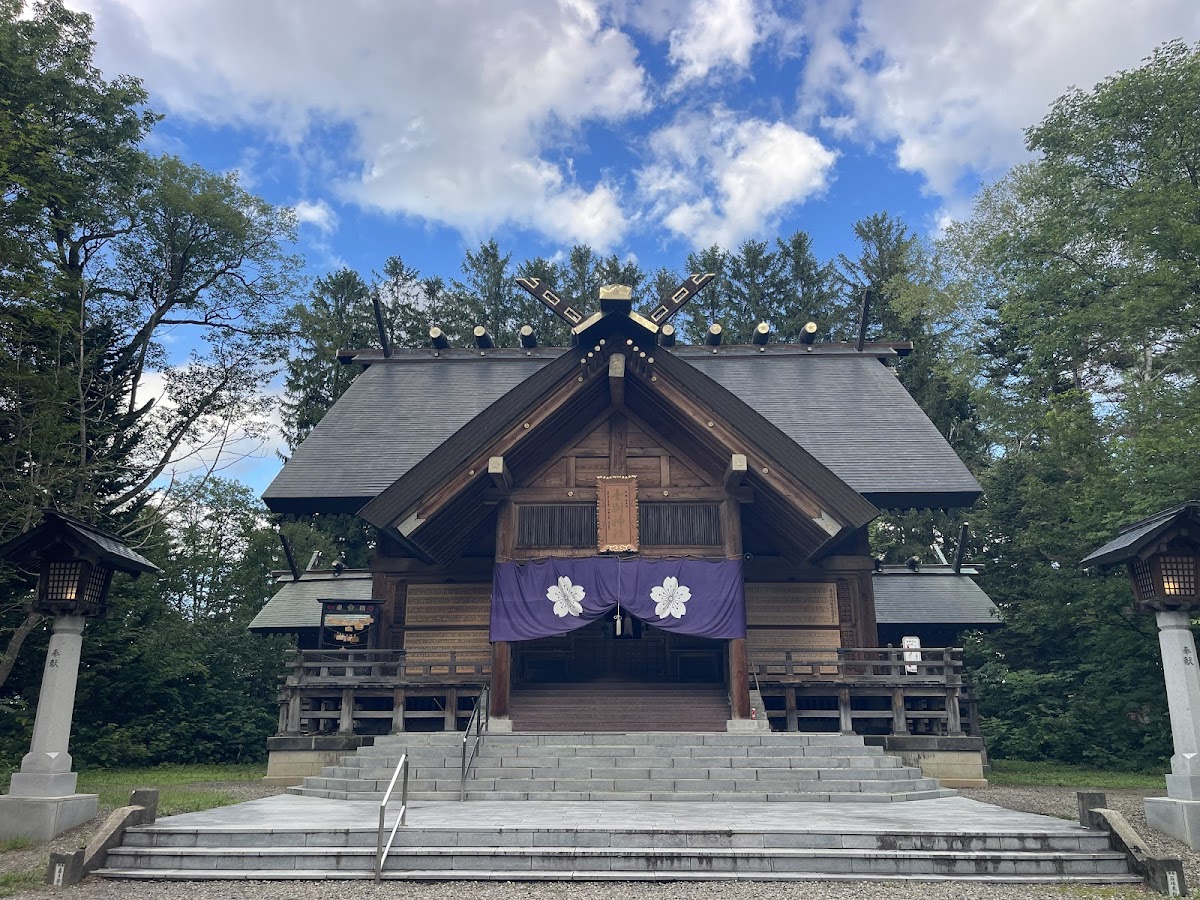
The Nayoro Shrine’s main hall is known as the oldest concrete structure in Hokkaido. While built robustly to withstand Hokkaido’s harsh climate, it maintains the style of traditional shrine architecture, and its value as a historical building is highly regarded.
Deities and Benefits
Main Deity
Nayoro Shrine enshrines several deities, each offering different benefits.
Amaterasu Omikami
Amaterasu Omikami, the main deity, is the supreme goddess in Japanese mythology and the deified sun. The ancestral deity of the Imperial Family and revered as the tutelary deity of the nation. Believed to bring blessings of national peace and security, good fortune, and protection from evil.
Okunimitama-no-Okami
Also known as Okunitama-no-Kami, known as the guardian deity of the land. Offers blessings of abundant harvests, business prosperity, and family safety. In Nayoro, a pioneering settlement, it has attracted the faith of people praying for agricultural development.
Onamuchi-no-Okami
Another name for Okuninushi-no-Mikoto, worshipped as the deity of matchmaking, medicine, and industrial development. As the god of nation-building, it has watched over the development of Nayoro during its pioneering period.
Sukunahikona-no-Okami
Known as the god of medicine, hot springs, and incantations, it offers blessings of healing from illness and longevity. A deity who worked alongside Onamuchi-no-Okami in nation-building.
Expected Benefits
By visiting Nayoro Shrine, you can receive the following benefits:
- Protection of agriculture and abundant harvests
- Academic success and prayers for passing exams
- Family safety and protection from evil
- Business prosperity and development
- Matchmaking and successful relationships
- Health and longevity and recovery from illness
- Traffic safety
- Good fortune and prosperity
Annual Festival and Events
Nayoro Shrine Annual Festival
The most important festival of the year at Nayoro Shrine is the annual festival, held from August 4th to 6th. During this period, the shrine grounds and the town of Nayoro are bustling with many worshippers and tourists.
August 4th: Yoimiyasai (Evening Festival)
The Yoimiyasai, held from 7 PM, is the eve of the annual festival. Lanterns are lit throughout the shrine grounds, and the ceremony takes place in a solemn atmosphere.
August 5th: Grand Festival & Divine Procession
The Grand Festival begins at 8:30 AM, followed by the Divine Procession at 9:30 AM. During the Divine Procession, the portable shrine is carried through the parish area, praying for peace and prosperity. Many parishioners and citizens participate, making it an important event that colors the summer in Nayoro.
August 6th: Post-Festival Ceremony
The Post-Festival Ceremony begins at 10:00 AM, concluding the three-day Grand Festival.
Other Annual Events
In addition to the Grand Festival, Nayoro Shrine holds various other festivals throughout the year.
- New Year’s Day Festival (January 1st): A festival celebrating the New Year
- Setsubun Festival (February): Prayers for protection from evil and good fortune
- Spring Festival: Celebrating the arrival of spring
- Summer Purification Ceremony (end of June): Purifying oneself of sins and impurities accumulated over the past six months
- Shichi-Go-San Festival (November): Celebrating the growth of children
- Year-End Purification Ceremony (end of December): Purifying oneself of sins and impurities accumulated over the past year
Shrine Grounds Guide
Main Approach and Torii Gate
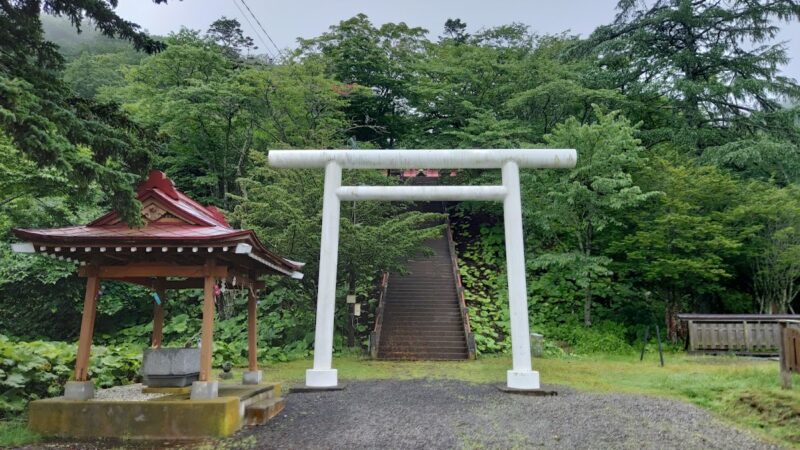
When accessing the shrine on foot from JR Nayoro Station, the first thing you’ll see is the torii gate of the main approach. A shrine name marker and a prayer platform are set up, welcoming worshippers. As you proceed along the tree-lined path, a solemn atmosphere permeates the air.
Water Basin
There is a water basin for purifying your body and mind before worship. Cleanse your hands and mouth with the ladle before proceeding to the main shrine.
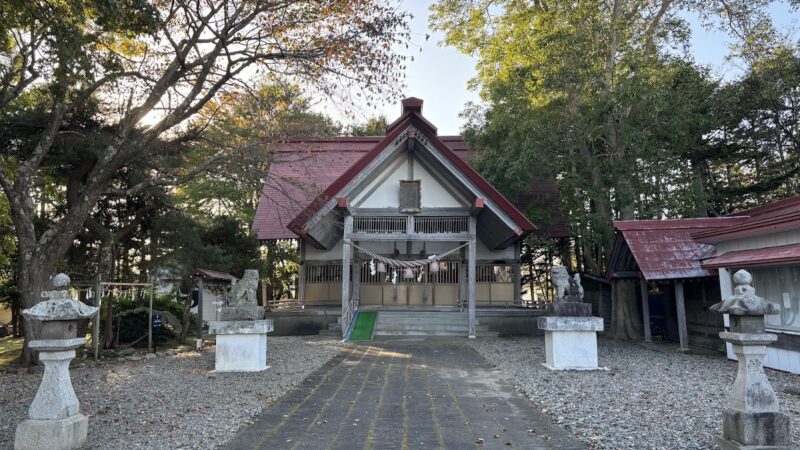
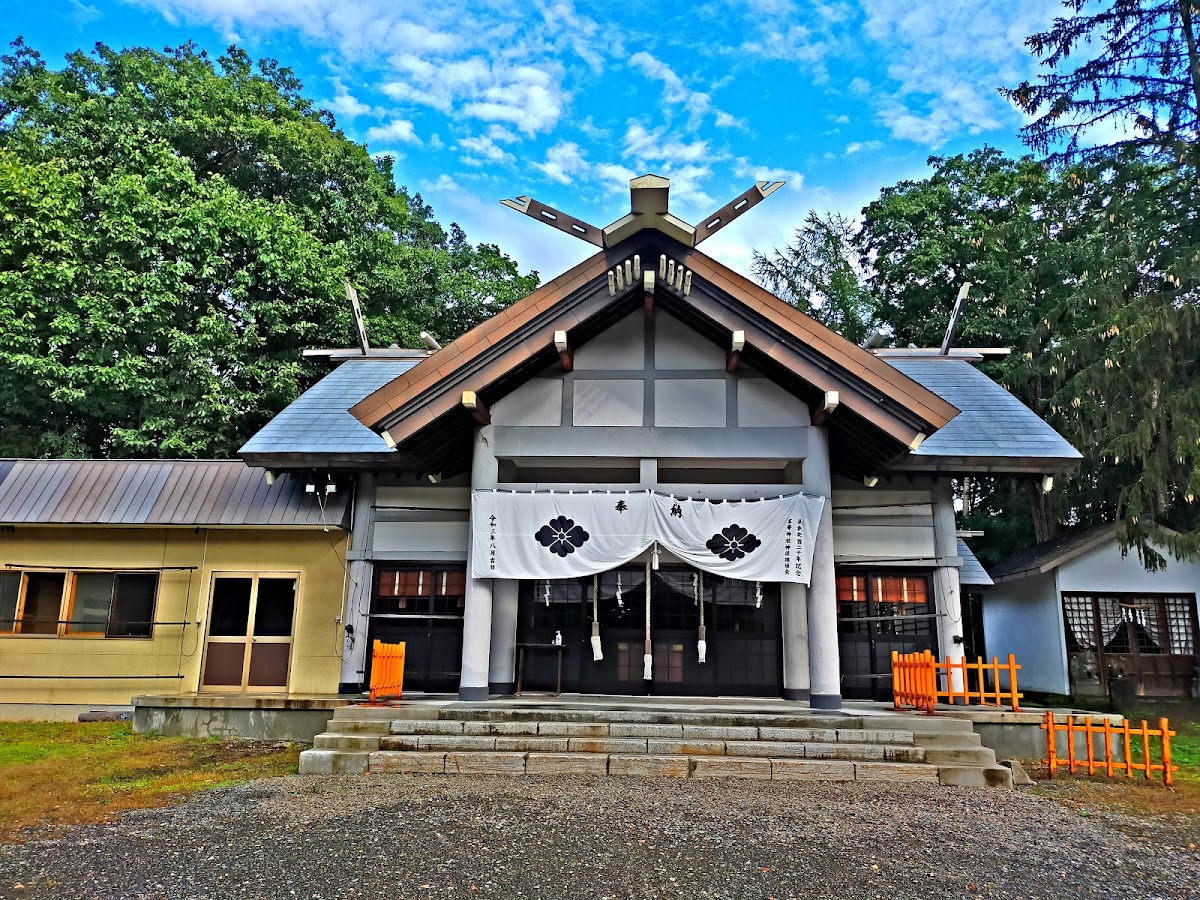
Main Shrine (Nayoro Shrine Building)
The oldest concrete main shrine in Hokkaido welcomes visitors with its dignified presence. While maintaining traditional shrine architectural styles, it is a valuable structure that incorporates modern construction techniques.
Subsidiary Shrines
Several subsidiary shrines are located within the grounds of Nayoro Shrine.
Inari Shrine
The Inari Shrine, worshipped as the god of business prosperity and abundant harvests, is enshrined within the grounds. Its vermilion-painted building is distinctive.
Kita Tenjin Shrine
The Kita Tenjin Shrine, dedicated to Sugawara no Michizane, the god of learning, is a popular destination for students and those praying for academic success.
Toyosaka Shrine
The Toyosaka Shrine stands in a corner of the grounds, watching over the prosperity of the region.
Other Facilities
- Shrine Office: Offers Goshuin (temple/shrine seals) and accepts requests for various prayers.
- Saikan (ritual hall): A facility used during Shinto rituals.
- Monument to the War Dead: A monument commemorating those who died in war.
- Shrine of Waka Poetry: A stone monument related to Waka poetry.
- Parking: Parking spaces are available for visitors.
Back Approach
There is also a back approach accessible from the Nayoro Park side, allowing visitors to enter the shrine grounds naturally while strolling through the park.
Goshuin and Amulet Information
About Goshuin
Nayoro Shrine offers Goshuin. They are available at the shrine office, and many visitors receive them as a memento of their visit.
The Goshuin features the calligraphy and red seal of “Nayoro Shrine,” and the date of visit is recorded. The offering fee is the same as for most shrines. Bring your own Goshuincho (stamp book), or you may be able to obtain one at the shrine.
Amulets and Souvenirs
Nayoro Shrine offers a variety of amulets and souvenirs.
- Traffic Safety Amulet: Prayers for safety when driving or cycling.
- Academic Success Amulet: Prayers for success in exams and academic achievement.
- Family Safety Amulet: Prayers for the health and safety of the family.
- Exorcism Amulet: For those in their unlucky year or those seeking protection from misfortune.
- Matchmaking Amulet: For those seeking a good partner.
- Safe Childbirth Amulet: Prayers for safe childbirth for pregnant women.
Other items such as protective arrows, rakes, and amulets are also available.
Information on Prayers and Rituals
Nayoro Shrine accepts various prayers for life’s milestones and various wishes.
Main Prayers
Traffic Safety Prayer (Car Blessing)
Traffic safety prayers are offered when purchasing a new car or to pray for accident prevention. You can drive your car onto the shrine grounds to receive the blessing.
Groundbreaking Ceremony
This ceremony, held when constructing a new building, is a ritual to appease the land gods and pray for the safety of the construction and the prosperity of the building. It is performed at the planned construction site.
Roof-Raising Ceremony
This ceremony is held when the building’s framework is completed, and prayers are offered for the safe completion of the building and its long-lasting safety.
Shinto Wedding Ceremony
A traditional Shinto wedding ceremony can be held in a solemn atmosphere. The couple reports the start of their new life to the gods and pledges their eternal vows.
Prayer for Safe Childbirth
This prayer is often performed on the Day of the Dog in the fifth month of pregnancy, and prayers are offered for the health of both mother and child and for a safe delivery.
First Shrine Visit (Omiyamairi)
This is the first visit to a shrine for a baby after birth, and prayers are offered for their healthy growth. The general guideline is 31 days after birth for boys and 33 days for girls.
Shichi-Go-San Ceremony
Celebrating the growth of children aged 3, 5, and 7, and praying for their future health and happiness.
Exorcism of Misfortune
We perform exorcisms and purification rituals for those entering their unlucky years.
Other Prayers
We accept prayers for various wishes, such as family safety, business prosperity, success in examinations, and recovery from illness.
How to Apply for a Prayer
Those wishing to have a prayer performed should contact the shrine office in advance. Please inform them of the content of the prayer, desired date and time, and number of people to make a reservation. On the day of the prayer, please arrive at the shrine office a little before your reserved time.
Access and Transportation Information
Location
Address: 1 Midorigaoka, Nayoro City, Hokkaido
Located southeast of the center of Nayoro City, on a lush green hillside adjacent to Nayoro Park.
Access by Public Transportation
By JR Train
Get off at Nayoro Station on the JR Soya Main Line and walk for approximately 15 minutes. It’s easiest to head southeast from Nayoro Station towards Nayoro Park.
If walking is difficult, a taxi from Nayoro Station will get you there in about 3 minutes.
By Bus
If using local buses operating within Nayoro City, you can access the site on foot from the nearest bus stop. Please check the Nayoro City bus routes for details.
Access by Car
From the Hokkaido Expressway
- From Asahikawa: Head north on National Route 40 to Nayoro city center. Follow the signs from the city center to arrive.
- From Sapporo: Take the Hokkaido Expressway, then National Route 40 from Asahikawa to Nayoro. The journey takes approximately 3 hours and 30 minutes.
Parking
There is a parking lot for visitors on the temple grounds. During events such as the annual festival, crowds are expected, so please allow ample time for your visit.
Nearby Facilities
Nayoro Shrine is adjacent to Nayoro Park, allowing you to enjoy a stroll through the park in addition to your visit. Nayoro city center is also nearby, allowing you to enjoy sightseeing and dining after your visit.
Points to Note When Visiting Nayoro Shrine
Etiquette for Visiting a Shrine
Please observe the basic etiquette for visiting a shrine.
- Bow before passing through the torii gate.
- Avoid walking in the center of the approach to the shrine.
- Cleanse your hands and mouth at the water basin.
- Offer your donation in front of the main hall.
- Worship using the two bows, two claps, and one bow ritual.
- Bow again at the torii gate when leaving.
Best Time to Visit
Nayoro Shrine can be visited throughout the year, but there are particularly recommended times.
Spring (April-June)
The fresh greenery after the snow melts is beautiful, and you can visit the shrine in refreshing air.
Summer (July-August)
August, when the annual festival is held, is the busiest time. Recommended for those who want to enjoy the festive atmosphere.
Autumn (September-November)
The autumn leaves are beautiful, and it is also the time for Shichi-Go-San (a traditional Japanese rite of passage for children).
Winter (December-March)
The shrine grounds, covered in snow, have a magical atmosphere. Year-end and New Year’s events, such as the first shrine visit of the year and the year-end purification ceremony, are also held.
Regarding Attire
If you are receiving a prayer, somewhat formal attire is desirable. For general worship, everyday clothes are fine, but please be mindful of the sacred nature of the place when choosing your attire.
The Relationship Between Nayoro City and Nayoro Shrine
The Center of the Local Community
Nayoro Shrine has functioned as a spiritual pillar for the citizens of Nayoro for over 120 years since its founding. Annual events, including the Grand Festival, play a vital role in connecting the local community.
Conveying the History of Development
Nayoro Shrine, which began as a place of worship for pioneers who migrated from Yamagata and Toyama during the Meiji era’s pioneering period, is a valuable presence that conveys the history of Hokkaido’s development. It continues to convey the hardships and faith of the pioneers who forged a new land in a harsh natural environment.
Cultural Value
As the oldest concrete shrine building in Hokkaido, it holds significant architectural value. As a building that blends tradition and innovation during modernization, it can be considered a cultural heritage that should be preserved for future generations.
Nearby Tourist Attractions
When visiting Nayoro Shrine, you can also enjoy nearby tourist attractions.
Nayoro Park
A park adjacent to Nayoro Shrine, where you can enjoy nature throughout the seasons. Well-maintained walking paths allow for a leisurely visit in conjunction with your shrine visit.
Nayoro City Northern Country Museum
This museum offers insights into Nayoro’s history, culture, and nature. Exhibits include materials from the pioneering era, providing valuable insights into the historical background of Nayoro Shrine.
Sun Pillar Park
A representative tourist attraction in Nayoro City, named after the sun pillar phenomenon seen in winter. The vast grounds offer various facilities, making it enjoyable for families.
Nayoro Onsen Sun Pillar
A hot spring facility where you can relax and soothe your tired body after visiting the shrine or sightseeing. Enjoy a relaxing soak in natural hot springs.
Summary
Nayoro Shrine is a historic shrine that has watched over the land of Nayoro since the pioneering era of the Meiji period. It enshrines multiple deities, including Amaterasu Omikami, and offers various blessings such as agricultural protection, academic success, and family safety.
The oldest concrete shrine building in Hokkaido is of great historical value, and the grounds also house several smaller shrines, including Inari Shrine and Kita Tenjin Shrine. The annual grand festival, held from August 4th to 6th, is a major event that colors the summer in Nayoro and attracts many visitors.
The shrine is easily accessible, about a 15-minute walk or a 3-minute drive from JR Nayoro Station, and its lush green surroundings adjacent to Nayoro Park are also appealing. The shrine offers Goshuin (shrine stamps) and various prayers, making it a place to visit for important life events and to offer prayers for various wishes.
When you visit Nayoro, we highly recommend visiting Nayoro Shrine to experience its history of settlement and the local faith. It will be a precious time to calm your mind in a solemn atmosphere and express your daily gratitude and wishes to the gods.