Itsukushima Shrine (Mashike Town, Hokkaido) Complete Guide | History, Sculpture, Goshuin (Shrine Seal), and Access Information
Itsukushima Shrine (Mashike Itsukushima Shrine), located in Mashike Town, Mashike District, Hokkaido, is one of Hokkaido’s most historic shrines, founded during the Hoei era (1704-1711) in the early Edo period. The magnificent carvings on the main hall, constructed entirely of zelkova wood, continue to captivate visitors. This article comprehensively covers everything you need to know before visiting Itsukushima Shrine, including its history, architectural beauty, goshuin information, access methods, and nearby tourist attractions.
About Itsukushima Shrine
Basic Information
Location: 3-38 Inaba-cho, Mashike-cho, Mashike-gun, Hokkaido 077-0204
Deity Enshrined: Ichikishima-hime no Mikoto
Founded: Hoei era (1704-1711)
Phone Number: 0164-53-2306
Visiting Hours: Open all day (check with the shrine office)
Admission Fee: Free
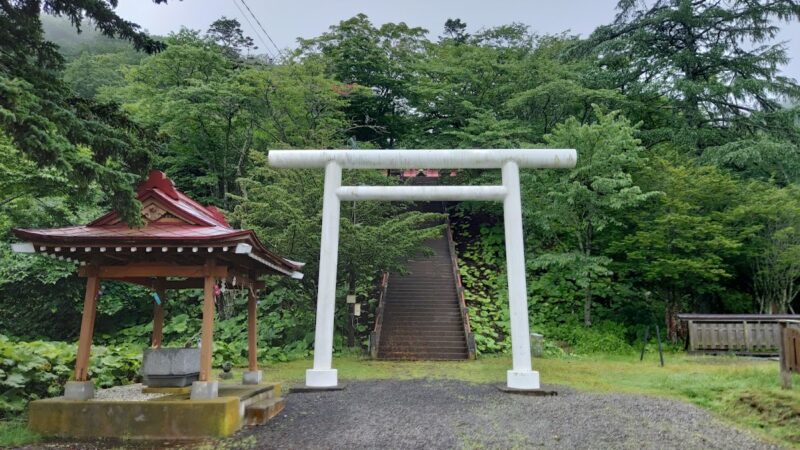
Itsukushima Shrine is located in the heart of Mashike-cho, conveniently situated about a 5-minute walk from JR Mashike Station. Its vermilion torii gate and beautiful shrine buildings convey the history and culture of Mashike to this day.
Deity Enshrined and Benefits
The main deity, Ichikishima-hime no Mikoto, is one of the three Munakata goddesses and is identified with Benzaiten. It is believed to offer a wide range of blessings, including safety at sea, prosperity in fishing, business success, increased wealth, improvement in performing arts, and matchmaking.
Particularly reflecting the history of Mashike Town’s thriving fishing industry, there is a deep-seated faith in praying for safety at sea and abundant catches, and it remains a revered place of worship for local residents and tourists alike. Furthermore, due to its association with Benzaiten (the goddess of fortune), it is also attracting attention as a power spot for increasing wealth and matchmaking.
History of Itsukushima Shrine
Origin of its Founding
The founding of Itsukushima Shrine dates back to the Hoei era in the early Edo period. At that time, the Matsumae Domain designated fishing grounds, and the Mashike area was assigned to Shimokuni Hyōtayu, a retainer of the domain. Later, Murayama Denbei, a merchant from Matsumae, took over the management of fishing and various local affairs from Shimokuni Hyōtayu.
Murayama Denbei was from Noto Province (present-day Ishikawa Prefecture). It is believed that the Itsukushima Shrine originated in 1706 (Hōei 3) when he established a customs house in Mashike and enshrined Benzaiten as the guardian deity of the house. However, there are records suggesting it was established in 1751 (Hōreki 1) when he contracted the Mashike area from the Hakodate Magistrate’s Office, so there are some differing opinions regarding the exact founding date.
History of Development
Initially, the shrine was small, but as Mashike developed as a center of fishing and commerce, Itsukushima Shrine also grew in importance as the local guardian shrine. Around 1760, a full-fledged shrine building was constructed, and it subsequently underwent further development through relocation and reconstruction.
In the Meiji era, due to the separation of Shinto and Buddhism, the shrine’s name was changed from Benzaiten to Itsukushima Shrine. In 1901 (Meiji 34), the current main hall, a carved structure entirely made of zelkova wood, was completed and became known as one of the most beautiful shrine buildings in Hokkaido.
It is said that the most skilled carpenters and sculptors of the time were involved in the construction of this main hall, and it is highly regarded as a masterpiece of shrine architecture in Hokkaido.
Connection to the History of Mashike Town
Mashike Town is a port town that prospered greatly from herring fishing. From the Meiji to Taisho periods, during the peak of the herring fishing season, it was so bustling that it was called “Mashike with a Thousand Houses.” Throughout this period of prosperity, Itsukushima Shrine attracted the faith of fishermen and merchants, and functioned as a spiritual pillar of the town.
Even today, it is located in the heart of Mashike Town’s historic streets, where many historical buildings remain, and is cherished as a symbol of the town’s history and culture.
Highlights of Itsukushima Shrine
The Main Hall Made Entirely of Zelkova Wood
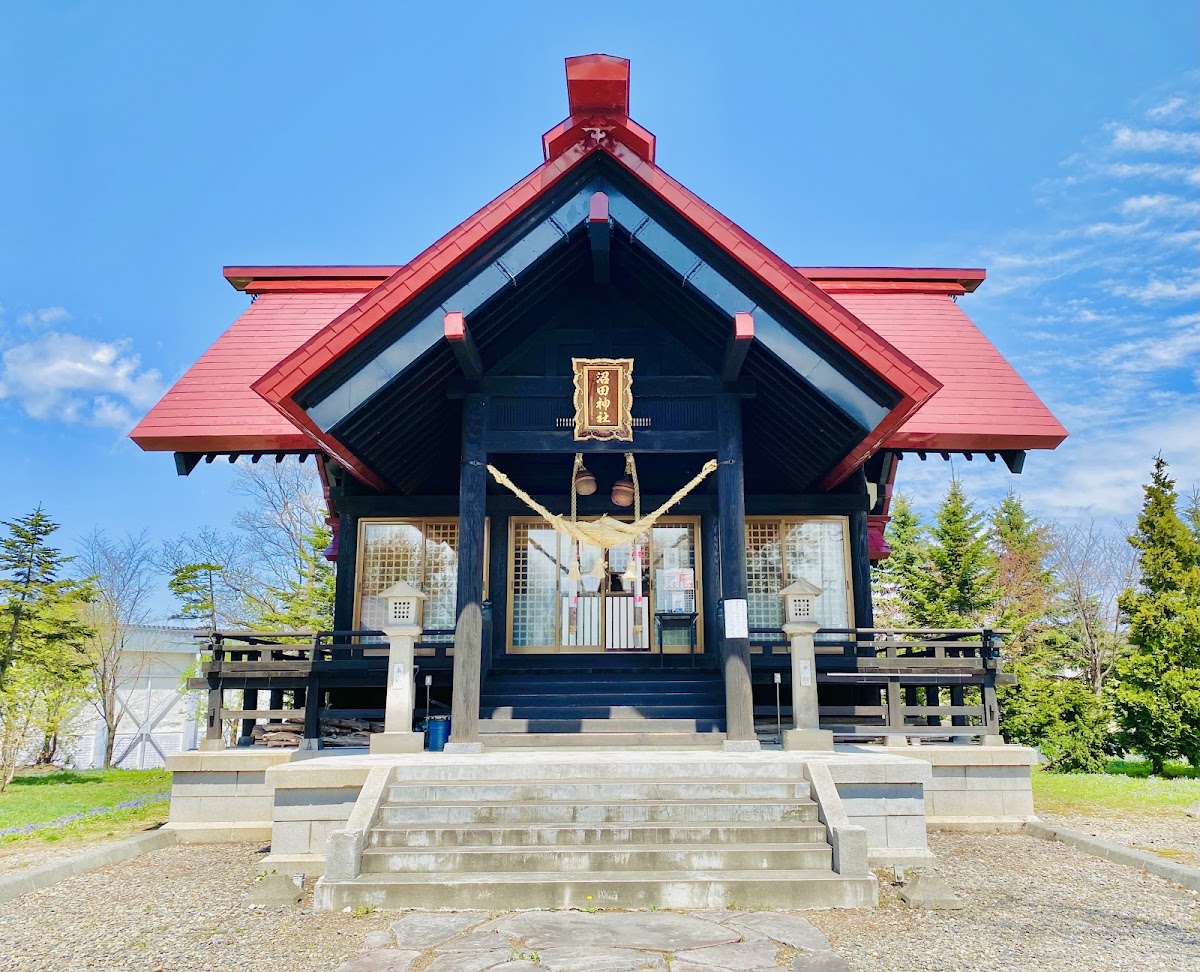
The greatest highlight of Itsukushima Shrine is the main hall, completed in 1901 (Meiji 34), which is entirely made of zelkova wood. It is a rare example of a shrine building constructed entirely of zelkova wood in Hokkaido, and its grandeur and beauty overwhelm visitors.
Zelkova wood is a hard and durable wood, considered the highest quality building material. This main hall has maintained its beautiful form for over 100 years, a testament to its ability to withstand Hokkaido’s harsh climate and a testament to the high level of architectural skill.
Exquisite Sculptures
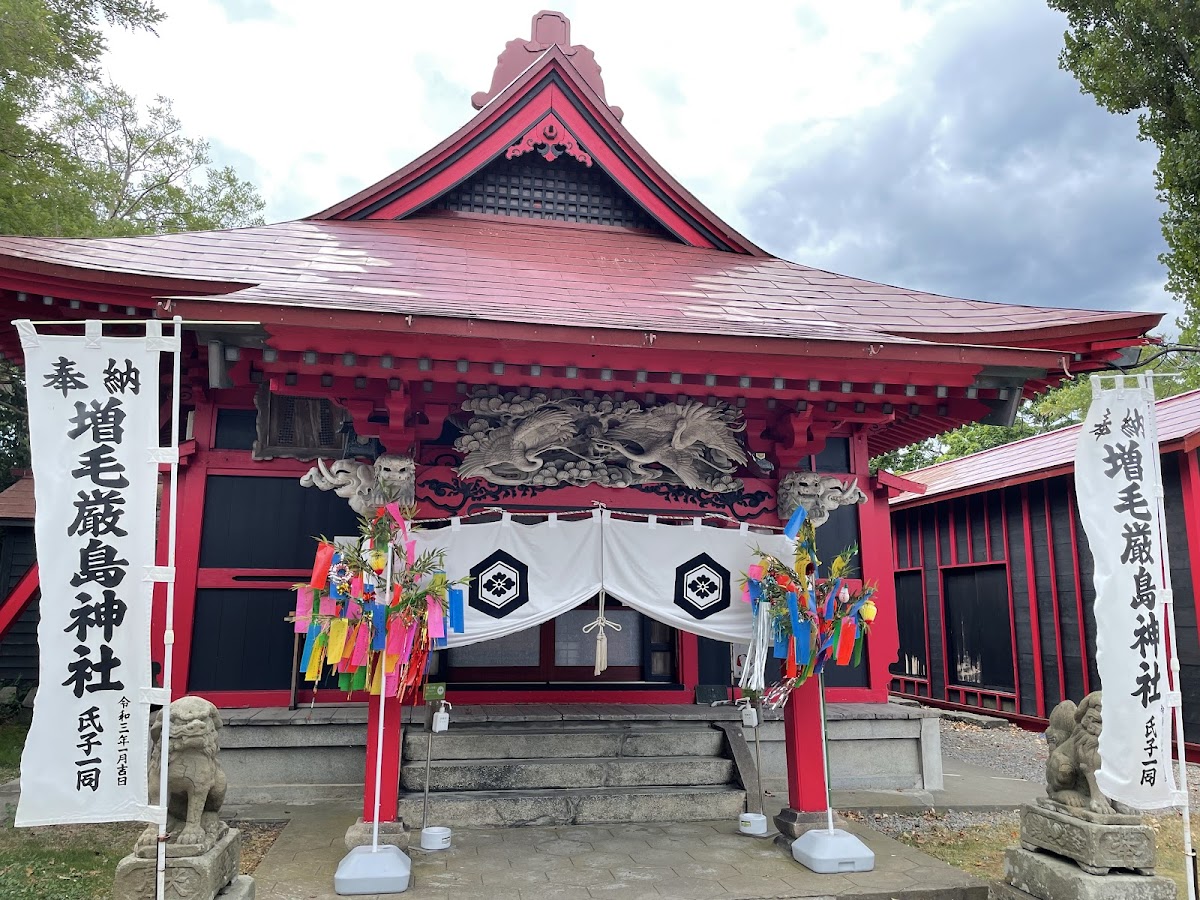
The main hall and worship hall of Itsukushima Shrine are adorned with astonishingly intricate carvings. The carvings of cranes and pine trees under the eaves of the worship hall are particularly breathtaking. Each feather of the crane and each needle of the pine tree are meticulously carved, and their delicate detail and three-dimensionality captivate the viewer.
The frog-leg-shaped brackets (kaerumata) are adorned with lion carvings, which are also well worth seeing. The powerful expressions and dynamic poses of the lions demonstrate the exceptional skill of the craftsmen.
These carvings are not merely decorative; each holds auspicious meanings. Cranes symbolize longevity and happiness, pine trees symbolize eternal youth and longevity, and lions symbolize protection and warding off evil.
Beautiful Vermilion Exterior
The pillars, beams, and roof of Itsukushima Shrine are finished in beautiful vermilion. This signifies that it enshrines a divided spirit from the original Itsukushima Shrine in Miyajima, Hiroshima Prefecture, and the vibrant vermilion stands out against the blue sky and green nature of Hokkaido.
Vermilion has been considered a sacred color since ancient times, symbolizing protection against evil and vitality. It is regularly repainted to maintain its beautiful condition.
Atmosphere of the Shrine Grounds
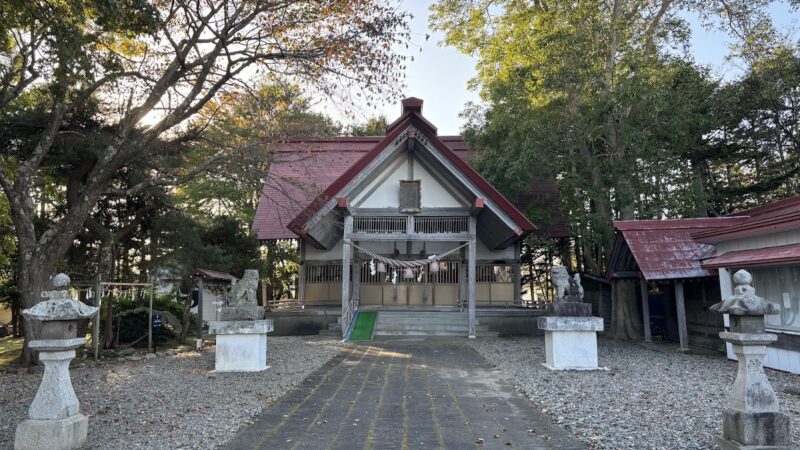
The shrine grounds are always kept clean and well-maintained, creating a tranquil atmosphere. Located in the heart of Mashike town, stepping onto the shrine grounds offers a serene and sacred experience, far removed from the hustle and bustle.
The basic elements of a shrine—the stone steps leading to the main hall, the purification fountain, and the guardian lion-dogs—are compactly arranged, making it easy to visit.
Exhibition of Paintings and Other Artifacts
Inside the main hall, historically valuable paintings and offerings are on display. These are invaluable materials that tell the story of Mashike town’s history and the depth of faith in Itsukushima Shrine. They are sometimes displayed on special occasions, so it’s a good idea to check before visiting.
Goshuin (Shrine Seal) Information
Itsukushima Shrine offers Goshuin. Goshuin are proof of your visit and an important way to document your connection with the shrine.
Goshuin Reception
Goshuin can be obtained at the shrine office, but since staff may not always be present, it’s recommended to call ahead to confirm. If the chief priest is absent, they may be able to mail it to you later.
About the Goshuincho (Stamp Book)
Please check upon your visit whether Itsukushima Shrine has its own original goshuincho. For those visiting shrines in Hokkaido, the goshuin (stamp) from Mashike Itsukushima Shrine will be a precious addition to your collection.
Access Information
Access by Public Transportation
Using the JR Rumoi Main Line
*Note: As of March 31, 2023, the section of the JR Rumoi Main Line between Rumoi Station and Mashike Station has been discontinued.
Currently, you can access the shrine in the following ways:
By Bus
- Approximately 3 hours and 30 minutes from Sapporo to Mashike by Engan Bus “Express Haboro”
- Approximately 2 hours from JR Fukagawa Station to Mashike by Engan Bus
- Approximately 5 minutes on foot from Mashike bus stop
Access by Car
From Sapporo
- Approximately 2 hours and 30 minutes from Sapporo via National Route 231 (Ororon Line)
- Approximately 1 hour and 30 minutes from Fukagawa IC via National Route 233 and National Route 231
From Asahikawa
- Approximately 2 hours from Asahikawa via National Route 233
Parking
There is parking space around the shrine, but the number of spaces is limited, so please consider using public parking lots in Mashike town during busy times.
Access from the Former Mashike Station
The shrine is approximately a 5-minute walk from the former Mashike Station (now preserved as a tourist facility). The station building is designated as a nationally registered tangible cultural property and is worth visiting in conjunction with the shrine. ## Recommended Tourist Spots Around Itsukushima Shrine
Former Mashike Station
Mashike Station, the terminal station of the JR Rumoi Main Line which was discontinued in 2016, preserves its wooden station building constructed in 1921 (Taisho 10). It is designated as a National Registered Tangible Cultural Property and boasts a charming retro atmosphere. The station building houses a tourist information center and exhibition space.
Former Maruichi Honma Merchant House
This merchant house from the Meiji era, which prospered from herring fishing, is designated as a National Important Cultural Property. It is a valuable facility where you can learn about the lifestyle of wealthy merchants at the time and the prosperity of Mashike. You can also tour the interior of the building and appreciate the beautiful Japanese architecture and historical furnishings.
Mashike Town Comprehensive Exchange Promotion Facility (Former Jinya)
This facility allows you to learn about the history and culture of Mashike, and you can learn about the origins of Mashike Town through exhibits and videos. It is also convenient for gathering tourist information.
Kunimare Sake Brewery
Founded in 1882 (Meiji 15), this is Hokkaido’s northernmost sake brewery. The historic building is a nationally registered tangible cultural property, and tours and tastings are available. The sake, brewed with the famous spring water of Mashike, is a popular souvenir.
Mashike Lighthouse
A white lighthouse located north of Mashike Port, along the road leading to Ofuyu Cape. From the surrounding area, you can enjoy magnificent views of the Sea of Japan, and it’s also known as a famous spot for sunsets.
Shokanbetsu Teuri Yagishiri Quasi-National Park
A quasi-national park centered around Mount Shokanbetsu, which rises behind Mashike Town. It boasts rich nature and diverse alpine plants, making it a great place for mountain climbing and hiking.
Recommended Gourmet Around Itsukushima Shrine
Seafood Cuisine in Mashike
Mashike Town is a port town facing the Sea of Japan, and it prides itself on its fresh seafood. Mashike is particularly famous for its sweet shrimp, sea urchin, and scallops, and you can enjoy fresh seafood bowls and sashimi set meals at restaurants in the town.
Mashike Soba
Handmade soba noodles made with buckwheat grown in and around Mashike town are also a local specialty. The fragrant and smooth noodles are perfect for a meal during sightseeing.
Local Sake and Regional Cuisine
Many restaurants in the town offer regional cuisine made with local ingredients, paired with sake from Kunimare Brewery. You can also enjoy delicacies such as pickled herring and herring roe.
Cafes and Coffee Shops
Mashike town also has cafes and coffee shops with a retro atmosphere. Enjoying local sweets and coffee is recommended as a break during your stroll.
Hotels and Accommodations near Itsukushima Shrine
Mashike town has accommodations such as guesthouses and inns. The neighboring city of Rumoi also has a variety of hotels and hot spring inns, making it a convenient base for your trip.
Accommodation in Mashike Town
- Enjoy local seafood cuisine at guesthouses and inns.
- Enjoy a homey atmosphere and interact with locals.
Accommodation in Rumoi City
- A wide variety of options, from business hotels to hot spring inns.
- Approximately 20-30 minutes by car from Mashike Town.
Events held around Itsukushima Shrine
Mashike-Teshio Road Opening Commemorative Event
Mashike Town sometimes holds commemorative events to mark milestones such as road openings. These include sales of local specialty products and stage events.
Mashike Town Tourism Events
Mainly in the summer, port festivals and events featuring agricultural and marine products are held. Gourmet events using local ingredients are also popular.
Annual Grand Festival
Itsukushima Shrine also holds its annual grand festival. As a traditional local event, portable shrines and Kagura (sacred dance) are sometimes offered. The dates vary each year, so please check in advance.
Visitor Trends and Points for Visiting
Best Seasons to Visit
Spring (April-June)
A refreshing season after the snow melts. The shrine grounds are especially vibrant during cherry blossom season.
Summer (July-August)
The busiest season for tourists. The contrast between the blue sky and the vermilion shrine buildings is beautiful.
Autumn (September-November)
The season of autumn leaves. The surrounding mountains are ablaze with color, creating a peaceful atmosphere for worship.
Winter (December-March)
Itsukushima Shrine in a snowy landscape also has its own charm. However, caution is needed regarding snow and icy roads.
Estimated Time Required for Visiting
If you only wish to worship within the shrine grounds, it will take about 15-20 minutes. However, if you plan to carefully admire the carvings or take photographs, it is recommended to allow 30 minutes to an hour.
Photography Tips
- Full view of the vermilion torii gate and main hall
- Crane and pine carvings on the front of the worship hall (a telephoto lens will allow you to capture details)
- Lion carvings on the brackets
- View of the townscape of Mashike from the shrine grounds
Photography inside the main hall may be prohibited, so please check in advance.
Itsukushima Shrine Reviews and Reputation
The following are some comments from people who have actually visited Itsukushima Shrine:
Impressed by the beauty of the carvings
Many people commented, “I was overwhelmed by the exquisite craftsmanship of the main hall, which is made entirely of zelkova wood, and the crane carvings in front of the worship hall. The meticulousness of the work is captivating.”
Feeling the history
“It is a historic shrine that has existed since the Edo period, and I was able to feel the history of Mashike town’s prosperity,” praising its historical value.
Good atmosphere on the grounds
Many people commented, “The grounds are beautifully maintained, and the atmosphere is quiet and peaceful. I felt like my soul was cleansed.”
Easy Access
“Located just a 5-minute walk from the former Mashike Station, it’s easily accessible for tourists visiting Mashike,” is a highly appreciated feature.
Beauty of the Vermilion Painting
“It enshrines a divided spirit from Itsukushima Shrine in Hiroshima, and the vermilion-painted pillars and beams are beautiful. It has a striking presence amidst Hokkaido’s natural scenery.”
Recommended Shrines and Temples to Visit Together
Rumoi Shrine (Rumoi City)
Located in Rumoi City, next to Mashike Town, this shrine is revered as the guardian shrine of Rumoi. It’s about a 30-minute drive from Mashike.
Hokkaido Shrine (Sapporo City)
Hokkaido Shrine is known as the guardian shrine of Hokkaido. Visiting it in conjunction with Sapporo sightseeing is recommended.
Kamikawa Shrine (Asahikawa City)
The guardian shrine of Asahikawa City, it boasts a beautiful shrine building and vast grounds. It’s a convenient stop when traveling from Asahikawa to Mashike.
Summary
Itsukushima Shrine in Mashike Town, Hokkaido, is one of Hokkaido’s leading ancient shrines, boasting three main attractions: a history dating back to the Edo period, a magnificent main hall constructed entirely of zelkova wood, and exquisitely crafted carvings. It enshrines Ichikishimahime-no-Mikoto and is believed to offer various blessings, including maritime safety, fishing prosperity, increased wealth, and matchmaking.
Mashike Town is a historic port town that prospered from herring fishing, and offers numerous sights to see, such as the former merchant house Maruichi Honma and Kunimare Sake Brewery. In addition to visiting Itsukushima Shrine, you can enjoy a variety of activities, including exploring the town’s history, savoring fresh seafood, and sampling local sake.
While public transport access has become somewhat inconvenient due to the closure of the JR Rumoi Main Line, it is still accessible by bus and car. Please consider visiting it as a destination for a driving trip from Sapporo or Asahikawa, or as part of a journey to deeply understand Hokkaido’s history and culture.
The beautiful vermilion-lacquered shrine and exquisite carvings await you. You can spend a special time here, calming your mind in the tranquil grounds and reflecting on the history of Hokkaido’s development.