Complete Guide to Tomamae Shrine | History, Goshuin (Shrine Seal), and Access Information for Hokkaido’s Oldest Local Shrine
Tomamae Shrine, located in Tomamae-cho, Tomamae-gun, Hokkaido, is a historic shrine founded in 1786. It boasts one of the oldest histories among Hokkaido’s shrines and has long been revered by the local people as the guardian shrine of Tomamae-gun. This article provides detailed information useful for visitors, including the history of Tomamae Shrine, its enshrined deities, goshuin information, and access methods.
About Tomamae Shrine
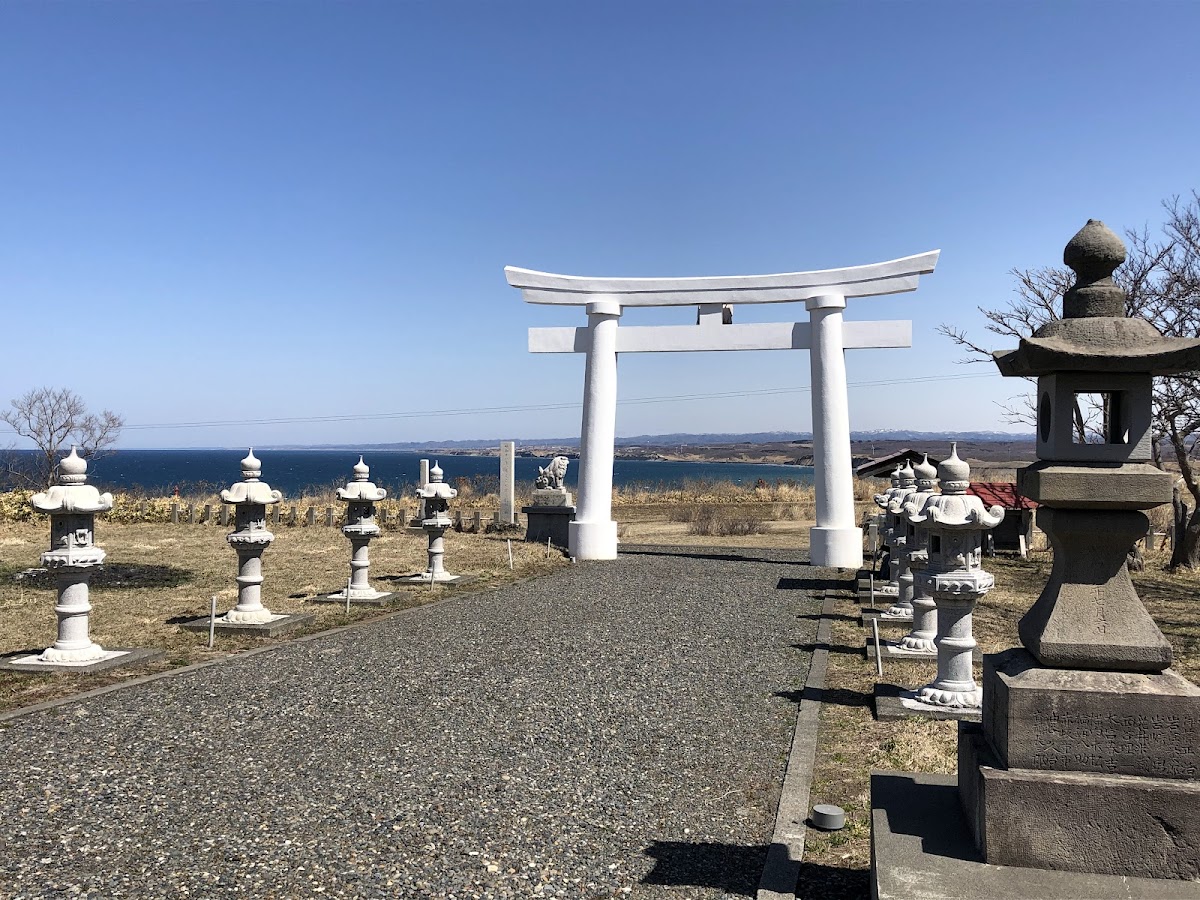
Tomamae Shrine is located at 106 Tomamae, Tomamae-cho, Tomamae-gun, Hokkaido, and its former shrine rank was Gōsha (local shrine). It sits on a hill near Tomamae Fishing Port, enjoying a scenic location overlooking the Sea of Japan. As the oldest shrine in Tomamae-gun, it has played a vital role as a spiritual pillar of the region from the Edo period to the present day. ### Basic Information
- Location: 106 Tomamae, Tomamae-cho, Tomamae-gun, Hokkaido
- Former Shrine Rank: Gosha (Village Shrine)
- Annual Festival Date: July 6th
- Goshuin (Shrine Seal): Available (Granted at the shrine office)
About the Deities
The main deity of Tomamae Shrine is Ichikishimahime-no-Mikoto. Ichikishimahime-no-Mikoto is known as one of the three Munakata goddesses and is widely worshipped as the goddess of maritime safety, traffic safety, performing arts, and wealth.
While the Shrine Association records only mention Ichikishimahime-no-Mikoto, the local shrine history states that the following deities are also enshrined.
- Ukemochi no Okami: God of food and grains
- Omononushi no Okami: God of nation-building and business prosperity
These gods are deeply connected to the industries of the Tomamae region, centered on fishing and agriculture, and have been objects of worship for people praying for the prosperity of the region.
History of Tomamae Shrine
Founding and the Edo Period (Tenmei 6th year -)
The history of Tomamae Shrine dates back to Tenmei 6th year (1786). It is believed to have been founded and enshrined by the then-governor of Tomamae in Oku-Ezo (northern Ezo) when he was developing the area. From its founding, all expenses were covered and the shrine was maintained by the Unjoya Yakusho (office of the land contractor).
According to one theory, the shrine originated in 1804 (Bunka 1) with a Benten shrine established by the Suhara Kakubei family, who were contractors for the trading post. During this period, trade flourished throughout Hokkaido under the Matsumae Domain’s trading post system, and Tomamae developed as an important trading point.
Reconstruction of the Shrine and the Domain Period
The shrine was rebuilt in 1812 (Bunka 9). Later, in 1860 (Man’en 1), the area became known as Tomamae District due to a county reorganization, and simultaneously became part of the Shonai Domain. Subsequently, in 1870 (Meiji 3), it became part of the Mito Domain. Throughout these periods, repairs and rituals were carried out using domain funds, and the shrine was devoutly worshipped as the guardian shrine of Tomamae District.
This history demonstrates that Tomamae Shrine was not merely a local shrine, but a prestigious shrine that received official support from the domain.
From the Meiji Era Onward
From the beginning of the Meiji era until 1942 (Showa 17), Tomamae Shrine was known as Itsukushima Shrine. This name stemmed from the fact that its enshrined deity, Ichikishimahime-no-Mikoto, is also the principal deity of Itsukushima Shrine in Hiroshima.
Under the Meiji era’s shrine ranking system, Tomamae Shrine was ranked as a Gōsha (village shrine). A Gōsha is a rank indicating a central shrine within a county, demonstrating the important role Tomamae Shrine played in the region.
From the Showa Era to the Present
After 1942 (Showa 17), the shrine’s name changed from Itsukushima Shrine to its current name, Tomamae Shrine. Even after the war, it continues to welcome many worshippers as the local guardian shrine and a valuable cultural asset that conveys the history of Hokkaido.
In recent years, the shrine has also been engaged in modern information dissemination, such as sharing daily life and festivals through social media (Instagram).
Highlights of the Shrine Grounds
Historical Stone Sculptures
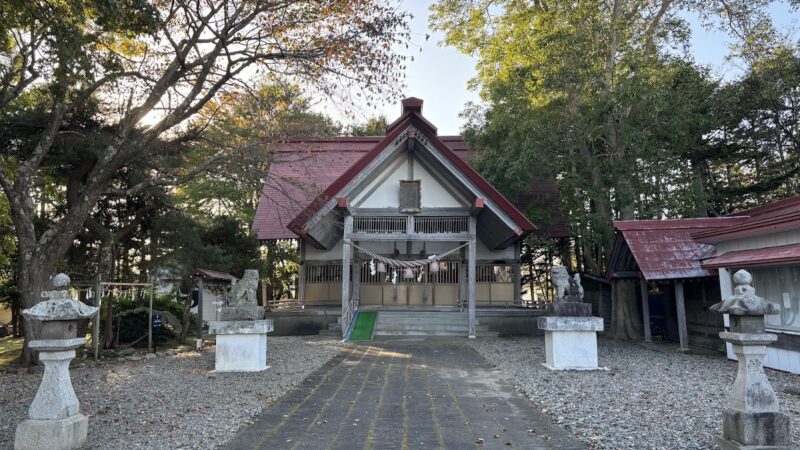
The grounds of Tomamae Shrine contain valuable stone sculptures dating back to the Edo period.
A stone lantern donated in 1823 (Bunsei 6) was donated approximately 200 years ago, conveying the deep faith of that time. Also, guardian lion-dogs donated in March 1864 (Bunkyu 4) still exist, representing a valuable cultural asset showcasing the stonemasonry techniques of the late Edo period.
These stone sculptures are extremely old for a shrine in Hokkaido and serve as important historical documents illustrating the depth of Tomamae Shrine’s history.
Atmosphere of the Shrine and Grounds
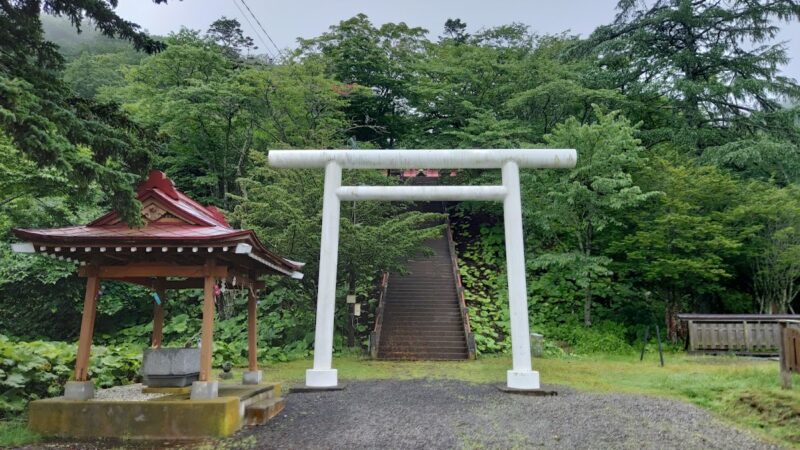
Tomamae Shrine is located on a hill near Tomamae Fishing Port, offering beautiful views of the Sea of Japan from its grounds. The quiet and solemn atmosphere of the grounds provides peace of mind to visitors.
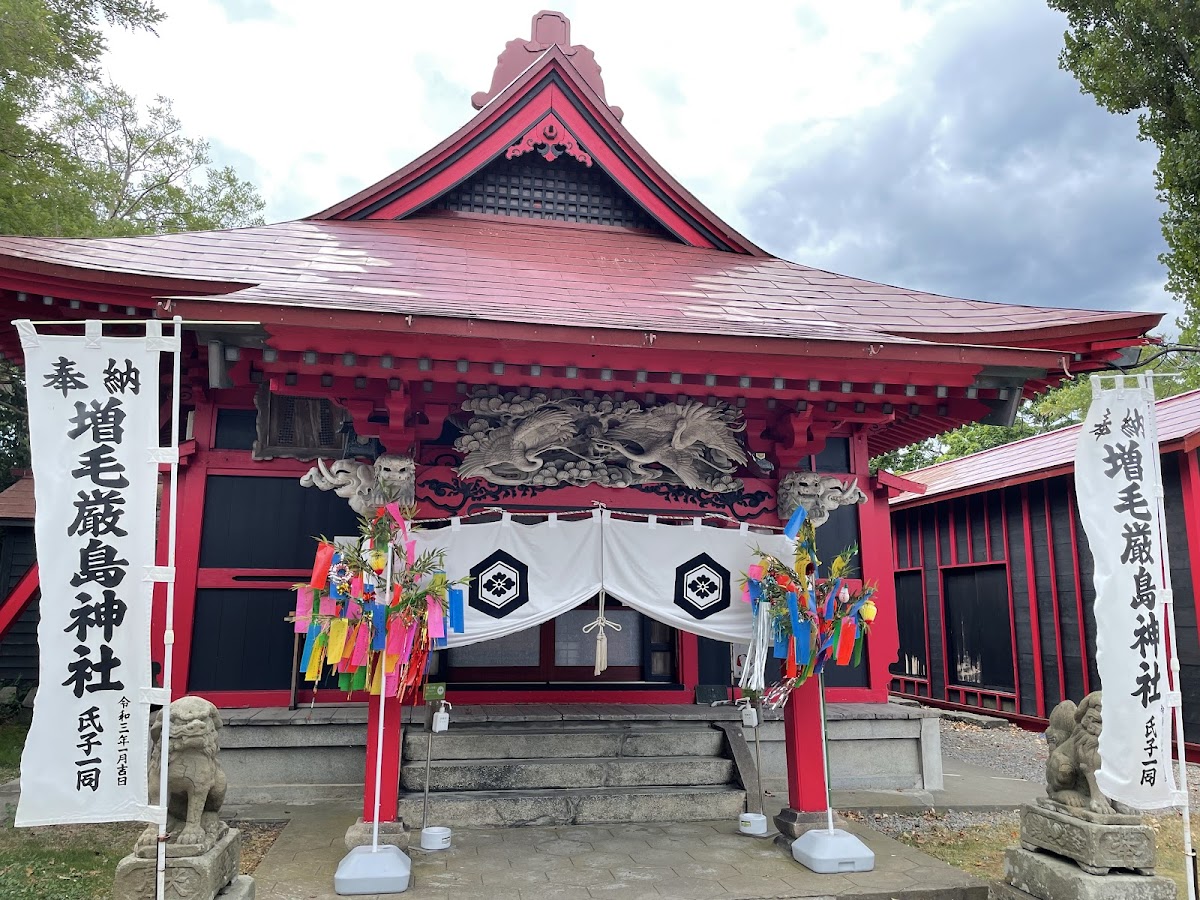
The shrine building is constructed in a traditional style, exuding a dignified atmosphere that reflects its long history. The grounds are meticulously maintained, conveying the deep care and affection the local community cherishes.
Goshuin Information
Tomamae Shrine offers goshuin (shrine stamps). Goshuin are not only a memento of your visit and proof of worship, but are also cherished by many as a way to deepen your connection with the shrine.
About Goshuin Issuance
- Location of Issuance: Shrine Office
- Donation Fee: Usually around 300-500 yen (We recommend confirming upon your visit)
- Reception Hours: During the hours the shrine office is open (We recommend confirming in advance)
The goshuin will feature the calligraphy of “Tomamae Shrine” and the shrine’s seal. As a goshuin from one of Hokkaido’s oldest shrines, it will add a special page to your goshuin book.
Points to Note When Receiving a Goshuin (Shrine Seal)
Depending on the size of the shrine and the time of year, the chief priest may be absent. If you wish to be sure to receive a Goshuin, it is recommended to check in advance by phone or other means. Also, since the Goshuin is proof of your visit, please be sure to pray before receiving it.
Annual Festival and Other Annual Events
Annual Festival (July 6th)
The annual festival of Tomamae Shrine is held every year on July 6th. This is the most important festival of the year for the shrine, where gratitude is offered to the enshrined deity and prayers are offered for the peace and prosperity of the region.
On the day of the festival, a solemn ritual is performed by the Shinto priests, and many people from the community visit to pray. It has become a deeply rooted traditional event in the community, a summer tradition of Tomamae Town.
Other Annual Events
In addition to the annual festival, Tomamae Shrine also holds the following annual events:
- New Year’s Day Festival (January 1st): Celebrating the New Year and praying for peace throughout the year.
- Setsubun Festival (around February 3rd): Praying for protection from evil and good fortune.
- Autumn Grand Festival: Giving thanks for a bountiful harvest.
For details on these events, please check the shrine’s official social media or local information.
Access Information
Location
106 Tomamae, Tomamae-cho, Tomamae-gun, Hokkaido 078-3701
Access by Public Transportation
The JR Rumoi Main Line was completely discontinued at the end of March 2023, so public transportation access is mainly by bus.
- Coastal Bus: There is a bus route from Rumoi City to Tomamae Town.
- Access is possible on foot from the nearest bus stop.
Since the number of public transportation services is limited, it is recommended to check the timetable in advance.
Access by Car
Access by car is the most convenient.
- From Sapporo: Take National Route 231 (Ororon Line) north, approximately 3 hours.
- From Asahikawa: Take National Route 233 to Rumoi, then take National Route 232 north, approximately 2 hours 30 minutes.
- From Rumoi City: Take National Route 232 north, approximately 30 minutes.
Parking
There is parking space around the shrine. However, congestion is expected during events such as festivals, so it is recommended to visit with plenty of time to spare.
About Tomamae Town
Tomamae Town is located in the central part of the Rumoi region of Hokkaido, facing the Sea of Japan. It has a thriving fishing industry, and is particularly famous for its seafood such as shrimp and octopus.
Tourist Spots in Tomamae Town
When visiting Tomamae Shrine, why not also visit the following tourist spots?
- Sankebetsu Brown Bear Incident Restoration Site: A historical site of Japan’s largest bear attack.
- Tomamae Onsen Fuwatto: A day-trip hot spring facility.
- Tomamae Town Local History Museum: A facility where you can learn about the history of the region.
Tomamae Town’s Specialty Products
- Sweet Shrimp: Fresh sweet shrimp caught off the coast of Tomamae.
- Octopus: Thick and delicious octopus.
- Melon: A popular summer specialty.
Manners and Points for Visiting a Shrine
Basic Worship Etiquette
- Bow before passing through the torii gate: Show respect before entering the sacred area.
- Purify yourself at the water basin: Purify your left hand, right hand, and mouth in that order.
- Walk along the edge of the path: The center is considered the path of the gods.
- Two bows, two claps, one bow: Basic etiquette in front of the main hall.
Attire for Visiting the Shrine
While no special attire is required, please remember that shrines are sacred places, so please dress in a clean and respectful manner.
Photography
Photography is generally permitted within the shrine grounds, but restrictions may apply inside the main hall or during religious ceremonies. Please check with a Shinto priest if you have any questions.
The Charms of Tomamae Shrine
One of Hokkaido’s Oldest Histories
Founded in 1786 (Tenmei 6), it boasts one of the oldest histories among Hokkaido’s shrines. As a place of worship continuing since the Edo period, it is a valuable site that conveys the history of Hokkaido’s development.
Beautiful Natural Environment
Perched on a hill overlooking the Sea of Japan, Tomamae Shrine is surrounded by abundant nature. Enjoying the scenery of the four seasons while visiting is a major attraction.
A Faith Rooted in the Community
As the guardian shrine of Tomamae County, Tomamae Shrine has long been a center of faith for the local people. It remains a cherished center of the community.
Nearby Shrines and Temples
Besides Tomamae Shrine, there are several other shrines in Tomamae District. If you have time when visiting Tomamae Town, it would be a good idea to visit other shrines as well.
The Hokkaido Shrine Association website provides detailed information on shrines throughout Hokkaido, so we recommend using it as a reference for your shrine visits.
Summary
Tomamae Shrine is one of the oldest shrines in Hokkaido, founded in 1786 (Tenmei 6). With Ichikishimahime-no-Mikoto as its main deity, it has long been the guardian shrine of Tomamae District, attracting the faith of the local community.
The shrine’s greatest attractions include cultural assets such as stone lanterns and guardian lion-dogs dating back to the Edo period, its beautiful location overlooking the Sea of Japan, and its warm, community-rooted atmosphere. Goshuin (shrine stamps) are also available, so why not visit it as part of your trip to Hokkaido’s historic shrines?
Tomamae Shrine is one of the oldest shrines in Hokkaido, founded in 1786 (Tenmei 6). Tomamae Town is a bit far from Sapporo and Asahikawa, but that means you can enjoy Hokkaido’s magnificent nature and peaceful surroundings. Consider planning a visit to Tomamae Shrine along with a drive along the Orolon Line. It’s sure to be a memorable and special experience.