Complete Guide to Ikutahara Shrine | The Charm and Visiting Information of a Historic Pioneer Shrine in Engaru Town, Hokkaido
Ikutahara Shrine, located in Ikutahara, Engaru Town, Monbetsu District, Hokkaido, is a historic shrine founded during the pioneering era of the Taisho period. It enshrines the three pioneering deities and has been protected as a center of faith for the local residents for over 100 years. This article provides a detailed introduction to Ikutahara Shrine, including its history, enshrined deities, highlights of the grounds, and visiting information.
What is Ikutahara Shrine?
Ikutahara Shrine is a shrine located at 237 Ikutahara, Engaru Town, Monbetsu District, Hokkaido. Its former shrine rank was Village Shrine. Belonging to the Hokkaido Shrine Association, and officially recognized as a religious corporation, it continues to play a vital role as a spiritual pillar for the community.
Location and Access
Location: 237 Ikutahara, Engaru-cho, Monbetsu-gun, Hokkaido
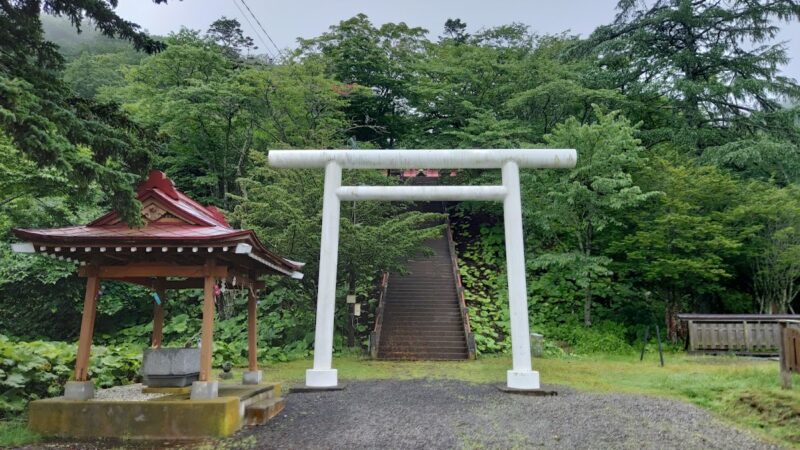
Ikutahara Shrine is located in the Ikutahara district, east of the center of Engaru town. It is within walking distance of Ikutahara Station on the JR Sekihoku Main Line, and its approach to the shrine is characterized by its beautiful, straight scenery. Especially at sunset, the sight of the setting sun directly in front of the approach is often visible, making it a popular spot for photography enthusiasts.
History of Ikutahara Shrine
From the Founding Period to the Taisho Era
The history of Ikutahara Shrine is closely intertwined with the history of Hokkaido’s development. In the early days, the few residents who settled in this area built a small shrine and performed rituals themselves. In the midst of the harsh pioneering life, faith in the gods was a source of strength for the people.
In 1918 (Taisho 7), the residents consulted with each other and petitioned Sapporo Shrine (present-day Hokkaido Shrine), and were granted permission to receive the divided spirits of three great deities. Taking this opportunity, the shrine was renovated and officially established as “Ikutahara Shrine.” This is considered the official founding of Ikutahara Shrine.
Development and Improvement in the Early Showa Period
In 1933 (Showa 8), Mr. Shichiro Komori donated land to the shrine grounds, laying the foundation for the shrine. This contribution to the shrine by a prominent local figure speaks to the depth of faith at the time.
In November 1934 (Showa 9), construction of a new shrine building began, and the development of the shrine grounds in earnest. With the completion of the new shrine building, Ikutahara Shrine took on the appearance of a central place for local religious ceremonies.
In June 1937 (Showa 12), the shrine’s rank was officially recognized, and in 1940 (Showa 15), it was designated a village shrine. A village shrine is the second highest rank under the old shrine ranking system, after a regional shrine, signifying official recognition as an important shrine in the region.
From the Post-War Period to the Present
In 1946 (Showa 21), the shrine was officially established as the religious corporation Ikutahara Shrine, based on the post-war Religious Corporations Law, and has continued to operate to this day.
In August 1956 (Showa 31), the Nishi-Ikutahara Shrine (unofficial) was merged with the Ikutahara Shrine. This unified the faith of the entire Ikutahara area.
In November 1976 (Showa 51), the current building, which serves as both the shrine office and the priest’s residence, was constructed. This building is an important facility that supports the daily management and rituals of the shrine, serving as the base for shrine operations and the priest’s residence.
Deities and Divine Virtues
The deities enshrined at Ikutahara Shrine are the three gods known as the “Three Pioneer Gods.”
Ōkunitama-no-kami
This deity personifies the land of Hokkaido itself and is worshipped as a god who brings the blessings and abundance of the earth. He is an important god for those who prayed for the protection of the land and stability in agriculture and life in the pioneering areas.
Ōnamuchi-no-kami
Another name for Ōkuninushi-no-kami, he is known as the god of nation-building. He is a god with a wide range of divine virtues, including success in pioneering projects, industrial development, matchmaking, and healing from illness.
Sukunahikona-no-kami
A god who worked with Ōnamuchi-no-kami in nation-building, he is worshipped as the god of medicine, hot springs, and incantations. He is also known as the god of agriculture and sake brewing, and was considered important as a god who protected the health and lives of the pioneers.
These three gods are enshrined as the Three Gods of Pioneering at Hokkaido Shrine and other shrines throughout Hokkaido, and are the spiritual pillars of Hokkaido’s pioneering.
Annual Festival and Annual Events
Annual Festival Date
The annual festival date for Ikutahara Shrine is September 20th. The annual festival is the most important ritual for the shrine, and it is the day when the most respectful festival is held for the enshrined deity, once a year. Local residents gather, perform Shinto rituals, and sometimes a portable shrine procession and offering ceremonies take place.
Other Shinto Rituals
In addition to the annual festival, Ikutahara Shrine holds various Shinto rituals throughout the year. These include the New Year’s Day Festival, the Setsubun Festival, and the spring and autumn prayer festivals, all in line with traditional Japanese annual events and closely intertwined with the lives of the local people.
Highlights of the Shrine Grounds
The Straight Approach
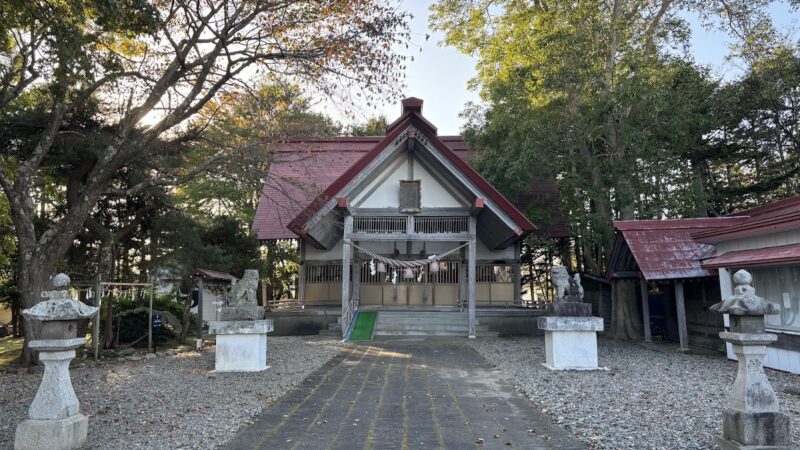
One of the features of Ikutahara Shrine is its beautiful, straight approach. This approach is known as a “photogenic spot” where, if the timing and weather are right, you can see the sunset directly in front of you. The moment the setting sun illuminates the approach to the shrine creates a sacred and fantastical atmosphere.
Shrine Buildings and Grounds
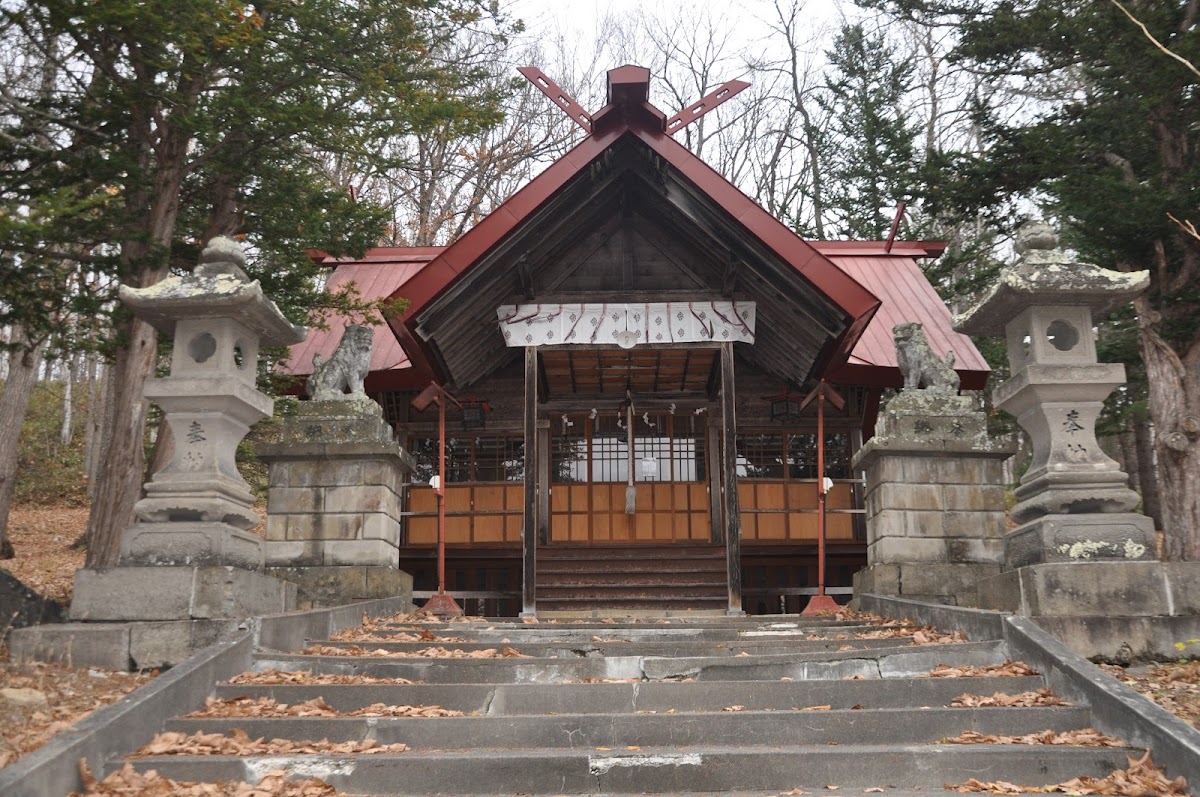
The shrine building, newly constructed in 1934 (Showa 9), has been properly maintained and continues to welcome visitors. Within the grounds is a building that serves as both the shrine office and the priest’s residence, where daily management and rituals are carried out.
Maintenance of the grounds has been continuously carried out since the early Showa period, ensuring a comfortable environment for visitors.
History and Culture of the Ikutahara Area
History of Settlement
The Ikutahara area is a region where full-scale settlement began in the late Meiji era. Amidst a harsh natural environment, settlers gradually formed a community while engaging in agriculture and forestry. The Ikutahara Shrine was founded as a spiritual anchor for the residents within this history of settlement.
History of Coal Mining and the Japan Geopark
The Ikutahara area of Engaru Town once had a coal mine, which supported the local economy. Currently, the former coal mine sites in the town are designated as a Japanese Geopark, and their value as industrial heritage is recognized. When visiting Ikutahara Shrine, understanding this historical background of the region will lead to a deeper understanding.
Manners and Etiquette for Worship
Basic Worship Etiquette
- Bow before passing through the torii gate: Before entering the sacred area, bow before the torii gate.
- Walking along the approach: The center of the approach is considered the path of the gods, so it is polite to walk along the sides.
- Purifying at the water basin: If there is a water basin, purify your left hand, then your right hand, then your mouth.
- Etiquette at the main hall: The basic procedure is two bows, two claps, and one bow. Place your offering, ring the bell, bow deeply twice, clap twice, silently recite your wish, and finally bow once more.
Points to Note When Visiting
Ikutahara Shrine is a shrine deeply rooted in the local community. When visiting, please act quietly and respectfully, and remember that it is a place of worship for the local residents. Photography is generally permitted, but it is considered good manners to refrain from taking pictures inside the shrine buildings or during religious ceremonies.
Nearby Tourist Attractions
Highlights of Engaru Town
Engaru Town, where Ikutahara Shrine is located, also has other attractive tourist spots.
Taiyo-no-Oka Engaru Park: Known as the Rainbow Plaza Cosmos Garden, it is covered in cosmos flowers in the autumn. From the observation deck, you can enjoy a panoramic view of Engaru town.
Shirataki Geopark: Known as a source of obsidian, this area has many Paleolithic sites that have been discovered. At the Geopark Center, you can learn about the geology and history of the region.
Ganbo-iwa (Viewing Rock): A giant rock that can be considered a symbol of Engaru Town, from which you can see the entire town.
About Goshuin (Shrine Seals)
Goshuin are available at Ikutahara Shrine. Goshuin are cherished by many visitors as proof of their visit and as a way to forge a connection with the shrine.
When requesting a goshuin, it is recommended to check the shrine office’s opening hours beforehand. Since the chief priest may be absent, it is advisable to contact the shrine in advance if you wish to be sure to receive a goshuin.
Seasonal Attractions
Spring (April-June)
With the snow melting, greenery returns to the shrine grounds, creating a beautiful season of fresh green leaves. You can enjoy a refreshing visit while experiencing Hokkaido’s short spring.
Summer (July-August)
Hokkaido’s refreshing summer is the perfect season for visiting the shrine. The trees on the grounds are lush and green, allowing for a peaceful visit in the cool air.
Autumn (September-November)
This is the season for the annual festival held on September 20th. The autumn foliage is beautiful, and the approach to the shrine is especially charming at dusk. If the weather is good, you might even be able to witness the spectacular sight of the sunset over the path.
Winter (December-March)
The shrine grounds, covered in snow, are enveloped in silence, creating a solemn atmosphere. While winter visits require preparation for the cold, the shrine amidst the snowy landscape possesses a special beauty.
Ikutahara Shrine and the Local Community
Ikutahara Shrine plays a vital role not only as a religious institution but also as a center of the local community. Annual events, including the annual festival, provide valuable opportunities for local residents to gather and interact.
In rural areas of Hokkaido, where depopulation is progressing, shrines are becoming increasingly important as places to maintain regional identity and foster intergenerational bonds. Ikutahara Shrine also plays a role in passing on the history and traditions of the region to future generations.
Detailed Access Information
Access by Public Transportation
JR Sekihoku Line: Get off at Ikutahara Station, approximately 5-10 minutes on foot.
From Sapporo, transfer to the Sekihoku Line at Asahikawa Station and arrive at Ikutahara Station in approximately 2 hours. From Abashiri, it’s a direct train ride of approximately 1 hour.
Access by Car
From Asahikawa: Take National Route 333 towards Kitami, approximately 2 hours.
From Kitami: Take National Route 333 towards Asahikawa, approximately 1 hour.
From the center of Engaru Town: Approximately 15 minutes by car.
Regarding parking, there may be spaces for visitors on the shrine grounds or nearby, but it is recommended to check on-site or inquire in advance.
Attire and Items to Bring When Visiting
Attire
There are no specific rules, but considering that it is a sacred place, clean and subdued clothing is desirable. Even in summer, avoid revealing clothing, and in winter, adequate cold weather gear is necessary.
Items to Bring
- Goshuincho (stamp book): For receiving Goshuin (stamps)
- Offering: It’s convenient to have small change ready
- Camera: For photographing the beautiful approach and grounds
- Seasonal Gear: Sunscreen and insect repellent in summer, warm clothing and non-slip shoes in winter
The Future of Ikutahara Shrine
In rural areas of Hokkaido, where the population continues to decline, maintaining shrines is a major challenge. However, Ikutahara Shrine has been a center of faith for local residents for over 100 years and has been carefully preserved.
In recent years, the popularity of Goshuin and shrine visits has led to an increase in tourist visits. As a place to convey historical value and local culture, Ikutahara Shrine will continue to play an important role.
Summary
Ikutahara Shrine is a historic shrine that has walked hand in hand with the local residents since its founding in 1918 (Taisho 7), serving as a spiritual pillar for the Ikutahara district of Engaru Town, Hokkaido. It enshrines the three pioneering deities and has received the prayers and faith of people from the harsh pioneering era to the present day.
With its beautiful, straight approach, the fantastical sight of the setting sun, and its history and tradition spanning over 100 years, Ikutahara Shrine encapsulates the history of Hokkaido’s pioneering and its regional culture.
When visiting Engaru Town, be sure to stop by Ikutahara Shrine and offer a quiet prayer. You will be able to spend a peaceful time feeling the history of the pioneers’ hardships and faith. Why not offer your own prayer at this shrine that has been carefully preserved by the local people?