
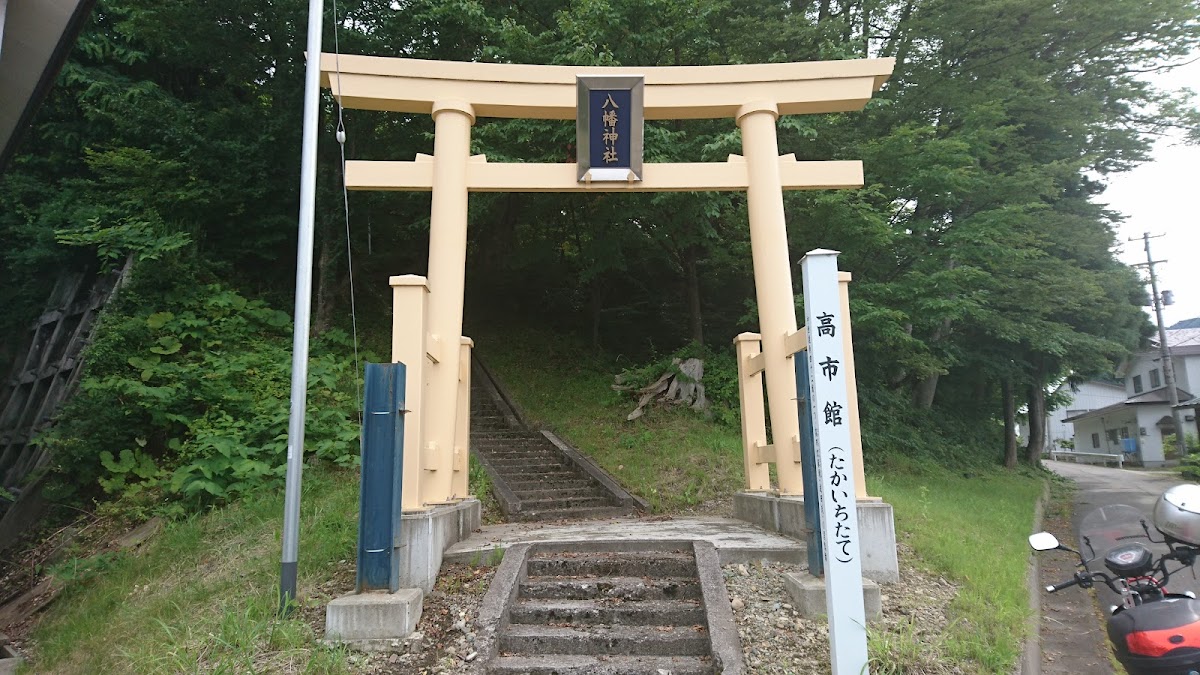
Hachiman Shrine (Sawajiri, Towada Nishikigi, Kazuno City, Akita Prefecture) Complete Guide
Hachiman Shrine, located in Sawajiri, Towada Nishikigi, Kazuno City, Akita Prefecture, is a venerable shrine deeply intertwined with the history of the Kazuno region. This article provides detailed information useful for visitors, including the historical background, enshrined deities, visiting information, and access methods.
Overview and Basic Information of Hachiman Shrine
Location and Address
Hachiman Shrine is located in Sawajiri, Towada Nishikigi, Kazuno City, Akita Prefecture. Towada Nishikigi is a tranquil area located northeast of the center of Kazuno City, surrounded by a rich natural environment. The postal code is 018-5336, and the surrounding area includes place names such as Sawajiri, Akasawada, and Izumimori.
Shrine Rank and History
According to records of the Akita Prefectural Shrine Association, this Hachiman Shrine is a historical shrine that was designated a village shrine in 1873 (Meiji 6). According to ancient tradition, it is said to have been founded before the Kamakura period as one of the 42 forts of Kazuno, and records show that it was rebuilt in 1593 (Bunroku 2).
The 42 forts of Kazuno refer to settlements with defensive structures called “tate” that existed in the Kazuno region during the medieval period, indicating that this region was an important base from ancient times. Hachiman Shrine, with its historical background, has long been revered by local residents as the center of faith in this region.
About the Deity
Main Deity of Hachiman Shrine
The main deity of Hachiman Shrine is generally Emperor Ōjin. Emperor Ōjin was the 15th Emperor and is a deity worshipped as Hachiman-sama at Hachiman shrines and Hachiman shrines throughout Japan. Known as a god of war and archery, Hachiman is also believed to bestow divine blessings for national protection, industrial development, and traffic safety.
Characteristics of Hachiman Worship
Hachiman worship was widespread throughout Japan, particularly among the samurai class. Known as the tutelary deity of the Minamoto clan, Hachiman shrines were established throughout the country, primarily for the samurai class, after the establishment of the Kamakura Shogunate. In the Kazuno region, it is believed that medieval lords revered Hachiman as their tutelary deity and worshipped him as the guardian deity of the region.
Historical Background of the Kazuno Region
42 Kazuno Castles and Medieval Kazuno
In the medieval period, the Kazuno region was under the control of the Nanbu clan, and it is said that 42 castles were built there. These castles served as both military defensive strongholds and centers of regional governance. Each castle was inhabited by a lord, and each castle had its own tutelary deity or guardian shrine.
The Nishikigi area, where Hachiman Shrine is located, is thought to have been the site of one such residence, suggesting that the lord, his family, and retainers revered Hachiman.
Reconstruction during the Bunroku Period
The reconstruction in 1593 (Bunroku 2) falls during the time of Toyotomi Hideyoshi. This period marked the transition from the end of the Sengoku period to the Edo period, a time when shrines and temples were being renovated throughout the country. In the Kazuno region, it is believed that Hachiman Shrine was rebuilt as a local center of faith as the Nanbu clan’s rule stabilized.
Shrine Ranking System during the Meiji Period
Being designated a village shrine in 1873 (Meiji 6) signifies that Hachiman Shrine was officially recognized as an important local shrine within the modern Japanese shrine system. Village shrines, under the old shrine ranking system, were positioned as the tutelary deities of villages and functioned as the center of faith for the local community.
Etiquette for Visiting Shrines and How to Behave at a Shrine
Basic Etiquette for Visiting Shrines
When visiting a shrine, it is important to observe the following basic etiquette.
Before Passing Through the Torii Gate
- Bow before entering the shrine grounds after bowing at the torii gate.
- Since the center of the path is considered the path of the gods, walk to either the left or right side.
How to Purify Yourself at the Water Basin
- Hold the ladle in your right hand and purify your left hand.
- Switch the ladle to your left hand and purify your right hand.
- Hold the ladle in your right hand again, receive water in your left hand, and rinse your mouth.
- Purify your left hand once more.
- Hold the ladle upright and let water flow over the handle to purify it.
Worship at the Main Hall
- The basic procedure is two bows, two claps, and one bow.
- Bow deeply twice (two bows).
- Clap your hands twice at chest height (two claps).
- Finally, bow deeply once (one bow).
Etiquette for Visiting a Shrine
Worship is not merely a place to make wishes, but an opportunity to express gratitude and purify your heart. At Hachiman Shrine, surrounded by the natural beauty of Akita, you can visit and pray in a peaceful environment.
Akita Prefectural Shrine Association and Shrine Management
Role of the Akita Prefectural Shrine Association
The Akita Prefectural Shrine Association is a religious corporation that encompasses shrines within Akita Prefecture and supports the management and operation of each shrine. Hachiman Shrine is also affiliated with the Akita Prefectural Shrine Association and receives support from the association in the maintenance and management of the shrine and the continuation of its rituals.
About Jingu Taima
Jingu Taima are sacred amulets from Ise Grand Shrine and are enshrined in household altars throughout Japan. Hachiman Shrine also distributes Jingu Taima, supporting the religious life of the local community. It is recommended to replace Jingu Taima with a new one every year, and they are given out at the shrine during the New Year period.
About Festivals and Events
Major Annual Festivals
Hachiman Shrine holds various festivals and events throughout the year. The main annual events at a typical Hachiman Shrine include the following:
New Year’s Day Festival (January 1st)
A festival to welcome the new year and pray for peace and prosperity throughout the year. Many worshippers visit for their first shrine visit of the year.
Spring Grand Festival
A grand festival held in spring, praying for a bountiful harvest and the safety of the community.
Autumn Grand Festival
An important festival to give thanks for the autumn harvest and pray for a good harvest in the following year.
Shichi-Go-San Festival
In November, Shichi-Go-San festivals are held to celebrate the growth of children.
Connections with the Community
Hachiman Shrine festivals are also important events for the local community. Through the festivals, the bonds among local residents are deepened, and traditional culture is passed down.
Access Information and Surrounding Environment
Nearest Station and Transportation
Access by Train
- The nearest station is Kazuno-Hanawa Station on the JR Hanawa Line.
- It’s approximately a 15-20 minute drive from the station.
Access by Car
- Approximately 20 minutes from the Kazuno-Hachimantai Interchange on the Tohoku Expressway.
- Accessible via National Route 103.
- We recommend checking parking availability in advance.
Access by Bus
- Local buses operating within Kazuno City may be available.
- Please check Kazuno City’s public transportation information for details.
Nearby Tourist Attractions
Kazuno City is a naturally rich area that includes part of the Towada-Hachimantai National Park. When visiting Hachiman Shrine, you can also visit nearby tourist attractions.
Lake Towada
- A beautiful caldera lake located about 40 minutes away by car.
- Enjoy the scenery of each season.
Oyu Stone Circle
- A stone circle from the Jomon period.
- A component of the World Cultural Heritage site “Jomon Prehistoric Sites in Hokkaido and Northern Tohoku.”
Hanawa Bayashi
- One of Japan’s three major festival music traditions.
- A vibrant festival held every August.
Hot Spring Village
- Numerous high-quality hot springs, including Oyu Onsen and Yuse Onsen.
- A perfect place to relax after visiting the shrines.
Shrines in Kazuno City
Other Shrines in Kazuno City
In addition to Hachiman Shrine, many other shrines are located in Kazuno City.
Kazuno Yasaka Shrine
- Located in Hachimantai, Kazuno City
- Dedicated to Susanoo-no-Mikoto, featuring distinctive guardian cat statues
- Known for its blessings in matchmaking
Shinmei Shrine
- Located in Towada Suehiro, Kazuno City
- A shrine dedicated to Amaterasu Omikami
Osarizawa Hachiman Shrine
- Another Hachiman shrine located in Osarizawa, Kazuno City
- A local shrine deeply connected to the history of the Osarizawa Mine
Recommendation for Shrine Visits
By visiting shrines within Kazuno City, you can gain a deeper understanding of the region’s history and culture. Each shrine has its own unique history and origins, conveying the faith of the local people to the present day.
The Charm and Significance of Visiting Hachiman Shrines
A Space Where You Can Feel History
Hachiman shrines, said to have existed since before the Kamakura period, are shrines that convey the weight of a long history. The shrine’s history, from its reconstruction during the Bunroku era to its designation as a village shrine during the Meiji period, and its continued existence as a center of local faith despite the changing times, is a major attraction.
Harmony with Nature
Nestled amidst the rich natural environment of Kazuno City, Akita Prefecture, Hachiman Shrine offers beautiful scenery throughout the seasons. The shrine grounds, displaying different expressions with each season—the fresh green of spring, the deep green of summer, the vibrant autumn leaves, and the snowy winter landscape—soothe the hearts of visitors.
Preservation of Local Culture
Hachiman Shrine is not merely a tourist spot, but a living cultural heritage site functioning as the heart of the local community. Through festivals and annual events, the region’s traditional culture is preserved, deepening the bonds between people.
Precautions When Visiting
Attire and Manners
When visiting the shrine, please pay attention to the following points.
- Please dress in clean and understated attire.
- Avoid clothing that exposes a lot of skin.
- Please be quiet within the shrine grounds and be considerate of other visitors.
- Photography is only permitted in designated areas.
- Please check in advance regarding bringing pets.
Visiting Season and Time
We recommend checking the opening hours of the shrine and prayer reception hours with the Akita Prefectural Shrine Association or local information beforehand. Especially in winter, this area experiences heavy snowfall, so please plan your visit with safety in mind.
Hachiman Shrine and the Future of the Region
Preservation of Tradition and Modern Challenges
Like many local shrines, Hachiman Shrine faces modern challenges such as depopulation and an aging population. However, thanks to the efforts of local residents and the support of the Akita Prefectural Shrine Association, traditional festivals and rituals are being preserved.
Potential as a Tourism Resource
Kazuno City is a region with abundant tourism resources, including Lake Towada and the Oyu Stone Circles. Historic shrines like Hachiman Shrine have the potential to become more widely known as cultural tourist resources of the region. For tourists interested in history and culture, Hachiman Shrine will be a valuable place to learn about the history of the Kazuno region.
Cultural Transmission to Children
Teaching local children the history of shrines and proper etiquette for worship is an important effort for cultural transmission. Through opportunities such as Shichi-Go-San (a traditional rite of passage for children) and Hatsumode (first shrine visit of the New Year), children can become familiar with shrines and learn about traditional Japanese culture. The Akita Prefectural Shrine Association is also working to transmit culture to the next generation through educational programs such as “Shrine Master for Children.”
Summary
Hachiman Shrine, located in Sawajiri, Towada Nishikigi, Kazuno City, Akita Prefecture, is a venerable shrine with a history and tradition dating back to the time of the 42 castles of Kazuno. With a history dating back to its founding before the Kamakura period, reconstruction in 1593 (Bunroku 2), and designation as a village shrine in 1873 (Meiji 6), it has long been revered as a center of faith in the region.
As a Hachiman shrine dedicated to Emperor Ojin, it offers divine blessings for military success, national protection, and traffic safety, and is deeply rooted in the lives of local residents. By observing the correct worship etiquette and offering prayers with a grateful heart, you can attain peace of mind and a refreshing feeling.
When visiting Kazuno City, why not also visit Hachiman Shrine along with other tourist spots such as Lake Towada and the Oyu Stone Circles? In its tranquil grounds surrounded by abundant nature, you can have a valuable experience of connecting with traditional Japanese culture and local history.
Access is relatively easy, about 15-20 minutes by car from Kazuno-Hanawa Station and about 20 minutes from the Kazuno-Hachimantai Interchange on the Tohoku Expressway. Enjoy a visit to the historic Hachiman Shrine amidst the beautiful scenery of the four seasons.

