Inari Shrine (Kōshinai, Tomari Village, Hokkaido) | Complete Guide to History, Deities, and Access
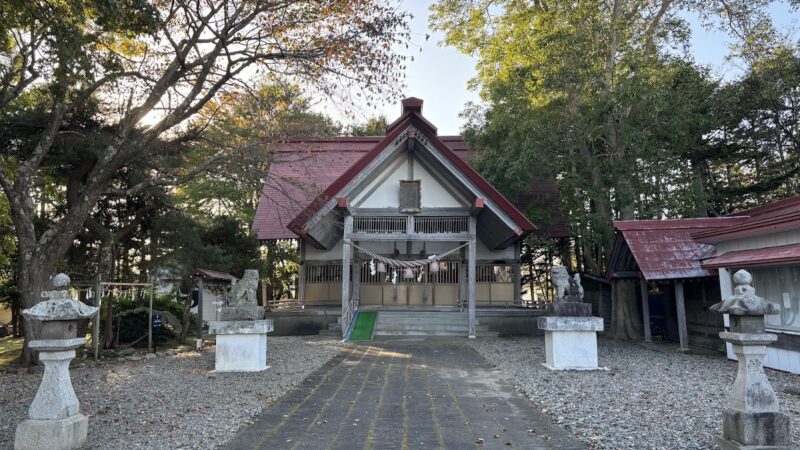
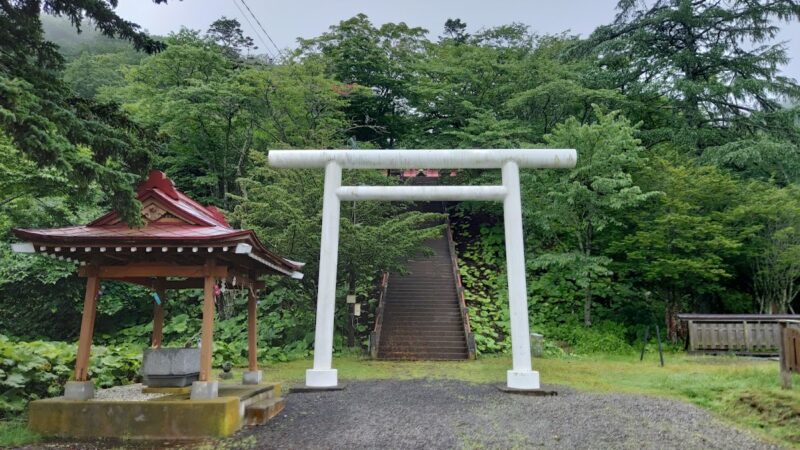
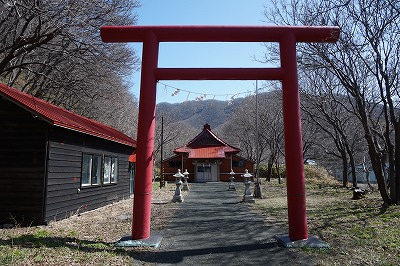
The Inari Shrine, located in Kōshinai, Tomari Village, Koyu District, Hokkaido, is a venerable shrine that has walked hand in hand with the history of Hokkaido. This article provides a comprehensive explanation of the Inari Shrine, including detailed information, historical background, enshrined deities, access methods, and its position within the historical context of Tomari Village.
Basic Information on Inari Shrine (Kōshinai)
Location and Corporate Number
The Inari Shrine is located at 47 Kōshinai, Tomari Village, Koyu District, Hokkaido. Its corporate number is 8430005008582, and it is a formally registered religious corporation. Its postal code is 〒045-0205, and it belongs to the Kōshinai district within Tomari Village.
Kōshinai is one of the important areas that make up Tomari Village, and it once existed as an independent village. The current Tomari Village was formed in 1909 (Meiji 42) through the merger of Tomari Village, Sakazuki Village, Koshinai Village, Kayanuma Village, and Horikabu Village.
Deity and Divine Virtues
The deity enshrined at Inari Shrine is Ukanomitama-no-Mikoto. In Japanese mythology, Ukanomitama-no-Mikoto is known as the god who presides over food and is affectionately known as “O-Inari-sama” throughout Japan.
Main Divine Virtues:
- Abundant Harvest: Prayers for bountiful harvests in agriculture and fishing.
- Business Prosperity: Development and prosperity of businesses.
- Industrial Development: Promotion and development of industries.
- Family Safety: Peace and health of the family.
- Maritime Safety: A belief unique to Tomari Village, where fishing is thriving.
Many Inari shrines in Hokkaido were founded by inviting a divided spirit from Fushimi Inari Taisha in Kyoto, and are revered as the head shrine of the approximately 30,000 Inari shrines nationwide.
Historical Background of Tomari Village and Koshinai
Origins of Tomari Village
Tomari Village is a village belonging to Koyu District, under the jurisdiction of the Shiribeshi General Subprefectural Bureau of Hokkaido, located at the western base of the Shakotan Peninsula. The village name is said to originate from the Ainu word “Tomari” (meaning bay or inlet).
During the Edo period, the area was under the control of the Matsumae Domain and prospered from fishing, primarily herring. In the Meiji era, development progressed, and settlements formed in various locations.
History of Kōshinai Village
Before the merger in 1909 (Meiji 42), Kōshinai Village existed as an independent village. Like other settlements in Tomari Village, this area developed based on herring fishing. The name Kōshinai is thought to originate from the Ainu language, and, like many place names in Hokkaido, its etymology is derived from words describing natural topography or characteristics.
In 1909 (Meiji 42), Tomari Village, Sakazuki Village, Kōshinai Village, Kayanuma Village, and Horikabu Village were merged to form Tomari Village as a second-class town. This merger aimed at improving administrative efficiency and promoting integrated regional development.
Role of Shrines in Tomari Village
Currently, there are five shrines in Tomari Village, each functioning as a spiritual pillar for its respective community. The Inari Shrine in Koshinai is one such example, playing a vital role as a center of faith for local residents and as a venue for seasonal festivals and life cycle rituals.
Especially during the pioneering period of Hokkaido, shrines served as a spiritual anchor for settlers, providing spiritual support to people living in a harsh natural environment.
Inari Faith and Hokkaido
Development of Inari Shrines in Hokkaido
Numerous Inari shrines exist in Hokkaido. Many of these were established by people who migrated from Honshu during the pioneering period after the Meiji era. Inari worship encompasses not only the characteristics of an agricultural deity but also aspects of a commerce and industry deity, making it a very important object of worship for settlers seeking stability and prosperity in their new land.
Relationship with Tomari Inari Shrine
In addition to the Inari Shrine in Koshinai, Tomari Village also has the Tomari Inari Shrine. The Tomari Inari Shrine is said to have been founded in 1682 (Tenna 2), making it one of the oldest shrines in Tomari Village. Regarding the relationship with the Inari Shrine within Kōshinai, it is believed that each shrine functioned as an independent local shrine.
Before the village merger in 1909 (Meiji 42), each village had its own shrine, and religious practices were carried out within each local community. Even after the merger, each shrine continued to exist, preserving the traditions of its respective region.
Access to Inari Shrine and Surrounding Information
Access Methods
Location: 47, Koshinai-mura, Tomari-mura, Koyu-gun, Hokkaido 045-0205
Access by Car:
- Approximately 2 hours 30 minutes from central Sapporo via National Route 5 and National Route 229
- Approximately 1 hour 30 minutes from Otaru via National Route 5 and National Route 229
- Approximately 30 minutes from Iwanai via National Route 229
Public Transportation:
- Take a bus from JR Hakodate Main Line “Otaru Station” or “Yoichi Station”
- Get off at Koshinai on the Hokkaido Chuo Bus bound for “Tomari”
*Please note that traffic conditions may change due to snowfall in winter. We recommend checking road conditions in advance.
Nearby Attractions
Tomari Nuclear Power Plant PR Facility “Tomarin-kan”:
One of Tomari Village’s main facilities, it features exhibits related to nuclear power generation.
Sakazuki Onsen:
Located in the Sakazuki district of Tomari Village, this hot spring is popular for its open-air bath offering spectacular views of the Sea of Japan.
Bentenjima Island:
A symbolic landmark of Tomari Village, this small island floating in the sea houses a shrine dedicated to Benten (the goddess of fortune).
Shakotan Peninsula:
Tomari Village is located at the gateway to the Shakotan Peninsula, offering beautiful coastlines and fresh seafood.
Other Shrines in Tomari Village
Tomari Village has five shrines, including the Inari Shrine in Koshinai.
Tomari Inari Shrine
Located in the center of Tomari Village, this historic shrine was founded in 1682 (Tenna 2). As one of the oldest shrines in Tomari Village, it is a central figure in local faith.
Inari Shrine in Horikabu Village
Location: 84 Horikabu Village, Tomari Village, Koyu District, Hokkaido
Corporate Number: 9430005008581
An Inari Shrine is also located in the Horikabu area, and like the Inari Shrine in Koshinai, it conveys the history of the former independent village.
Other Shrines
Besides the above, there are other shrines in Tomari Village, each attracting worshippers in their respective areas. These shrines are important for understanding the history and culture of Tomari Village.
Annual Events and Worship at Inari Shrines
Etiquette for Worship
Worship at Inari Shrines follows the general etiquette for visiting shrines.
- Bow before passing through the torii gate.
- Purify your body and mind at the water basin.
- Bow twice, clap twice, and bow once in front of the main hall.
- Recite your wish silently.
- Bow once again after passing through the torii gate on your way out.
New Year’s Visit and Annual Festivals
In Hokkaido, New Year’s visits to shrines take place during the coldest part of winter, yet many worshippers visit. Each shrine also holds annual festivals, which are important events for the local community.
It is believed that the Inari Shrine in Koshinai also holds festivals based on local traditions, but we recommend contacting them directly for details.
Characteristics of Inari Faith in Hokkaido
Development and Inari Faith
Inari faith in Hokkaido has characteristics that differ from those in Honshu. While Inari has long been worshipped as an agricultural deity in Honshu, in Hokkaido, it was also revered as an object of prayer for industrial development during the development period, particularly for the prosperity of fishing and commerce.
In areas like Tomari Village, where fishing is a thriving industry, a unique form of worship developed, incorporating beliefs for maritime safety and abundant catches.
Relationship with Fushimi Inari Taisha
Many Inari shrines in Hokkaido have received a divided spirit from Fushimi Inari Taisha in Kyoto. For example, Sapporo’s Fushimi Inari Shrine was established in 1884 (Meiji 17) and relocated to its current location at the foot of Mt. Moiwa in 1907 (Meiji 40).
Nationwide, there are approximately 3,000 shrines that enshrine Inari as their main deity, and including subsidiary shrines and those with combined enshrinement, the number reaches approximately 32,000, making it the largest group of shrines in Japan.
The Present and Future of Tomari Village
Population and Regional Situation
Tomari Village is one of the least populated municipalities in Hokkaido. Facing the challenges of an aging population and declining birthrate, the area is working on initiatives such as employment related to nuclear power plants and tourism promotion utilizing its abundant natural resources.
Shrines and Local Communities
Even amidst declining population, shrines continue to play a vital role as the spiritual pillar of local communities. Festivals and annual events provide valuable opportunities for residents to gather and deepen their bonds.
The Inari Shrine in Koshinai, as a guardian of the history and traditions of this small settlement, will undoubtedly continue its community-based activities.
The Significance of Visiting Inari Shrines
Learning History
Visiting an Inari Shrine is not simply an opportunity to offer prayers to the gods and Buddhas, but also an opportunity to learn about the history of the region. The Inari Shrine in Koshinai is a valuable presence that conveys the history of Koshinai Village, which was once an independent village.
Inheritance of Local Culture
Shrines are also places for the inheritance of local culture. Through festivals and traditional events, the wisdom and values of our ancestors are passed down to future generations.
Peace of Mind
In modern society, shrines are also places where one can find peace of mind. By praying in the quiet grounds, one can escape the hustle and bustle of daily life and have time to reflect on oneself.
Summary
The Inari Shrine, located at 47 Koshinai-mura, Tomari-mura, Koyu-gun, Hokkaido, is an important presence that conveys the history and culture of the Koshinai area. With Ukanomitama-no-Mikoto as its enshrined deity, it is believed to bestow blessings such as abundant harvests, business prosperity, and maritime safety, and has attracted the faith of local residents.
This shrine, which existed even before the village merger in 1909 (Meiji 42), is a valuable cultural heritage that tells the history of Hokkaido’s pioneering era. When visiting Tomari-mura, why not pay your respects at the Koshinai Inari Shrine and experience the history and culture of this region?
The Inari Shrine is registered under corporate number 8430005008582 and, as one of the five shrines in Tomari-mura, will continue to play a role as a spiritual pillar of the community. Understanding the history and culture of Hokkaido is crucial, and the existence of such locally rooted shrines is extremely important.
Through a visit, one can reflect on the history of Hokkaido’s development, the spread of Inari worship, and the bonds of the local community. The Inari Shrine in Koshinai, though small in scale, is an irreplaceable place imbued with the history of the region and the prayers of its people.