Hachimangu Shrine (Furuyashiki, Hito, Tamayama-ku, Morioka City, Iwate Prefecture) Complete Guide
Hachimangu Shrine, located in Furuyashiki, Hito, Tamayama-ku, Morioka City, Iwate Prefecture, is a historic shrine that has garnered the faith of local residents. This article provides a detailed introduction to the shrine, including its history, enshrined deities, features of the grounds, visiting information, and access methods.
Overview and Location of Hachimangu Shrine
Hachimangu Shrine is located in Furuyashiki, Hito, Tamayama-ku, Morioka City, Iwate Prefecture, and has been revered as the local guardian deity for many years. Tamayama-ku is the former Tamayama Village area, which merged with Morioka City in 2005, and is blessed with a rich natural environment.
Location Details:
- Address: Furuyashiki, Hito, Tamayama-ku, Morioka City, Iwate Prefecture
- Regional Characteristics: Located at the foot of Mt. Iwate, in a quiet environment surrounded by rural areas
- Surrounding Environment: A naturally rich location surrounded by rural landscapes and mountains
The Hito area is located northwest of central Morioka City and has historically developed as a settlement centered on agriculture.
History and Origins of Hachiman Shrine
Hachiman Faith and the Tohoku Region
There are said to be approximately 44,000 Hachiman shrines throughout Japan, making it one of the most numerous types of shrines in the country. Hachiman faith has the characteristics of a god of war, and was particularly widely worshipped by the samurai class as the tutelary deity of the Minamoto clan.
In the Tohoku region, Hachiman faith spread along with the subjugation of the Emishi during the Heian period and the development of samurai groups in the medieval period. Many Hachiman shrines are located within Iwate Prefecture, playing an important role as guardian deities of the region.
The Origins of the Hachiman Shrine in the Hito District
The Hachiman Shrine in Hito, Tamayama Ward, Morioka City, is believed to have been founded alongside the development of the area and the formation of the settlement. The place name “Furuyashiki” (old residence) also suggests that this area has been inhabited by people since ancient times.
The local Hachiman Shrine has played the following roles:
- Guardian deity of agriculture: A place to pray for a bountiful harvest and abundant grains.
- Guardian deity of the settlement: A protector of the safety and prosperity of the local residents.
- Center of festivals: The base for annual events and festivals.
- Core of the community: A place for interaction and unity among local residents.
About the Enshrined Deity
Hachiman Okami (Emperor Ojin)
The main deity enshrined at Hachiman shrines is generally considered to be Hachiman Okami, a deified representation of the 15th Emperor Ojin. Emperor Ojin is known as an emperor who greatly contributed to the development of ancient Japan.
Divine Virtues of Hachiman-Okami:
- Long-lasting military fortune and victory
- National peace and security, protection from misfortune and good fortune
- Industrial development and business prosperity
- Traffic safety and safe travel
- Prosperity of descendants and safe childbirth
Possibility of Enshrined Deities
Many Hachiman shrines may enshrine the following deities alongside the main deity:
- Hime-no-Okami: A goddess considered to be one of the three Munakata goddesses
- Empress Jingu: The mother of Emperor Ojin
In some regions, local deities may also be enshrined in addition to these.
Shrine Grounds and Highlights
Shrine Buildings and Facilities
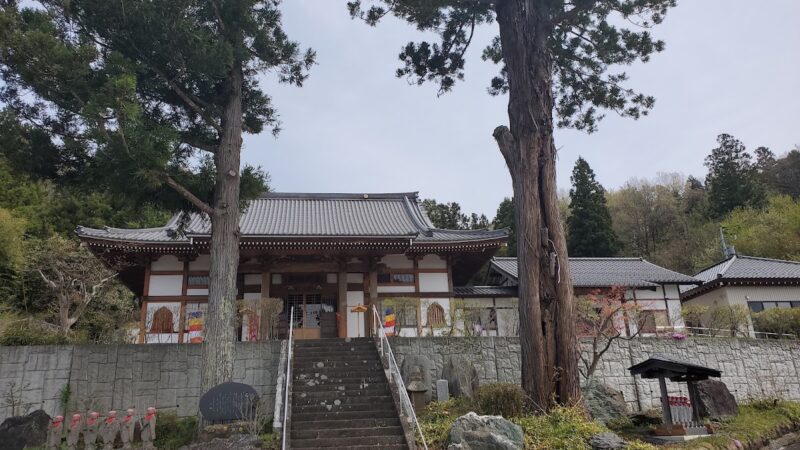
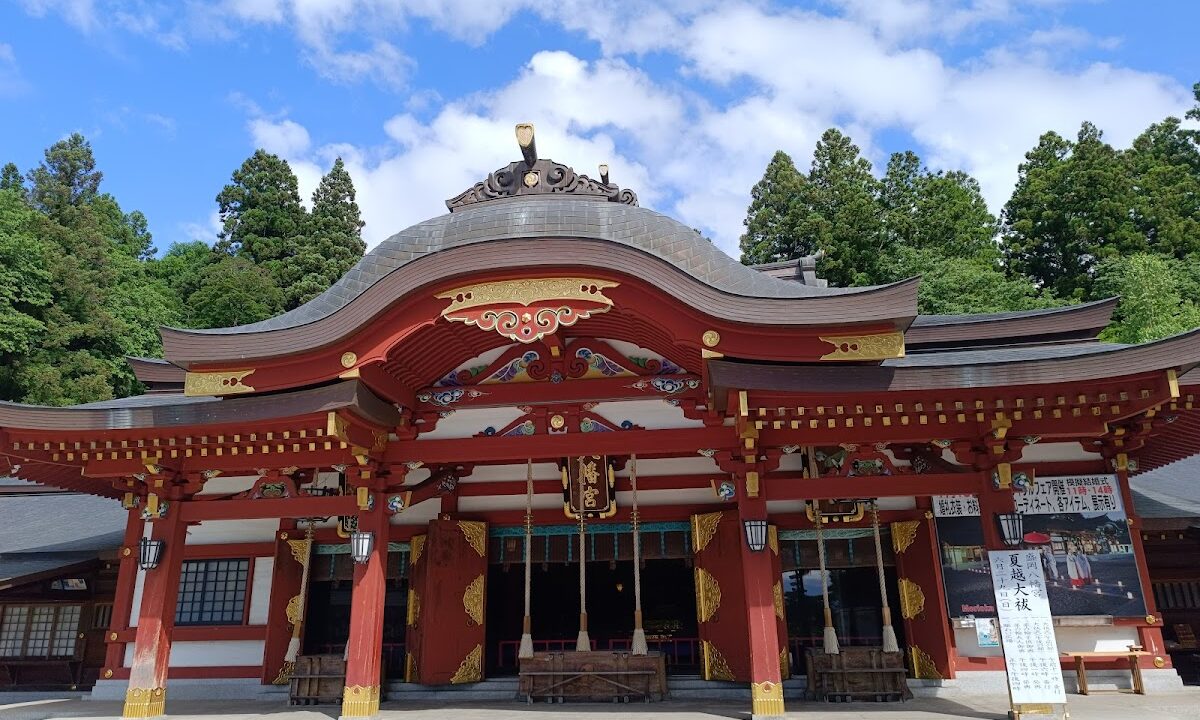
The grounds of a local Hachiman shrine generally include the following facilities:
Main Facilities:
- Main Hall: A sacred building where the enshrined deity is worshipped
- Worship Hall: A place where worshippers perform their prayers
- Torii Gate: A symbol indicating the entrance to the sacred area
- Water Basin: A place to purify oneself before worship
- Shrine Office: A building for managing and operating the shrine (varies depending on size)
Natural Environment of the Shrine Grounds
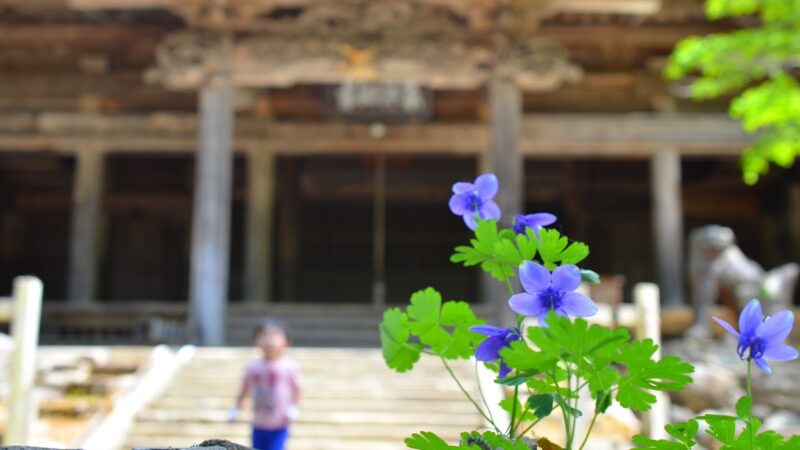
Located in the naturally rich environment of Tamayama District, the grounds of the Hachiman shrine offer beautiful scenery throughout the four seasons.
Seasonal Highlights:
- Spring (April-May): The season when cherry blossoms and fresh greenery adorn the shrine grounds.
- Summer (June-August): Lush green trees create a cool and refreshing atmosphere.
- Autumn (September-November): The autumn leaves are beautiful, and it’s a time to offer thanks for the harvest.
- Winter (December-March): A tranquil shrine unfolds amidst a snowy landscape.
Due to heavy snowfall in Iwate Prefecture during winter, winter visits require warm clothing and careful footing.
Annual Events and Festivals
Main Festivals
Various festivals are held throughout the year at local Hachiman shrines.
Representative Annual Events:
- New Year’s Day Festival (January 1st): Celebrating the New Year and praying for peace throughout the year.
- Spring Grand Festival: A festival coinciding with the start of spring farming work.
- Summer Festival: Sometimes traditional local festivals are held.
- Autumn Grand Festival: An important festival celebrating gratitude for the harvest and a bountiful harvest.
- Niiname-sai (around November 23rd): A festival offering the new harvest to the gods.
Connection with the Local Community
The festivals of Hachiman Shrine are important events prepared and conducted by the entire local community. The parishioners’ organization plays a central role in maintaining and managing the shrine, passing on traditions to future generations.
Etiquette and Manners for Visiting a Shrine
Basic Method of Visiting a Shrine
Here’s a basic guide to visiting a shrine:
Procedure for Visiting a Shrine:
- Bow before passing through the torii gate: A courtesy before entering the sacred area
- Walk along the edge of the path: The center is considered the path of the gods
- Purify yourself at the water basin:
- Hold the ladle in your right hand and purify your left hand
- Switch to your left hand and purify your right hand
- Switch back to your right hand, receive water in your left hand, and rinse your mouth
- Finally, hold the ladle upright to purify the handle
- Bow in front of the main hall:
- A slight bow
- Quietly place your offering in the offering box
- Ring the bell if there is one
- Two bows, two claps, one bow (two bows, two claps, one bow)
- Bow again at the torii gate when leaving
Clothing and Items to Bring When Visiting a Shrine
Clothing:
- Clean and understated attire is preferred.
- Appropriate clothing for the season (especially in winter, take precautions against the cold).
- Comfortable walking shoes (some areas on the temple grounds may be unpaved).
Items to bring:
- Offering money (prepare small change).
- Camera (check where photography is permitted).
- Insect repellent (in summer).
- Rain gear (depending on the weather).
Access Information
Location and Transportation
Address:
Furuyashiki, Hito, Tamayama-ku, Morioka City, Iwate Prefecture
Access by Car
Main Route:
- From central Morioka City:
- Head north on National Route 4.
- Head towards Tamayama-ku.
- Travel time: Approximately 30-40 minutes (depending on traffic).
- Using the Tohoku Expressway:
- Take local roads from Morioka IC or Nishine IC.
- Travel time: Approximately 20-30 minutes from the IC.
Parking:
- The availability and size of parking spaces vary depending on the size of the shrine.
- Temporary parking may be provided during festivals.
- Roads in the area can be narrow, so caution is required when driving.
Access by Public Transportation
Nearest Station:
- IGR Iwate Galaxy Railway “Koma Station” or “Shibutami Station”
- JR Tazawako Line “Koiwai Station”
Bus:
- Take an Iwate Kotsu bus from central Morioka towards Tamayama-ku.
- You may need to walk from the bus stop.
Points to Note:
- Public transportation services are limited in this area, so check the timetable in advance.
- Consider using a taxi.
- Be polite when asking locals for directions.
Nearby Tourist Attractions
Highlights in Tamayama-ku and Northern Morioka:
- Mt. Iwate: The highest peak in Iwate Prefecture at 2,038m, and one of Japan’s 100 Famous Mountains.
- Koiwai Farm: A tourist farm with vast grounds.
- Shibutami District: The hometown of Ishikawa Takuboku, home to the Takuboku Memorial Museum.
- Morioka City Center: Morioka Castle Ruins Park, Morioka Hachimangu Shrine, etc.
- Iwadō Lake: A beautiful lake boasting the harshest winters in Honshu.
About Goshuin (Shrine Seals)
Issuance of Goshuin
The issuance of Goshuin at Hachimangu shrines varies depending on the size and system of the shrine.
General Information Regarding Goshuin (Shrine/Temple Seals):
- Smaller shrines may not always offer them.
- They may be offered during festivals or on specific days.
- In shrines without a resident priest, they may be offered at another shrine that manages the area.
- It is recommended to contact and confirm in advance.
Manners for Receiving a Goshuin:
- Complete your prayers before receiving the goshuin.
- Bring your goshuincho (stamp book) (understand that this is not a stamp rally).
- Prepare the offering fee (around 300-500 yen).
- Use polite language and demeanor.
- Wait quietly while the goshuin is being written.
History and Culture of the Hito Area
Origins of the Region
The Hito area is located at the foot of Mount Iwate and has developed since ancient times, primarily through agriculture. There are various theories about the origin of the place name “Hito,” but it is said to mean a sunny place.
Characteristics of Tamayama District
The former Tamayama Village merged with Morioka City in 2005 and is now Tamayama District of Morioka City.
Characteristics of Tamayama District:
- A rich natural environment overlooking Mount Iwate
- A region where agriculture and livestock farming are thriving
- A place associated with Ishikawa Takuboku (Shibutami area)
- Traditional rural culture remains
Local Traditions and Beliefs
In rural areas of Iwate Prefecture, community ties centered around shrines still function today. Hachiman shrines, like the local guardian shrine, have historically fulfilled the following roles:
- Base of the agricultural calendar: Festivals mark milestones in agricultural work.
- Community unity: Fostering a sense of community through festivals.
- Preservation of traditional culture: Preservation of Kagura and folk performing arts.
- Spiritual pillar: A source of comfort for local residents.
Precautions when visiting the shrine
Seasonal precautions
Spring/Autumn:
- Wear clothing that can be easily adjusted due to large temperature fluctuations.
- Take precautions if you suffer from hay fever.
Summer:
- Take precautions against heatstroke (hydration, hat).
- Take precautions against insects (mosquitoes, gnats, etc.).
- Be aware of thunderstorms.
Winter:
- Take sufficient precautions against snow and ice.
- Take thorough precautions against the cold.
- Visit the shrine early due to early sunsets.
- Check snow removal conditions in advance.
Consideration for the Local Community
Please understand that the area around the shrine is a residential and agricultural area, and be mindful of the following points:
- Do not make noise
- Do not trespass on private property
- Always take your trash with you
- Do not touch crops
- When taking photographs, be considerate of the privacy of local residents
- Avoid parking on the street
Hachiman Faith in Iwate Prefecture
Major Hachiman Shrines in the Prefecture
Numerous Hachiman shrines are located throughout Iwate Prefecture. Here are some representative Hachiman shrines:
Morioka Hachiman Shrine (Hachiman-cho, Morioka City):
- A grand shrine known as the guardian shrine of Morioka
- A historical shrine revered by the Nanbu clan
- Visited by many worshippers throughout the year
Shiwa Hachiman Shrine (Shiwa-cho):
- An ancient shrine said to have been founded in the Heian period
- The guardian shrine of the Shiwa district
Tono-go Hachiman Shrine (Tono City):
- A central shrine in the region that served as the setting for the Tono Monogatari (Tales of Tono)
- Traditional festivals are still observed
Regional Characteristics of Hachiman Faith
Hachiman faith in Iwate Prefecture has the following characteristics:
- Connection with Samurai Culture: Reverence from local samurai such as the Nanbu clan
- Integration with Agricultural Beliefs: Character as a god of abundant harvests
- Core of Local Communities: Role as the tutelary deity of settlements
- Transmission of Folk Performing Arts: Offerings of Kagura (sacred dance) and Shika Odori (deer dance)
The Significance of Visiting Shrines
Visiting Shrines in Modern Times
Visiting shrines is not merely sightseeing; it is a valuable opportunity to experience traditional Japanese culture and spirituality.
The Significance of Visiting Shrines:
- A Heart of Gratitude: Expressing gratitude for daily blessings
- Self-Reflection: Calming the mind in a quiet space
- Experiencing Traditional Culture: Touching upon ancient Japanese beliefs
- Understanding the Region: Learning about the history and culture of the land
- Connection with the Community: Having contact with the local community
Protecting Local Shrines
Some small, rural shrines are facing difficulties in maintenance due to depopulation and an aging population. What we can do as worshippers:
- Worship with respect
- Support shrine operations through offerings and donations
- Take an interest in local festivals
- Understand and share the history and cultural value of the shrine
- Participate in cleaning activities (if possible)
Summary
Hachiman Shrine, located in Furuyashiki, Hito, Tamayama-ku, Morioka City, Iwate Prefecture, is an important place that conveys the history and faith of the region to the present day. Situated in a rich natural environment, this shrine has been revered as a spiritual center for local residents and as the guardian deity of agriculture.
When planning a visit, please carefully check the season, weather, and transportation options, and remember to be considerate of the local community. As you pray in the tranquil grounds, you will feel the spirit of traditional Japanese faith and local culture.
Near the foot of Mount Iwate, amidst the rural landscape, Hachiman Shrine continues to watch over the community today. Away from the hustle and bustle of the city, a quiet visit will surely remind us of something important in our modern lives.
When you visit Yushan District, be sure to stop by this Hachiman Shrine and experience the local history and culture.