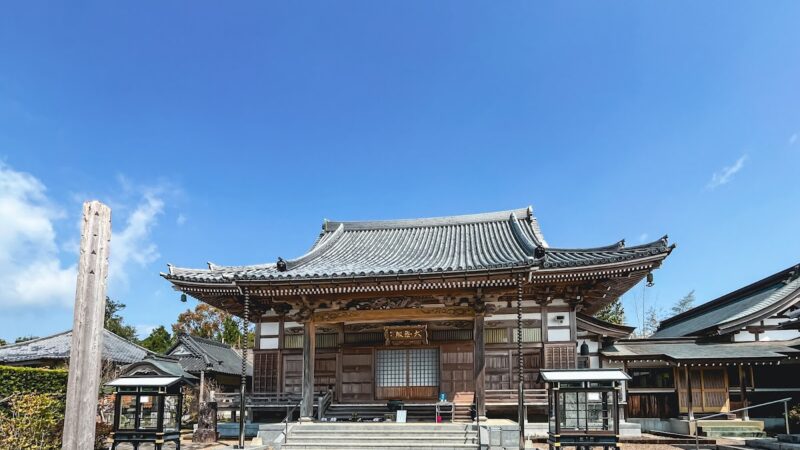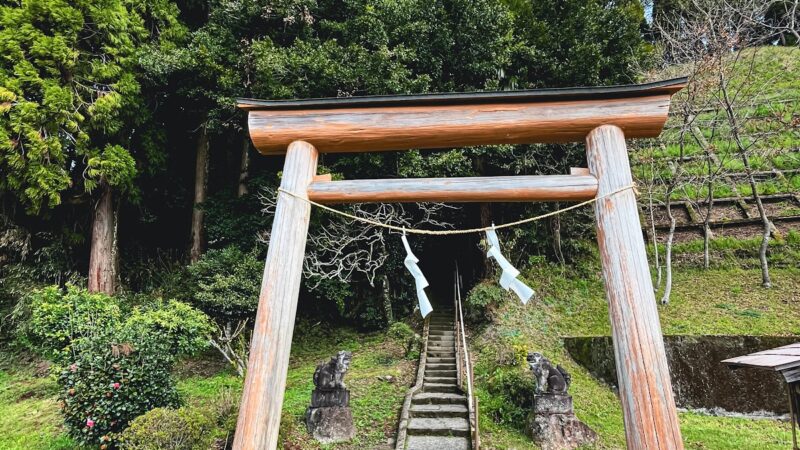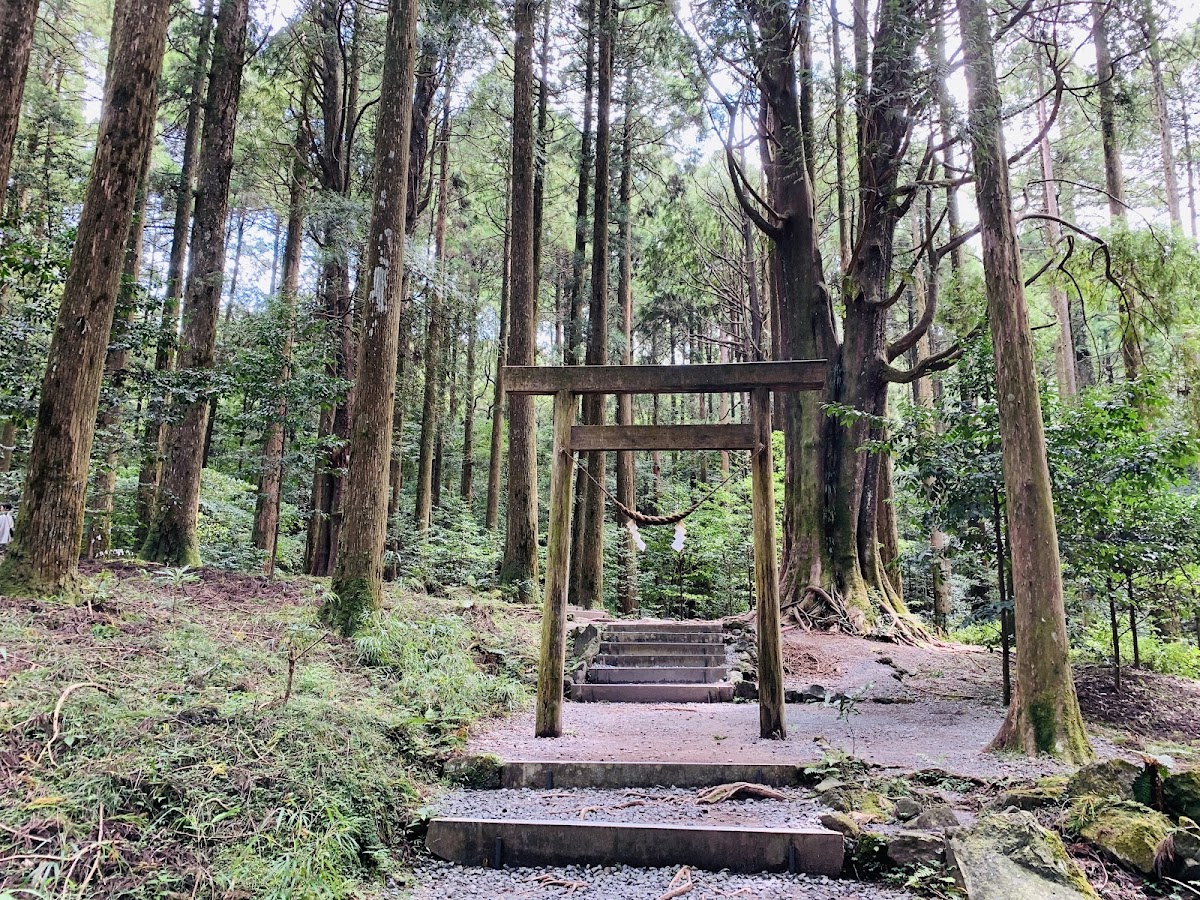
Yamajinja Shrine (Torai, Satsuma-cho, Kagoshima Prefecture) Complete Guide | Deities, History, and Access Information
Yamajinja Shrine, located in Torai, Satsuma-cho, Satsuma-gun, Kagoshima Prefecture, is a shrine that has long been revered as a guardian deity of the region. It enshrines Oyamatsumi-no-kami and has played a role in protecting the mouth of the Torai River. This article comprehensively introduces information you should know before visiting, from detailed information about Yamajinja Shrine to its historical background and how to worship.
Basic Information about Yamajinja Shrine
Shrine Overview
Shrine Name: Yamajinja Shrine
Location: 5732 Torai, Satsuma-cho, Satsuma-gun, Kagoshima Prefecture 895-1811
Former Shrine Rank: Unranked Shrine
Annual Festival Dates: July 15th, November 13th
Yamajinja Shrine is a historical shrine located in the Torai area of Satsuma-cho. The Torai district is part of the Miyanojo area, and the shrine is located in a region blessed with the rich natural environment of the Kawauchi River system. Although it is an unranked shrine, it has received fervent devotion from the local residents and has been carefully preserved to this day.
About the Deity
The deity enshrined at Yamajinja Shrine is Ōyamatsumi-no-kami.
Ōyamatsumi-no-kami is known in Japanese mythology as the god who governs mountains, and is an important deity appearing in the Kojiki and Nihon Shoki. He is the son of Izanagi-no-Mikoto and Izanami-no-Mikoto, and is worshipped as the guardian deity of forests, mines, and hunting, as well as the brother of Watatsumi-no-kami, the god of the sea.
Main Divine Virtues of Ōyamatsumi-no-kami:
- Protection of Forests
- Agricultural Prosperity
- Industrial Development
- Family Safety
- Protection from Evil and Bringing Good Fortune
Especially in mountainous areas and agricultural regions, the shrine has attracted the faith of people praying for abundant harvests and safety. In the Torai district of Satsuma Town, the shrine is revered as a deity that protects both the blessings of the mountains and the river.
History and Origins of Yamajinja Shrine
Circumstances of Founding
Unfortunately, there are no detailed records regarding the founding date of Yamajinja Shrine, and it is listed as “unknown.” However, given its long-standing roots in the community as the guardian deity of the Torai River mouth, it is believed that the shrine came to be worshipped alongside the development and formation of the Torai district.
Role as Guardian Deity of the Torai River Mouth
Yamajinja Shrine is particularly known as the “guardian deity of the Torai River mouth.” The Torai district is located in the Kawauchi River system and is a region where people have lived in harmony with the blessings of the river. The Yamajinja Shrine is believed to have played the following roles:
- Protection from Floods: A place of prayer to protect the settlement from river floods and inundations.
- Agricultural Prosperity: Prayers for a bountiful harvest using river water.
- Protection of Forest Resources: Gratitude for the sustainable use of resources obtained from the surrounding forests.
- Community Unity: Functioning as a spiritual pillar for the settlement.
History as an Unranked Shrine
Under the Meiji era’s shrine ranking system, the Yamajinja Shrine was classified as an unranked shrine. An unranked shrine refers to a shrine that does not possess the ranks of government-supported shrines, prefectural shrines, local shrines, or village shrines. However, regardless of its rank, it has been cherished as an indispensable place of worship for the local residents.
Even after the post-war reforms to the shrine system, it continues to serve as the local guardian shrine, with annual events held and playing a central role in the community.
Annual Festivals and Events
Annual Festival on July 15th
The Yamajinja Shrine holds two annual festivals. The first is the annual festival on July 15th.
The summer festival is positioned as an important festival during the growing season for agricultural products. This period includes:
- A crucial time to watch over the growth of rice
- The harvest season for summer vegetables, a blessing from the mountains
- The season when river water levels are abundant
The festival is held to express gratitude for these blessings of nature and to pray for a bountiful harvest and the safety of the community.
Annual Festival on November 13th
The second annual festival is held on November 13th.
The autumn festival has a strong emphasis on thanksgiving for the harvest, and includes:
- Gratitude for the safe completion of a year’s farming work
- Thanks for the abundant harvest
- Prayers for a bountiful harvest next year
- Prayers for the safety of the community as winter approaches
These are some of the wishes that are included. It is a traditional event held close to the time of the Niiname-sai (harvest festival), where people share the joy of the harvest with the gods.
Connection with the Community
The annual festival brings together local residents and functions not only as a religious ceremony but also as a place for community interaction. Especially in rural areas experiencing depopulation, shrine festivals are a valuable opportunity to maintain community.
About the Torai District of Satsuma Town
Geography and Characteristics of Torai
The Torai district is a settlement belonging to Satsuma Town, Satsuma District, Kagoshima Prefecture. Satsuma Town was formed in 2005 through the merger of Miyanojo Town, Tsuruta Town, and Satsuma Town, and the Torai district was part of the former Miyanojo Town.
Geographical Characteristics:
- A rich water source area of the Sendai River system
- A naturally rich environment located in a mountainous area
- Close to Miyanojo Onsenkyo (hot spring resort)
History of Torai
There are various theories about the origin of the place name Torai, but it is thought to be derived from the topography and natural environment. For centuries, the area has been centered around agriculture and forestry, with a lifestyle that has continued to benefit from the bounty of the rivers and mountains.
Surrounding Cultural and Tourist Resources
The following cultural and tourist resources are located around Torai, Satsuma Town:
- Miyanojo Onsenkyo: A hot spring resort known for its skin-beautifying properties
- Sendai River: Known for its clear waters, it offers opportunities for ayu (sweetfish) fishing and other activities.
- Satsuma Chuo High School: A regional educational hub
- Traditional Rural Landscape: Terraced rice fields and satoyama (traditional rural landscape) scenery
Access Methods
Location Details
Address: 5732 Torai, Satsuma-cho, Satsuma-gun, Kagoshima Prefecture 895-1811
Access by Public Transportation
Using the Bus:
Access is possible via Nangoku Kotsu buses. The nearest bus stops are as follows:
- Torai Bus Stop: Within walking distance
- Torai Asahimachi Bus Stop: Approximately 150m
- Miyanojo Bus Stop: Approximately 400m (center of Satsuma town)
From Kagoshima city, there is a bus route to Miyanojo via Sendai. Travel time varies depending on traffic conditions, but please expect approximately 1.5 to 2 hours from Kagoshima city.
Access by Private Car
From Kagoshima City:
- Take the Kyushu Expressway
- Exit at Yokogawa IC or Kurino IC
- Take National Route 267 towards Satsuma Town
- Travel time: Approximately 1 hour to 1 hour 15 minutes
From Kumamoto:
- Take the Kyushu Expressway
- Exit at Hitoyoshi IC
- Head south on National Route 267 towards Satsuma Town
- Travel time: Approximately 1 hour 30 minutes
Parking Information:
We recommend checking the shrine’s dedicated parking area in advance. As it is a small local shrine, space may be limited.
Access from the Nearest Station
There is no train station in Satsuma Town. The nearest train stations are as follows:
- JR Hisatsu Line, Yoshimatsu Station: Approximately 30km
- JR Kagoshima Main Line, Sendai Station: Approximately 40km
From either station, you will need to travel by bus or taxi.
Etiquette and Manners for Visiting a Shrine
Basic Etiquette for Visiting a Shrine
When visiting Yamajinja Shrine, please observe the following basic etiquette:
- Bow before passing through the torii gate: This is a sign of respect when entering the sacred area.
- Walk along the edge of the path: The center is considered the path of the gods.
- Purify yourself at the water basin: If there is a water basin, purify your hands and mouth.
- Worship in front of the main hall:
- Quietly place your offering in the offering box.
- Ring the bell if there is one.
- Two bows, two claps, one bow.
- Bow again when leaving: Turn around and bow when leaving the torii gate.
Considerations Unique to Small Shrines
Yamajinja Shrine, being an unranked shrine, has characteristics that differ from large shrines:
- There may not be a resident Shinto priest.
- The shrine office may not be open all the time.
- Goshuin (shrine stamps) may not be available.
- Some shrines are managed by local residents.
It is important to understand these points and visit quietly and respectfully.
Photography Etiquette
Photography is generally permitted at shrines, but please note the following:
- Refrain from taking photos inside the main hall.
- Refrain from taking photos during festivals, or obtain permission.
- When posting on social media, be mindful of identifying the location.
- Respect the privacy of local residents.
Other Shrines Dedicating Oyamatsumi-no-Kami
Oyamatsumi Shrines in Kagoshima Prefecture
Oyamatsumi-no-Kami is worshipped nationwide as a mountain god, and is enshrined in many shrines within Kagoshima Prefecture:
- Kirishima Jingu Subsidiary Shrine Yamajinja (Kirishima City): Famous as a subsidiary shrine of Kirishima Jingu.
- Oyamatsumi Shrine (Various locations): Shrines with Oyamatsumi-no-Kami as the main deity.
- Yamajinja (Various locations): Worshipped as the guardian deity of the local mountains.
Oyamazumi Shrines Nationwide
Oyamazumi Shrine (Omishima, Imabari City, Ehime Prefecture) is known as the head shrine of all shrines dedicated to Oyamatsumi-no-kami. It is the head shrine of all Yamazumi and Mishima shrines nationwide, and is revered as the god of mountains, the sea, and war.
Other Shrines and Temples in Satsuma Town
Besides Yamajinja Shrine, Satsuma Town has many other shrines and temples:
Major Shrines
- Shio Shrine: One of Satsuma Town’s representative shrines
- Local Shrines: Each village has its own guardian deity
Temples
- Regional Temples: Buddhist temples are also scattered throughout the town.
These religious facilities are valuable resources that convey the history and culture of Satsuma Town to the present day.
Spots to Visit Along with Yamajinja Shrine
Miyanojo Onsenkyo
Miyanojo Onsenkyo, relatively close to Yamajinja Shrine, is a hot spring resort known for its skin-beautifying properties. After visiting the shrine, we recommend relaxing and unwinding in a hot spring.
Features:
- Hot spring water known for its skin-beautifying effects
- Abundant day-trip bathing facilities
- Multiple accommodation options available
Nature of the Kawauchi River
Enjoy the seasonal nature of the clear Kawauchi River:
- Spring: Cherry blossom trees and fresh greenery
- Summer: Ayu fishing and river activities
- Autumn: Autumn leaf viewing
- Winter: Silent winter scenery
Agricultural Products and Specialties of Satsuma Town
Satsuma Town is a region where agriculture thrives:
- Rice from Satsuma Town: Delicious rice grown in the clear river
- Vegetables: Fresh highland vegetables
- Fruits: Seasonal fruits
- Local Chicken: Kagoshima’s local chicken dishes
You can purchase fresh local agricultural products at roadside stations and other locations.
Precautions When Visiting the Shrine
Regarding Attire
While no special attire is required for visiting the shrine, please consider the following:
- Wear clean clothing
- Avoid excessive exposure
- Choose comfortable walking shoes (due to the mountainous location)
Seasonal Precautions
Spring/Autumn:
- Relatively comfortable weather
- Bring a jacket as it can get chilly in the mornings and evenings
Summer:
- Bring a hat and sunscreen as the sun is strong
- Stay hydrated
- Insect repellent is recommended
Winter:
- It gets very cold due to the mountainous location
- Dress warmly
- Be aware of the possibility of icy roads
Weather Impacts
Due to its mountainous location, be aware of weather changes:
- The ground may become slippery during rainy weather
- Refrain from visiting during typhoons or heavy rain
- Check the weather forecast in advance
Regional Development and the Role of Shrines
Depopulation and Shrines
Like many rural communities, the Torai district is experiencing depopulation and an aging population. In this context, local shrines like Yamajinja play a crucial role as:
- Community Core: A valuable gathering place for local residents
- Preservation of Traditional Culture: Transmission of culture through festivals
- Maintaining Identity: A source of attachment and pride in the region
- Tourism Resource: A place to welcome visitors from outside the region
Efforts to Protect Shrines
Maintaining small shrines requires the cooperation of local residents:
- Regular cleaning activities
- Continuation of annual festivals
- Maintenance of buildings and facilities
- Passing on traditions to future generations
These activities also serve as opportunities to strengthen community bonds.
Summary
Yamajinja Shrine (Torai, Satsuma-cho, Satsuma-gun, Kagoshima Prefecture) is a shrine deeply rooted in the community, dedicated to Oyamatsumi-no-kami as the guardian deity of the Torai River mouth. While its founding date is unknown, it still holds two annual festivals on July 15th and November 13th, playing a central role in the local community.
Although a small, unranked shrine, it embodies the fervent faith of the local people and their gratitude for the blessings of nature. The worship of Oyamatsumi-no-kami, the mountain god, is deeply intertwined with the lives of the people in the Torai district, surrounded by mountains and rivers, and is still carefully preserved.
When visiting Satsuma-cho, why not also visit Yamajinja Shrine, which conveys the history and culture of the region, along with Miyanojo Onsen and the natural beauty of the Sendai River? In this quiet mountain shrine, you can experience a form of faith that can be considered a quintessential Japanese landscape.
When you visit the shrine, please remember to show respect to the local people and pray quietly and with sincerity. May you all be blessed with the bounty of the mountains, the blessings of the rivers, and abundant harvests through the protection of Oyamatsumi-no-kami.