Yamajinja Shrine (Torai, Satsuma-cho, Kagoshima Prefecture) | The History and Charm of an Unranked Shrine Worshipped as the Guardian Deity of the Torai River Mouth
Yamajinja Shrine, located in Torai, Satsuma-cho, Satsuma-gun, Kagoshima Prefecture, is a shrine that has been revered by local residents for many years. Known as the guardian deity of the Torai River mouth, it enshrines Oyamatsumi-no-kami, the god of mountains. This article provides a comprehensive overview of Yamajinja Shrine, including detailed information, historical background, points to note when visiting, and access methods.
Basic Information on Yamajinja Shrine
Yamajinja Shrine is a shrine registered with the Kagoshima Prefectural Shrine Association and is located in the Torai district of Satsuma-cho. The following is a summary of basic information.
Shrine Overview
- Shrine Name: Yamajinja (Mountain Shrine)
- Location: 5732 Torai, Satsuma-cho, Satsuma-gun, Kagoshima Prefecture 895-1811
- Deity Enshrined: Oyamatsumi-no-kami
- Former Shrine Rank: Unranked Shrine
- Annual Festival Dates: July 15th, November 13th
- Common Name: None in particular
- Shrine Emblem: No record
- Subsidiary Shrines: No record
- Shrine Treasures: No record
Although Yamajinja is classified as an unranked shrine, it has played an important role as a center of faith in the region.
About the Enshrined Deity, Oyamatsumi-no-kami
Divine Status of Oyamatsumi-no-kami
Oyamatsumi-no-kami, enshrined at Yamajinja, is an important deity known in Japanese mythology as the god of mountains and the guardian deity of forests. Appearing in the Kojiki and Nihon Shoki, this deity is considered to have been born from the divine creation of Izanagi and Izanami.
Oyamatsumi-no-kami is believed to possess the following divine virtues:
- Protection of Mountains and Forests: Protects mountains and forests, bringing the blessings of nature
- Abundant Harvests: Watches over the prosperity of agriculture and forestry
- Industrial Development: Protects local industries
- Family Safety: Protects the safety and prosperity of families
- Exorcism: Protects people from disasters
Role as Guardian Deity of Toraigawa River Mouth
The Yamajinja Shrine has been particularly revered in the region as the “guardian deity of Toraigawa River Mouth.” The Torai area belongs to the Kawauchi River system and has a long history of living alongside the river. While the Yamajinja Shrine is a mountain deity, it is believed to have also played a role in ensuring river safety and protecting against floods.
History and Origins of Yamajinja Shrine
History of Founding
The exact founding date of Yamajinja Shrine is “unknown,” and there are limited records in historical documents. However, it is certain that it has existed as a local folk religious site since ancient times.
The term “unranked shrine” refers to a shrine that was ranked below village shrine in the modern shrine ranking system of the Meiji era. This does not necessarily indicate the value or importance of the shrine, but rather that it was a place of worship closely tied to the community and deeply rooted in the lives of the residents.
Historical Background of Torai District
The Torai district is located in the center of present-day Satsuma Town and has developed as a transportation hub in the Satsuma region since ancient times. It is a mountainous area with abundant forest resources and a thriving agricultural sector.
It is presumed that, given this geographical and industrial background, the worship of Oyamatsumi-no-kami, the mountain god, naturally developed, and Yamajinja Shrine became a spiritual pillar of the region.
Annual Festivals and Events
Annual Festival on July 15th
Yamajinja Shrine holds two annual festivals. The festival on July 15th is an important summer festival. This period coincides with the busy farming season, and it is believed to be a time to express gratitude for a bountiful harvest and the blessings of the mountains.
Annual Festival on November 13th
The festival on November 13th is a thanksgiving festival held in autumn after the harvest season. It is an important festival to give thanks for the year’s harvest and pray for a bountiful harvest in the coming year.
It also serves as an opportunity for local residents to gather, deepen their community bonds through cleaning the shrine and participating in the Shinto rituals.
Shrine Grounds and Points for Visiting
Characteristics of the Shrine Grounds
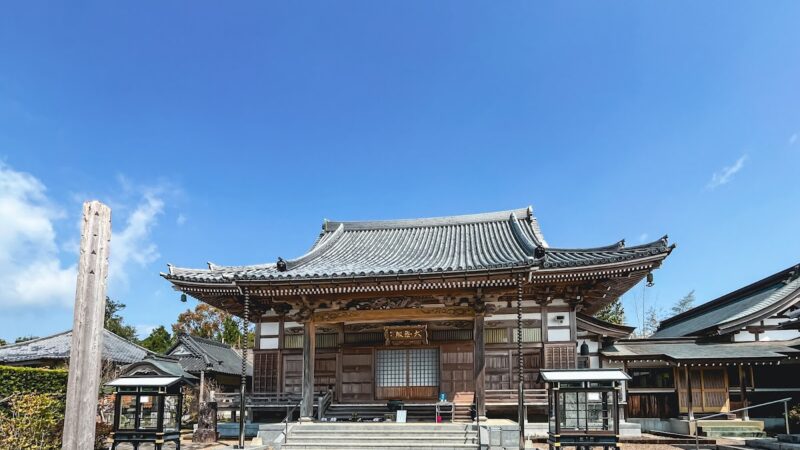
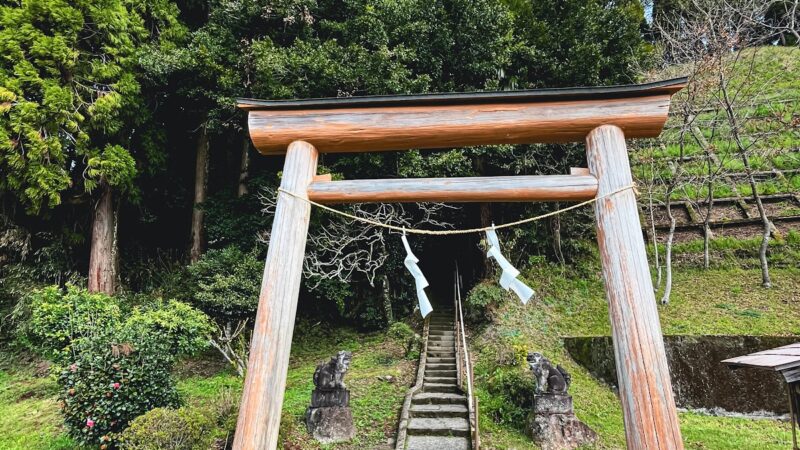
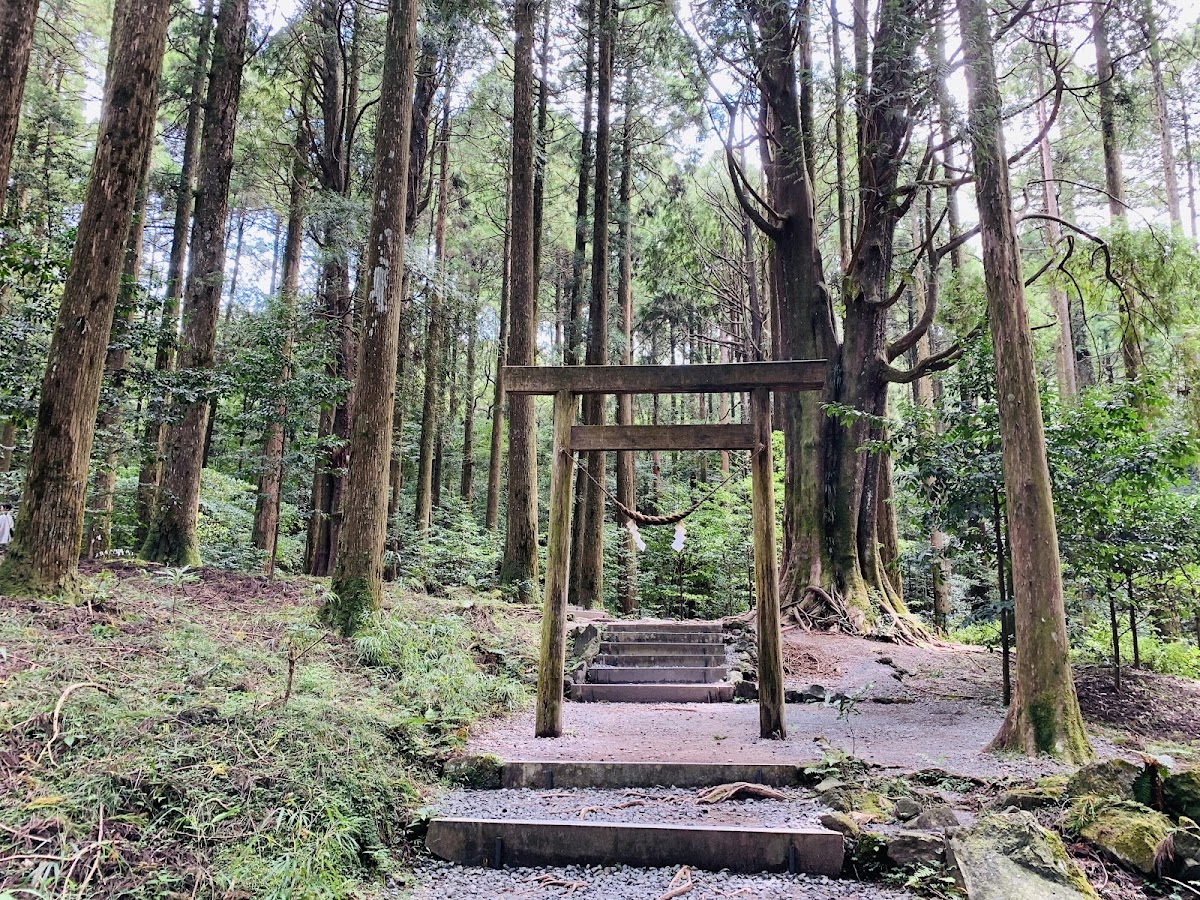
Yamajinja Shrine is located in the naturally rich environment of the Torai district. Although not large in scale, it is a shrine that has been carefully preserved by the local people.
The shrine grounds are enveloped in a tranquil atmosphere, offering peace of mind to visitors. Its harmonious blend with the surrounding nature creates a fitting environment for a shrine dedicated to the mountain god.
Etiquette for Worship
When visiting Yamajinja Shrine, please observe the following basic etiquette:
- Bow before passing through the torii gate: Show respect before entering the sacred area.
- Walk along the edge of the path: The center is considered the path of the gods.
- Purify yourself at the water basin: If there is a water basin, purify your hands and mouth.
- Two bows, two claps, one bow: This is the basic way to worship before the gods.
- Offer your prayers quietly: Express your gratitude and wishes sincerely.
Points to Note When Visiting
- The shrine grounds are a sacred place, so please maintain silence.
- Always take your trash with you.
- When taking photographs, please be considerate of those around you.
- Respect that this is a place of worship for the local people.
About Torai District, Satsuma Town
Overview of Torai District
Torai, Satsuma Town, is a district located in the central part of Satsuma Town, Satsuma District, Kagoshima Prefecture. As part of the Miyanojo area, it plays a central role in commerce and administration.
Main Facilities in the Surrounding Area
The following facilities are located in and around the Torai district:
- Kagoshima Prefectural Satsuma Chuo High School: A regional educational hub
- JA Kita-Satsuma Headquarters: The central facility of the agricultural cooperative
- Commercial Facilities: Scattered shops selling daily necessities and food products
- Public Facilities: Miyanojo Branch of Satsuma Town Hall, etc.
Origin of the Place Name Torai
There are several theories regarding the origin of the place name “Torai,” but it is thought to be related to the topography and historical background. As an interesting place name unique to this region, it is part of the local identity.
Access Information
Location
5732 Torai, Satsuma-cho, Satsuma-gun, Kagoshima Prefecture 895-1811
Access by Public Transportation
By Bus:
- Get off at the “Torai” bus stop (Nangoku Kotsu Bus), approximately 5-10 minutes on foot.
- Get off at the “Satsuma Chuo High School” bus stop, approximately 10 minutes on foot.
- Get off at the “Torai Asahimachi” bus stop, approximately 8 minutes on foot.
- Taxis are also available from the “Miyanojo” bus stop.
Public transportation services are limited, so we recommend checking the timetable in advance.
Access by Car
Travel Time from Major Cities:
- From Kagoshima City: Approximately 1 hour to 1 hour 30 minutes (via National Route 328)
- From Sendai City Center: Approximately 40 to 50 minutes
- From Izumi City Center: Approximately 50 minutes to 1 hour
Car Navigation Settings:
You can search using the address “5732 Torai, Satsuma-cho, Satsuma-gun, Kagoshima Prefecture” or “Yamajinja Shrine, Satsuma-cho”.
Parking:
Detailed parking information is limited, so please check the road conditions around the shrine before visiting. Please be considerate of local residents.
Nearby Tourist Attractions
Highlights of Satsuma-cho
When visiting Yamajinja Shrine, we recommend also visiting other tourist attractions in Satsuma-cho.
Miyanojo Onsen:
Satsuma-cho is also known as a hot spring area, and you can enjoy high-quality hot springs at Miyanojo Onsen. It’s perfect for relaxing after visiting the shrine. History and Culture of Northern Satsuma: Satsuma Town is dotted with historical sites and cultural properties that allow you to experience the history of the Satsuma Domain. It is especially recommended for history buffs.
Natural Scenery: You can enjoy the rich natural environment, including the surrounding mountains and the clear waters of the Sendai River.
Significance of Visiting Yamajinja Shrine
Inheritance of Local Beliefs
Small, community-based shrines like Yamajinja Shrine are valuable examples of how traditional Japanese beliefs are preserved. You can experience a form of faith that is integrated with the local community, different from that of large shrines.
Coexistence with Nature
Yamajinja Shrine, which enshrines Oyamatsumi-no-kami, the god of the mountains, reminds us of reverence and gratitude towards nature. Through visiting the shrine, you can reaffirm the importance of coexisting with nature, something often forgotten in modern society.
Peace of Mind
The time spent praying in the quiet shrine grounds is a precious opportunity to escape the hustle and bustle of everyday life and confront yourself. The tranquil atmosphere of Yamajinja Shrine brings peace to the hearts of visitors.
Recommended Visiting Times and Seasons
Visiting on Festival Days
Visiting on the festival days of July 15th and November 13th may allow you to witness the Shinto rituals. This is a valuable opportunity to experience local traditional events. However, as these are local events, please be respectful and considerate when observing.
Seasonal Attractions
Spring (March-May):
The season of fresh greenery offers beautiful surrounding nature and a refreshing visit.
Summer (June-August):
Enjoy the lush green scenery. The festival is held on July 15th.
Autumn (September-November):
During the autumn foliage season, the surrounding mountains change color, creating a beautiful landscape. The festival is held on November 13th.
Winter (December to February):
You can worship in a solemn atmosphere within the tranquil grounds.
Manners and Mindset for Worship
Attire
There are no specific dress code requirements, but clean and modest attire appropriate for a shrine visit is desirable. Avoid revealing or overly flashy clothing.
Photography
Photography is generally permitted, but please note the following:
- Refrain from photographing sacred areas such as the main hall.
- Be considerate of the privacy of other worshippers.
- Avoid using flash photography.
- When posting on social media, be mindful of sensitive information such as location details.
Offerings
Offerings express gratitude to the gods. There are no set amounts, but it is important to offer sincerely. When throwing coins, do so quietly and respectfully.
History and Culture of Satsuma Town
Formation of Satsuma Town
Satsuma Town was formed in 2005 (Heisei 17) through the merger of three towns: Miyanojo, Tsuruta, and Satsuma. The Torai district was the central area of the former Miyanojo town and continues to play a central role in the town even after the merger.
Connection to the Satsuma Domain
This region flourished as part of the Satsuma Domain during the Edo period. The unique culture and traditions of the Satsuma Domain remain strongly present, and the Yamajinja Shrine has been worshipped within this historical context.
Local Industries
Agriculture is thriving in Satsuma Town, with rice cultivation and livestock farming being the main industries. Traditional crafts such as bamboo work are also preserved. This region has lived in harmony with the blessings of the mountains, and the worship of the Yamajinja Shrine is closely intertwined with this way of life.
Summary
Yamajinja Shrine (Torai, Satsuma-cho, Satsuma-gun, Kagoshima Prefecture) enshrines Oyamatsumi-no-kami and has long been a deeply rooted local shrine, serving as the guardian deity of the Torai River mouth. Despite its unranked status, it has been a vital spiritual pillar for the local residents, carefully preserved throughout its long history.
Centered around its two annual festivals (July 15th and November 13th), it also functions as a place to deepen the bonds of the local community. When visiting Torai, Satsuma-cho, we highly recommend visiting Yamajinja Shrine to experience the region’s history, faith, and gratitude for the blessings of nature.
The time spent praying in the quiet shrine grounds will surely remind you of the reverence and gratitude towards nature that are often forgotten in our busy modern lives. While Yamajinja Shrine is not large in scale, it is a valuable presence that conveys the traditional Japanese way of faith, and will continue to walk hand in hand with the community.