Complete Guide to Kagoshima Prefecture Gokoku Shrine | History, Goshuin (Shrine Seals), Access, and Highlights Explained in Detail
Kagoshima Prefecture Gokoku Shrine, located in Kusomuta, Kagoshima City, Kagoshima Prefecture, is one of the oldest Gokoku shrines in Japan, founded in 1868 (Meiji 1). It enshrines the spirits of over 77,000 people from Kagoshima Prefecture who sacrificed their lives for their country and hometown, from the Boshin War at the end of the Edo period to the present day.
This article comprehensively explains everything you need to know before visiting Kagoshima Prefecture Gokoku Shrine, including its history and origins, highlights within the grounds, information on Goshuin (shrine seals), festivals and events, and access methods.
What is Kagoshima Prefecture Gokoku Shrine?
Significance and Role of Gokoku Shrines
Gokoku shrines are shrines that enshrine the spirits of people who sacrificed their lives for their country and hometown. These shrines are established in every prefecture throughout Japan, and they enshrine not only those who died in war, but also Self-Defense Forces personnel, police officers, and firefighters who died in the line of duty.
Kagoshima Prefectural Gokoku Shrine is particularly old and known as a prestigious shrine founded by the will of Emperor Meiji. It is cherished by local people as a “familiar guardian deity of their homeland,” and many worshippers visit it as a place to pray for peace.
About the Enshrined Deities
Kagoshima Prefectural Gokoku Shrine enshrines the spirits of over 77,000 people from Kagoshima Prefecture who sacrificed their precious lives for their country from the end of the Edo period to the present day.
Specifically, the following individuals are included:
- Dead soldiers of the Boshin War: The spirits of those who contributed to the Meiji Restoration as samurai of the Satsuma Domain
- Dead soldiers of the Satsuma Rebellion: Soldiers of the Satsuma army led by Saigo Takamori
- Dead soldiers of the First Sino-Japanese War and the Russo-Japanese War
- Dead soldiers of World War I
- Dead soldiers of the Manchurian Incident and the Second Sino-Japanese War
- Dead soldiers of World War II (Greater East Asia War): Soldiers of the Army and Navy, kamikaze pilots, victims of the Battle of Okinawa, etc.
- Post-war martyrs: Self-Defense Force personnel, police officers, firefighters, etc., who died in the line of duty
These spirits, transcending eras and positions, are enshrined as “guardian deities of the nation” and are revered as the foundation of a peaceful Japan.
History and Origins of Kagoshima Prefecture Gokoku Shrine
Circumstances of its Founding (Meiji 1st Year)
The history of Kagoshima Prefecture Gokoku Shrine dates back to January of Meiji 1st year (1868). Emperor Meiji, wishing for the permanent enshrinement of the loyal souls of the Satsuma Domain soldiers who died in the Boshin War, bestowed 500 ryo (a unit of currency) from the Imperial Court.
In response, Lord Shimazu Tadayoshi, the lord of the Satsuma Domain, erected the Isatama Reisha (a shrine dedicated to the repose of the souls) in Yamanokuchi Babacho, Kagoshima City. This marked the beginning of Kagoshima Prefecture Gokoku Shrine, making it one of the oldest Gokoku Shrines established nationwide.
Renaming and Relocation to Seiken Shrine (1869)
In 1869 (Meiji 2), the shrine was relocated to a newly constructed building in Yamashita-cho (present-day Terukuni-cho) and renamed Seiken Shrine. This location was near the present-day Terukuni Shrine.
Elevation to Official Kagoshima Shokonsha Shrine (1874)
In June 1874 (Meiji 7), Seiken Shrine was elevated to an official shrine and became known as Kagoshima Shokonsha Shrine. This placed it under national control, establishing its status as a more important shrine.
Renaming to Kagoshima Prefecture Gokoku Shrine (1939)
In 1939 (Showa 14), by designation of the Minister of Home Affairs, all Shokonsha shrines nationwide were renamed “Gokoku Shrine,” and the shrine was renamed Kagoshima Prefecture Gokoku Shrine.
Relocation to Current Location (Post-War)
After World War II, the shrine was relocated to its current location at 2-60-7 Kusomuta, Kagoshima City, Kagoshima Prefecture. It boasts a vast precinct and a parking lot accommodating over 200 vehicles, creating an easily accessible environment for worshippers.
Highlights of the Precinct
Features of the Shrine Architecture
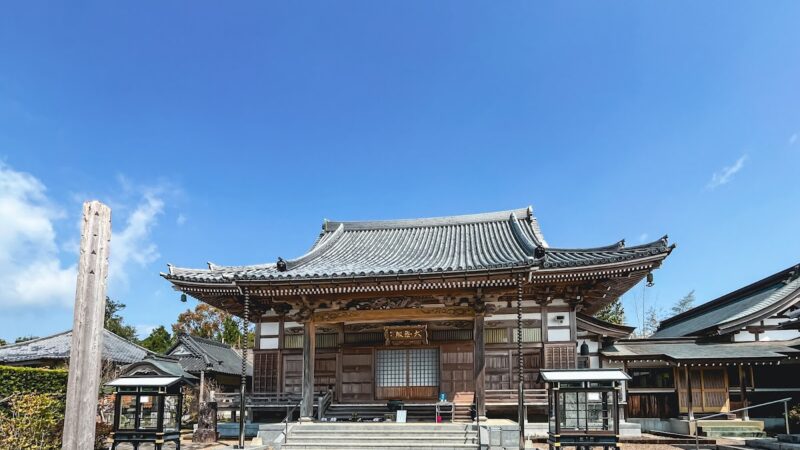
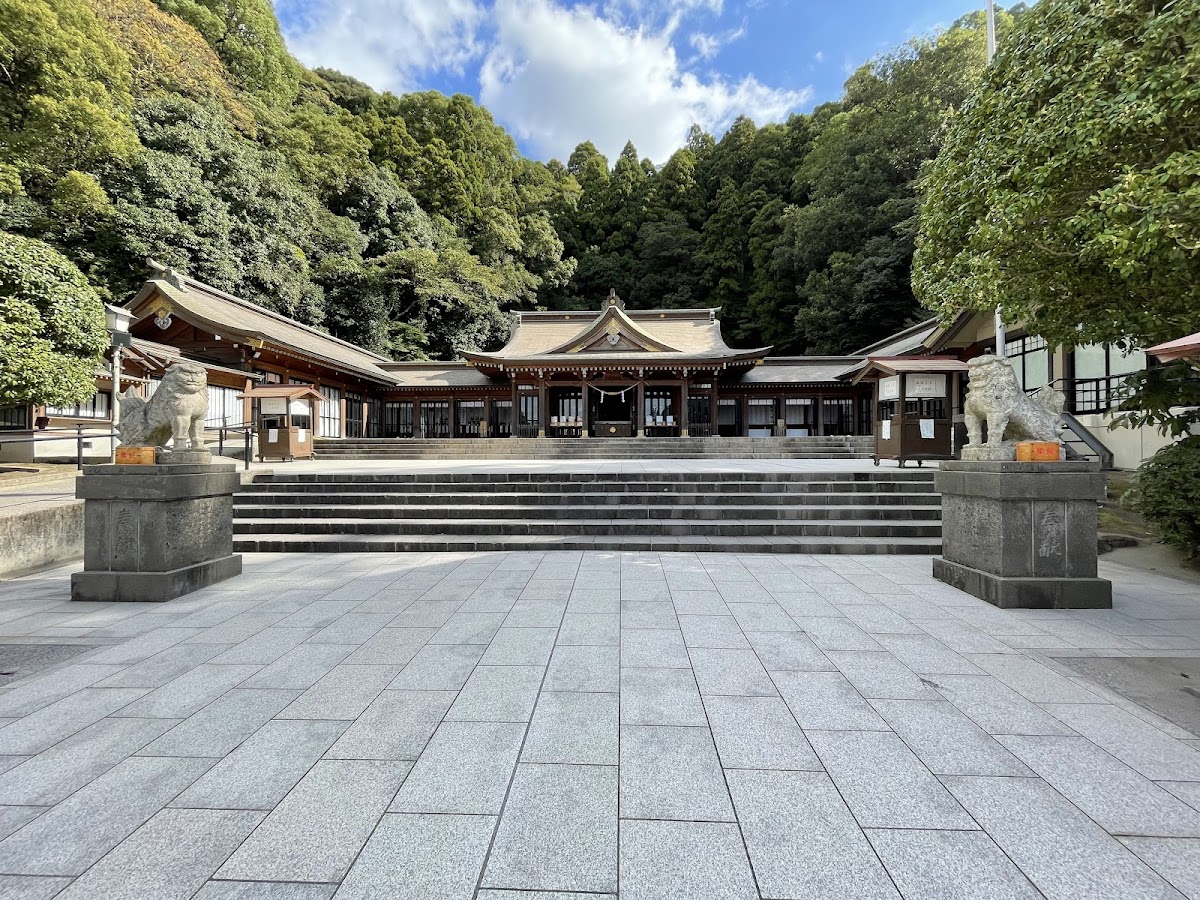
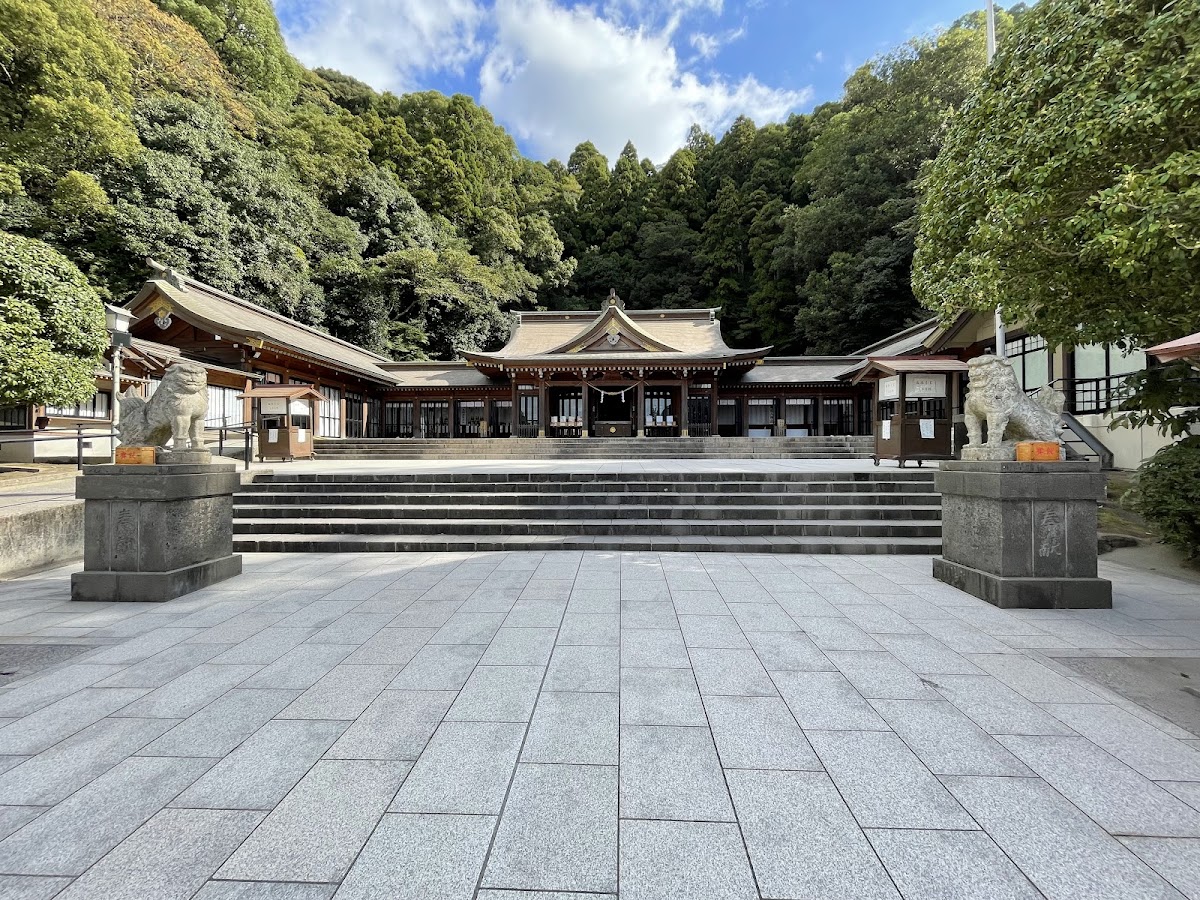
The Kagoshima Prefectural Gokoku Shrine’s architecture follows traditional shrine architectural styles, but also incorporates modern elements due to post-war reconstruction. The main hall, worship hall, and offering hall are integrated into a magnificent structure, welcoming worshippers in a solemn atmosphere.
Torii Gate and Approach
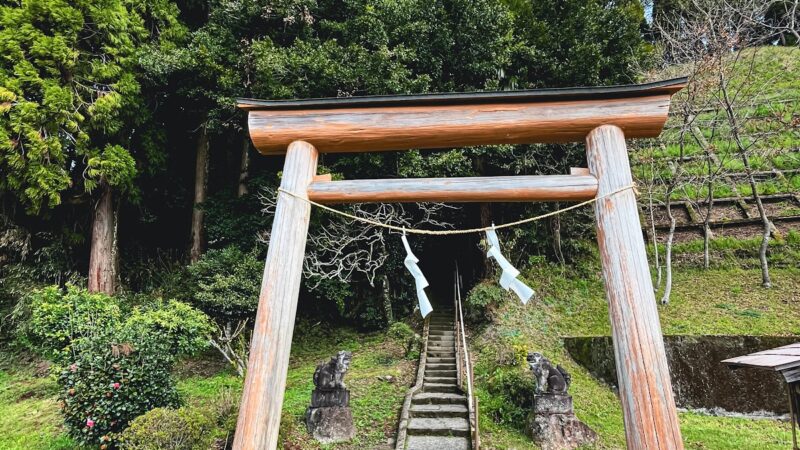
A splendid torii gate stands at the entrance to the shrine, leading to a well-maintained approach to the main hall. Lush trees line both sides of the approach, allowing worshippers to experience the changing seasons while praying.
Memorials and Monuments
Within the shrine grounds, several memorials and monuments commemorating various battles and specific units have been erected. These were built by bereaved families and related organizations, and each bears the history and sentiments of the victims.
Seasonal Scenery
In spring, cherry blossoms bloom; in summer, fresh greenery; in autumn, vibrant autumn leaves; and in winter, a crisp, clean air awaits visitors. The shrine grounds maintain a beautiful environment that reflects the changing seasons, making it ideal for a stroll.
Goshuin (Shrine Seal) Information
Standard Goshuin
Kagoshima Prefectural Gokoku Shrine offers standard goshuin. The goshuin, featuring the calligraphy and red seal of “Kagoshima Prefectural Gokoku Shrine,” is a popular memento of visits.
Goshuin stamping is available at any time and can be requested at the shrine office. The offering fee is generally around 300 to 500 yen.
Seasonal Limited Edition Goshuin (Shrine Seals)
Kagoshima Prefectural Gokoku Shrine offers seasonal limited edition goshuin. These special goshuin, featuring designs reflecting the four seasons—cherry blossoms in spring, lush greenery in summer, autumn leaves, and snowscapes in winter—are popular among goshuin collectors.
Since these limited edition goshuin are only available for a limited time, it is recommended to check the latest information on the official Instagram account (@kagoshimakengokoku.official) before visiting.
Goshuincho (Shrine Seal Book)
Kagoshima Prefectural Gokoku Shrine also offers original goshuincho. Featuring the shrine’s symbolic designs, these goshuincho make excellent souvenirs of your visit.
Annual Festivals and Events
Major Festivals
Kagoshima Prefectural Gokoku Shrine holds various festivals throughout the year.
New Year’s Day Festival (January 1st)
A festival to welcome the new year and pray for the peace and security of the nation, the prosperity of the Imperial Family, and the prosperity of parishioners and worshippers. It is bustling with many visitors making their first shrine visit of the year.
New Year’s Eve Festival (December 31st)
A festival to purify oneself of the impurities of the past year and prepare for the new year.
Great Purification Ceremony
A regularly held Great Purification ritual to cleanse the sins and impurities of worshippers.
Spring and Autumn Grand Festivals
The most important festivals, held twice a year, to express gratitude to the war dead and pray for peace.
Mitama Festival
A memorial service held in summer to comfort the war dead, and where bereaved families and related parties gather.
Special Events
Memorial Service for the End of the War (August 15th)
A special memorial service is held on the anniversary of the end of the war, attended by many bereaved families and related parties.
New Year’s Events
The first three days of the New Year are bustling with worshippers, and amulets, protective arrows, and rakes are popular items.
About Prayers and Weddings
Types of Prayers
Kagoshima Prefectural Gokoku Shrine accepts various types of prayers:
- Family Safety
- Business Prosperity
- Traffic Safety
- Protection from Evil
- Prayer for Success in Exams
- Prayer for Safe Childbirth
- First Shrine Visit for a Newborn
- Shichi-Go-San (7-5-3 Festival)
- Other Prayers
Advance reservations are recommended for prayers, but same-day registration is also possible. Please contact the shrine office for details.
Shinto Wedding Ceremony
Kagoshima Prefectural Gokoku Shrine also offers traditional Shinto wedding ceremonies. In a solemn atmosphere, you can exchange your eternal vows under the watchful eyes of the war dead.
For weddings, prior consultation and reservations are required. Detailed discussions will take place regarding the ceremony date, program, attire, photography, and other arrangements.
Access Information
Location
Address: 2-60-7 Kusomuta, Kagoshima City, Kagoshima Prefecture 892-0841
Access by Public Transportation
Using JR Kyushu Bus
- Get off at the “Gokoku Jinja-mae” bus stop, approximately 5 minutes on foot
- Bus routes heading north on National Route 3 from the Tenmonkan area are convenient.
Using City Tram and City Bus
- The nearest city tram station is “Shiyakusho-mae Station,” but it takes approximately 20 minutes on foot from there, so using the bus is recommended.
Access by Car
From Kagoshima City Center
- Head north on National Route 3 from the Tenmonkan area
- Travel time: Approximately 10-15 minutes
From Kagoshima Chuo Station
- Head north via National Route 3
- Travel time: Approximately 15-20 minutes
From Kyushu Expressway
- Approximately 15 minutes from Kagoshima Kita Interchange
- Approximately 20 minutes from Kagoshima Interchange
Parking Information
Kagoshima Prefectural Gokoku Shrine has a large parking lot for visitors.
- Capacity: Approximately 200 cars
- Usage Fee: Free
- Operating Hours: During visiting hours
During busy periods such as New Year’s and the annual festival, the parking lot may be full, so it is recommended to visit with plenty of time to spare.
Manners and Etiquette for Visiting a Shrine
Basic Worship Etiquette
- Bow before passing through the torii gate: Bow before entering the sacred area.
- Purify yourself at the water basin: Purify your left hand, right hand, and mouth in that order.
- Walk along the edge of the path: The center is considered the path of the gods.
- Two bows, two claps, one bow: Pray in the correct manner in front of the main hall.
Manners Specific to Gokoku Shrines
Since Gokoku Shrines enshrine the spirits of war dead, please pay special attention to the following points:
- Worship quietly and with reverence.
- Refrain from loud noises and disruptive behavior within the shrine grounds.
- Show particular respect in front of memorials and monuments.
- Take photographs only in designated areas.
Nearby Tourist Attractions
Terukuni Shrine
Located near the former site of Kagoshima Prefectural Gokoku Shrine, this shrine is dedicated to Shimazu Nariakira. It is one of Kagoshima’s representative shrines, and many people visit both together.
Shiroyama Observatory
A scenic spot offering panoramic views of Kagoshima city and Sakurajima volcano. Also known as the site of fierce battles during the Satsuma Rebellion.
Kagoshima City Meiji Restoration Museum
A museum where you can learn about the history of the Meiji Restoration. Recommended for those interested in Kagoshima’s history.
Sengan-en Garden (Iso Garden)
A Japanese garden built as a villa for the Shimazu family. It is a component of the World Cultural Heritage site “Sites of Japan’s Meiji Industrial Revolution.”
Significance of Visiting Kagoshima Prefectural Gokoku Shrine
Prayer and Gratitude for Peace
Visiting Kagoshima Prefectural Gokoku Shrine is not merely sightseeing; it is an opportunity to reaffirm the preciousness of peace and offer gratitude to the ancestors who built today’s peaceful Japan. When we consider the immense number of over 77,000 souls, each with their own life and family story, we can deeply feel the weight of peace.
Learning about Local History and Culture
Kagoshima was the stage for the Meiji Restoration and produced many patriots. Visiting Kagoshima Prefectural Gokoku Shrine allows you to experience local history and culture that you won’t learn from textbooks.
Peace of Mind and Healing
The quiet, lush grounds are ideal for escaping the hustle and bustle of everyday life and finding peace of mind. Through worship, you can calm your mind and face daily life with a renewed spirit.
Voices of Visitors
Many visitors to Kagoshima Prefectural Gokoku Shrine are deeply moved by its solemn atmosphere and the weight of its history.
“I truly felt that we have the peace we have today thanks to the spirits of the fallen soldiers.”
“I was able to offer my prayers with a heartfelt devotion in a quiet and solemn atmosphere.”
“The seasonal goshuin (temple/shrine stamps) are beautiful, making me want to visit every season.”
“There is a large parking lot, making it easily accessible.”
These are some of the comments received.
Summary
Kagoshima Prefectural Gokoku Shrine has a long history, founded in 1868 (Meiji 1), and is a venerable shrine that enshrines the spirits of over 77,000 fallen soldiers. It is one of the oldest Gokoku shrines in Japan and is an important shrine deeply connected to the history of Kagoshima.
The shrine grounds showcase beauty in every season, and in addition to the regular goshuin, seasonal limited-edition goshuin are also available. Various festivals are held throughout the year, and prayers and wedding ceremonies are also accepted.
With good access and a parking lot that can accommodate 200 cars, it is a must-visit spot when sightseeing in Kagoshima.
Kagoshima Prefectural Gokoku Shrine is a place where many people can express their gratitude for peace and reflect on the history of Kagoshima. We hope that through your visit, you will once again feel the preciousness of peace and have respect for the ancestors who protected it.