Complete Guide to Anyoin Temple (Kamakura City, Kanagawa Prefecture) | A Historic Temple Associated with Hojo Masako and its Highlights
Anyoin Temple, located in Omachi, Kamakura City, Kanagawa Prefecture, is a Jodo sect temple associated with Hojo Masako, known as the nun-shogun of the Kamakura shogunate. Formally called Gionzan Chorakuji Anyoin, it is the 3rd temple on both the Bando Thirty-Three Kannon Pilgrimage and the Kamakura Thirty-Three Kannon Pilgrimage, attracting many visitors. This historic temple boasts many attractions, including a giant Japanese yew tree over 700 years old (a natural monument), the large purple azaleas known as “Obake-tsutsuji” (ghost azaleas) that bloom profusely in May, and the Thousand-Armed Kannon Bodhisattva, also known as Tashiro Kannon.
The History of Anyoin Temple | The Story of Hojo Masako and Minamoto no Yoritomo
The Founding of Chorakuji Temple and Hojo Masako
The history of Anyoin Temple dates back to 1225 (Karoku 1). After the death of Minamoto no Yoritomo, his wife, Hojo Masako, built Gionzan Chorakuji Temple in Sasame-ga-tani (near present-day Hase) in Kamakura to pray for her husband’s soul. This was the predecessor of Anyoin Temple.
Hojo Masako was born in 1157 and married Minamoto no Yoritomo, making a significant contribution to the establishment of the Kamakura Shogunate. After Yoritomo’s death, she maintained political influence as a nun-shogun and died in 1225 at the age of 69. Because Masako’s posthumous Buddhist name was “An’yoin-dono Nyojitsu Myokan Daizenjo Ni,” the temple’s name was later changed to Anyoin.
History of War and Relocation
In 1333 (Genkō 3), Chōraku-ji Temple, located in Sasamegatani, was destroyed by fire during the fall of the Kamakura Shogunate. Later, during the late Kamakura period and early Muromachi period, it was relocated to its current location in Ōmachi.
Originally, this site housed Zendō-ji Temple, a Jōdo sect temple founded by Sonkan Shōnin. Chōraku-ji Temple was moved to the former site of Zendō-ji Temple, and the temple name “An’yō-in” was adopted, after the posthumous Buddhist name of Hōjō Masako. The mountain name “Gion-zan” and the temple name “Choraku-ji” have been retained from the time of its founding.
Merger with Tashiro-ji Temple
Another important historical change for An’yō-in Temple is its merger with Tashiro-ji Temple. Tashiro-ji Temple was a temple located in Hikigaya, enshrining the principal image of the Thousand-Armed Kannon Bodhisattva (Tashiro Kannon). This Kannon statue was revered as the third stop on the Bandō Thirty-Three Kannon Pilgrimage, but due to the anti-Buddhist movement in the early Meiji era, Tashiro-ji Temple was abolished, and the Kannon statue was moved to Anyō-in Temple.
As a result, Anyō-in Temple inherited the status of a pilgrimage site from Tashiro-ji Temple and came to be known as “Anyō-in Tashiro-ji.” Even today, it is visited by many pilgrims as the third stop on both the Bandō Thirty-Three Kannon Pilgrimage and the Kamakura Thirty-Three Kannon Pilgrimage.
Highlights of the Temple Grounds
Temple Gate and Approach
The temple gate of Anyō-in Temple stands facing Ōmachi Street. Passing through the simple yet dignified gate, one is greeted by azaleas planted on both sides of the approach. During the blooming season in May, this approach is adorned with a vibrant purple, attracting many tourists and photography enthusiasts.
The plaque above the temple gate bears the characters “Gion-zan,” indicating the temple’s mountain name. The name Gion is thought to suggest a connection to the Yasaka Shrine (Gion Shrine) in Kyoto.
Main Hall and Principal Image
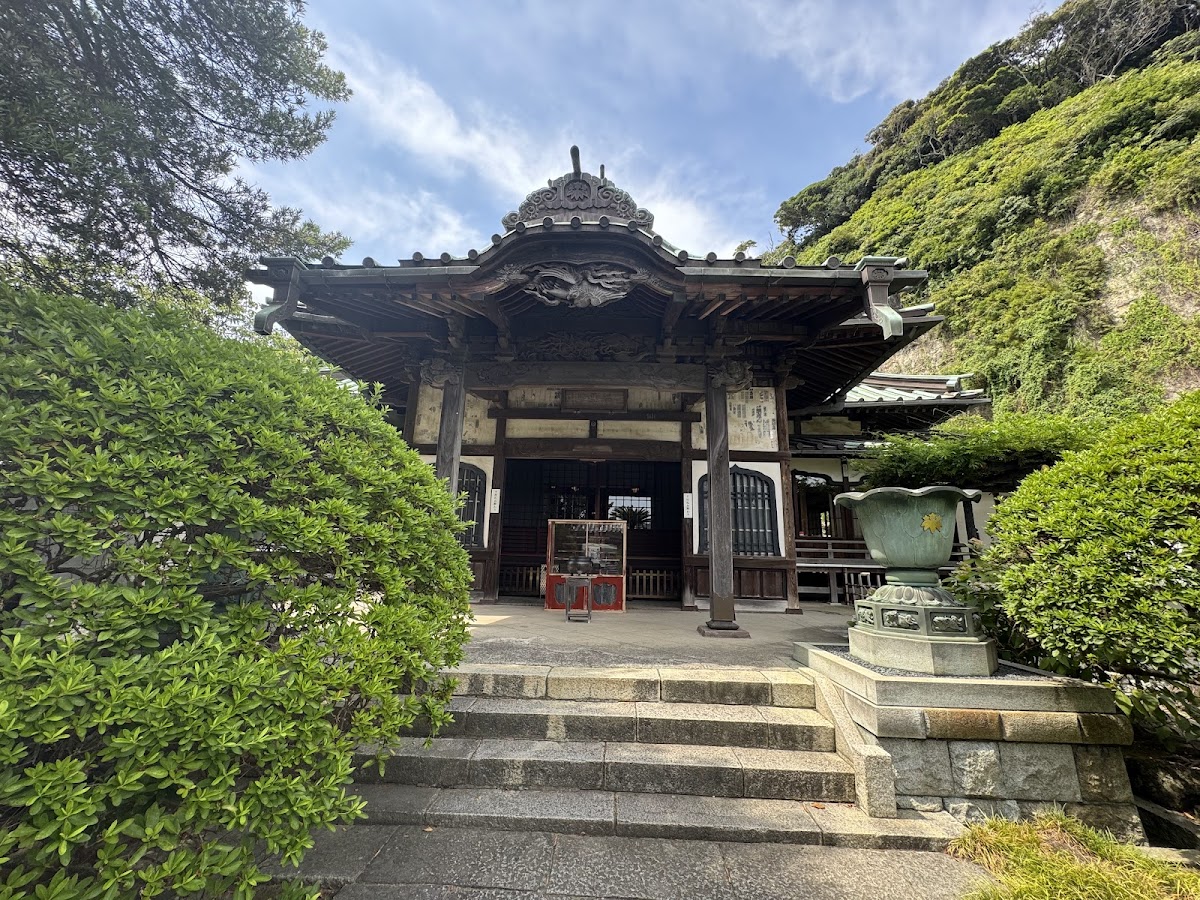
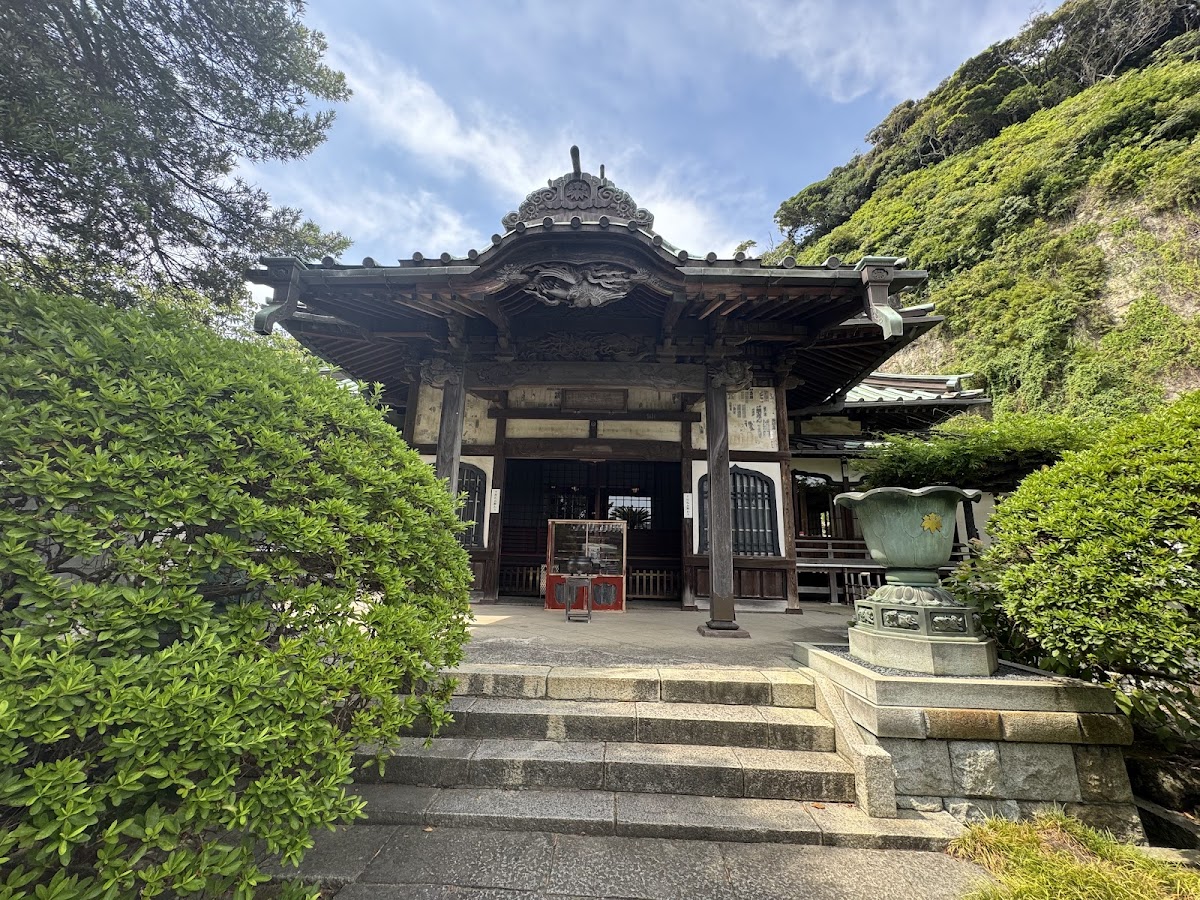
The main hall houses the principal image, Amida Buddha. As befits a Jodo sect temple, it has attracted the faith of many people throughout its long history as a place of Pure Land Buddhism centered on Amida Buddha.
Inside the main hall, the Thousand-Armed Kannon Bodhisattva (Tashiro Kannon), which was moved from Tashiro-ji Temple, is also enshrined. This Kannon statue is particularly revered as the principal image of the 33 Kannon pilgrimage sites of Bando. The Thousand-Armed Kannon is a symbol of great compassion, “saving all sentient beings with a thousand hands,” and is believed to grant various wishes.
Natural Monument Podocarpus macrophyllus
The most striking feature of the grounds of Anyoin Temple is the giant Podocarpus macrophyllus tree, estimated to be over 700 years old. This Japanese yew tree is designated a natural monument of Kamakura City, with a trunk circumference of approximately 4 meters and a height of approximately 13 meters.
Estimated to have been planted between the Kamakura and Muromachi periods, this yew has quietly watched over the long history of Anyoin Temple. Its majestic presence further enhances the dignified atmosphere of the ancient temple. As an evergreen tree, the yew maintains its deep green color throughout the year, creating a tranquil atmosphere within the temple grounds.
Large Purple Azalea (Obake Azalea)
Anyoin Temple is also widely known as the “Azalea Temple.” Particularly famous are the large purple azaleas planted along the approach from the main gate to the main hall and within the temple grounds. Some of these ancient trees are said to be over 200 years old, and their size has earned them the affectionate nickname “Obake Azalea” (ghost azalea).
They are typically in full bloom from early to mid-May, and the sight of the temple grounds filled with vibrant purple flowers is breathtaking. During the flowering season, many tourists visit from Kamakura Station, enjoying taking photographs. The azalea blooming season is arguably the most vibrant time of year at Anyoin Temple.
The Hōkyōintō Pagoda, Believed to be the Tomb of Hōjō Masako
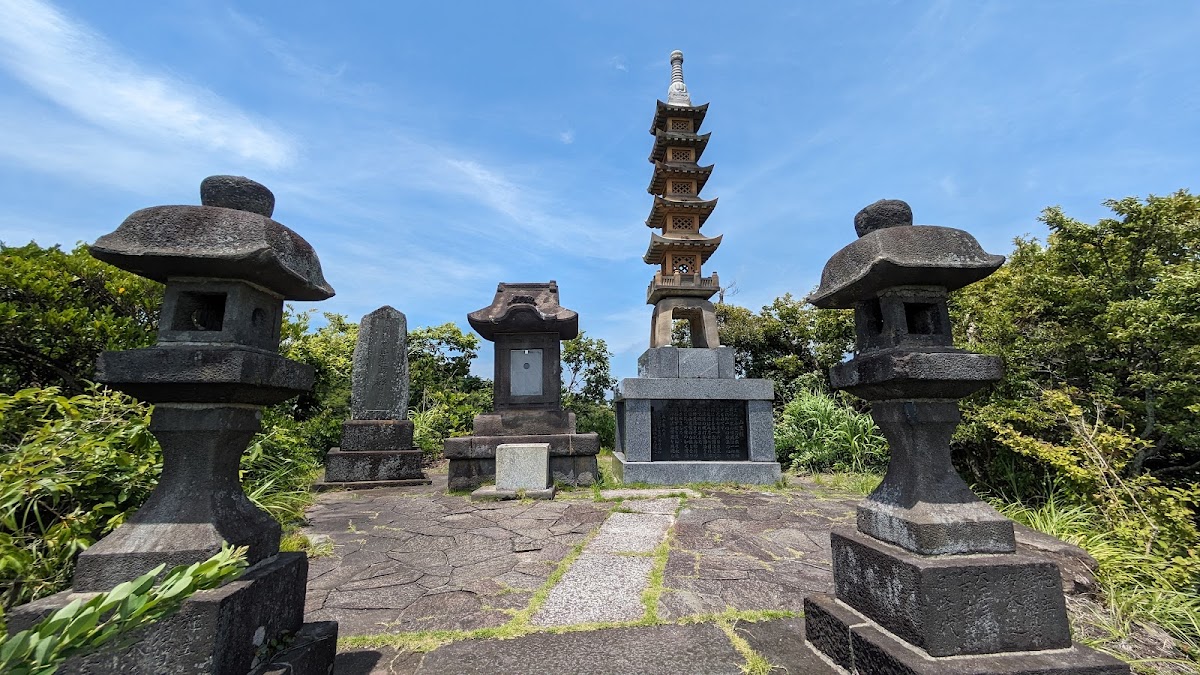
Within the temple grounds is a Hōkyōintō pagoda, believed to be the tomb of Hōjō Masako. A Hōkyōintō is a type of Buddhist memorial pagoda, consisting of a square base topped with a tower body, a capstone, and a finial.
While there are various theories as to whether this Hōkyōintō pagoda is actually the tomb of Hōjō Masako, it is an important historical site remaining at a temple associated with Masako, attracting many history enthusiasts. It is a valuable place to reflect on the life and legacy of Masako, a powerful figure in the Kamakura Shogunate and a nun-shogun who demonstrated remarkable political acumen.
Other Highlights
Within the temple grounds, there are numerous historical sites that quietly tell the story of history, including the tombs of successive chief priests and groups of stone Buddha statues. Although the grounds are small, elements that evoke the history of Kamakura are scattered throughout, and a leisurely stroll will lead to new discoveries.
Cultural Properties and Treasures
Thousand-Armed Kannon Bodhisattva (Tashiro Kannon)
The most important cultural property of Anyoin Temple is the statue of the Thousand-Armed Kannon Bodhisattva, which was moved from Tashiro-dera Temple. This Kannon statue has long been revered as the principal image of the 3rd temple of the Bando Thirty-Three Kannon Pilgrimage.
The Thousand-Armed Kannon is a Kannon Bodhisattva said to have a thousand arms, each holding a tool to save sentient beings and granting all wishes. Tashiro Kannon is considered particularly miraculous and attracts many worshippers.
Other Buddhist Statues and Artifacts
Besides the principal image of Amida Buddha, Anyoin Temple, as a Jodo sect temple, possesses a variety of Buddhist statues and artifacts. These are usually not open to the public, but they are treasures carefully preserved throughout its long history, telling the story of Anyoin Temple’s faith.
Bando Thirty-Three Kannon Pilgrimage and Kamakura Thirty-Three Kannon Pilgrimage
Third Temple of the Bando Thirty-Three Kannon Pilgrimage
Anyoin Temple is the third temple of the Bando Thirty-Three Kannon Pilgrimage. The Bando Thirty-Three Kannon Pilgrimage is a Kannon pilgrimage route spread across the Kanto region (Bando), and together with the Saigoku Thirty-Three and Chichibu Thirty-Four Pilgrimages, it is counted among the 100 Kannon Pilgrimages of Japan, making it an important pilgrimage route.
The first temple on the pilgrimage route is Sugimoto-dera Temple in Kamakura City, Kanagawa Prefecture, and the second is Iwadono-ji Temple, also in Kamakura City (although some sources say it’s in Zushi City). Anyoin Temple is one of the important bases for the Bando Kannon pilgrimage in Kamakura.
Third Temple of the Kamakura Thirty-Three Kannon Pilgrimage
The Kamakura Thirty-Three Kannon Pilgrimage is a pilgrimage route that visits Kannon temples in and around Kamakura City. Anyoin Temple is also designated as the third temple on this route, making it an important point for pilgrims visiting temples in Kamakura.
Many pilgrims collect temple stamps (Goshuin), and Anyoin Temple offers a stamp for Tashiro Kannon.
Annual Events and Visiting Information
Main Annual Events
As a Jodo sect temple, Anyoin Temple holds various Buddhist services and events. Particularly important are the spring and autumn equinox services and the Obon (Buddhist festival) Segaki service. Furthermore, during the azalea blooming season in May, the temple is bustling with many worshippers and tourists.
Visiting Hours and Admission Fee
- Visiting Hours: 8:00 AM – 4:30 PM (Closed December 29th – 31st)
- Admission Fee: 100 yen (Donation)
- Estimated Time Required: Approximately 20-30 minutes
The temple grounds are not very large, but if you take your time to look around, including the large cypress trees, azaleas, and visiting the main hall, you will need about 30 minutes. Especially during the azalea season, many people spend time taking photographs.
Goshuin (Temple Seal)
At Anyoin Temple, you can receive Goshuin (temple seals) for the Bando Thirty-Three Kannon Pilgrimage and the Kamakura Thirty-Three Kannon Pilgrimage. Goshuin are available at the main hall, and the offering fee is usually around 300 yen. You can bring your own Goshuin book or receive a pre-printed Goshuin. ## Access and Transportation Information
Location
Address: 3-1-22 Omachi, Kamakura City, Kanagawa Prefecture 248-0007
Access by Train and Bus
Nearest Station: JR Yokosuka Line/Enoshima Electric Railway “Kamakura Station”
On Foot
Approximately 12-15 minutes on foot from Kamakura Station East Exit. Head towards Omachi, and it’s on your left a short distance past the Omachi intersection.
By Bus
Take a bus bound for “Nagoe” from bus stop #3 at Kamakura Station East Exit, get off at the “Nagoe” bus stop, and it’s about a 1-minute walk. Keikyu Bus operates this route, with approximately 2-3 buses per hour.
Access by Car
Approximately 20 minutes from the Yokohama-Yokosuka Expressway “Asahina IC”. However, Anyoin does not have its own parking lot, so you will need to use nearby coin parking. Kamakura’s roads are narrow, and traffic congestion is particularly severe on weekends, so we recommend using public transportation.
Nearby Parking
There are several coin-operated parking lots around Anyoin Temple, but they have limited capacity and are often full during peak tourist season. It’s more reliable to park in a large parking lot near Kamakura Station and visit on foot or by bus.
Nearby Tourist Attractions
Myohonji Temple (approx. 5-minute walk)
A major Nichiren Buddhist temple located about a 5-minute walk from Anyoin Temple. A temple associated with the Hiki clan, it boasts vast grounds and beautiful natural surroundings.
Yakumo Shrine (approx. 3-minute walk)
A shrine beloved by the local people as the guardian shrine of Omachi. Known as Kamakura’s oldest shrine for warding off evil.
Honkakuji Temple (approx. 7-minute walk)
A Nichiren Buddhist temple, also known as “Higashi Minobu.” It is bustling during the New Year’s Ebisu festival (January 10th).
Around Kamakura Station
The area around Kamakura Station is home to many of Kamakura’s central tourist spots, including Tsurugaoka Hachimangu Shrine, Komachi Street, and Wakamiya-oji Street. Visiting these landmarks after visiting Anyoin Temple is highly recommended.
Points to Note When Visiting Anyoin Temple
Best Season
The best season to visit Anyoin Temple is undoubtedly from early to mid-May, when the azaleas are in full bloom. The sight of the large, magnificent purple azaleas, known as “ghost azaleas,” in full bloom is breathtaking and well worth seeing.
However, since many tourists visit during this time, those who wish to pray in peace should consider visiting early in the morning right after opening or on weekdays.
Photography
The azalea season is particularly suitable for photography, but consideration should be given to avoiding disturbing other visitors. Tripods should be avoided during crowded times. The large Japanese yew tree is also a popular photo spot.
Clothing and Items to Bring
Since some parts of the temple grounds are unpaved, comfortable walking shoes are recommended. In summer, there is little shade, so a hat or parasol would be a good idea. If you plan to receive a Goshuin (temple stamp), please remember to bring your Goshuincho (stamp book).
Estimated Time Required
A visit to Anyoin Temple alone takes about 20-30 minutes, but if you plan to explore the surrounding temples and shrines in the Omachi area, it’s best to allow 2-3 hours. Please also consider the round-trip time from Kamakura Station.
The Role of Anyoin Temple in Kamakura Tourism
Anyoin Temple may be less well-known than extremely famous tourist spots such as the Five Great Zen Temples of Kamakura, Hase-dera Temple, and Tsurugaoka Hachimangu Shrine. However, as a temple associated with Hojo Masako, an important figure of the Kamakura Shogunate, its historical value is extremely high.
Furthermore, as a pilgrimage site for the 33 Kannon Temples of Bando, it is an indispensable place for pilgrims. Despite its small size, the temple grounds are packed with attractions, including a natural monument yew tree, beautiful azaleas, and the Tashiro Kannon statue, making it well worth a visit as a hidden gem of Kamakura.
The Omachi area is a little further from Kamakura Station, so it’s less crowded than Komachi Street and Wakamiya-oji Street, offering a more peaceful atmosphere for worship. It’s especially recommended for those who want to escape the hustle and bustle of Kamakura and quietly contemplate history.
Summary
An’yoin Temple is a historically significant Jodo sect temple, originating from Chorakuji Temple, built by Hojo Masako to commemorate Minamoto no Yoritomo. It has a complex history, including destruction and relocation due to war, and a merger with Tashiroji Temple, leading to its current form.
It boasts numerous attractions, including a natural monument yew tree over 700 years old, the “ghost azaleas” that bloom profusely in May, and the Tashiro Kannon, the principal image of the Bando Thirty-Three Kannon Pilgrimage. Located within walking distance of Kamakura Station, its relatively quiet environment for worship is one of its attractions.
When visiting Kamakura, why not explore not only the major tourist spots but also historical temples like this one? At Anyoin Temple, imbued with the spirit of Hojo Masako, you’ll surely feel the profound history of Kamakura.