Jōmyōji Temple (Kamakura City, Kanagawa Prefecture) Complete Guide | Highlights and History of the Fifth-Ranked Ancient Temple of the Five Great Zen Temples of Kamakura
Located in Jōmyōji, Kamakura City, Kanagawa Prefecture, Jōmyōji Temple is a prestigious Rinzai Zen temple of the Kenchōji school, ranked fifth among the Five Great Zen Temples of Kamakura. Its official name is “Tōkasan Jōmyōkōri Zenji,” and it boasts a history of over 800 years since its founding in 1188 (Bunji 4). This article provides detailed information you should know before visiting, from the historical background of Jōmyōji Temple to its highlights, access methods, and surrounding tourist information.
History and Origins of Jōmyōji Temple
Founding Circumstances and Connection to the Ashikaga Clan
Jōmyōji Temple was founded in 1188 (Bunji 4) by Ashikaga Yoshikane, a senior retainer of Minamoto no Yoritomo. The temple’s founder (first head priest) was Zen Master Taiko Gyoyu, and it was initially called “Gokuraku-ji.” Ashikaga Yoshikane, a powerful retainer of the Minamoto clan, contributed significantly to the establishment of the Kamakura Shogunate, and Jōmyō-ji Temple maintained a deep connection with the Ashikaga family as their ancestral temple for generations.
The founder, Taiko Gyoyu, was a high-ranking monk who returned from Song Dynasty China and is considered one of the key figures in spreading Zen Buddhism in Japan. The temple houses a wooden seated statue of Zen Master Taiko, designated as a National Important Cultural Property, which conveys the spirit of the founder to this day.
Rank as the Fifth of the Five Great Zen Temples of Kamakura
From the Kamakura period to the Muromachi period, the shogunate established the “Five Great Zen Temples System,” ranking Zen temples. Jōmyō-ji Temple was ranked fifth among the Five Great Zen Temples of Kamakura, boasting a prestigious status following Kenchō-ji (first), Engaku-ji (second), Jufuku-ji (third), and Jōchi-ji (fourth).
During its peak in the Muromachi period, Jōmyōji Temple was a large temple complex boasting seven main halls and 23 sub-temples (tatchū: small temples located within the grounds of a larger temple). Its vast grounds served as a major center of Zen Buddhism, where many monks dedicated themselves to their training. The current temple grounds are designated a national historical site, quietly preserving the atmosphere of its former glory.
Changes Across Time
From the medieval period onward, Jōmyōji Temple suffered damage numerous times due to wars and fires. In particular, many of its buildings were lost during the turbulent period from the late Muromachi to the Sengoku period. The current main hall was rebuilt in 1756 and is a valuable structure that preserves the architectural style of the mid-Edo period.
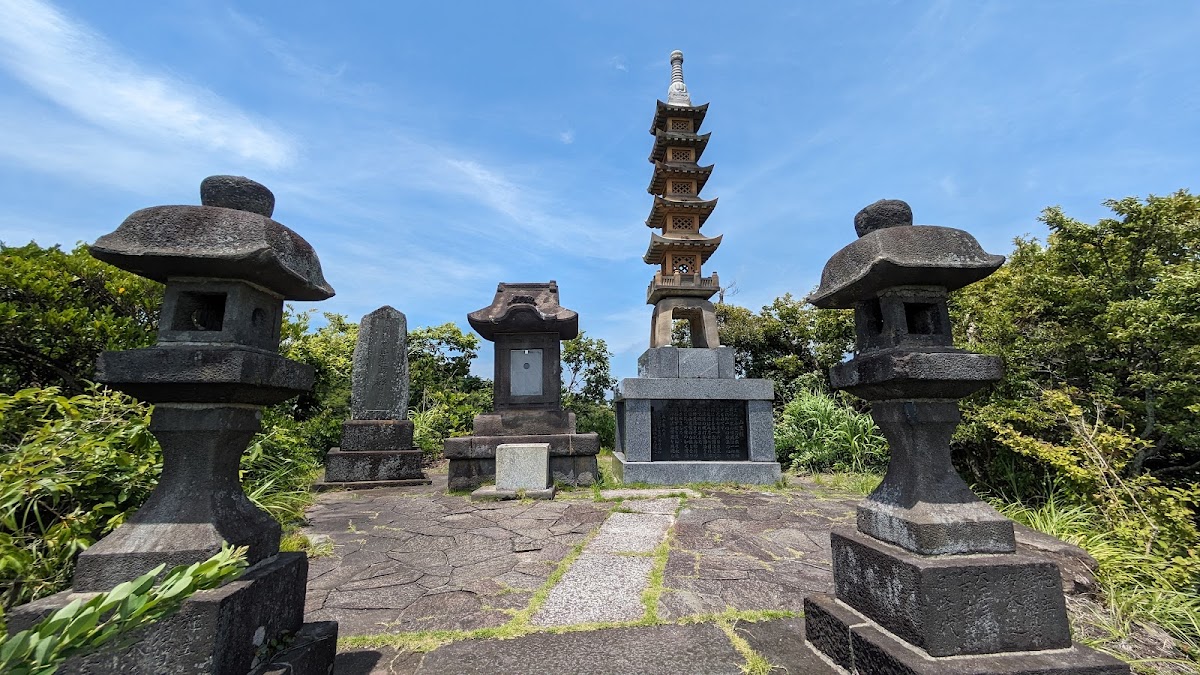
In the cemetery behind the main hall, there is a stone pagoda believed to be the tomb of Ashikaga Sadauji, the father of Ashikaga Takauji, illustrating the temple’s deep connection to the Ashikaga clan. Having continued to receive the patronage of the Ashikaga clan even after the fall of the Kamakura Shogunate, Jōmyōji Temple is an indispensable presence in the history of Kamakura.
Guide to the Grounds and Highlights of Jōmyōji Temple
Main Hall and Principal Image
Jōmyōji Temple’s main hall is a dignified building characterized by its imposing roof. The hip-and-gable roof has a sense of weight and exudes a simple yet powerful beauty typical of Zen temples. Inside the main hall is enshrined the principal image, a statue of Shakyamuni Buddha, allowing visitors to worship in a tranquil space.
In front of the main hall lies a spacious temple grounds where visitors can enjoy the changing seasons. In particular, the temple grounds, with their cherry blossoms in spring, the fresh greenery of early summer, the autumn leaves, and the tranquility of winter, display different expressions with each season, soothing the hearts of visitors.
Matcha Tea Experience at Kisen-an (Tea House)
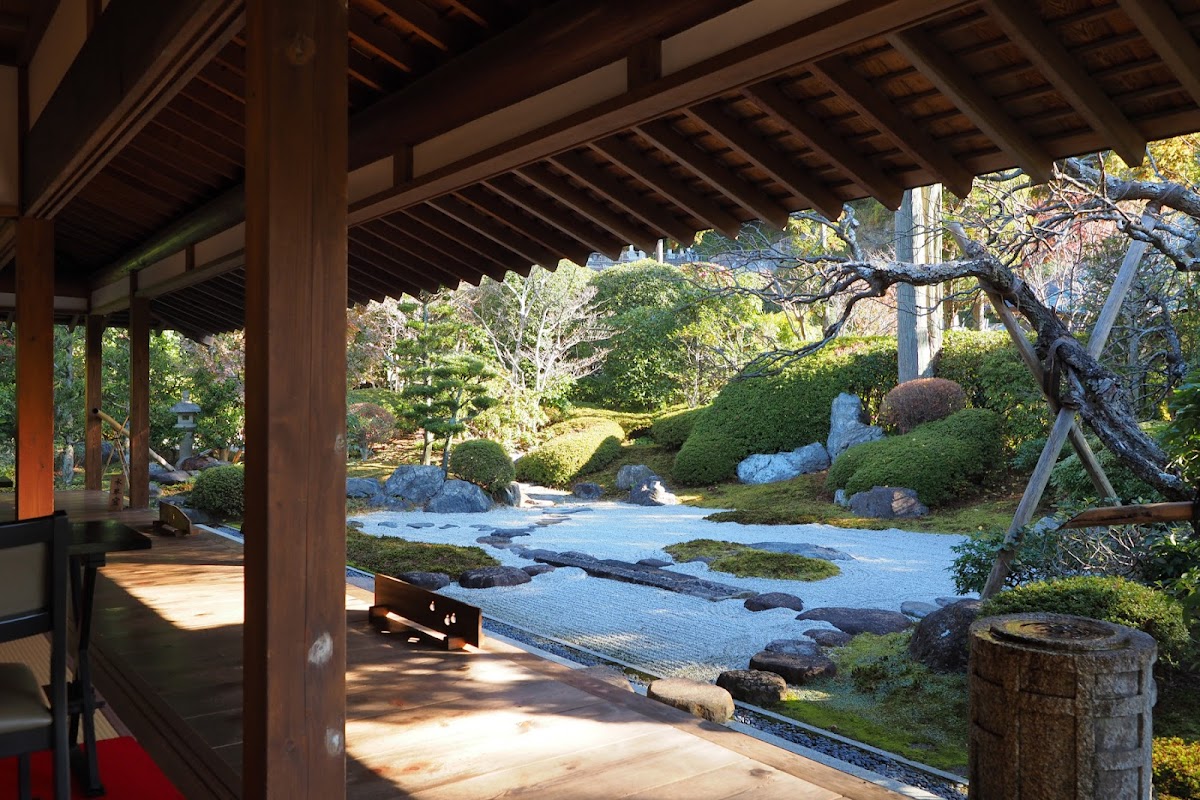
Kisen-an, located within the temple grounds, is a tea house where visitors can enjoy matcha tea while gazing at a beautiful dry landscape garden. A dry landscape garden is a style of Japanese garden that uses sand and stones to depict mountain and water landscapes. The garden at Kisen-an in Jomyoji Temple boasts particularly magnificent aesthetic beauty.
Opening hours vary by season: 10:00 AM to 4:30 PM in summer (generally April to September) and 10:00 AM to 4:00 PM in winter (generally October to March). Enjoying matcha tea and seasonal Japanese sweets while gazing at the tranquil garden is a luxurious moment that allows you to forget the hustle and bustle of everyday life.
A dry landscape garden is also an artistic expression of Zen philosophy. Each stone arrangement and sand pattern has meaning, and the more you gaze upon it, the deeper its appreciation becomes.
Western-style experience at the Stone Oven Garden Terrace
Within the grounds of Jomyoji Temple is a unique facility called the “Stone Oven Garden Terrace.” This restaurant, housed in a Western-style building, offers authentic stone-baked bread and Western cuisine.
The unique combination of a traditional Japanese temple grounds and an English-style garden terrace is a charm unique to Jomyoji Temple. It’s a space where many visitors can relax and enjoy the beautiful garden.
In the garden, where seasonal flowers bloom, you can enjoy plants of all seasons: roses in spring, herbs in summer, cosmos in autumn, and more. The opportunity to experience both temple worship and a Western-style cafe at the same time is a major characteristic of Jomyoji Temple.
Seasonal Highlights
Spring (March-May)
Cherry blossoms and plum blossoms bloom on the temple grounds, with the plum blossoms from February to March being particularly magnificent. The plum trees planted around the main hall announce the arrival of spring.
Summer (June-August)
The fresh greenery is beautiful, and the temple grounds are dyed a vibrant green. The garden of Kisen-an is also beautiful with its lush moss, creating a cool and refreshing atmosphere.
Autumn (September-November)
The autumn foliage at Jomyoji Temple is renowned even within the Kamakura area, and the sight of the maple and ginkgo trees in the temple grounds changing color is breathtaking. The best time to see them is especially from mid- to late November.
Winter (December-February)
The temple grounds, enveloped in silence during winter, exude a solemn atmosphere befitting a Zen temple. On snowy days, a beautiful landscape unfolds, reminiscent of an ink painting.
Basic Information and Access to Jomyoji Temple
Location and Visiting Information
Address
3-8-50 Jomyoji, Kamakura City, Kanagawa Prefecture 248-0003
Visiting Hours
9:00 AM – 4:30 PM (Gate closes)
Admission Fee
Adults/Junior High School Students and above: 100 yen
Elementary School Students and younger: 50 yen
Closed Days
Open all year round (However, visits may be restricted during bad weather or religious services)
Inquiries
Phone: 0467-22-2818
Access from Kamakura Station
Access by Bus
Take a Keihin Kyuko Bus from the bus terminal at the east exit of JR Kamakura Station.
- Take the 23 bus bound for “Kamakura Reien Seimon-mae Tachiarai” or the 24 bus bound for “Kanazawa Hakkei Station”
- Travel time: Approximately 12 minutes
- Get off at the “Jomyoji” bus stop and walk for about 2 minutes.
Buses run approximately 3-4 times per hour. From Kamakura Station, the route heads east along Kanazawa Kaido.
Access on foot
It’s about a 30-minute walk from the east exit of JR Kamakura Station. Walking east along Kanazawa Kaido, you can enjoy a stroll while visiting Hokokuji Temple and Ichijo Eikan Sanso. On a sunny day, a walk through Kamakura while enjoying the scenery is highly recommended.
By taxi
It’s about a 10-minute taxi ride from the east exit of Kamakura Station, costing around 1,000 yen.
Access by private car
It’s about a 15-minute drive from the Asahina IC on the Yokohama-Yokosuka Expressway. However, Jomyoji Temple does not have its own parking lot. We recommend using nearby paid parking lots or public transportation.
Parking Information
While Jomyoji Temple has a limited number of parking spaces for visitors, they are often full on weekends and during peak tourist seasons. There are coin-operated parking lots near the nearby Hokokuji Temple and Kamakura-gu Shrine; please consider using those as well.
Recommended Tourist Spots near Jomyoji Temple
Hokokuji Temple (Bamboo Garden)
Located about a 5-minute walk from Jomyoji Temple, Hokokuji Temple is a Rinzai Zen temple of the Kenchoji school, known as the “Bamboo Temple.” The bamboo grove, with approximately 2,000 moso bamboo trees, is breathtaking, and you can enjoy matcha tea at a tea ceremony area set up within the grove. It’s a popular spot often visited in conjunction with Jomyoji Temple.
Ichijo Eikan Villa
Located near Jomyoji Temple, Ichijo Eikan Villa is a former court noble’s villa relocated from Kyoto. The beautiful Japanese garden and sukiya-style buildings are magnificent, and you can enjoy the scenery of each season. It is especially crowded with tourists during the autumn foliage season.
Kamakura-gu Shrine (Daito-no-miya)
This shrine is dedicated to Prince Moriyoshi, a son of Emperor Go-Daigo, and is located about a 15-minute walk from Jomyoji Temple. It is a historical spot where you can reflect on the tragic life of Prince Moriyoshi, who played a key role in the overthrow of the Kamakura Shogunate.
Zuisenji Temple
This Rinzai sect temple of the Engakuji school is famous for its rock garden designed by Muso Soseki. It is also known as the family temple of the Kamakura Shogun and is called the “Temple of Flowers” because of the beautiful seasonal flowers. It is about a 20-minute walk from Jomyoji Temple.
Sugimoto-dera Temple (Kamakura’s Oldest Temple)
Sugimoto-dera Temple, known as Kamakura’s oldest temple, is said to have been founded in 734. This ancient Tendai sect temple, with its impressive moss-covered stone steps and eleven-faced Kannon statue as its principal image, is located along the Kanazawa Road, approximately a 10-minute walk from Jomyoji Temple.
Gourmet Information Around Jomyoji Temple
Ishigama Garden Terrace (Temple Grounds)
As mentioned above, this restaurant is located within the grounds of Jomyoji Temple. You can enjoy authentic bread and pizza baked in a stone oven, as well as Western-style dishes using seasonal ingredients. From the terrace seating, you can enjoy a beautiful view of the garden, making for an elegant lunch.
Kisen-an (Temple Grounds)
This tea room offers matcha green tea and Japanese sweets while overlooking a dry landscape garden. It’s a quiet space where you can spend a relaxing time.
Cafes Along the Kanazawa Road
Along the Kanazawa Road, you’ll find a variety of unique restaurants, including cafes renovated from old houses and restaurants using Kamakura vegetables. It’s recommended to stop by before or after visiting Jomyoji Temple.
Points to Note and Etiquette When Visiting Jōmyōji Temple
Etiquette for Visiting
Jōmyōji Temple is a Zen temple where training is still conducted. Please observe the following etiquette when visiting.
- Photography may be prohibited inside the main hall. Please check whether photography is permitted.
- Please be quiet on the temple grounds and be considerate of other visitors.
- Smoking is prohibited except in designated areas.
- Bringing pets is generally prohibited.
Regarding Clothing
While there are no particularly strict dress code regulations, as a basic courtesy when visiting a temple, it is recommended to avoid revealing clothing. Also, since there are gravel paths and stone steps on the temple grounds, it is advisable to wear comfortable shoes.
Crowded Periods
Jōmyōji Temple is a relatively quiet temple, but it may be crowded during the following periods.
- Golden Week
- Autumn Foliage Season (Mid-to-Late November)
- Year-End and New Year Holidays
- Three-Day Weekends
For those who wish to visit in peace and quiet, we recommend visiting on weekday mornings or during off-peak seasons.
Information on Goshuin (Temple Stamps) at Jomyoji Temple
You can receive a Goshuin at Jomyoji Temple. Goshuin can be requested at the reception desk near the main hall.
Types of Goshuin
- Jomyoji Temple Goshuin
- Goshuin for the 9th Temple of the Kamakura Thirty-Three Kannon Pilgrimage
Offering Fee
300 yen each
Reception Hours
9:00 AM – 4:00 PM
Original Goshuin notebooks are also sold; the beautifully designed Goshuin notebooks featuring Jomyoji Temple’s design make a wonderful souvenir.
Annual Events at Jomyoji Temple
Jomyoji Temple holds various Buddhist services and events throughout the year.
January
New Year’s visit to the shrine, New Year’s ceremony
February
Setsubun ceremony (bean-throwing)
Spring/Autumn
Higan ceremony
August
Segaki ceremony, Obon ceremony
December
New Year’s Eve bell ringing
Some events are open to the public; it is recommended to inquire with the temple in advance.
The Role of Jomyoji Temple in Kamakura Sightseeing
While Kamakura boasts numerous temples and shrines, Jomyoji Temple is a relatively less crowded, hidden gem for peaceful worship. It’s less well-known than Tsurugaoka Hachimangu Shrine or the Great Buddha of Hase near Kamakura Station, but that’s precisely its charm—it offers a quiet and tranquil experience.
The Kanazawa Kaido area is home to many historically significant temples and shrines, including Hokokuji Temple, Sugimotodera Temple, and Kamakura-gu Shrine. A half-day to full-day tour of this area is especially recommended for those who want to deeply understand Kamakura’s history and culture.
Cultural Properties and Historical Value of Jōmyōji Temple
Nationally Designated Important Cultural Property
Wooden Seated Statue of Zen Master Taikō
This portrait sculpture of Taikō Gyōyū, the temple’s founder, is designated as a Nationally Important Cultural Property as an outstanding portrait sculpture from the Kamakura period. The dignified appearance of the Zen master is beautifully expressed, making it one of the masterpieces of Kamakura sculpture.
Nationally Designated Historic Site
The grounds of Jōmyōji Temple have high historical value as the site of a Kamakura period temple and are designated as a National Historic Site. Archaeological excavations have confirmed the layout of the former seven main temple buildings and the remains of sub-temples, making it a valuable site for understanding the appearance of medieval Zen Buddhist temples.
Summary: The Charm of Jōmyōji Temple
Jōmyōji Temple is a prestigious Zen temple with a history of over 800 years, ranking fifth among the Five Great Zen Temples of Kamakura. Yet, it possesses a unique charm, blending Japanese and Western styles, with a Western-style garden terrace within its grounds.
The history associated with the Ashikaga clan, the beautiful dry landscape garden, the changing seasons, and the tranquil atmosphere offer visitors a deep sense of healing and the weight of history. Its slightly secluded location near Kamakura Station means it’s less crowded with tourists, making it a great place for a leisurely visit.
Visiting it along with other nearby attractions such as Hokoku-ji Temple and Ichijo Eikan Sanso will allow you to experience Kamakura’s history and culture more deeply. When sightseeing in Kamakura, be sure to visit Jomyoji Temple and experience the dignity of one of the Five Great Zen Temples of Kamakura and the serene world of Zen.
With an affordable entrance fee of just 100 yen, and various ways to enjoy yourself, such as experiencing matcha tea at Kisen-an or dining at the stone oven garden terrace, Jomyoji Temple is a renowned temple recommended for everyone visiting Kamakura.