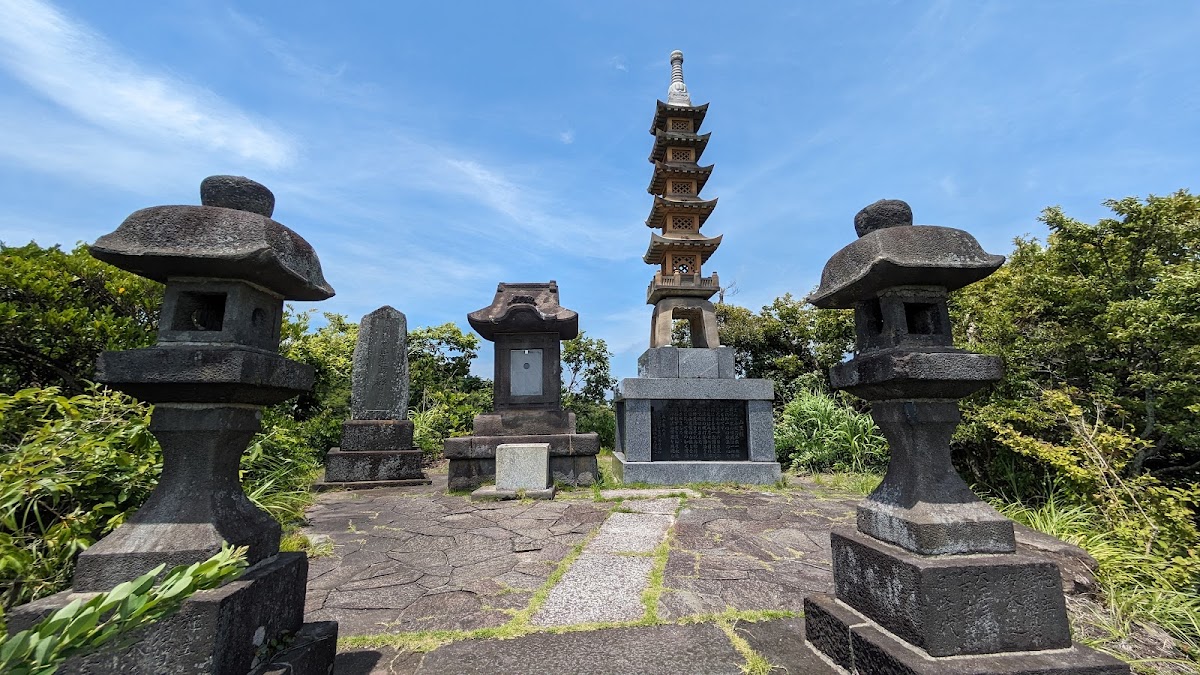
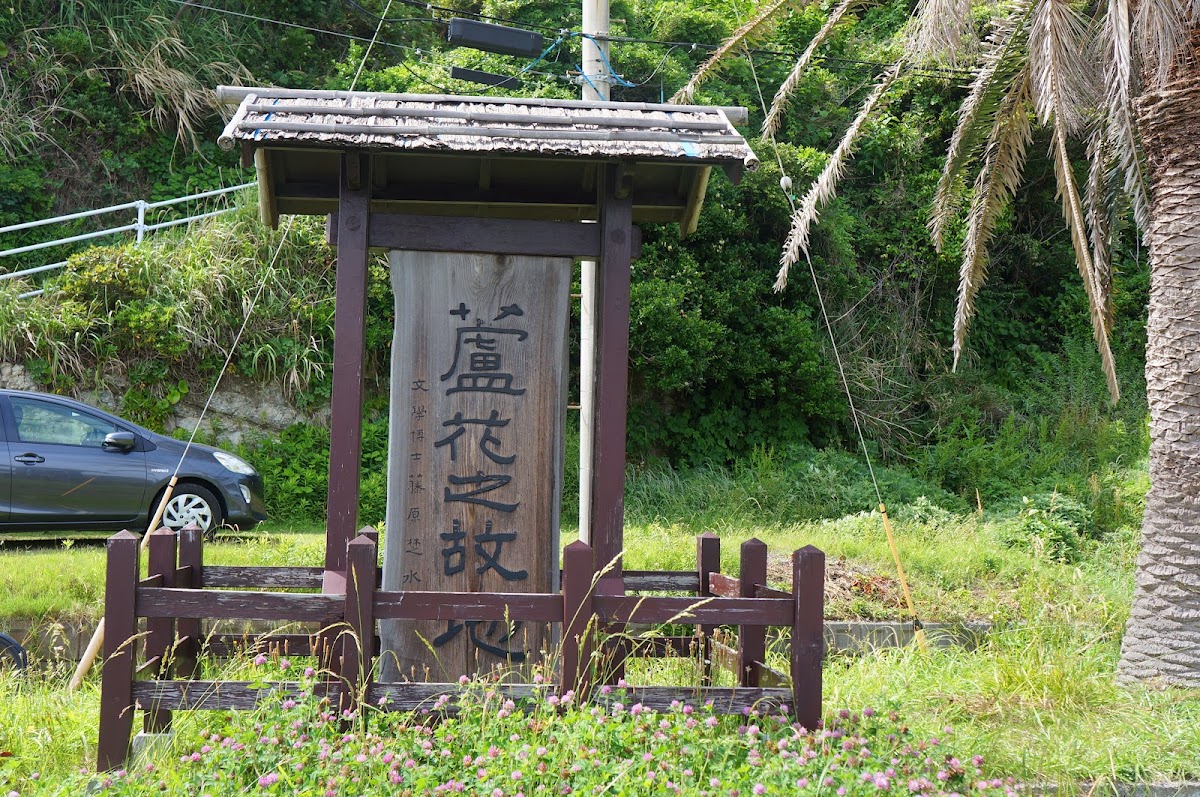
About Kencho-ji Temple
Kencho-ji Temple is the head temple of the Kencho-ji branch of the Rinzai school of Zen Buddhism, located in Yamanouchi, Kamakura City, Kanagawa Prefecture. Boasting the highest rank among the Five Great Zen Temples of Kamakura, it was founded in 1253 (Kencho 5) by Hojo Tokiyori, the 5th regent of the Kamakura Shogunate, with the Chinese monk Rankei Doryu as its founding abbot. As Japan’s first Zen training center, it is a historically significant temple that has profoundly influenced Japanese Zen culture.
Within its vast grounds of approximately 180,000 square meters, numerous valuable buildings are scattered, including the national treasure bell and important cultural properties such as the Buddha Hall and Dharma Hall, allowing visitors to experience a world of Zen in harmony with the changing seasons.
Points to Note During Your Visit
The Path from the Main Gate to the Sanmon Gate
The path leading from the Kamakura Road is impressive with its straight, stone-paved walkway. Upon passing through the main gate, you are greeted by an ancient juniper tree over 750 years old. Beyond it stands the Sanmon Gate (Important Cultural Property), a magnificent two-story gate rebuilt in 1775, with 500 Arhat statues enshrined on the upper floor.
Buddha Hall and the Principal Image: Seated Jizo Bodhisattva
The Buddha Hall (Important Cultural Property) is a building relocated from Zojo-ji Temple in Shiba, Tokyo, in 1647, and enshrines the principal image: a seated statue of Jizo Bodhisattva (Important Cultural Property). This Jizo Bodhisattva is also known as “Saida Jizo” and is known for its compassionate figure that relieves people of suffering. The ceiling features a painting of a dragon by artist Junji Koizumi, and the powerful image of the dragon overwhelms visitors.
The Dharma Hall and the Statue of the Thousand-Armed Kannon Bodhisattva
The Dharma Hall (Hatto, Important Cultural Property) was rebuilt in 1814 and houses the principal image, a statue of the Thousand-Armed Kannon Bodhisattva. The ceiling features a painting of a dragon in clouds, created by artist Junjiro Koizumi to commemorate the 750th anniversary of the temple’s founding. The painting is designed so that the dragon’s eyes appear to meet the viewer’s gaze from any vantage point.
The Karamon Gate and the Abbot’s Quarters Garden
The Karamon Gate (Important Cultural Property) was relocated from Zojoji Temple in Shiba, Tokyo, in 1628 and is said to have been the gate to the mausoleum of Tokugawa Hidetada’s wife. Beyond it lies the Abbot’s Quarters, where a garden attributed to Rankei Doryu unfolds. The pond garden, centered around a heart-shaped pond, embodies the tranquility of Zen.
National Treasure: The Temple Bell
The temple bell hanging in the bell tower at the back of the temple grounds is a National Treasure, cast in 1255 (Kencho 7). This massive bell, approximately 2.1 meters tall and weighing about 2.7 tons, is considered one of the finest examples of a temple bell from the Kamakura period. Commissioned by Hojo Tokiyori and crafted by the carpenter Mononobe Shigemitsu, with the inscription written by Rankei Doryu, it is a valuable cultural asset that retains its original form.
Starting Point of the Ten’en Hiking Course
The Ten’en hiking course, also known as the Kamakura Alps, begins at the innermost part of the Kencho-ji Temple grounds. Passing through Hansobo, the Katsugami-dake observation deck offers a spectacular panoramic view of Kamakura city, Sagami Bay, and, on a clear day, even Mount Fuji. The one-way course takes approximately one hour and leads towards Zuisen-ji Temple.
Benefits
Kencho-ji Temple is believed to offer the following benefits:
- Fulfillment of Wishes: As a Zen training ground, it is believed to have the power to calm the mind and fulfill wishes.
- Protection from Misfortune and Good Fortune: Protection from disaster and perfect fortune through Jizo Bodhisattva.
- Academic Success: Mental concentration and academic improvement through Zen teachings.
- Family Safety: Peace and health of the family through Senju Kannon Bodhisattva.
- Business Prosperity: Also known as the birthplace of “Kenchin-jiru” (vegetable soup), it is believed to bring prosperity to businesses.
At Hansobo, located in the back of the temple grounds, it attracts worshippers seeking protection from fire and disaster.
Annual Events
- January 1st-3rd: New Year’s Special Worship Service
- Early April: Flower Festival (Buddha’s Birthday Celebration)
- July 15th: Obon Segaki Memorial Service
- November 3rd: Airing Out the Temple’s Treasures (Insect-proofing)
The beauty of Kenchoji Temple throughout the seasons—cherry blossoms in spring, fresh greenery in early summer, and autumn leaves—is also a major attraction.
Visiting Information
Visiting Hours and Admission Fees
- Visiting Hours: 8:30 AM – 4:30 PM (Open year-round)
- Admission Fees:
- Adults (High school students and older): 500 yen
- Elementary and junior high school students: 200 yen
- Group discounts available (20 or more people)
Access
Access by Train
- Get off at Kita-Kamakura Station on the JR Yokosuka Line, approximately 15 minutes on foot
- Get off at Kamakura Station on the JR Yokosuka Line, approximately 30 minutes on foot
Access by Bus
- From the east exit of JR Kamakura Station, take the Enoden Bus bound for Ofuna Station or Kami-Ooka Station and get off at the Kenchoji bus stop.
Access by Car
- Approximately 20 minutes from Asahina IC on the Yokohama-Yokosuka Expressway
- Parking: 20 passenger cars (Paid: 600 yen per hour)
- *Due to crowds on weekends and holidays, the use of public transportation is recommended.
Location and Contact Information
- Address: 8 Yamanouchi, Kamakura City, Kanagawa Prefecture 247-8525
- Phone: 0467-22-0981
- Official Website: https://www.kenchoji.com/
Summary
Kenchoji Temple is a leading Zen temple in Japan, boasting the highest rank among the Five Great Zen Temples of Kamakura and a history of over 750 years. With numerous national treasures and important cultural properties, beautiful nature throughout the seasons, and serving as a starting point for the Ten’en hiking course, it is a renowned temple that plays a central role in Kamakura tourism. You can spend a relaxing time in a space where history and nature harmonize, while experiencing the spirit of Zen.