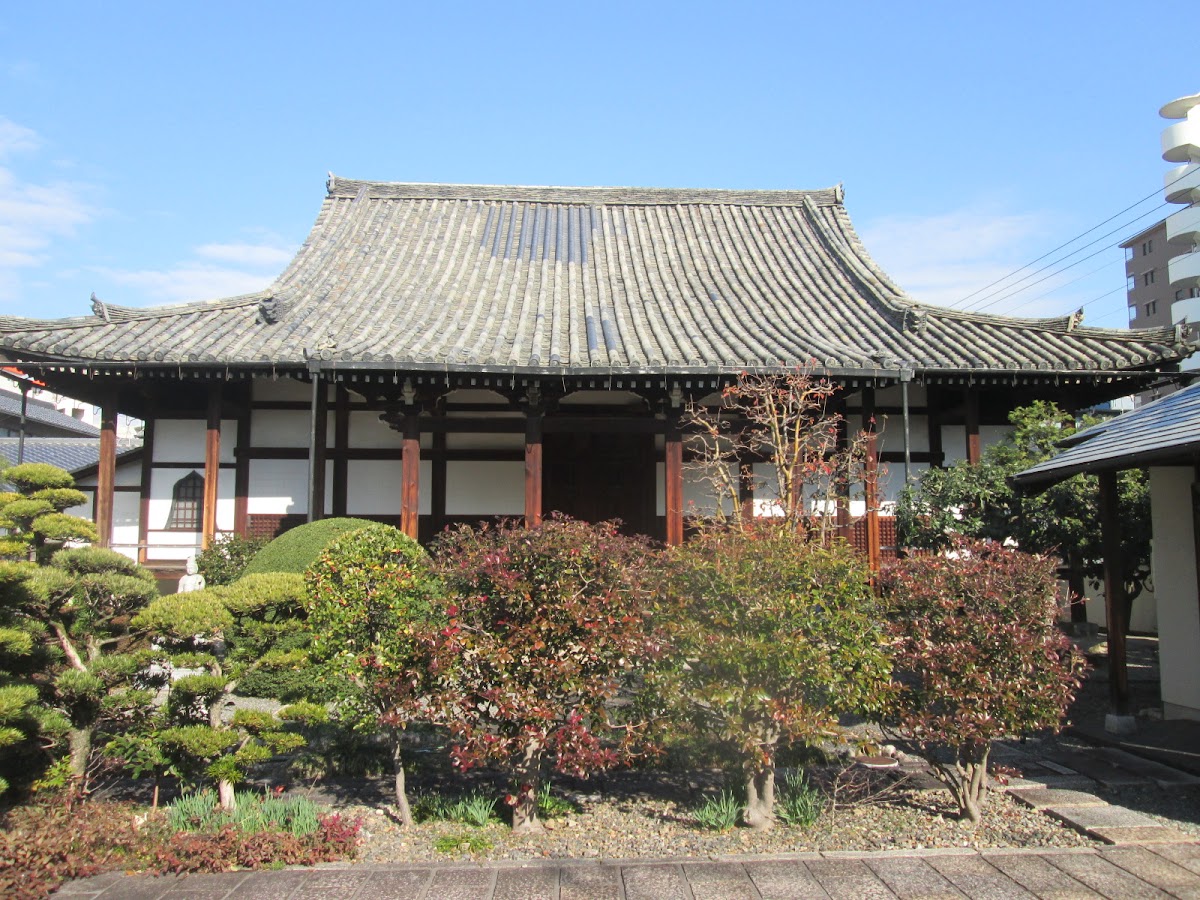
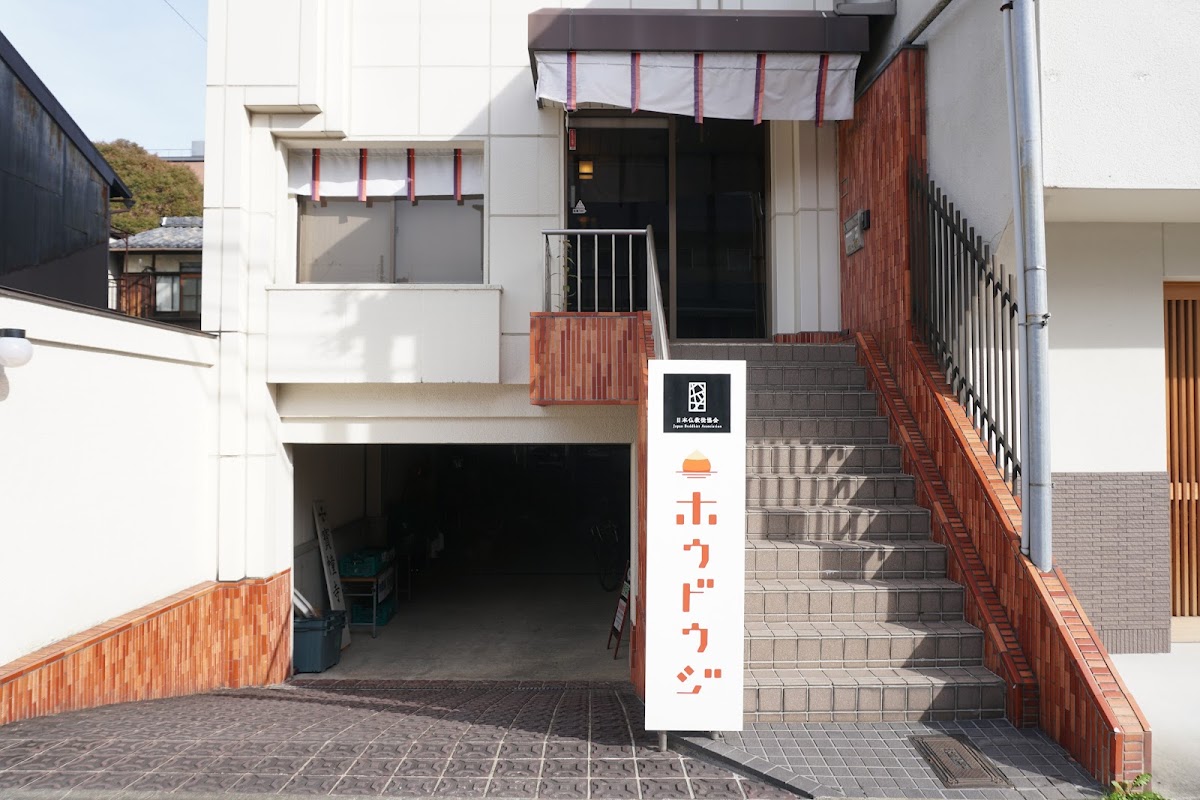
Complete Guide to Komyoji Temple (Kamigyo Ward, Kyoto Prefecture) | History, Access, and Visiting Information
Kamigyo Ward in Kyoto City is home to many historical temples, but among them, Komyoji Temple stands out for its deep-rooted community veneration. This article provides detailed information about Komyoji Temple in Kamigyo Ward, Kyoto Prefecture, including its location, history, sect, visiting information, and access methods—all essential information before your visit.
Basic Information on Komyoji Temple (Kamigyo Ward)
Temple Overview
Komyoji Temple is a Jodo sect temple located in Kamigyo Ward, Kyoto City, Kyoto Prefecture. Since there are several temples with the same name, “Komyoji,” it is important to clarify the location.
Official Name: Komyoji Temple
Sect: Jodo-shu (Pure Land Buddhism)
Location: 7 Tsuruyama-cho, 5-chome, Teramachi-dori Imadegawa-agaru, Kamigyo-ku, Kyoto City, Kyoto Prefecture (or 701 Kamishokokuji-monzen, Higashiiri, Imadegawa Karasuma)
Head Temple: A temple belonging to the lineage of the Jodo-shu Grand Head Temple
Differences between Komyoji Temple in Kamigyo-ku and Komyoji Temple in Nagaokakyo City
There are several well-known Komyoji Temples in Kyoto Prefecture, and the following two are particularly easily confused:
- Komyoji Temple in Kamigyo-ku: The temple introduced in this article. A Jodo-shu temple located in the central part of Kyoto City.
- Komyoji Temple in Nagaokakyo City: The head temple of the Seizan Jodo-shu sect, a large temple known nationwide as a famous spot for autumn leaves.
Komyoji Temple in Nagaokakyo City is the head temple of the Seizan Jodo-shu sect, and is famous for its vast grounds and “Maple Leaf Path.” On the other hand, Komyoji Temple in Kamigyo Ward is located in the city center and is a temple cherished as a place of worship for the local community.
History and Origins of Komyoji Temple
Founding and History
Komyoji Temple in Kamigyo Ward has played an important role in Kyoto’s history as a temple that transmits the teachings of the Jodo sect. The Jodo sect is a Buddhist sect founded by Honen Shonin (1133-1212), which teaches that anyone can be reborn in the Pure Land by chanting the nenbutsu, “Namu Amida Butsu.”
Kamigyo Ward in Kyoto City is an area where the Imperial Palace and many aristocratic residences are located, and has long been a center of culture and faith. Komyoji Temple is one of the temples that has walked hand in hand with the history of this area.
Role as a Jodo Sect Temple
The Jodo sect developed as a sect particularly open to the common people within Japanese Buddhism. Komyoji Temple has also supported the faith of the local people and has carried out various religious activities such as memorial services, ceremonies, and cemetery management.
Jodo-shu temples regularly hold Buddhist services and memorial services, bringing together parishioners and local residents. Many visitors come, especially during the spring and autumn equinoxes and the Obon festival.
Visiting Information and Access
Location and Transportation Access
Address: 7 Tsuruyama-cho, 5-chome, Teramachi-dori Imadegawa-agaru, Kamigyo-ku, Kyoto City, Kyoto Prefecture
Access by Public Transportation
By Subway:
- Get off at Imadegawa Station on the Kyoto Municipal Subway Karasuma Line, approximately 10 minutes on foot
- Head east from Exit 3 and go north along Teramachi-dori
By Bus:
- Get off at Karasuma Imadegawa or Kawaramachi Imadegawa bus stop, approximately 5-10 minutes on foot
- Multiple bus lines are available, providing good access from various locations in the city
By Keihan Railway:
- Get off at Demachiyanagi Station on the Keihan Main Line, approximately 15 minutes on foot
Access by Car
Located in the heart of Kyoto City, the surrounding area has many one-way streets and parking restrictions. We recommend using public transportation. If you must visit by car, please use nearby coin parking. ### Visiting Hours and Admission Fees
Komyoji Temple is primarily a temple for its parishioners and not a tourist temple. Therefore, it is not usually open to the public or has an admission fee. If you wish to visit, it is recommended that you contact the temple in advance to confirm.
For inquiries regarding the use of cemeteries and ossuaries, or requests for memorial services, please contact the temple directly.
Temples and Culture in the Kamigyo Ward Area
Temple Culture in Kamigyo Ward
Kamigyo Ward in Kyoto City is a historical district centered around the Kyoto Imperial Palace, and is home to a high concentration of temples. This area is home to several notable temples:
Shokokuji Temple: The head temple of the Shokokuji branch of the Rinzai school, and the head temple of Kinkakuji and Ginkakuji temples.
Rozanji Temple: A Tendai Buddhist temple believed to be the site of Murasaki Shikibu’s residence.
Myokenji Temple: One of the head temples of the Nichiren sect.
Myokakuji Temple: A head temple of the Nichiren sect, associated with Oda Nobunaga.
Along with these temples, Komyoji Temple also plays an important role in shaping the religious culture of Kamigyo Ward.
History of Teramachi Street
Teramachi Street, which Komyoji Temple faces, is, as its name suggests, a street lined with many temples. It is believed that the origin of Teramachi Street lies in the fact that during Toyotomi Hideyoshi’s reconstruction of Kyoto, temples were gathered and arranged at the eastern edge of the city.
Today, in addition to temples, the street is lined with used bookstores, antique shops, and long-established stores, preserving the unique atmosphere of Kyoto.
The Teachings of the Jodo Sect and Komyoji Temple
Basic Doctrines of the Jodo Sect
The Jodo Sect is a sect of exclusive recitation of the Buddha’s name, founded by Honen Shonin. The core of its teachings lies in the following points:
Exclusive Recitation of the Buddha’s Name: Simply chanting “Namu Amida Butsu” (Homage to Amida Buddha)
Reliance on Other Power: The belief that salvation is achieved through the power of Amida Buddha’s original vow
Equal Rebirth: Regardless of social status or education, anyone can be reborn in the Pure Land.
This teaching gave great hope to the people suffering from war and famine from the late Heian period to the Kamakura period.
Buddhist Services and Events at Jodo Sect Temples
Jodo Sect temples hold various Buddhist services throughout the year:
Gyoki (御忌): Memorial service for Honen Shonin on the anniversary of his death (January or April)
Spring and Autumn Equinox Services: Memorial services for ancestors
Obon Service: Memorial service for ancestors during the Obon festival
Segaki Service: Memorial service for those without relatives
These services are also held at Komyoji Temple, and parishioners gather.
Information on Cemeteries and Columbariums
About Komyoji Temple’s Cemetery
Komyoji Temple manages the cemetery and performs memorial services for its parishioners. Located in Kamigyo Ward, Kyoto City, it has long been used as a burial place for families who have lived in this area for generations.
Cemetery Features:
- Quiet environment despite being in an urban area
- Convenient transportation access for easy visits
- Careful management by the temple
Consultations Regarding Cemeteries
Komyoji Temple offers the following consultations:
Acquisition of a New Cemetery Plot: It is possible to acquire a new cemetery plot if there are vacant plots.
Cemetery Succession: Procedures for inheriting an existing cemetery plot through generational change.
Perpetual Memorial Service: A method of memorial service when there are no successors.
Cemetery Closure: Consultations regarding the return of a cemetery plot or reburial.
For details, please contact the temple directly. You can expect careful service based on the teachings of the Jodo sect.
Local Information for Kamigyo Ward, Kyoto City
Characteristics of Kamigyo Ward
Kamigyo Ward, Kyoto City, is located north of the city center and has the following characteristics:
Historical Significance: An area associated with the Imperial Family, including the Kyoto Imperial Palace (Kyoto Gyoen).
Cultural Facilities: Doshisha University Imadegawa Campus, Kyoto Prefectural Government Office, and numerous temples and shrines.
Traditional Industries: A center for traditional crafts, including Nishijin weaving.
Residential Areas: A mix of residential areas with historical townhouses and modern apartment buildings.
Nearby Tourist Attractions
Spots to visit near Komyoji Temple:
Kyoto Imperial Palace: A vast park where you can enjoy nature throughout the seasons.
Doshisha University: A beautiful group of Western-style buildings from the Meiji period (Important Cultural Property).
Shokokuji Temple: A large Zen Buddhist temple, also housing the Jotenkaku Museum of Art.
Seimei Shrine: A shrine dedicated to Abe no Seimei, the Onmyoji (diviner).
Former Kyoto Prefectural Government Building: A historical building in the Renaissance style.
Manners and Precautions for Visiting Komyoji Temple
Basic Manners for Visiting Temples
Please observe basic manners when visiting a temple:
Attire: Clean, understated clothing is preferred.
Photography: Obtain permission before taking photos on the temple grounds.
Quietness: Be quiet on the temple grounds and be considerate of other visitors.
Offering: Clasp your hands together in prayer in front of the main hall and offer your prayers quietly.
Smoking and Eating: Refrain from smoking and drinking outside of designated areas.
Differences from Tourist Temples
Komyoji Temple is not a tourist temple; it is a place of worship for the local community. Please note the following:
- Visiting hours and areas of public access may be limited.
- Refrain from visiting during memorial services or events.
- Respect the privacy of parishioners.
- Avoid group visits without prior notice.
Komyoji Temple and the Kyoto Jodo Sect Temple Network
Jodo Sect Temples in Kyoto Prefecture
Kyoto Prefecture is the birthplace of the Jodo Sect and has many important temples:
Chion-in Temple (Higashiyama Ward, Kyoto City): Head Temple of the Jodo Sect
Konkai Komyoji Temple (Sakyo Ward, Kyoto City): Grand Head Temple of the Jodo Sect
Shojokain Temple (Kamigyo Ward, Kyoto City): Grand Head Temple of the Jodo Sect
Komyoji Temple (Nagaokakyo City): Head Temple of the Nishiyama Jodo Sect
Centered around these Grand Head Temples, numerous Jodo Sect temples exist in Kyoto Prefecture, working together in missionary activities.
Inter-Temple Cooperation
Jodo-shu temples are organized under a diocesan system, and regular meetings, joint memorial services, and training sessions are held. Komyoji Temple is also a member of this network and maintains cooperative relationships with other temples.
Frequently Asked Questions (FAQ)
Q1: Is a reservation required to visit Komyoji Temple?
A1: Komyoji Temple is not a tourist temple; it is a temple for parishioners. If you wish to visit as a general worshipper, we recommend contacting us by phone in advance. Depending on the schedule of memorial services and events, we may not be able to accommodate your request.
Q2: Is this the same temple as Komyoji Temple in Nagaokakyo City?
A2: No, they are different temples. Komyoji Temple in Nagaokakyo City is a large temple, the head temple of the Nishiyama Jodo-shu sect, and is famous for its autumn foliage. However, Komyoji Temple in Kamigyo Ward is a Jodo-shu temple located in the city center. The sects are also different (Kamigyo Ward is Jodo-shu, Nagaokakyo City is Nishiyama Jodo-shu).
Q3: Is it possible to use the cemetery or columbarium?
A3: Komyoji Temple manages the cemetery. For new burial plots or perpetual memorial services, please contact the temple directly as availability and conditions apply. Becoming a temple parishioner may be a requirement.
Q4: Is there parking available?
A4: Information regarding the temple’s dedicated parking lot must be confirmed directly. As it is located in the central part of Kyoto City, using public transportation is convenient. If you are visiting by car, please use nearby coin-operated parking lots.
Q5: Can I receive a Goshuin (temple stamp)?
A5: The availability of Goshuin varies by temple. If you wish to receive a Goshuin at Komyoji Temple, we recommend contacting them by phone in advance.
Q6: Are there any annual events or special memorial services?
A6: As a Jodo sect temple, we hold spring and autumn equinox services, Obon memorial services, and Goki (memorial service for Honen Shonin’s death anniversary). Please contact the temple for detailed dates.
Summary: Visiting Komyoji Temple (Kamigyo Ward)
Komyoji Temple in Kamigyo Ward, Kyoto City, is a temple deeply rooted in the community, serving as a quiet place of worship despite its urban location. It plays an important role in spreading the teachings of the Jodo sect and performing memorial services for its parishioners.
Points to Note When Visiting:
- Convenient access, within walking distance of Imadegawa Subway Station
- As it is not a tourist temple, it is customary to contact them before visiting
- Note that this is a different temple from Komyoji Temple in Nagaokakyo City
- For inquiries regarding cemeteries and memorial services, please contact the temple directly.
Kyoto has numerous temples, each with its own unique history and role. Komyoji Temple, having walked hand-in-hand with the history of Kamigyo Ward, will undoubtedly continue to support the faith of the local people.
For inquiries regarding worship, cemeteries, and other details, please contact Komyoji Temple directly. You can expect a warm and welcoming response based on the teachings of the Jodo sect.