Kyoto Ryōzen Gokoku Shrine Complete Guide: History and Access Information for the Sacred Site Where the Patriots of the Late Edo Period Rest
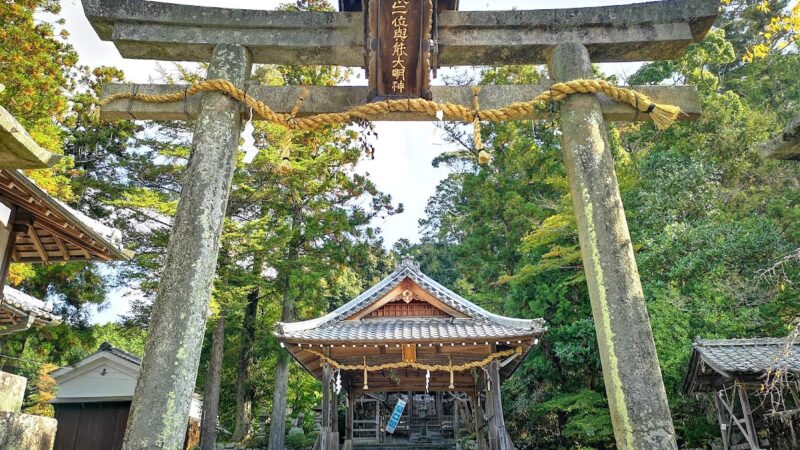
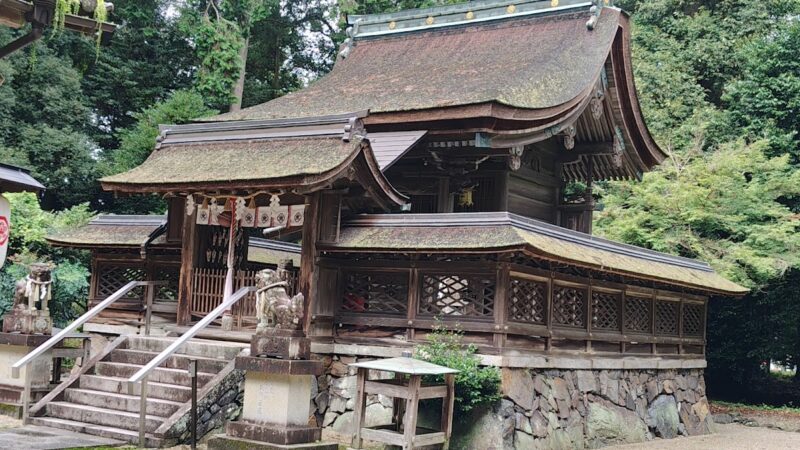
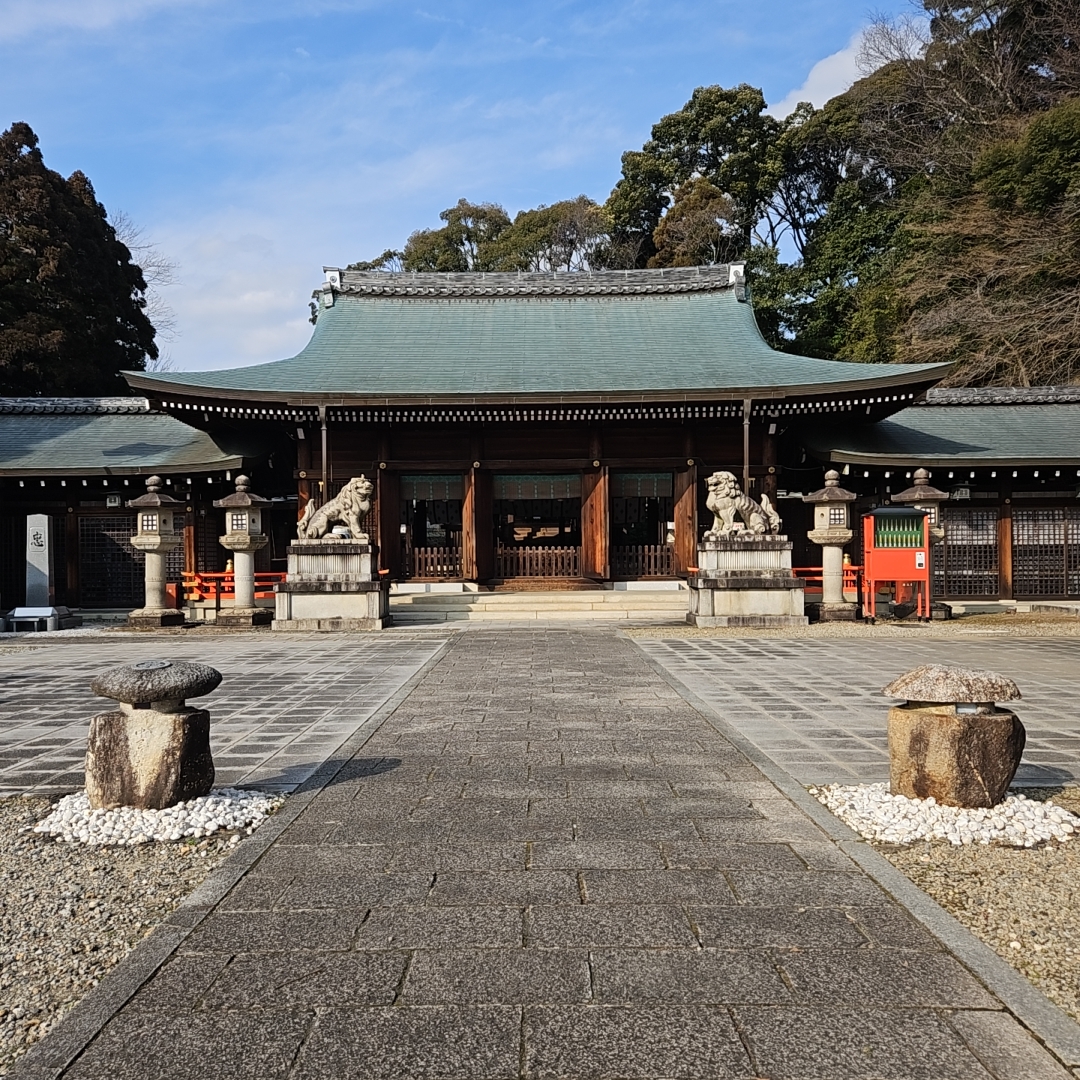
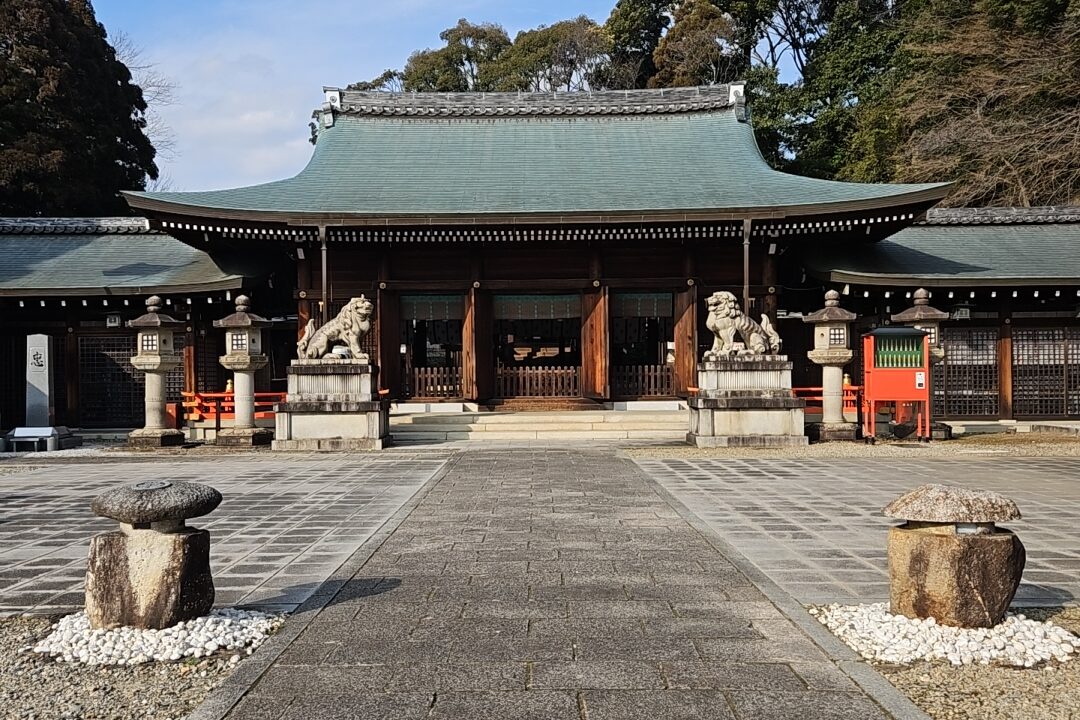
Kyoto Ryōzen Gokoku Shrine, nestled in Higashiyama, Kyoto, is a historical sacred site where the patriots of the late Edo period and Meiji Restoration rest. This shrine, which enshrines heroes who contributed to Japan’s modernization, such as Sakamoto Ryōma and Nakaoka Shintarō, is a must-see spot for history buffs and tourists alike. This article provides a detailed overview of Kyoto Ryōzen Gokoku Shrine, from its history and highlights to access information.
What is Kyoto Ryōzen Gokoku Shrine?
Kyoto Ryōzen Gokoku Shrine is a Gokoku Shrine located in Seikanji Ryōzen-chō, Higashiyama-ku, Kyoto City. Established in May 1868 (Meiji 1) as the “Ryōzen Kansai Shōkonsha,” it was the first of its kind in Japan, and its name was changed to its current name in 1939 (Showa 14). Currently, it operates independently as a Beppyō Shrine, separate from the management of the Association of Shinto Shrines.
The shrine is located in the heart of the 36 peaks of Higashiyama, offering a superb location with panoramic views of Kyoto. To the east of the shrine grounds lies the Ryōzen Cemetery, where 73,013 spirits of those who perished, including 1,356 patriots who sacrificed their lives during the Meiji Restoration, as well as those from Kyoto Prefecture who died in the Russo-Japanese War and throughout World War II, are enshrined.
The shrine’s crest features a design of cherry blossoms and chrysanthemums, symbolizing Japanese tradition and the aspiration for modernization.
History of Kyoto Ryōzen Gokoku Shrine
Background of Founding and the Meiji Restoration
The history of Kyoto Ryōzen Gokoku Shrine dates back to the turbulent period of the late Edo period. In Kyoto, a center of the Sonno Joi (Revere the Emperor, Expel the Barbarians) and anti-shogunate movements, many patriots lost their lives. Each feudal domain began to enshrine their fallen comrades on Ryōzen, the center of the 36 peaks of Higashiyama, and this became the origin of this shrine.
In May 1868 (Meiji 1), the Meiji government issued a decree establishing Japan’s first officially-sanctioned shrine for the war dead on Mount Ryōzen. This formally established the “Ryōzen Kansai Shōkonsha” (Ryōzen Official Shrine for the War Dead), becoming a place to honor the patriots who laid the foundation for the Meiji Restoration.
Renaming and Development in the Showa Era
In 1939 (Showa 14), the Ryōzen Kansai Shōkonsha was renamed “Kyoto Ryōzen Gokoku Jinja” (Kyoto Ryōzen Gokoku Shrine). This renaming was part of a trend to unify all Shōkonsha shrines nationwide into Gokoku Jinja (Gokoku Shrines).
Even after World War II, it continued to serve as a place to enshrine those who died in the war from Kyoto Prefecture. Today, it is an important shrine enshrining the spirits of those who died from the end of the Edo period to the Greater East Asia War, welcoming many visitors.
Within the shrine grounds, the “Shōwa no Mori” (Showa Forest) war memorial park has also been developed, functioning as a place to convey the history of modern Japan.
Highlights and Cultural Assets within the Shrine Grounds
Graves of Sakamoto Ryoma and Nakaoka Shintaro
The most famous feature of Kyoto Ryozen Gokoku Shrine is the graves of Sakamoto Ryoma and Nakaoka Shintaro. These two patriots, assassinated at the Omiya Inn in Kyoto on November 15, 1867 (Keio 3), rest in this sacred mountain area.
The graves are located on a hill within the shrine grounds, overlooking the city of Kyoto. It is said that this location was chosen based on an anecdote that Ryoma, during his lifetime, requested to be buried in a place overlooking the city of Kyoto.
Fresh flowers are always placed at the graves, making it a sacred site visited by fans from all over Japan.
Grave of Kido Takayoshi (Katsura Kogoro)
The grave of Kido Takayoshi (Katsura Kogoro), known as one of the three great figures of the Meiji Restoration, is also located within the Ryozen cemetery. The grave of Kido, a Choshu samurai who influenced the political situation at the end of the Edo period and later served as a councilor in the Meiji government, contributing significantly to the construction of a modern nation, is a place visited by many, along with the grave of Ryoma.
Graves and Memorials of Over 300 Patriots
Within the sacred grounds of Ryōzen, there are over 300 graves scattered around, including those of Choshu samurai who participated in the Hamaguri Gate Incident (Kinmon Incident), as well as those of patriots who lost their lives in the Ikedaya Incident and the Tenchūgumi Incident.
Because each domain enshrined their own martyrs, the design and arrangement of the gravestones reflect the characteristics of each domain, making it a valuable historical site for learning about the history of the late Edo period.
Showa no Mori Military Memorial Park
Within the temple grounds is Showa no Mori, a military memorial park, commemorating those from Kyoto Prefecture who died in wars from the Russo-Japanese War to World War II. This park plays an important role as a place to convey not only the history of the late Edo period but also the entire history of modern Japan.
Annual Events and Ryoma Festival
Ryoma Festival (November 15th)
The most important event at Kyoto Ryozen Gokoku Shrine is the “Ryoma Festival,” held annually on November 15th. This date is significant as it marks both the birthday and death anniversary of Sakamoto Ryoma according to the old lunar calendar.
The Ryoma Festival begins at 3:30 PM, and after the Shinto ritual, visitors are treated to a limited quantity of chicken stew. This is a precious opportunity to remember the hero of the late Edo period while enjoying the chicken stew, said to have been Ryoma’s favorite.
Ryoma fans from all over Japan gather, and the shrine grounds are bustling with many visitors. It’s an unmissable event for history enthusiasts.
Other Annual Events
Seasonal festivals, such as the Spring and Autumn Grand Festivals, are also held. These festivals offer gratitude to the war dead and prayers for peace.
Goshuin (Shrine Seals) and Goshuincho (Shrine Seal Books)
Goshuin of Kyoto Ryozen Gokoku Shrine
Kyoto Ryozen Gokoku Shrine offers goshuin as proof of worship. The goshuin features the calligraphy “Kyoto Ryozen Gokoku Shrine” and the shrine’s seal.
Goshuin are available at the shrine office, and the offering fee is usually around 300 to 500 yen. They are generally available during visiting hours, but may not be available during festivals or events, so it’s recommended to check in advance.
Original Goshuincho (Shrine Seal Books)
The shrine also offers original goshuincho featuring motifs of Sakamoto Ryoma and other figures from the late Edo period. These make for a memorable item for history buffs.
Access Information
Access by Train
The nearest stations to Kyoto Ryozen Gokoku Shrine are Keihan Railway’s “Gion-Shijo Station” or Hankyu Railway’s “Kawaramachi Station.”
- From Keihan “Gion-Shijo Station”: Approximately 20 minutes on foot
- From Hankyu “Kawaramachi Station”: Approximately 25 minutes on foot
From either station, the most common route is via Yasaka Shrine towards Higashiyama. From Yasaka Shrine, proceed towards Kodai-ji Temple, then ascend towards Ryozen via Nene-no-michi.
Access by Bus
If using Kyoto City Buses, the following bus stops are convenient:
- “Higashiyama Yasui” bus stop: Approximately 10 minutes on foot after alighting
- “Kiyomizu-do” bus stop: Approximately 15 minutes on foot after alighting
The path from the bus stops to the shrine is uphill, so comfortable walking shoes are recommended.
Access by Car and Parking
While the shrine has a dedicated parking lot, spaces are limited. Especially during peak tourist seasons and events such as the Ryoma Festival, congestion is expected, so using public transportation is recommended.
If you plan to use nearby paid parking, options include parking lots around Kiyomizu-dera Temple and Kodai-ji Temple.
Visiting Information and Basic Data
Basic Information
- Official Name: Kyoto Ryōzen Gokoku Shrine
- Address: 1 Seikanji Ryōzen-chō, Higashiyama-ku, Kyoto City, Kyoto Prefecture
- Phone Number: 075-561-7124
- Visiting Hours: 8:00 AM – 5:00 PM (may vary depending on the season)
- Admission Fee: Free entry to the shrine grounds; Ryōzen Cemetery is charged (Adults 300 yen, Elementary and Junior High School Students 200 yen)
- Closed Days: None (Open all year round)
Manners and Precautions for Visiting
Kyoto Ryōzen Gokoku Shrine is a sacred place dedicated to the spirits of war dead. Please note the following points.
- Please behave quietly within the cemetery and be considerate of other visitors.
- Do not touch or climb on gravestones.
- Photography is permitted, but please be considerate and avoid including other visitors in your photos.
- Please take all your trash with you.
- As there are many slopes, please wear comfortable clothing and shoes.
Nearby Tourist Attractions
Kodai-ji Temple
Located about a 10-minute walk from Kyoto Ryozen Gokoku Shrine, Kodai-ji Temple was built by Toyotomi Hideyoshi’s wife, Kita-no-Mandokoro (Nene), to commemorate Hideyoshi. It is known for its beautiful gardens and autumn foliage illuminations.
Yasaka Shrine
Located in the heart of Gion, Yasaka Shrine is one of Kyoto’s most representative shrines. Affectionately known as “Gion-san,” it is nationally famous for its Gion Festival in July. You can stop by on your way to Ryozen Gokoku Shrine.
Kiyomizu-dera Temple
Kiyomizu-dera Temple, a UNESCO World Heritage Site, is a classic Kyoto tourist spot. It’s about a 15-minute walk from Ryozen Gokoku Shrine, and the view from the Kiyomizu Stage is breathtaking.
Nene-no-michi and Ishibei-koji Alley
Nene-no-michi, connecting Kodai-ji Temple and Ryozen Gokoku Shrine, is a charming path with beautiful cobblestones. Ishibei-koji Alley, located along the way, is a hidden gem where you can experience the unique atmosphere of Kyoto.
The Charm of Kyoto Ryozen Gokoku Shrine
A Sacred Site Where You Can Feel History Firsthand
The greatest charm of Kyoto Ryozen Gokoku Shrine is the opportunity to directly feel the spirit of the patriots who dedicated their lives to Japan’s modernization. Standing in the place where historical figures learned in textbooks actually rest makes the turbulent Bakumatsu period feel much closer.
A Spectacular View of Kyoto
From the shrine, located on a hill in Higashiyama, you can enjoy a panoramic view of Kyoto’s cityscape. It’s a deeply moving experience to be able to gaze upon the same Kyoto scenery that Ryoma and other patriots looked upon from the same spot.
The view at sunset is particularly beautiful; the sight of Kyoto Tower and the city bathed in the setting sun is a must-see.
A Time to Reflect on History in Silence
Compared to the bustling tourist spots of Kiyomizu-dera Temple and Kodai-ji Temple, Kyoto Ryozen Gokoku Shrine maintains a relatively quiet atmosphere. It’s a precious space where you can escape the hustle and bustle and slowly reflect on history.
The Role of Kyoto Prefecture’s Gokoku Shrine
Kyoto Ryozen Gokoku Shrine enshrines 73,013 spirits of those who died in the Russo-Japanese War, World War I, the Manchurian Incident, the Second Sino-Japanese War, and World War II, all from Kyoto Prefecture.
While Gokoku Shrines exist throughout Japan, Kyoto Ryozen Gokoku Shrine has a unique character, focusing on the turning point of Japanese history at the end of the Edo period. The historical background of this shrine—as the first officially sanctioned shrine in Japan established in 1868 (Meiji 1)—speaks to its importance.
Even today, memorial services are regularly held by bereaved families and veterans’ associations, offering prayers for peace.
Recommended Itinerary for Your Visit
Half-Day Course: Exploring the Higashiyama Area
We introduce a half-day course exploring the Higashiyama area, centered around Kyoto Ryozen Gokoku Shrine.
- 10:00 AM: Visit Yasaka Shrine
- 10:30 AM: Stroll along Nene-no-michi to Kodai-ji Temple
- 11:30 AM: Visit Kyoto Ryozen Gokoku Shrine and Sakamoto Ryoma’s grave
- 12:30 PM: Lunch in the surrounding area (Kyoto cuisine, Yudofu, etc.)
- 2:00 PM: Visit Kiyomizu-dera Temple
- 3:30 PM: Shopping at Sannenzaka and Ninenzaka
This course allows you to efficiently visit Kyoto’s representative tourist spots and historical sacred sites.
One-Day Course for History Fans
For those interested in the history of the late Edo period, a one-day course that allows you to learn more about history in depth is recommended.
- 9:00 AM: Visit the Bakumatsu Restoration Museum “Ryozen Historical Museum”
- 11:00 AM: Visit Kyoto Ryozen Gokoku Shrine and stroll through Ryozen Cemetery
- 12:00 PM: Lunch
- 1:30 PM: Ikedaya Inn Site (currently a pub)
- 3:00 PM: Omiya Inn Site (site of Ryoma’s assassination)
- 4:00 PM: Teradaya Inn in Fushimi (a place associated with Ryoma)
This is a fulfilling course that allows you to relive the history of the Bakumatsu period.
Summary
Kyoto Ryozen Gokoku Shrine is a historical sacred site that enshrines the patriots of the Bakumatsu Restoration who dedicated their lives to the modernization of Japan. As the first officially sanctioned shrine for the war dead established in Japan in 1868 (Meiji 1), it occupies an important position in Japanese history.
The Ryōzen Gokoku Shrine, where historical heroes such as Sakamoto Ryōma, Nakaoka Shintarō, and Kido Takayoshi are buried, is a must-visit for history buffs. The breathtaking panoramic views of Kyoto and the tranquil atmosphere for contemplating history offer a deeply moving experience.
Visiting it in conjunction with other Higashiyama attractions will allow you to gain a deeper understanding of Kyoto’s history and culture. As an opportunity to reflect on the turbulent times of the late Edo period and express gratitude for the peace we enjoy today, be sure to visit Kyoto Ryōzen Gokoku Shrine.
Its convenient location, within walking distance of Gion-Shijō Station and Kawaramachi Station, is also a major draw. While open year-round, a visit on November 15th, when the Ryōma Festival is held, will be an especially special experience.
When visiting Kyoto, in addition to famous tourist spots like Kiyomizu-dera Temple and Kinkaku-ji Temple, be sure to visit Kyoto Ryōzen Gokoku Shrine, where you can truly feel the history of Japan.