Complete Guide to Sannomiya (Kyoto Prefecture): Shrine, Access, and History Explained in Detail
There are several places in Kyoto Prefecture with the name “Sannomiya.” The Sannomiya Shrine, primarily known as a Shinto shrine, is located in Nishikyo Ward and Yamashina Ward. The “Sannomiya” bus stop, a key transportation hub, is also an essential part of daily life for residents. This article provides comprehensive information on these “Sannomiya” locations, from their historical background to their modern uses.
Basic Information and Access to Sannomiya Shrine (Nishikyo Ward)
Overview of Sannomiya Shrine in Nishikyo Ward
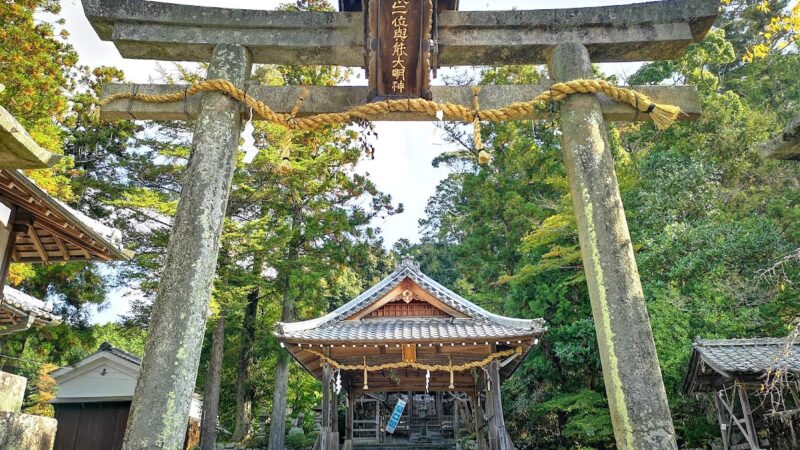
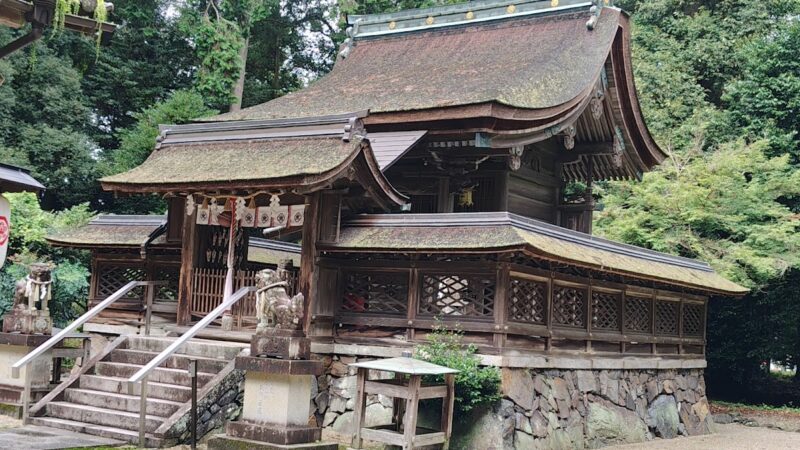
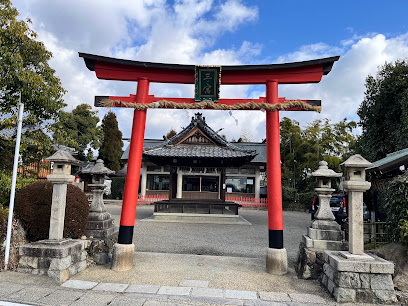
Located in Nishikyo Ward, Kyoto City, Sannomiya Shrine is a historic shrine beloved by local residents. It is within walking distance of Nishikyogoku Station on the Hankyu Kyoto Line and is located near Koseiji Temple, making it easily incorporated into temple and shrine tours.
The shrine grounds are a spacious area surrounded by a stone fence, characterized by an open, park-like atmosphere. A community center is also located on the grounds, indicating the shrine’s central role in the local community. ### Deities and History
The following deities are enshrined at Sannomiya Shrine (Nishikyo Ward):
- Sakatoke-no-kami: Considered another name for Oyamatsumi-no-kami, and has been revered since ancient times as the god of sake brewing.
- Oyamakui-no-kami: Known as the god of mountains and agriculture.
- Tamayorihime-no-kami: A goddess with a miko-like character who harbors divine spirits.
Furthermore, within the shrine grounds is the Munakata Shrine, where Tagirihime-no-kami is enshrined. Sakatoke-no-kami is known as the tutelary deity of the Tachibana clan and has a history of deep connections with Kyoto’s sake brewing industry.
Access Information
Access by Train
- Get off at Nishikyogoku Station on the Hankyu Kyoto Line, approximately 5-10 minutes on foot.
- You can also take a bus from Nishioji-Oike Station on the Kyoto Municipal Subway Tozai Line.
Access by Bus
- Get off at the Nishikyogoku bus stop on the Kyoto City Bus, a few minutes on foot.
Parking space on the shrine grounds is limited, so using public transportation is recommended.
Information on Sannomiya Shrine (Yamashina Ward)
About Sannomiya in Yamashina Ward
There is also a shrine called “Sannomiya” in Yamashina Ward, Kyoto City. According to official information from the Yamashina Ward Office, this shrine has a tourist information board and is recognized as a historical spot in the area.
Sannomiya in Yamashina Ward is deeply connected to the history of the Yamashina Basin and is one of the important historical sites that tell the story of Yamashina’s development from ancient to medieval times.
Access to Sannomiya, Yamashina Ward
The nearest stations to Sannomiya in Yamashina Ward are Yamashina Station on the JR Tokaido Main Line and Kyoto Municipal Subway Tozai Line, or Keihan Yamashina Station on the Keihan Keishin Line. From these stations, you can access the area by bus or on foot.
Detailed Information on the “Sannomiya” Bus Stop
Kyoto City Bus “Sannomiya” Bus Stop
There are multiple bus stops named “Sannomiya” within the Kyoto City transportation network. The main ones are as follows:
1. Sannomiya Bus Stop
- Multiple routes stop here depending on the route number and destination.
- Plays an important role as a means of daily transportation for local residents.
2. National Highway Sannomiya Bus Stop
- Located along a major arterial road.
- Routes to Kyoto Station, such as Route 23, are available.
- Timetables differ on weekdays, Saturdays, and holidays, so prior confirmation is necessary.
Keihan Kyoto Kotsu’s Sannomiya Bus Stop
Keihan Kyoto Kotsu Co., Ltd. also operates a “Sannomiya” bus stop on its bus routes. This route is mainly used for routes to southern Kyoto Prefecture and the Uji area, and has the following timetable divisions:
- Weekdays (excluding Obon and New Year’s holidays)
- Saturdays (excluding Obon and New Year’s holidays)
- Holidays (Obon: August 14th-16th, New Year’s holidays: December 29th-January 3rd)
Since the timetable changes depending on the season and day of the week, it is recommended to check the latest information on the Keihan Kyoto Kotsu official website.
Historical Background of Sannomiya and the Meaning of “Sannomiya”
Origin of the Name “Sannomiya”
The name “Sannomiya” originates from the ancient shrine ranking system. Under the Ritsuryo system, each province was assigned the ranks of “Ichinomiya,” “Ninomiya,” and “Sannomiya,” and the third highest-ranking shrine in the country was called “Sannomiya.”
Sannomiya in Kyoto Prefecture is an important place that conveys the history of the shrine hierarchy in Yamashiro Province. However, in modern times, this doesn’t necessarily imply a strict hierarchy; it functions as a center of local faith.
The Relationship Between the Tachibana Clan and Sannomiya Shrine
Sannomiya Shrine in Nishikyo Ward is known as the tutelary shrine of the Tachibana clan. The Tachibana clan was one of the powerful clans of ancient Japan, playing a particularly important role in Kyoto after the relocation of the capital to Heian-kyo.
As its main deity is Sakatoki-no-kami, it has deep ties to the sake brewing industry and has been worshipped as the guardian deity of sake brewing, a traditional industry of Kyoto.
Information on Visiting and Receiving Goshuin at Sannomiya Shrine
Etiquette and Manners for Visiting Shrines
When visiting Sannomiya Shrine, please observe the following basic etiquette:
- Bow before passing through the torii gate: This is a courtesy when entering the sacred grounds.
- Purify yourself at the water basin: Purify your left hand, right hand, and mouth in that order.
- Two bows, two claps, one bow: This is the basic way to bow before the shrine.
- Walk quietly around the grounds: Please be considerate of noise, as there is a community center on the grounds.
About Goshuin (Shrine Seals)
You can receive a goshuin at Sannomiya Shrine. A goshuin serves as proof of your visit and a record of your connection with the shrine.
Points to Note When Receiving a Goshuin (Shrine Stamp):
- Bring your own Goshuincho (stamp book) (sometimes available for purchase at the shrine)
- Receive the stamp after your visit (it’s a token of faith, not a stamp rally)
- Prepare a donation (usually around 300-500 yen)
- It’s advisable to check in advance, as the shrine staff may be absent due to their schedule.
Nearby Attractions and Tourist Spots
Around Sannomiya Shrine, Nishikyo Ward
Kosaiji Temple
A temple located very close to Sannomiya Shrine; visiting both together makes for a fulfilling temple and shrine pilgrimage.
Nishikyogoku Sports Park
A large sports park including Nishikyogoku Stadium, the home stadium of Kyoto Sanga F.C. Ideal for watching sports or strolling.
Around Katsura River
The area along the Katsura River, rich in nature, is a popular walking course where you can enjoy the scenery of each season.
Around Sannomiya Shrine, Yamashina Ward
Bishamondo Temple
A representative Tendai sect temple in Yamashina. Known as a famous spot for autumn foliage.
Kanshuji Temple
The head temple of the Yamashina branch of Shingon Buddhism. Its beautiful garden is a highlight.
Yamashina Canal
Part of the Lake Biwa Canal, it’s a popular walking path lined with cherry trees.
Suggested Efficient Sightseeing Route to Sannomiya
Nishikyo Ward Course (Half-Day Plan)
- Arrive at Hankyu Nishikyogoku Station (10:00 AM)
- Visit Sannomiya Shrine (10:15 AM – 10:45 AM)
- Visit Kosaiji Temple (10:50 AM – 11:20 AM)
- Lunch near Nishikyogoku (11:30 AM – 12:30 PM)
- Stroll along the Katsura River (12:45 PM – 2:00 PM)
This route allows you to comfortably visit most of the sights on foot.
Yamashina Ward Course (1-Day Plan)
- Arrive at Yamashina Station (9:00 AM)
- Visit Sannomiya Shrine (9:30 AM – 10:00 AM)
- Visit Bishamondo Hall (10:30 AM – 11:30 AM)
- Stroll along the Yamashina Canal and Lunch (12:00 PM – 2:00 PM)
- Visit Kanshuji Temple (2:30 PM – 3:30 PM)
- Rest near Yamashina Station (4:00 PM onwards)
The Yamashina area has many sights to see, so it’s recommended to take your time and explore it over a full day.
Seasonal Charms of Sannomiya
Spring (March – May)
During cherry blossom season, the surrounding Katsura River and Yamashina Canal are adorned with beautiful cherry trees. The grounds of Sannomiya Shrine are also beautiful with fresh greenery, making it a refreshing time for worship.
Summer (June-August)
Summer festivals and local events are sometimes held. This is a season when community activities become more active, centered around the community hall on the shrine grounds.
Autumn (September-November)
During Kyoto’s autumn foliage season, surrounding temples and shrines are also beautifully colored. Bishamondo Temple in Yamashina Ward, in particular, is famous for its autumn leaves, and the number of tourists visiting both Sannomiya Shrine and Bishamondo Temple increases.
Winter (December-February)
Many local residents visit during the New Year’s pilgrimage season. This is a season for peaceful worship in the quiet shrine grounds.
Sannomiya Shrine and the Local Community
Function as a Community Center
Sannomiya Shrine in Nishikyo Ward has a community center on its grounds. This demonstrates that the shrine functions not only as a place of worship, but also as a base for interaction and activities among local residents.
It is used in various situations, such as local festivals and events, and neighborhood association meetings, embodying the social role of shrines in modern times. ### Health Prayers and Local Faith
Sannomiya Shrine is a beloved place for local residents to pray for good health. Many people visit the shrine regularly while taking a walk, demonstrating its contribution to the health and well-being of the community.
Practical Information Regarding Access to Sannomiya
Access from Kyoto Station
To Sannomiya Shrine in Nishikyo Ward
- Take a Kyoto City Bus from JR Kyoto Station (approximately 30-40 minutes)
- Alternatively, transfer from the Karasuma Subway Line to the Hankyu Kyoto Line (approximately 25 minutes)
To Sannomiya in Yamashina Ward
- Take the JR Tokaido Main Line from JR Kyoto Station to Yamashina Station (approximately 5 minutes)
- Alternatively, transfer from the Karasuma Subway Line to the Tozai Line (approximately 15 minutes)
How to Check Bus Timetables
Timetables for the “Sannomiya” and “Kokudo Sannomiya” bus stops on the Kyoto City Transportation Bureau’s official website can be found. Since times vary depending on the route number and destination, be sure to check the latest information before your visit.
Using the smartphone app “Kyoto City Bus Navi” is convenient as it also provides real-time bus arrival information.
Notes and Manners When Visiting Sannomiya Shrine
Attire for Visiting
There are no specific dress code requirements, but it is advisable to dress appropriately for a sacred place. Avoid overly revealing clothing or sandals.
Photography
Photography is generally permitted on the shrine grounds, but please note the following:
- Photography inside the main hall or of the deity may be prohibited.
- Be considerate of other visitors in your photos.
- Use of tripods requires prior confirmation.
- Be careful with location information when posting on social media.
Consideration for Local Residents
Sannomiya Shrine is more of a community-based shrine than a tourist attraction. Since there is a community hall, please be mindful of the activities of local residents and visit quietly.
Frequently Asked Questions about Sannomiya Shrine
Is there parking?
There are no large-scale parking lots dedicated to Sannomiya Shrine in either Nishikyo Ward or Yamashina Ward. We recommend using nearby coin-operated parking lots or public transportation.
Can I get a Goshuin (temple/shrine stamp) anytime?
Since there may not always be a permanently staffed shrine office, it is recommended to call ahead to confirm if you definitely want to receive a Goshuin.
When are festivals and events held?
Local festivals are mainly held in spring and autumn, but the specific dates vary from year to year. You can check the Kyoto City tourism information website or local bulletin boards.
Is it accessible for wheelchair users?
The shrine grounds are relatively flat, but there are some areas with steps. If you inquire in advance, you may be able to get directions for an accessible route.
Summary: The Charms of Sannomiya (Kyoto Prefecture)
Sannomiya in Kyoto Prefecture is a place with multifaceted charm, as a shrine with a long history dating back to ancient times, and also as a modern transportation hub. The Sannomiya shrines in Nishikyo Ward and Yamashina Ward are places of worship rooted in the community and function as centers of local communities.
Sannomiya Shrine in Nishikyo Ward, dedicated to Sakatoki-no-kami, the god of sake brewing, has deep ties to Kyoto’s traditional industries, while Sannomiya in Yamashina Ward is an important historical site that conveys the history of the Yamashina Basin.
The “Sannomiya” bus stop is an essential transportation hub for the daily lives of Kyoto residents and a convenient access point for tourists.
When visiting Kyoto, you can gain a deeper understanding of the city’s charm by visiting not only famous tourist spots but also these locally rooted shrines and places closely connected to daily life. Sannomiya is a valuable spot where you can discover “another Kyoto.”
When visiting, please be considerate of the local residents, quietly enjoy the atmosphere of the shrine, and experience Kyoto’s history and culture. Combining your visit with visits to surrounding temples, shrines, and natural landscapes will allow you to enjoy a fulfilling Kyoto sightseeing experience.