Complete Guide to Kichijoin Tenmangu Shrine (Kyoto Prefecture) | History, Access, and Highlights of Japan’s First Tenmangu Shrine
Located in Minami Ward, Kyoto City, Kichijoin Tenmangu Shrine is known as Japan’s first Tenmangu shrine, built on the birthplace of Sugawara no Michizane. While it is an important sacred site of Tenjin worship, alongside Kitano Tenmangu and Dazaifu Tenmangu, its historical value as the “first Tenmangu shrine” is not widely known. This article provides a detailed introduction to Kichijoin Tenmangu Shrine, including its history, highlights within the grounds, access methods, and information on its Goshuin (shrine stamp).
What is Kichijoin Tenmangu Shrine? | History of Japan’s First Tenmangu Shrine
Founded in 934
Kichijoin Tenmangu Shrine was founded in 934, 31 years after the death of Sugawara no Michizane, by imperial decree of Emperor Suzaku. This shrine predates Kitano Tenmangu Shrine (founded in 947 AD) by 13 years, and, compared to the construction of Dazaifu Tenmangu Shrine (919 AD), it is considered the first Tenmangu shrine to enshrine Sugawara no Michizane as its principal deity.
The fact that a Tenmangu shrine was founded in this birthplace of Michizane by imperial decree of Emperor Suzaku himself speaks volumes about how seriously the imperial court at the time regarded Michizane’s innocence and achievements.
Origin of the Name Kichijoin
The name “Kichijoin” originates from the experience of Sugawara no Kiyokimikyo, Michizane’s grandfather. Kiyokimikyo, who accompanied Emperor Kanmu as a scholar of literature during the relocation of the capital to Heian-kyo, encountered a storm on board his ship while traveling to Tang China as part of a Japanese mission. It is said that he was able to safely reach Tang China thanks to the miraculous power of Kichijoten (Lakshmi).
After completing his mission and returning home, Lord Kiyokimi, in gratitude, built a temple within his residence and enshrined a statue of Kichijoten (Lakshmi). This is the origin of “Kichijoin” and the source of the current place name “Kichijoin.” This place, which has been revered for generations as the family temple of the Sugawara clan, is also the birthplace of Sugawara no Michizane.
Birthplace of Sugawara no Michizane
On June 25, 845 (Jōwa 12), Sugawara no Michizane was born in this place. The Sugawara clan was known for its lineage of scholars, and both his grandfather, Lord Kiyokimi, and his father, Lord Koreyoshi, were prominent figures who served as scholars of literature. It is believed that Michizane spent his childhood in this Kichijoin area, laying the foundation for his scholarship.
Historical sites related to Michizane’s birth still remain within the temple grounds, conveying history from over a thousand years ago to visitors.
Highlights of the Temple Grounds | Historical Sites Associated with Sugawara no Michizane
Placenta Mound (Enazuka)
One of the most important historical sites on the temple grounds is the “Placenta Mound.” This mound, where it is said that Sugawara no Michizane’s umbilical cord was buried, is solid evidence that this is his birthplace. Since ancient times, carefully preserving the umbilical cord has been a custom to pray for the healthy growth of a child, and in particularly noble families, there were instances of building mounds to bury the cord.
The Placenta Mound is still carefully preserved today and is an important historical site that speaks to the legitimacy of Kichijoin Tenmangu Shrine as the birthplace of Sugawara no Michizane.
Inkstone Water (Suzuri no Mizu)
Within the temple grounds is a well called “Inkstone Water.” This is water that is said to have been used by young Sugawara no Michizane when he practiced calligraphy. Sugawara no Michizane displayed prodigious talent from a young age, composing waka poems at the age of 5 and Chinese poems at the age of 11.
Imagining Sugawara no Michizane, a young boy, grinding ink with the water from this well and diligently practicing calligraphy, one can truly feel that this was the origin of his reputation as the god of learning. This is one of the reasons why many worshippers still visit today to pray for academic success.
Kagami-no-i (Mirror Well)
The “Kagami-no-i” is a well where Michizane is said to have reflected his face. Since ancient times, the clear surface of the well has been used as a mirror. This well is also a valuable historical site that conveys the daily life of Michizane in his childhood.
This well, used as a water mirror, is still carefully preserved as a symbol of Michizane’s upright character.
Main Hall and Worship Hall
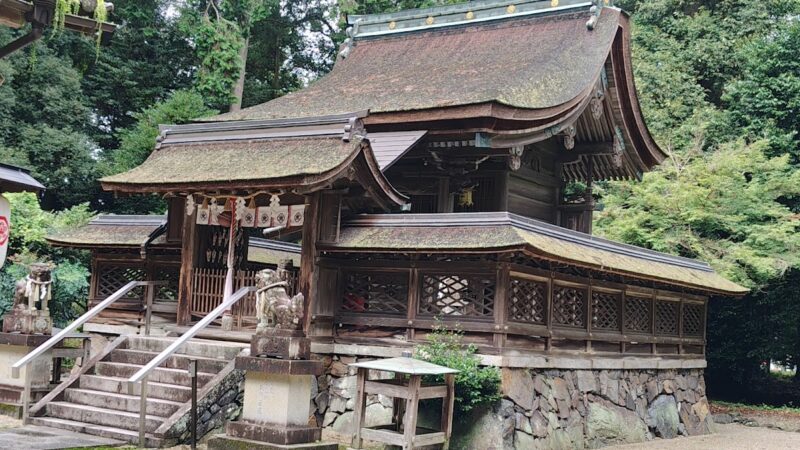
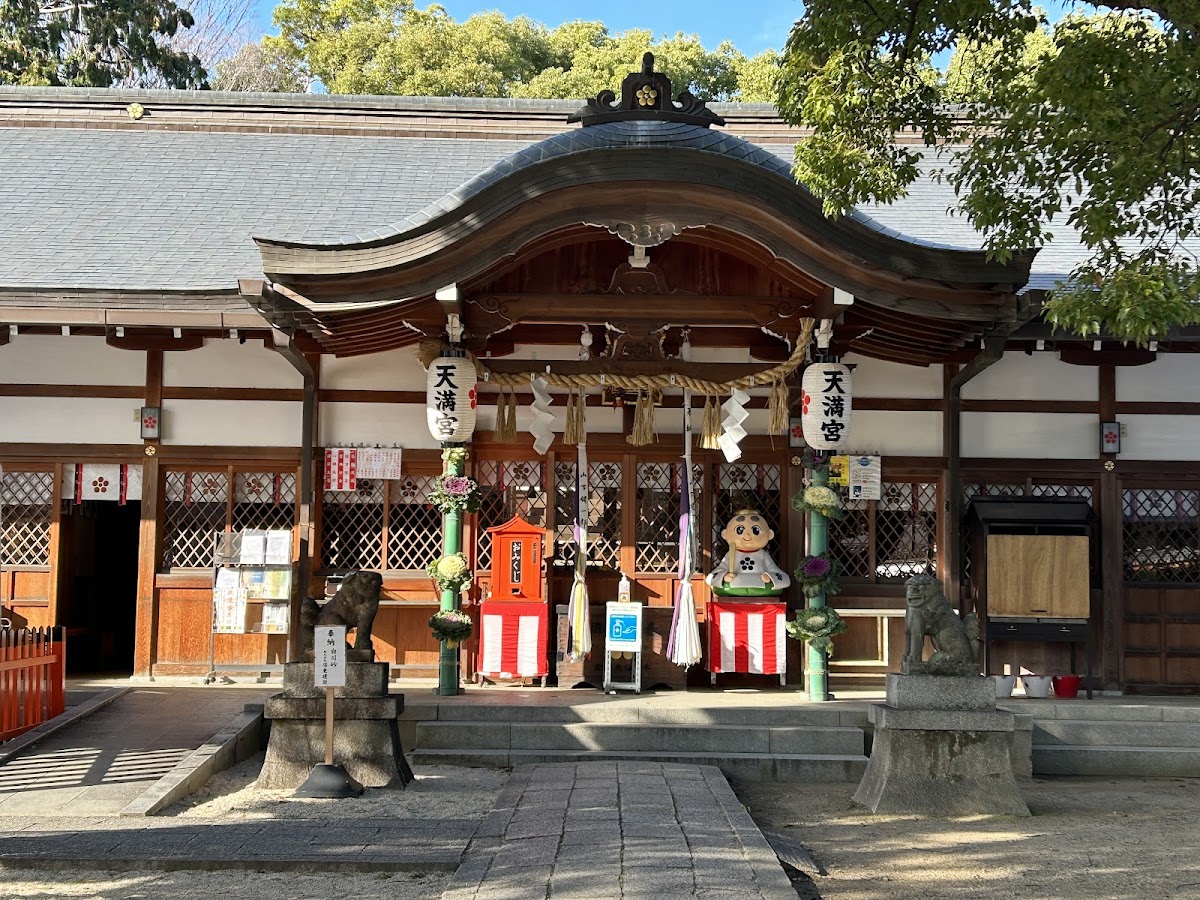
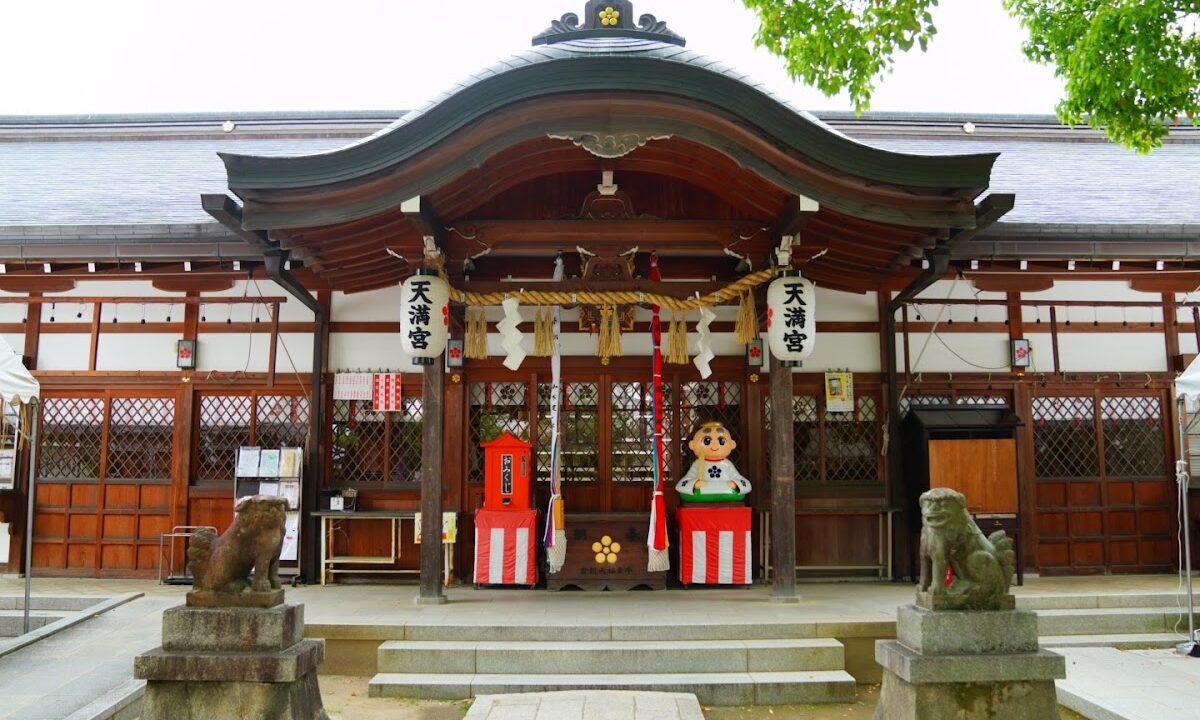
The main hall enshrines Sugawara no Michizane as the principal deity. It is the center of worship at Tenmangu shrines, and many worshippers visit to pray for academic success, passing exams, and developing one’s abilities.
Meanwhile, Kichijoin Temple enshrines Kichijoten (Goddess of Fortune), Sugawara no Kiyokimi, Sugawara no Koreyoshi, Dengyo Daishi, and Confucius, and is believed to bring good fortune and grant wishes. Its unique form of worship is characterized by the fusion of two faiths: Tenmangu Shrine and Kichijoin Temple.
Seasons on the Temple Grounds
The grounds of Kichijoin Tenmangu Shrine display beauty in every season. In spring, plum blossoms bloom profusely, evoking the deep connection between Sugawara no Michizane and plums. The greenery of summer, the vibrant autumn leaves, and the tranquility of winter each offer a charming landscape.
Especially during plum blossom season, the scene evokes Michizane’s famous waka poem: “When the east wind blows, send forth your fragrance, plum blossoms; do not forget spring even though your master is gone.”
Deities and Benefits
Deities of Tenmangu Shrine
Sugawara no Michizane is enshrined as the principal deity. Widely known as the god of learning, it is believed to bring the following blessings:
- Academic success
- Passing entrance exams
- Skill development
- Granting of wisdom
- Improvement in calligraphy
- Improvement in literature
Deities enshrined at Kichijoin Temple
The following deities are enshrined at Kichijoin Temple:
- Kichijotennyo: Goddess of good fortune
- Sugawara no Kiyokimi: Grandfather of Michizane
- Sugawara no Koreyoshi: Father of Michizane
- Dengyo Daishi: Founder of the Tendai sect
- Confucius: Founder of Confucianism
These enshrined deities are believed to bring good fortune and grant the fulfillment of great wishes.
One of the Sixteen Shrines of Kyoto
Kichijoin Tenmangu Shrine is counted as one of the “Sixteen Shrines of Kyoto.” The Sixteen Shrines of Kyoto is a faith that involves visiting 16 historically significant shrines in Kyoto City, each believed to offer different blessings. Kichijoin Tenmangu Shrine is positioned as a shrine for “passing exams and bringing good fortune.”
Access Information | How to Get to Kichijoin Tenmangu Shrine
Location
Address: 3 Kichijoin Masadokoro-cho, Minami-ku, Kyoto City, Kyoto Prefecture 601-8331 (Nishioji-Jujo Nishiiri Kita)
Access by Train
Using the JR Kyoto Line
- Nearest Station: Nishioji Station
- Approximately 15 minutes on foot from Nishioji Station
- The easiest route is to exit the station, head south on Nishioji Street, and then west on Jujo Street.
Access by Bus
If using Kyoto City Buses, the following three bus stops are available:
- Kichijoin Tenmangu-mae Bus Stop (Nearest)
- Approximately 5 minutes on foot after alighting
- Most convenient access
- Nishioji-Kujo Bus Stop
- Approximately 10 minutes on foot after alighting
- Easily accessible location along Nishioji Street
- Kichijoin Bus Stop
- Approximately 7 minutes on foot after disembarking.
If using the bus from Kyoto Station, please check the Kyoto City Bus routes before using.
Access by Car and Parking
While there is parking space for visitors on the temple grounds, the number of spaces is limited. Especially during New Year’s and exam seasons, congestion is expected, so we recommend using public transportation.
As the surrounding area is a residential area, please avoid street parking and consider using nearby coin-operated parking lots or public transportation.
Visiting Information
Visiting Hours and Gift Shop
- Temple Grounds: Generally open (always open)
- Gift Shop: 9:00 AM to 6:00 PM
- Please purchase Goshuin (temple stamps), amulets, ema (votive tablets), etc., during the gift shop’s opening hours.
Inquiries
Phone Number: 075-691-5303
For inquiries regarding visits, prayer reservations, etc., please contact the above phone number.
Annual Events
Kichijoin Tenmangu Shrine holds various festivals throughout the year:
- Hatsumode (January 1st-3rd): Bustling with New Year’s worshippers
- Baikasai (Around February 25th): A festival held on the anniversary of Sugawara no Michizane’s death
- Tenjin-ichi: A regularly held market
- Reisai: An important annual festival
Please check the shrine’s official information for detailed dates.
Goshuin (Shrine Seal) Information
Goshuin Issuance
Kichijoin Tenmangu Shrine offers goshuin (shrine seals). Please obtain them during the shrine’s opening hours (9:00 AM – 6:00 PM).
Kyoto Sixteen Shrines Goshuin Pilgrimage
As one of the sixteen shrines of Kyoto, you can also visit them using a special goshuin notebook. Upon completing the pilgrimage to all sixteen shrines, you will receive a special commemorative gift. Each shrine offers different blessings, so it’s recommended to combine the pilgrimage with sightseeing in Kyoto.
Nearby Tourist Attractions
Toji Temple (Kyo-o-gokoku-ji)
Located approximately 2km northeast of Kichijoin Tenmangu Shrine, Toji Temple is famous for its five-story pagoda, a symbol of Kyoto. It is a UNESCO World Heritage Site and a valuable temple as a relic of Heian-kyo (ancient Kyoto).
Ruins of Rashomon Gate
The ruins of Rashomon Gate, the main gate of Heian-kyo, are nearby. Only a stone monument remains today, but it’s a place where you can feel the history of Heian-kyo.
Ruins of Saiji Temple
The ruins of Saiji Temple, which was paired with Toji Temple, are also nearby. It is now a park, and foundation stones remain.
Kyoto Railway Museum
The Kyoto Railway Museum is located towards Nishioji Station and is a popular spot not only for railway enthusiasts but also for families.
Rokusonno Shrine
A shrine associated with the Minamoto clan, it is within walking distance of Kichijoin Tenmangu Shrine. It is also known as a cherry blossom viewing spot.
The Charm and Points to Note When Visiting Kichijoin Tenmangu Shrine
A Quiet and Peaceful Environment
Compared to large-scale Tenmangu shrines like Kitano Tenmangu, Kichijoin Tenmangu offers a relatively quiet and peaceful atmosphere for worship. It’s less crowded with tourists, allowing you to slowly trace the footsteps of Sugawara no Michizane.
A Place to Feel the Origins of Learning
Kichijoin Tenmangu is the only place where traces of Michizane’s childhood remain, such as the Inkstone Water and the Mirror Well. It can be said to be a unique sacred site where you can feel the origins of the god of learning.
Recommended for Students Taking Exams
This is a particularly recommended spot for students and their parents preparing for exams. Praying at the birthplace where Michizane laid the foundation for learning will hold great significance.
Value for History Enthusiasts
With its historical significance as “Japan’s first Tenmangu shrine,” its location on the former site of the Sugawara family’s residence, and the surrounding environment that evokes the history of Heian-kyo, this is a must-see for history lovers.
Manners and Precautions for Visiting
Basic Worship Etiquette
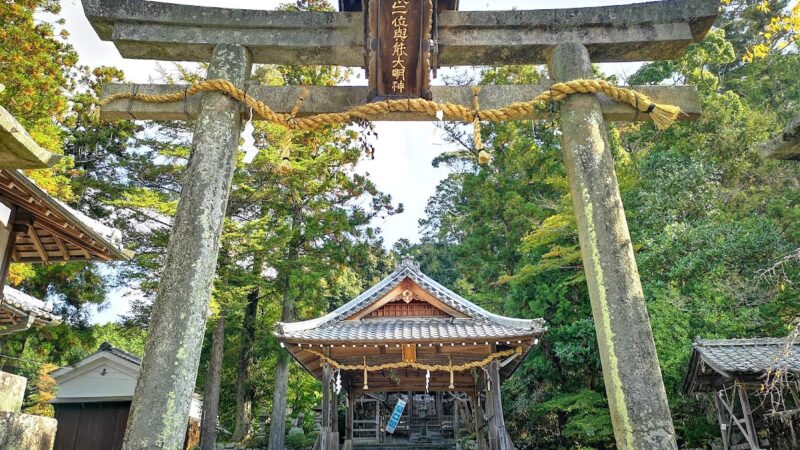
- Bow before passing through the torii gate
- Purify yourself at the water basin
- Bow twice, clap twice, and bow once in front of the main hall
- Quietly observe the shrine grounds
Photography
Photography is generally permitted on the shrine grounds, but please be considerate of other visitors. There are areas where photography is restricted, such as inside the main hall, so please follow the signs.
Shrine in a Residential Area
Kichijoin Tenmangu Shrine is located in a residential area. Please be considerate of the surrounding residents and avoid noise and illegal parking.
Summary | The Value of Kichijoin Tenmangu Shrine
Kichijoin Tenmangu Shrine, built on the birthplace of Sugawara no Michizane, holds an extremely important position in the history of Tenjin worship as Japan’s first Tenmangu shrine. While it may not have the scale or fame of Kitano Tenmangu or Dazaifu Tenmangu, it possesses irreplaceable value as the only place where one can feel the origins of Michizane.
Historical sites such as the Placenta Mound, the Inkstone Water, and the Mirror Well, which tell the story of Michizane’s childhood, teach us the importance of learning across more than a thousand years. This shrine is a must-visit not only for those praying for success in exams or academic achievement, but also for anyone interested in Japanese history and culture.
Although located a little distance from the tourist center of Kyoto’s Minami Ward, this allows for a peaceful environment for worship. When sightseeing in Kyoto, why not extend your trip a little and experience the origins of the god of learning?
Kichijoin Tenmangu Shrine is a 15-minute walk from JR Nishioji Station, or a 5-minute walk from the “Kichijoin Tenmangu-mae” bus stop on the Kyoto City Bus. The shrine office is open from 9:00 AM to 6:00 PM, offering Goshuin (shrine stamps) and amulets. For inquiries, please call 075-691-5303.
Kichijoin Tenmangu Shrine, the first Tenmangu shrine in Japan and the birthplace of Sugawara no Michizane, holds historical significance. Spend a special time tracing the footsteps of the god of learning in its tranquil grounds.