Complete Guide to Fushimi Kandakara Shrine | Goshuin (Shrine Seal), Benefits, Access, and Power Spot Information [Kyoto Prefecture]
Fushimi Kandakara Shrine, nestled in Fukakusa, Fushimi Ward, Kyoto City, is a hidden power spot with a mystical atmosphere surrounded by a bamboo grove. This shrine, which enshrines the Ten Sacred Treasures (Tokusa no Kandakara), has recently been attracting attention as a place of profound spiritual power known to those in the know.
This article provides detailed information you should know before visiting Fushimi Kandakara Shrine, including its history, benefits, highlights, goshuin information, and access methods.
What is Fushimi Kandakara Shrine? History and Origins
The Origins of the Shrine
Fushimi Kandakara Shrine, while relatively new, is a special shrine that inherits ancient beliefs. Founded in 1957, its faith traces back to ancient Japanese mythology. ### What are the Ten Sacred Treasures (Tokusa no Kandakara)?
The most distinctive feature of Fushimi Jinpo Shrine is that it enshrines the Ten Sacred Treasures as its sacred object. The Ten Sacred Treasures refer to the ten treasures that, according to the *Sendai Kuji Hongi* (Ancient Chronicles of the Former Generations), were bestowed upon Nigihayahi-no-Mikoto by Amaterasu-Omikami.
The Ten Sacred Treasures include the following:
- Okitsukagami (Mirror of the Open Sea)
- Hetsukagami (Mirror of the Coast)
- Yatsukanotsurugi (Sword of Eight Hands)
- Ikutama (Jewel of Life)
- Makarukaeshinotama (Jewel of Returning the Dead)
- Tarutama (Jewel of Feet)
- Chikaeshinotama (Jewel of Returning the Path)
- Orochi no Hire (Serpent’s Fin)
- Hachi no Hire (Bee’s Fin)
- Kusagusa no Mono no Hire (Fingers of Various Things)
These sacred treasures are believed to possess the power to heal illness, ward off disaster, and revive the dead, and have been considered to have special spiritual power since ancient times.
Deities Enshrined
The deities enshrined at Fushimi Jinpo Shrine are Amaterasu Omikami and Ame no Futodama no Mikoto. Ame no Futodama no Mikoto is the ancestral deity of the Imbe clan and is known as the god who presides over Shinto rituals.
Benefits of Fushimi Jinpo Shrine
Main Benefits
Fushimi Jinpo Shrine is believed to offer the following benefits through the spiritual power of the Ten Sacred Treasures:
- Healing from Illness and Longevity: Among the Ten Sacred Treasures, the “Life Jewel” and “Death Return Jewel” are believed to have the power to enhance vitality.
- Protection from Misfortune and Disaster: The “Path Return Jewel” is believed to have the power to repel misfortune.
- Purification of Mind and Body: You can refresh your mind and body in the pure air surrounded by a bamboo grove.
- Good Fortune and Prosperity: The divine virtues of Amaterasu Omikami bring the benefit of increased luck.
- Business Prosperity: Many visitors come to pray for the development of their businesses and the prosperity of their trade.
Power Spot of the Stone Seat (Iwakura)
Within the shrine grounds, there is a stone seat that reflects the ancient belief in Iwakura (sacred rocks), and it is known as a powerful power spot. It is said that by joining your hands in prayer before this stone pedestal, you can feel the energy from the earth.
Highlights of the Shrine Grounds
Bamboo Grove Path
One of the greatest charms of Fushimi Shinpo Shrine is the path surrounded by a beautiful bamboo grove. While not as famous as Arashiyama in Kyoto, the tranquil bamboo grove exudes a mystical atmosphere.
Bamboo has been considered a sacred plant since ancient times, believed to ward off evil spirits and create a pure space. Simply walking along the path allows you to escape the hustle and bustle of everyday life and experience a sense of spiritual cleansing.
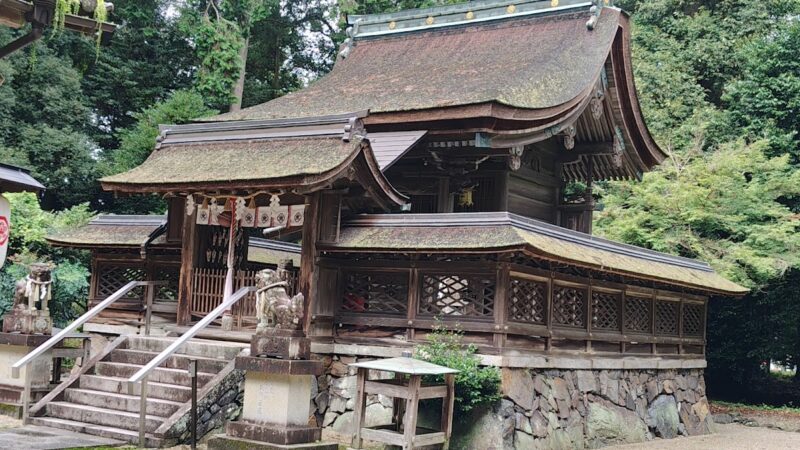
Main Shrine
The main shrine is relatively small, but it is a beautifully maintained shrine building. As a sacred place where the Ten Sacred Treasures are enshrined, it exudes a solemn atmosphere.
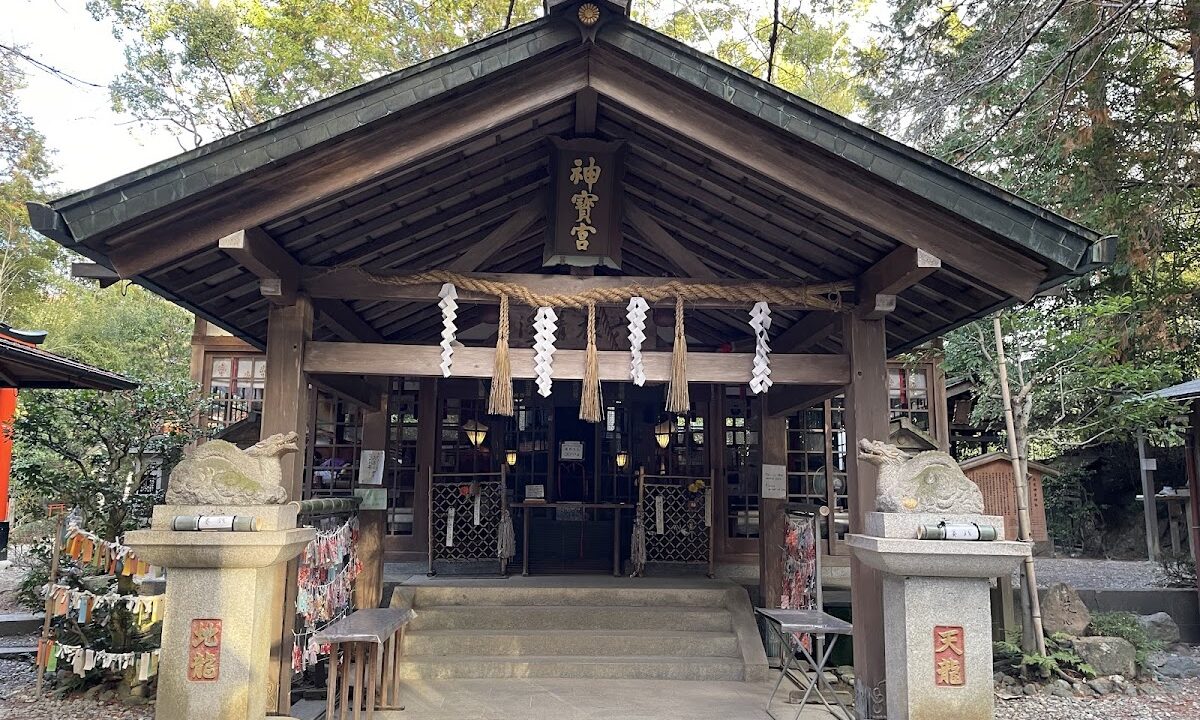
Dragon God Shrine
Within the shrine grounds, there is also a subsidiary shrine dedicated to the Dragon God, which is worshipped as a god of water and a god of rain. The Dragon God is also believed to bring good fortune in wealth and career advancement, and many people visit both shrines. ### Ema (Votive Tablets) and Amulets
Fushimi Jinpo Shrine offers unique amulets and ema (votive tablets) related to the Ten Sacred Treasures. The health prayer amulet, in particular, is popular as it is believed to contain the spiritual power of the Ten Sacred Treasures.
Goshuin (Shrine Seal) Information
Features of the Goshuin
The goshuin at Fushimi Jinpo Shrine is characterized by its simple yet powerful calligraphy. “Fushimi Jinpo Shrine” is written in the center, and a seal symbolizing the Ten Sacred Treasures is stamped on it.
Goshuin Issuance Hours
Goshuin can be obtained at the shrine office, but since priests may not always be present, it is recommended to check the hours of operation beforehand.
- Issuance Hours: 9:00 AM – 5:00 PM (approximate)
- Offering Fee: 500 yen (as of 2024)
*If priests are absent, pre-printed goshuin may be available. If you definitely want a handwritten goshuin (temple/shrine stamp), we recommend contacting the shrine in advance.
Limited Edition Goshuin
During special festivals, limited edition goshuin may be given out. It’s a good idea to check the latest information on social media before visiting.
Access and Parking Information
Basic Information
- Address: 15 Fukakusa Sasayama-cho, Fushimi-ku, Kyoto City, Kyoto Prefecture 612-0889
- Phone Number: 075-642-5838
- Visiting Hours: Grounds are freely accessible (Shrine office is open from approximately 9:00 to 17:00)
- Admission Fee: Free
Access by Train
Using Keihan Railway:
- Get off at Fujimori Station on the Keihan Main Line, approximately 12 minutes on foot
- Get off at Sumizome Station on the Keihan Main Line, approximately 15 minutes on foot
Using JR:
- Get off at JR Fujimori Station on the JR Nara Line, approximately 15 minutes on foot
- Get off at Inari Station on the JR Nara Line, approximately 20 minutes on foot
Access by Bus
If using Kyoto City Bus, get off at the Fukakusa bus stop, approximately 10 minutes on foot.
Access by Car
- Approximately 15 minutes from the Kyoto Minami Interchange on the Meishin Expressway
- Approximately 10 minutes from the Kamitoba Interchange on the Hanshin Expressway
Parking
There are a few free parking spaces on the shrine grounds. However, space is limited, so we recommend using public transportation. If the parking lot is full, please use a nearby coin-operated parking lot.
Notes on Access
Fushimi Shinpo Shrine is located in a residential area, and the signage is inconspicuous, so it may be a little difficult to find for first-time visitors. We recommend using a map app on your smartphone. Also, the approach to the shrine is a narrow path through a bamboo grove, so we recommend wearing comfortable shoes.
Manners and Time Required for Visiting a Shrine
Basic Manners for Visiting a Shrine
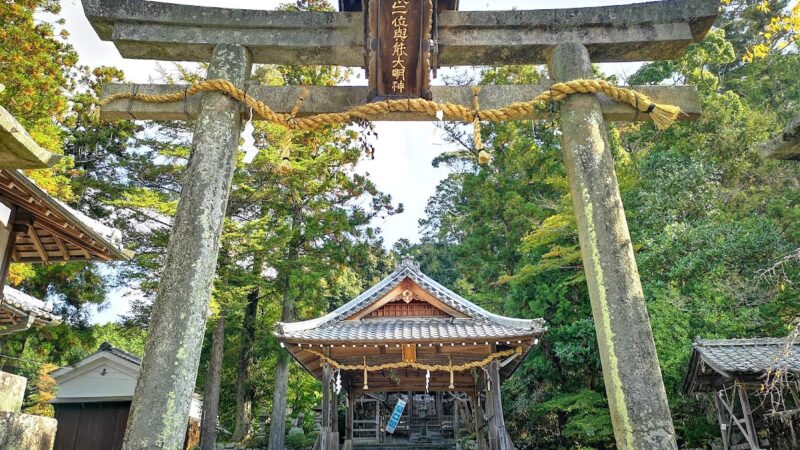
- Bow before the Torii Gate: Before entering the shrine grounds, bow before the torii gate.
- Purify yourself at the water basin: If there is a water basin, purify your hands and mouth.
- Walk along the edge of the path: The center of the path is considered the path of the gods, so walk along the edge.
- Two bows, two claps, one bow: At the main shrine, bow twice, clap twice, and bow once.
- Worship quietly: This is a sacred place, so refrain from loud conversations.
Time Required
The shrine grounds are not very large, so the visit itself can be completed in about 15-20 minutes. However, if you want to slowly enjoy the atmosphere of the bamboo grove or take photographs, it’s a good idea to allow 30 minutes to an hour.
Nearby Tourist Attractions
There are several other attractive tourist spots scattered around Fushimi Shinpo Shrine.
Fushimi Inari Taisha Shrine
Located about a 20-minute walk or 5-minute drive from Fushimi Shinpo Shrine, Fushimi Inari Taisha Shrine is a representative Kyoto shrine famous for its thousands of torii gates. It is worshipped nationwide as the god of business prosperity and abundant harvests.
Fujimori Shrine
Located about a 5-minute walk from Keihan Fujimori Station, Fujimori Shrine is known as the god of victory and horses. It is particularly popular with people involved in horse racing and horse racing fans. It is also famous for its hydrangeas, which can be enjoyed in June.
Fushimi Sake Breweries
Fushimi is known as one of Japan’s leading sake-producing regions. There are facilities such as the Gekkeikan Okura Memorial Museum and the Kizakura Memorial Museum where you can learn about the history and manufacturing process of sake, and enjoy sake tasting.
Fushimi Momoyama Castle
Although it is a replica, its exterior is beautiful and it is a symbolic landmark of Fushimi. Currently, the interior is not open to the public, but you can enjoy its exterior.
Annual Events and Festivals
Fushimi Shinpo Shrine holds various festivals throughout the year.
Main Annual Events
- New Year’s Day Festival (January 1st): A festival celebrating the New Year
- Setsubun Festival (around February 3rd): A prayer for protection against evil and for good fortune
- Annual Grand Festival (Autumn): The shrine’s most important festival
- Monthly Festivals: Regular festivals held every month
During special festivals, the usually quiet shrine grounds become lively. For detailed festival schedules, please contact the shrine directly.
Summary of the Charms of Fushimi Shinpo Shrine
Recommended for:
- Those seeking a quiet power spot
- Those who want to enjoy the beautiful scenery of the bamboo grove
- Those who want to feel the mystical power of the Ten Sacred Treasures
- Those praying for good health and recovery from illness
- Those who want to visit hidden gems in Kyoto
- Those who want to visit Fushimi Inari Taisha Shrine as well
Points to Note When Visiting
- Weekday mornings are recommended: There are fewer tourists, allowing for a peaceful visit.
- Wear comfortable shoes: The bamboo grove path can have uneven ground in some places.
- Bring a camera: The beautiful scenery of the bamboo grove makes for great photos.
- Allow ample time if you want a Goshuin (shrine stamp): Shrine priests may not always be present, so allow plenty of time.
- Take insect repellent in summer: There can be many insects around the bamboo grove.
Reviews and Reputation of Fushimi Shinpo Shrine
The following are some comments from people who have actually visited the shrine:
- “It’s a quiet shrine surrounded by a bamboo grove, and it calmed my mind.”
- “A hidden gem where you can pray peacefully, away from the hustle and bustle of Fushimi Inari Taisha.”
- “Hearing the story of the Ten Sacred Treasures made me feel the romance of ancient times.”
- “Although small, it is meticulously maintained, and you can feel the sincere attitude of the Shinto priests.”
- “As a power spot, it is definitely a place where you can feel a special energy.”
On the other hand, some people have commented that “the location is difficult to find” and “there is limited parking,” so it is recommended to prepare thoroughly before visiting.
Photography and Social Media Posting
Photography is generally permitted on the grounds of Fushimi Shinpo Shrine, but please note the following:
- Do not disturb other worshippers: Please be considerate of other worshippers.
- Refrain from photographing inside the main hall: As this is a sacred place, please refrain from photographing inside the main hall.
- Confirm before using a tripod: If you plan to use a tripod, it is recommended that you obtain permission in advance.
- Permission required for commercial use: For commercial photography, please be sure to obtain permission from the shrine in advance.
Posting on social media is fine, but regarding the disclosure of location information, consideration may be needed to maintain the tranquility of the shrine.
Seasonal Highlights
Spring (March-May)
The bamboo grove is beautiful with its fresh green leaves, and you can worship in refreshing air. During cherry blossom season, you can also enjoy the surrounding cherry blossoms.
Summer (June-August)
The bamboo grove is covered in deep green, making it a cool and refreshing season. However, since there are many insects, don’t forget to take precautions against insects.
Autumn (September-November)
The bamboo grove remains green all year round, but the surrounding trees change color, allowing you to enjoy the autumn scenery. The pleasant weather makes it an ideal season for visiting the shrine.
Winter (December-February)
With fewer visitors, the shrine grounds are enveloped in silence, allowing you to feel an even more sacred atmosphere. The snow-covered bamboo grove is particularly magical.
Summary: A Special Experience of Purifying Mind and Body at Fushimi Jinpo Shrine
Fushimi Jinpo Shrine is a special place to quietly rejuvenate your mind, away from the hustle and bustle of Kyoto’s famous tourist spots. The ancient and mystical belief in the Ten Sacred Treasures, the pure air surrounded by the bamboo grove, and the carefully preserved sacred space provide visitors with deep healing and strength.
We also recommend visiting other shrines in the Fushimi area, such as Fushimi Inari Taisha and Fujimori Shrine. Combining a visit to a sake brewery with a trip to Fushimi will make for a day where you can fully enjoy the charm of Fushimi.
When you visit Kyoto, be sure to take a short detour and experience the mystical atmosphere of Fushimi Shinpo Shrine. It will surely be a memorable and special pilgrimage.