Complete Guide to Seiryu-gu Shrine (Kyoto Prefecture): History, Goshuin (Shrine Seals), and Access Information
There are several shrines in Kyoto Prefecture bearing the name “Seiryu-gu,” each with its own unique history and beliefs. This article provides comprehensive information on Seiryu-gu shrines within Kyoto Prefecture, including the Seiryu-gu worship hall at Daigo-ji Temple and the Seiryu-gu in the Kasatori district of Uji City.
What is Seiryu-gu?: The Center of Seiryu Faith in Kyoto Prefecture
Seiryu-gu is a general term for shrines that enshrine Seiryu Gongen. Seiryu Gongen is worshipped as a guardian deity of Esoteric Buddhism and is particularly known as a goddess deeply associated with Daigo-ji Temple. The following are the main Seiryu-gu shrines in Kyoto Prefecture:
Seiryu-gu Shrine of Daigo-ji Temple
Seiryu-gu Shrine, located within the grounds of Daigo-ji Temple (Fushimi Ward, Kyoto City), holds an important position as the guardian shrine of Daigo-ji Temple. It was established by Shobo/Rigen Daishi, the founder of Daigo-ji Temple, and has been revered as the guardian deity of Daigo.
Seiryu-gu Shrine of Kasatori District
In the Kasatori district of Uji City, there are two shrines: Higashi-Kasatori Seiryu-gu Shrine and Nishi-Kasatori Seiryu-gu Shrine. These have been carefully preserved by the villagers as centers of local faith.
History and Cultural Assets of the Daigo-ji Temple Seiryu-gu Shrine Worship Hall
Origin of Seiryu Gongen
Seiryu Gongen is a guardian deity of Esoteric Buddhism, established by Kobo Daishi (Kukai) who invited it from Qinglong Temple in Chang’an, Tang Dynasty China. The principal deities are said to be Juntei Kannon and Nyoirin Kannon, and they are worshipped as goddesses protecting Daigo-ji Temple.
When Shobo Rigen Daishi founded Daigo-ji Temple in 874, he invited this Kiyotaki Gongen to the Daigo area and enshrined it as the temple’s guardian deity. Since then, the Kiyotaki faith has spread along with the development of Daigo-ji Temple.
Architectural Features of the Kiyotaki Shrine Worship Hall
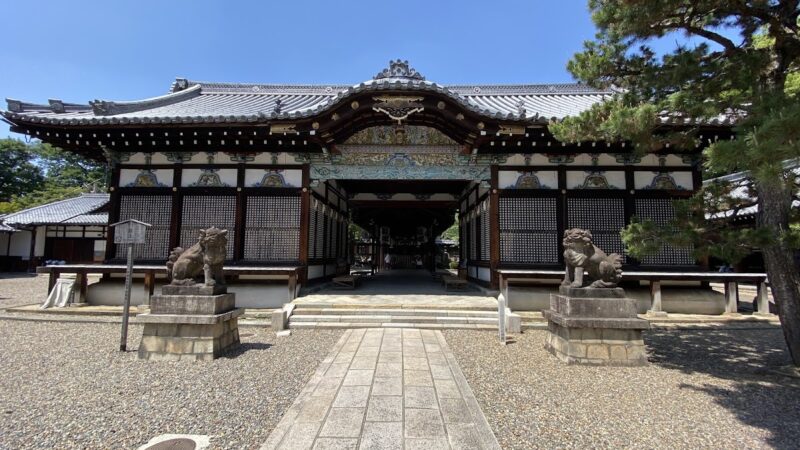
The Kiyotaki Shrine Worship Hall is a building constructed during the Muromachi period and is designated as an Important Cultural Property. It possesses a dignified style utilizing the techniques of the Shinden-zukuri style, and is characterized by its cantilevered structure, where the front of the building is built by slightly cutting into the mountainside and jutting out onto a cliff.
The cantilevered structure is a traditional architectural technique used when building structures on slopes or cliffs, and can also be seen in the stage of Kiyomizu-dera Temple. This structure allows for the creation of a magnificent architectural space even on a limited flat area.
Kiyotaki-gu Main Hall
Located in Shimo-Daigo, the Kiyotaki-gu Main Hall is a building rebuilt in 1599 (Keicho 4) and is also designated as an Important Cultural Property. As a shrine dedicated to the general guardian deity Kiyotaki Gongen, it has played a central role in the faith of Daigo-ji Temple.
Highlights of the Temple Grounds and Cultural Properties
Location of Kiyotaki-gu within the Daigo-ji Temple Grounds
Daigo-ji Temple has vast grounds, divided into Kami-Daigo and Shimo-Daigo. The Kiyotaki-gu Worship Hall is located in the Shimo-Daigo area, making it relatively easy for visitors to access. Meanwhile, the Kiyotaki-gu Main Hall is also located in Shimo-Daigo, occupying an important position as the guardian deity of Daigo-ji Temple.
Architectural Style and Decoration
The architecture of the Kiyotaki-gu Shrine’s main hall strongly retains the characteristics of the Shinden-zukuri style of the Muromachi period. The graceful curves of the roof, the intricate wooden joinery, and the unique spatial composition created by the cantilevered structure embody the beauty of Japanese architecture.
The interior of the main hall is adorned with decorations and carvings symbolizing Kiyotaki Gongen, allowing visitors to experience the essence of esoteric Buddhist art.
Surrounding Cultural Properties
Within the grounds of Daigo-ji Temple, numerous cultural properties are scattered, including the National Treasures of the Golden Hall and the Five-Storied Pagoda. Visiting these cultural properties in conjunction with a visit to Kiyotaki-gu Shrine will provide a deeper understanding of the history and culture of Daigo-ji Temple.
Detailed Information on Nishikasatori Kiyotaki-gu Shrine
Location and Access
Nishikasatori Kiyotaki-gu Shrine is located at 36 Nishikasatori Kurode, Uji City, Kyoto Prefecture. Situated in the Nishikasatori settlement, it is a beloved center of local faith. Access Information:
- Nearest Station: Daigo Station, Kyoto Municipal Subway Tozai Line
- Approximately 20 minutes on foot or by taxi from Daigo Station
- Please note that parking space is limited if traveling by private car.
Features of Nishikasatori Kiyotaki Shrine
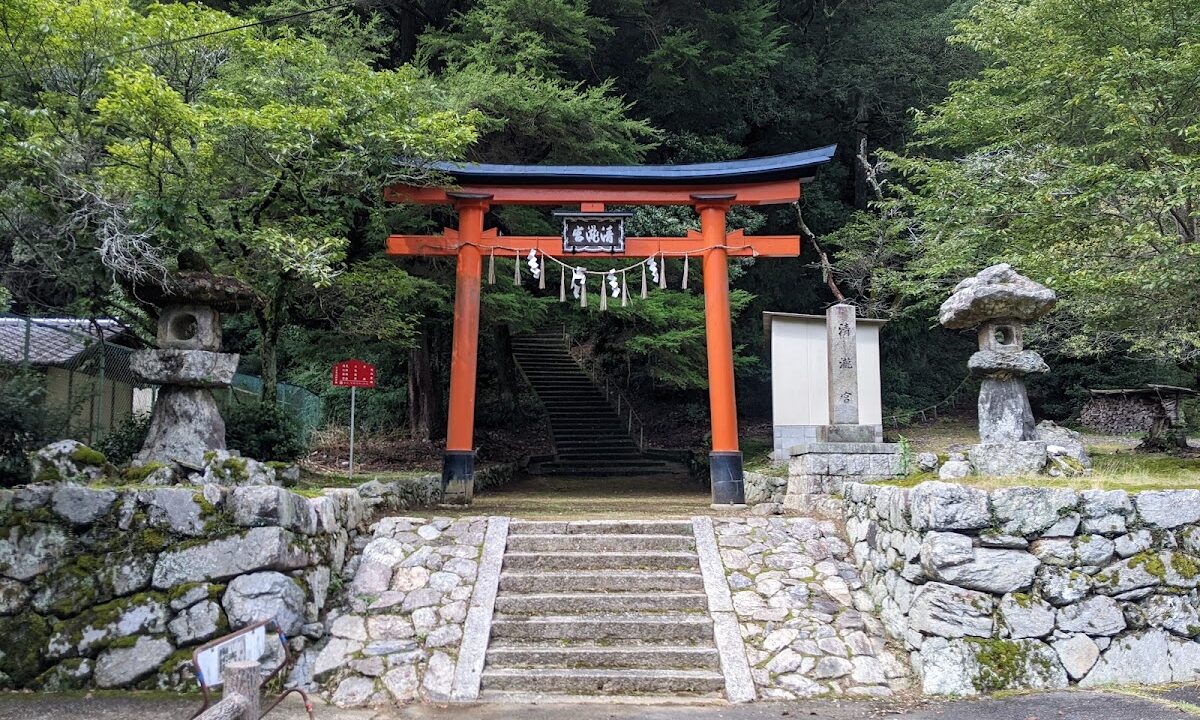
Nishikasatori Kiyotaki Shrine has long been revered by local residents as the guardian shrine of the western settlement of the Kasatori district. In recent years, the torii gate has been newly rebuilt, demonstrating the respect and maintenance efforts of the local community.
The shrine grounds, though small, are kept clean, allowing for a peaceful and tranquil atmosphere during worship. During local festivals and events, villagers gather, continuing the tradition of faith.
Detailed Information on Higashi-Kasatori Kiyotaki Shrine
Location and Access
Higashi-Kasatori Kiyotaki Shrine is located at 47 Higashi-Kasatori Hiraide, Uji City, Kyoto Prefecture. Its corporate number is 3130005006885, assigned on October 5, 2015.
Access Method:
- Nearest Station: Ishiyamadera Station, Keihan Ishiyamadera Line (Access from Shiga Prefecture side)
- Approximately 30 minutes on foot from Okumiya Shrine
- As it is located in a mountainous area, comfortable walking shoes are recommended.
History of Higashi-Kasatori Kiyotaki Shrine
Higashi-Kasatori Kiyotaki Shrine is said to have been founded in 1328 (Karyaku 3). It is a historical shrine founded during the late Kamakura period to the early Muromachi period, boasting a history of nearly 700 years.
For a long time, this shrine has been revered as the guardian deity of the eastern settlements of the Kasatori district, and as a place to pray for the safety and prosperity of the region.
Shrine Grounds
The grounds of Higashi-Kasatori Kiyotaki-gu Shrine, like those of Nishi-Kasatori-Kiyotaki-gu Shrine, are carefully maintained by local residents. According to visitor records, the torii gate has been newly rebuilt, suggesting that both shrines may have been renovated around the same time.
Located in a quiet mountain setting, visiting the shrine amidst nature offers a calming experience.
Goshuin (Shrine Seal) Information
Goshuin of Daigoji Temple’s Kiyotaki-gu Shrine
Daigoji Temple offers a goshuin (shrine seal) for Kiyotaki-gu Shrine. It can be obtained at the temple office, but since availability may vary depending on the time and circumstances, it is recommended to check in advance.
Daigoji Temple sometimes distributes seasonal special goshuin (temple stamps) and special goshuin in collaboration with JR Tokai, making it an attractive temple for goshuin collectors.
Goshuin of Kiyotaki Shrine in Kasatori District
Regarding Higashi-Kasatori Kiyotaki Shrine and Nishi-Kasatori Kiyotaki Shrine, there is a high possibility that there are no resident priests, so prior confirmation is necessary regarding the issuance of goshuin. As local shrines, they may provide goshuin during festivals or on special occasions.
It is also possible that the priest of the nearby Okumiya Shrine manages the shrines, so if you wish to obtain a goshuin, it is recommended to inquire at Okumiya Shrine.
Photography Tips
Daigoji Temple Kiyotaki Shrine Worship Hall
When photographing the Kiyotaki Shrine Worship Hall, the key is to capture the structural beauty of the cantilevered structure. By photographing from the side, you can capture the impressive appearance of the building jutting out from the cliff.
The harmony between the surrounding nature, which changes with the seasons, and the architecture is a highlight for photography. Beautiful photos can be taken especially during the autumn foliage season and the fresh green season.
Kiyotaki Shrine in Kasatori District
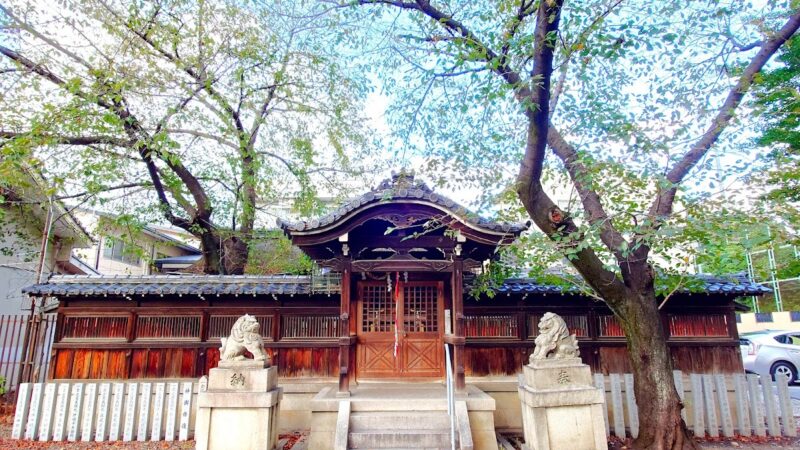
At Kiyotaki Shrine in the Kasatori district, we recommend taking photos with the simple torii gate and the village scenery as a backdrop. The brand-new torii gate and the surrounding natural environment create photographs that convey the warmth of local faith.
The small shrine buildings and stone monuments within the grounds are also attractive subjects that tell the story of the region’s history.
Nearby Shrines and Temples
Around Daigoji Temple
Daigoji Temple Main Building: When visiting Kiyotaki Shrine, we recommend also visiting the other buildings of Daigoji Temple. The National Treasure Golden Hall, Five-Storied Pagoda, and Sanboin are among the highlights.
Zuishin-in Temple: A Shingon Buddhist temple located within walking distance of Daigo Station, known for its connection to Ono no Komachi.
Kasatori Area
Okumiya Shrine: Located approximately 30 minutes on foot from Higashi Kasatori Kiyotaki Shrine, it serves as a starting point for visiting shrines in the Kasatori area.
Risshi Shrine: A shrine in Uji City, known for its blessings of academic success and career advancement.
Surrounding Area Tourist Information
Daigo Area
The Daigo area is a historical region centered around Daigo-ji Temple. In spring, it becomes a famous cherry blossom viewing spot known as “Daigo no Hanami,” and is also known as the place where Toyotomi Hideyoshi held his “Daigo no Hanami” event.
Recommended Spots:
- Cherry blossoms in the Daigo-ji Temple grounds (spring)
- Hiking trail to Kami-Daigo (suitable for those with strong legs)
- Daigo-ji Temple Treasure Hall (exhibition of temple treasures)
Uji Area
The Kasatori district belongs to Uji City and is located in a mountainous area slightly away from the city center of Uji, where the World Heritage sites Byodo-in Temple and Ujigami Shrine are located.
Nearby Attractions:
- Byodo-in Phoenix Hall (World Heritage Site)
- Ujigami Shrine (World Heritage Site)
- Walking path along the Uji River
- Traditional Uji tea shop
Access and Transportation Information
Access to Daigo-ji Temple’s Seiryu-gu Shrine
By Train:
- Get off at Daigo Station on the Kyoto Municipal Subway Tozai Line, and walk for about 10 minutes to reach the main gate of Daigo-ji Temple.
- Proceed through the temple grounds to the Seiryu-gu Shrine’s main hall.
By Bus:
- Approximately 30 minutes by Keihan Bus bound for “Daigoji-mae” from JR Kyoto Station.
- Approximately 20 minutes by Keihan Bus from Keihan Yamashina Station.
By Car:
- Approximately 20 minutes from the Kyoto East Interchange on the Meishin Expressway.
- Paid parking available at Daigo-ji Temple (approximately 700 yen for a regular car).
Access to Kiyotaki Shrine in Kasatori District
Public Transportation:
Access to the Kasatori district is limited by public transportation, so using a private car or taxi is recommended.
- Approximately 15-20 minutes by taxi from Daigo Station
- Bus routes are limited, so please check in advance.
Private Car:
- Approximately 40 minutes from Kyoto city center via national highway
- Caution is required when driving as the route involves narrow mountain roads
- Parking spaces are limited, so please be considerate and avoid parking on the street.
Manners and Precautions for Visiting a Shrine
Basic Worship Etiquette
The basic way to worship at a shrine is “two bows, two claps, one bow.” Bow once when passing through the torii gate, and purify your hands and mouth at the water basin before praying.
Points to Note at Daigoji Temple
Daigoji Temple is a Buddhist temple, but it retains the form of syncretism of Shinto and Buddhism, with a shrine (Kiyotaki-gu) located within its grounds. Visitors should perform the proper rituals for each, such as joining hands in prayer at the temple and clapping hands at the shrine.
Points to Note at Kiyotaki-gu Shrine in Kasatori District
This shrine is carefully maintained by the local community, so please visit quietly and be mindful of keeping the grounds clean. The roads within the village are narrow, so please be very careful when driving or parking.
Annual Events and Festivals at Kiyotaki-gu Shrine
Main Events at Daigoji Temple
Daigoji Temple holds various events throughout the year. Events related to Kiyotaki Gongen include the following:
Spring:
- Sakura-e (Second Sunday of April): An event recreating Toyotomi Hideyoshi’s “Daigo Cherry Blossom Viewing”
Autumn:
- Godairiki Son Nio-e (February 23rd): The largest event at Daigo-ji Temple, where Kiyotaki Gongen plays an important role as a guardian deity
Festivals in the Kasatori District
Traditional local festivals are held at Kiyotaki Shrine in the Kasatori district. Specific dates may vary from year to year, so it is recommended to check with local residents if you wish to participate.
Recommended Posts and Visit Records
Posts on Hotokami
The shrine and temple search site “Hotokami” features posts from visitors who have visited Kiyotaki Shrine. You can get a feel for the atmosphere before visiting through actual visit experiences and photos.
Nishi-Kasatori Kiyotaki Shrine: Two visitor records and 27 photos have been posted, allowing you to see the new torii gate and the atmosphere of the village.
Higashi-Kasatori Kiyotaki Shrine: Two visitor records and 25 photos have been posted, sharing information such as access from Okumiya Shrine.
Information Sharing on Social Media
Visitor records of Kiyotaki Shrine are also shared on social media platforms such as Twitter and Instagram. Searching with hashtags like “#KiyotakiShrine,” “#DaigojiTemple,” and “#Kasatori” will allow you to find the latest information and beautiful photos.
Spread of Kiyotaki Faith
Kiyotaki Faith Nationwide
The faith in Kiyotaki Gongen spread from Daigoji Temple to Shingon Buddhist temples throughout Japan. Shrines dedicated to Kiyotaki Gongen have been built at Shingon Buddhist temples in various locations, and the deity is revered as the guardian deity of the temple.
The Divine Nature of Kiyotaki Gongen
Kiyotaki Gongen originated from the dragon god worship that was originally the guardian deity of Qinglong Temple in Tang China. This belief was introduced to Japan and, within the context of syncretism of Shinto and Buddhism, it came to be worshipped as a Gongen (a form of Shinto deity). It possesses characteristics of both a dragon god that controls water and a guardian deity in esoteric Buddhism.
Detailed Information and Basic Information Summary
Daigoji Temple Seiryu-gu Shrine
Location: 22 Daigo Higashioji-cho, Fushimi-ku, Kyoto City, Kyoto Prefecture (within the grounds of Daigoji Temple)
Phone: 075-571-0002 (Daigoji Temple main number)
Visiting Hours: 9:00 AM – 5:00 PM (may vary depending on the season)
Admission Fee: Included in the admission fee for Daigoji Temple (1,500 yen in spring and autumn, 1,000 yen during regular season)
Parking: Available (paid)
Official Website: https://www.daigoji.or.jp/
Nishikasatori Seiryu-gu Shrine
Location: 36 Nishikasatori Kurode, Uji City, Kyoto Prefecture
Nearest Station: Daigo Station, Kyoto Municipal Subway Tozai Line Parking: None (Please avoid street parking)
Admission Fee: Free
Goshuin (temple/shrine stamp): Please check
Higashi Kasatori Kiyotaki Shrine
Location: 47 Higashi Kasatori Hiraide, Uji City, Kyoto Prefecture
Postal Code: 601-1391
Corporate Number: 3130005006885
Founded: Karyaku 3 (1328)
Nearest Station: Keihan Ishiyamadera Line, Ishiyamadera Station
Parking: None
Admission Fee: Free
Goshuin (temple/shrine stamp): Please check
Enjoy Hotokami with the App
The shrine and temple search site “Hotokami” also offers a smartphone app. The following functions are available through the app:
- Posting and managing your pilgrimage records
- Digital recording of Goshuin (temple/shrine stamps)
- Searching for nearby shrines and temples
- Viewing posts from other users
- Registering your favorite shrines
Free registration offers benefits such as ad-free browsing, allowing you to enjoy visiting shrines and temples more comfortably.
Recommended Plans for Visiting Kiyotaki Shrine
Daigoji Temple Center Plan (Half-Day Course)
- Arrive at Daigo Station (9:00)
- Enter Daigoji Temple through the main gate (9:15)
- Visit Kiyotaki Shrine’s worship hall and main hall (9:30)
- Visit the Golden Hall and Five-Storied Pagoda (10:00)
- View the Sanboin Garden (11:00)
- Visit the Reihokan Museum (12:00)
- Lunch and Stroll (13:00)
Kasatori Area Tour Plan (Full-Day Course)
- Depart from Daigo Station by taxi (9:00)
- Visit Okumiya Shrine (9:30)
- Visit Higashi Kasatori Kiyotaki Shrine (10:30)
- Visit to Nishikasatori Kiyotaki Shrine (11:30)
- Move to Daigo area (12:30)
- Visit Daigo-ji Temple (13:30)
- Visit Kiyotaki Shrine (14:30)
Health Prayer & Good Fortune Plan
Kiyotaki Gongen is the guardian deity of Daigo-ji Temple and is believed to bring blessings for health and good fortune. Many people pray for peace of mind and good health by continuing to visit the shrine every month.
Summary
Kiyotaki Shrines in Kyoto Prefecture, from the Kiyotaki Shrine worship hall and main hall of Daigo-ji Temple to the East and West Kiyotaki Shrines in the Kasatori area, are each shrines with their own unique history and characteristics. Daigo-ji Temple’s Kiyotaki-gu Shrine is a valuable building designated as an Important Cultural Property, and a center of worship dedicated to Kiyotaki Gongen, a guardian deity of Esoteric Buddhism.
On the other hand, the Kiyotaki-gu Shrine in the Kasatori district is a simple shrine that supports the local faith and is carefully preserved by the villagers. By visiting each of these Kiyotaki-gu Shrines, you can experience the diverse forms of faith and the depth of history in Kyoto.
When visiting, it is important to understand the characteristics of each shrine and to visit with appropriate manners. Please use the information in this article as a reference and enjoy a fulfilling visit to the Kiyotaki-gu Shrines.