
Complete Guide to Eiju Shrine (Kizugawa City, Kyoto Prefecture) | History, Deities, Access, and Goshuin Information
Eiju Shrine (永寿神社), located in Kitagawara Kitayama, Yamashiro-cho, Kizugawa City, Kyoto Prefecture, has long been a community-based Inari shrine that has attracted many worshippers. Situated near JR Tanakura Station, it is a small but historically significant shrine nestled in a quiet residential area. This article provides a detailed overview of Eiju Shrine, including its history, enshrined deities, blessings, access methods, and nearby attractions.
Basic Information on Eiju Shrine
Eiju Shrine is located in Kizugawa City, Kyoto Prefecture, and is affectionately known as “Eiju-san” by locals. While both “永壽” and “永寿” are used to refer to the shrine, the official name is “永壽神社”.
Location and Access
Address: Kitayama, Kitagawara, Yamashiro-cho, Kizugawa City, Kyoto Prefecture
Nearest Station: Tanakura Station, JR Nara Line
The location is within walking distance of Tanakura Station, situated in front of the JR railway crossing on the way from Shindoji Temple to Tanakura Station. Kizugawa City, in southern Kyoto Prefecture, is close to the border with Nara Prefecture and has historically had deep ties with the Nara cultural sphere.
Detailed Access Information
Access by Train:
- Get off at Tanakura Station on the JR Nara Line, approximately 5-10 minutes on foot
- Approximately 40 minutes from Kyoto Station on the JR Nara Line
- Approximately 20 minutes from Nara Station on the JR Nara Line
Access by Car:
- Approximately 10 minutes from Kizu IC on the Keina-Wa Expressway
- Accessible from National Route 24
- Parking: Small parking space available on the shrine grounds (please confirm)
Deity and Blessings of Eiju Shrine
Deity: Ukanomitama-no-kami
The deity enshrined at Eiju Shrine is Ukanomitama-no-kami. This deity is worshipped nationwide as the principal deity of Inari shrines and is known as the god who presides over grains and food. In the Kojiki, Uga-no-Mitama-no-Kami is described as the child deity of Susanoo-no-Mikoto and Kamu-Oichihime.
Uga-no-Mitama-no-Kami is affectionately known as “O-Inari-san” and is enshrined at Inari shrines throughout Japan, including Fushimi Inari Taisha in Kyoto. Possessing characteristics of an agricultural and commercial deity, Uga-no-Mitama-no-Kami is widely worshipped as a guardian deity of abundant harvests, business prosperity, and industrial development.
Benefits of Eiju Shrine
Eiju Shrine is believed to offer the following benefits:
- Health and Longevity: As the shrine’s name “Eiju” (meaning “eternal longevity”) suggests, many visitors come to pray for longevity and good health.
- Business Prosperity: As an Inari shrine, it offers blessings for business prosperity.
- Abundant Harvest: As a guardian deity of agriculture, visitors can pray for a bountiful harvest.
- Family Safety: It protects the safety and happiness of families.
- Good Fortune and Prosperity: Visitors can pray for overall good fortune.
Kyoto Prefecture has many shrines that offer blessings for health and longevity, and Eiju Shrine is one of them, revered by the local people.
History and Origins of Eiju Shrine
Founding and Historical Background
The exact founding date of Eiju Shrine is unclear due to limited historical records, but the Yamashiro-cho area of Kizugawa City has been a developed region since ancient times, with many temples and shrines built from the Nara period to the Heian period.
In ancient times, Kizugawa City was a key point for water transport, known as “Izumikawa” and “Kizugawa,” and an important transportation route connecting Nara (the capital) and Kyoto. A temporary capital, Kuni-kyo, was also located in this region, playing a historically significant role.
Connection to the Community
Eiju Shrine has played a central role in the local community as the tutelary shrine of the Kitagawara district of Yamashiro-cho. During times of prosperous agriculture, festivals praying for abundant harvests were held, and even today, it is carefully preserved by the local people.
There is also an ancient temple called Shindo-ji nearby, suggesting that this region has been a place of deep religious faith since ancient times.
Highlights of the Shrine Grounds
Torii Gate and Approach
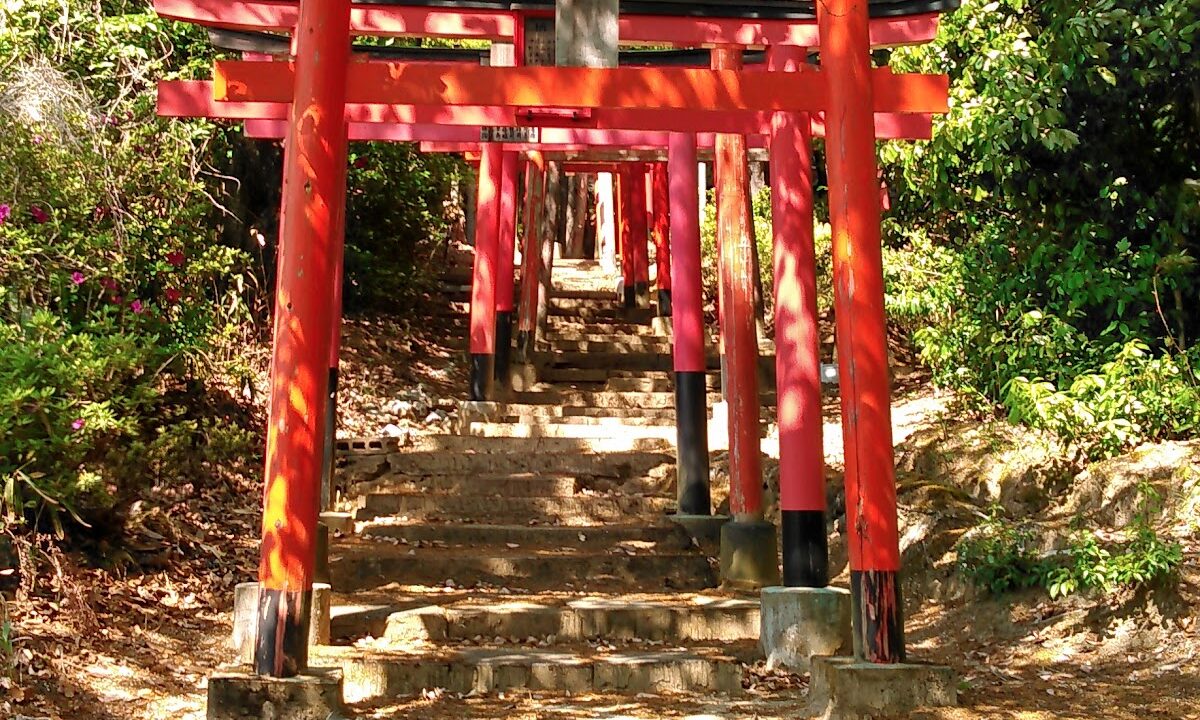
A vermilion torii gate stands at the entrance to Eiju Shrine. The vermilion torii, characteristic of Inari shrines, serves as a charm against evil and a marker of the sacred area. The approach, though short, is well-maintained, allowing for a peaceful and tranquil atmosphere during worship.
Main Hall and Worship Hall
The shrine grounds are small but meticulously maintained. The main hall is built in a traditional shrine architectural style, reflecting its importance as a place of worship for the local community.
Atmosphere of the Shrine Grounds
Despite being located in a residential area, Eiju Shrine is enveloped in tranquility upon entering its grounds. Unlike large tourist shrines, it is a friendly shrine visited regularly by locals. The trees on the grounds change their appearance with the seasons, allowing visitors to enjoy the beauty of each season.
How to Visit Eiju Shrine
Basic Worship Etiquette
The basic worship etiquette at a shrine is as follows:
- Bow before passing through the torii gate: As a sign of respect before entering the sacred area.
- Purify yourself at the water basin: Purify your left hand, right hand, and mouth in that order.
- Bow twice, clap twice, and bow once in front of the main hall:
- Bow deeply twice.
- Clap your hands twice.
- Pray with all your heart.
- Bow deeply once.
- Bow once, turning back as you leave the torii gate: To show gratitude to the gods.
Worship Manners
- The center of the approach to the shrine is considered the path of the gods, so it is polite to walk along the sides.
- Be quiet within the shrine grounds and avoid disturbing other worshippers.
- Photography is permitted, but please be discreet inside the main hall and in sacred areas.
- Always take your trash with you.
Goshuin (Shrine Stamp) Information
Availability of Goshuin (temple/shrine stamps)
Since Eiju Shrine is a small shrine, it is necessary to check in advance whether they always offer Goshuin. Generally, unmanned shrines may not offer Goshuin. Those wishing to receive a Goshuin are advised to inquire with the Kizugawa City Tourism Association or nearby shrines beforehand.
Goshuin Culture in Kyoto Prefecture
Kyoto Prefecture is one of the regions in Japan with a high concentration of shrines and temples, and Goshuin pilgrimages are popular. There are many temples and shrines around Kizugawa City, allowing visitors to enjoy historical exploration while collecting Goshuin.
Nearby temples and shrines where you can receive Goshuin:
- Shindoji Temple (Kizugawa City)
- Joruriji Temple (Kizugawa City)
- Iwashiroji Temple (Kizugawa City)
Nearby Attractions and Tourist Spots
Shindoji Temple
An ancient temple within walking distance of Eiju Shrine. This is a sacred site of Shugendo (mountain asceticism) said to have been founded by En no Gyōja, and it houses numerous Buddhist statues designated as Important Cultural Properties. It is also known as a famous spot for autumn foliage.
Historical Spots in Kizugawa City
Kuni Palace Ruins: The site where Emperor Shōmu temporarily established his capital during the Nara period. It is designated as a national historic site and is recommended for those interested in ancient history.
Jōruri-ji Temple: A temple with a beautiful Pure Land style garden from the Heian period. It houses the nine Amida Buddha statues (National Treasures) and a three-story pagoda.
Iwafune-ji Temple: Famous for its hydrangeas and autumn foliage. It is an ancient temple with a beautiful three-story pagoda (Important Cultural Property).
Nature in Kizugawa City
A rich natural landscape unfolds along the Kizugawa River, perfect for hiking and cycling. Cherry blossoms are beautiful in spring, and autumn leaves are stunning, allowing you to enjoy nature throughout the seasons.
Eiju Shrine and the Shrine Culture of Kyoto Prefecture
Characteristics of Shrines in Kyoto Prefecture
Kyoto Prefecture has approximately 1,741 shrines, accounting for about 2.16% of all shrines in Japan. This ranks 19th out of 47 prefectures. Because Kyoto flourished as the capital of Japan for many years, it boasts a diverse range of shrines, from high-ranking, prestigious shrines to small, community-oriented ones.
Eiju Shrine is not a large-scale tourist shrine, but it plays an important role as a guardian deity that attracts the faith of local people. Such small shrines form the foundation supporting Japanese Shinto culture.
Inari Faith and Kyoto
Kyoto is a region with a particularly high concentration of Inari shrines, due to the presence of Fushimi Inari Taisha, the head shrine of Inari worship. Eiju Shrine, as one of these Inari shrines, carries on this tradition of faith.
Characteristics of Inari Shrines:
- Vermilion torii gate
- Statues of foxes (divine messengers)
- Benefits of business prosperity and abundant harvests
- A friendly and approachable atmosphere
Kyoto’s Shrine Culture for Wishing for Health and Longevity
The name “Eiju” in Eiju Shrine symbolizes health and longevity. Kyoto Prefecture has many shrines and temples that offer benefits of health and longevity.
Health and Longevity Spots in Kyoto Prefecture
Matsuo Taisha: An ancient shrine known for its benefits of longevity and healing from illness. Turtles and carp are enshrined as symbols of longevity.
Mibu-dera: Famous for warding off evil and praying for good health. Also known as a temple associated with the Shinsengumi.
Otowa-san Kiyomizu-dera: The water from Otowa Waterfall is believed to have benefits of longevity, attracting many worshippers.
While Eiju Shrine isn’t a well-known tourist destination, it’s an important place where locals pray for health and longevity.
Annual Events and Festivals
As it’s a small shrine, large-scale festivals may not be held, but typical Inari shrines hold the following events:
Hatsuumasai (First Horse Day Festival)
An important festival of Inari shrines, held on the first Horse Day of February. Prayers are offered for a bountiful harvest and business prosperity.
Reitaisai (Grand Festival)
The largest annual festival, held on an important day related to the shrine’s founding and the enshrined deity. Local people gather, and sacred dances and rituals are performed.
Niinamesai (Harvest Festival)
A harvest thanksgiving festival held on November 23rd. The year’s new harvest is offered to the gods.
For specific event dates, please check local bulletin boards or information from Kizugawa City.
Visitor Voices and Experiences
Visitors who have come to Eiju Shrine have shared the following impressions:
“I stumbled upon this small Inari shrine by chance in front of a JR railway crossing on my way from Shindoji Temple to Tanagura Station. The quiet and peaceful atmosphere was wonderful.”
“It gives the impression of a shrine cherished and protected by the local people. Its unpretentious nature, unspoiled by tourism, is its charm.”
“I visited to pray for good health and longevity. Despite its small size, it was kept very clean, and I felt the deep faith of the local community.”
In this way, Eiju Shrine is a shrine beloved more by local worshippers than tourists, quietly attracting a large following.
History and Culture of Kizugawa City
Overview of Kizugawa City
Kizugawa City is a relatively new city, formed in 2007 through the merger of Kizu Town, Kamo Town, and Yamashiro Town. Located at the southern tip of Kyoto Prefecture, it borders Nara Prefecture. It has flourished as a transportation hub since ancient times, and many historical legacies remain.
Historical Significance
- Kuni-kyo: The location of the capital established by Emperor Shomu from 744 to 745 during the Nara period.
- Relationship with Heijo-kyo: A region deeply connected to the capital of Nara.
- Temple and Shrine Culture: Numerous ancient temples, such as Jōruri-ji, Iwashin-ji, and Shindō-ji, are scattered throughout the area.
- Village of Stone Buddhas: The Tōno district boasts a cultural landscape with many remaining stone Buddha statues.
Eiju Shrine, as part of this historically rich region, plays a vital role in supporting local culture.
Points to Note and Manners When Visiting the Shrine
Clothing and Items to Bring
- Clothing: No special formal attire is required, but please avoid revealing clothing.
- Shoes: Since the shrine grounds may not be paved in some areas, comfortable walking shoes are recommended.
- Items to Bring: Offering money (small change), camera, Goshuincho (stamp book) (if desired)
Weather and Season
- Spring: The surrounding area is beautiful during cherry blossom season, making it ideal for a stroll.
- Summer: Don’t forget to take precautions against the heat and insect repellent.
- Autumn: The surrounding temples are also at their best during the autumn foliage season.
- Winter: Take thorough precautions against the cold.
Accessibility Information
As this is a small shrine, accessibility facilities may be limited. Those wishing to visit in a wheelchair are advised to check in advance.
Detailed Access Route to Eiju Shrine
Access from Kyoto Station
- Take the JR Nara Line (towards Nara) from JR Kyoto Station
- Arrive at Tanakura Station in approximately 40 minutes
- Approximately 5-10 minute walk from Tanakura Station
Access from Nara Station
- Take the JR Nara Line (towards Kyoto) from JR Nara Station
- Arrive at Tanakura Station in approximately 20 minutes
- Approximately 5-10 minute walk from Tanakura Station
Access by Car
- From Kyoto City: Approximately 50 minutes via National Route 24
- From Nara City: Approximately 30 minutes via National Route 24
- From Osaka: Approximately 60 minutes via the Daini-Hanna Expressway and Keina-Wa Expressway
Set your car navigation system to “Kitayama, Yamashiro-cho, Kizugawa City, Kyoto Prefecture” or a nearby facility.
Nearby Accommodations and Restaurants
Accommodation
While there are few large hotels in Kizugawa City, the following options are available:
- Inns and guesthouses in Kizugawa City: Enjoy cuisine made with local ingredients.
- Hotels in Nara City: Approximately 20 minutes away by JR Nara Line.
- Hotels in Kyoto City: Approximately 40 minutes away by JR Nara Line.
Restaurants
There are restaurants in and around Kizugawa City that use local ingredients. Dishes using Yamato tea and Kyoto vegetables are especially recommended. There are small restaurants around Tanakura Station.
Summary: The Charm of Eiju Shrine
Eiju Shrine (Kizugawa City, Kyoto Prefecture) is not a well-known tourist destination, but it is a shrine cherished as a place of worship deeply rooted in the community. As an Inari shrine with Uga-no-Mitama-no-Kami as its enshrined deity, it offers blessings for health and longevity, business prosperity, and abundant harvests.
Features of Eiju Shrine:
- Located in Yamashiro-cho, Kizugawa City, Kyoto Prefecture
- Within walking distance of JR Tanakura Station
- Deity enshrined: Uga-no-Mitama-no-Kami (Inari God)
- Known for its blessings of health and longevity
- A friendly, community-oriented shrine
- Abundant historical sites nearby, such as Shindoji Temple
Eiju Shrine’s charm lies in its quiet and peaceful atmosphere, unlike large-scale tourist shrines. When exploring the history of Kizugawa City or visiting nearby temples such as Shindoji Temple, be sure to stop by. By experiencing the faith of the local people, you can feel the essence of Japanese shrine culture.
Eiju Shrine may not be flashy, but it is a shrine that will continue to be loved by the local people as a spiritual haven for the Japanese. It is a shrine worth visiting for those wishing for health and longevity, those interested in Inari worship, and those wanting to explore the history of southern Kyoto Prefecture.



