Suwa Shrine (Kanae-Shimoyama, Iida City, Nagano Prefecture) Complete Guide | History, Deities, Access, and Benefits Explained in Detail
Suwa Shrine, located in Kanae-Shimoyama, Iida City, Nagano Prefecture, is a historic shrine that has long been cherished by the local community. This article provides detailed information useful for visitors, including the history of Suwa Shrine, its enshrined deities, benefits, highlights of the grounds, access methods, and annual events.
Basic Information on Suwa Shrine (Kanae-Shimoyama, Iida City)
Suwa Shrine is located in the Kanae-Shimoyama area of Iida City, Nagano Prefecture, and has long been revered as the local guardian deity. Iida City is located in the southern part of Nagano Prefecture and has developed as a central city in the Ina Valley.
Location and Contact Information
- Address: Kanae Shimoyama, Iida City, Nagano Prefecture
- Access: Within walking distance from Kanae Station on the JR Iida Line
- Parking: Parking available for visitors on the shrine grounds or nearby (details below)
Deity Enshrined
The deity enshrined at Suwa Shrine is Takeminakata-no-kami, the central deity of Suwa faith. Takeminakata-no-kami is a deity appearing in the Kojiki and Nihon Shoki, and is believed to possess the following divine virtues:
- God of Valor: Symbolizing strength and courage
- God of Agriculture: Prayers for abundant harvests and bountiful harvests
- God of Hunting: Protection of mountain bounty and hunting
- God of Pioneer: Pioneering new lands and business prosperity
- God of Wind and Water: Protection of weather and water sources
History and Origins of Suwa Shrine
Suwa Faith and the Iida Region
Suwa faith is a system of belief centered around Suwa Grand Shrine in Suwa City, Nagano Prefecture, with approximately 25,000 Suwa shrines throughout Japan. Many Suwa shrines are located in Nagano Prefecture, and the area around Iida City is no exception.
The Kanae district of Iida City has long flourished as a transportation hub in the Ina Valley, and a faith deeply intertwined with people’s lives has developed there. Suwa Shrine has been carefully preserved by generations of residents as the guardian deity protecting agriculture and life in this region.
Historical Background of the Kanae District
The place name Kanae is said to originate from the ancient three-legged vessel “ding,” and is a place name with historical significance. This region developed as an important settlement in the Ina Valley from ancient times through the medieval and early modern periods.
While detailed records of the founding date of Suwa Shrine are often lacking, it is believed to have a history of at least several hundred years, based on the traditions of local elders and documents remaining at the shrine.
Benefits and Divine Virtues of Suwa Shrine
Visiting Suwa Shrine is believed to bring the following benefits:
Abundant Harvests and Agricultural Prosperity
Takeminakata-no-kami has an aspect as a god of agriculture and has long been an object of prayer for bountiful harvests. In the Iida region, where agriculture is thriving, Suwa Shrine has attracted the faith of farmers.
Long-lasting Military Fortune and Good Luck in Competitions
Takeminakata-no-kami is known as a god of great military prowess and is worshipped as a guardian deity for those facing competitions and contests. Many people visit the shrine before important events such as exams, job interviews, and sports competitions.
Good Fortune and Business Prosperity
Many visitors come to pray for success in their work or when starting a new business. Due to his divine virtue as a god of pioneering, he is worshipped by people who wish for success in new lands and the development of their businesses.
Protection from Evil and Family Safety
As the local guardian deity, the shrine is popular for prayers for protection from evil, family safety, and traffic safety. Visits are also made at important life events such as New Year’s Day and Shichi-Go-San (a traditional rite of passage for children).
Highlights of the Shrine Grounds
Main Hall and Worship Hall
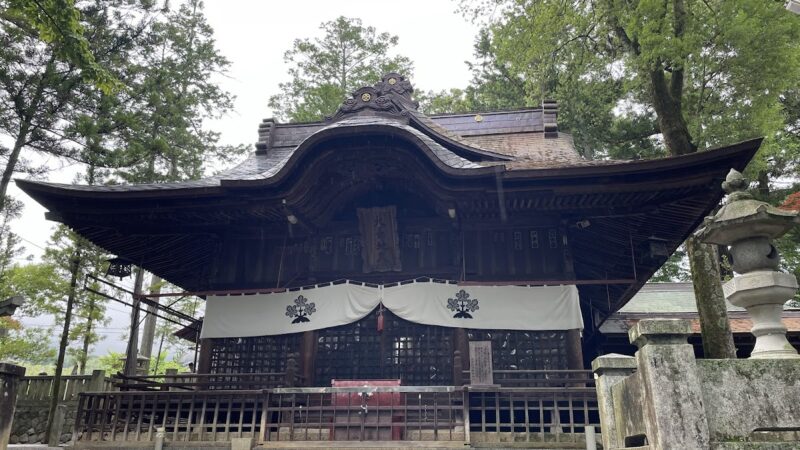
The main hall of Suwa Shrine preserves the traditional shrine architecture of the region. The worship hall is where daily prayers and worship take place, and it is the center of faith for the local people.
Shrines within the Precincts
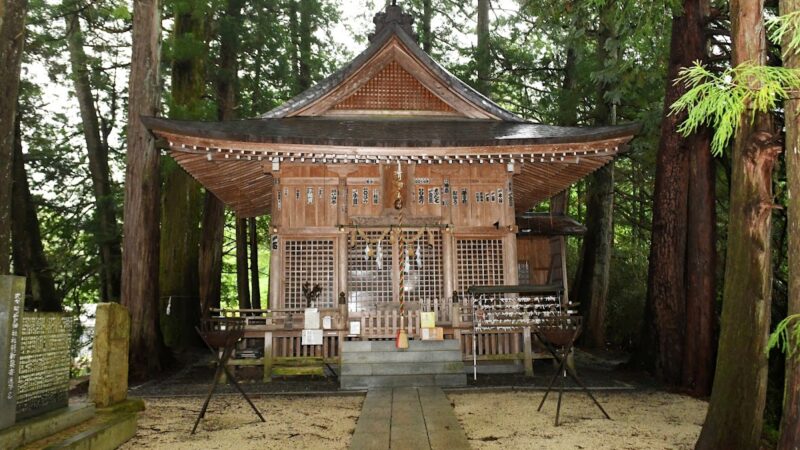
Like many Suwa Shrines, there may be several smaller shrines (subsidiary shrines/minor shrines) within the precincts. These reflect the local history and beliefs and are revered alongside the main deity.
Stone Monuments and Memorials
Stone monuments and memorials commemorating the history of the shrine and local events may be erected within the precincts. These are valuable resources for understanding the history of the shrine.
Sacred Trees
Shrines with long histories may have sacred trees hundreds of years old. These sacred trees symbolize the sanctity of the shrine and provide solace to worshippers.
Annual Events and Festivals
Suwa Shrines hold various Shinto rituals and festivals throughout the year.
New Year’s Day Festival and First Shrine Visit
On January 1st, the New Year’s Day Festival is held, and many worshippers visit for their first shrine visit of the year. This is an important event to pray for safety and prosperity throughout the year.
Annual Grand Festival (Autumn Festival)
Many Suwa Shrines hold their annual grand festival in the autumn. While the timing varies by region, it generally takes place between September and October, featuring a procession of portable shrines and various offerings.
Spring Festival
In spring, a spring festival is sometimes held to pray for a bountiful harvest. This is an important Shinto ritual held before the start of full-scale farming work, praying for a good harvest that year.
Monthly Festival
The monthly festival, held regularly each month, prays for peace in the community and the safety of the parishioners.
Access and Visiting Information
Access by Public Transportation
By Train
- Get off at JR Iida Line “Kanae Station,” approximately 10-15 minutes on foot.
- Taxis are also available from JR Iida Line “Iida Station.”
By Bus
- Take a local bus operating within Iida City, and the shrine is accessible on foot from the nearest bus stop.
Access by Car
From Expressways
- Approximately 10-15 minutes from Chuo Expressway “Iida IC.”
- Accessible from San’en-Nanshin Expressway “Tenryukyo IC.”
Car Navigation Settings
- Search using the address “Kanae Shimoyama, Iida City, Nagano Prefecture.”
- You can also use nearby landmarks.
Parking Information
Parking spaces for visitors may be available on the shrine grounds or nearby. However, congestion is expected during major events such as the annual festival, so please consider using public transportation.
Visiting Hours
While the shrine grounds are generally open 24 hours for worship, the reception hours of the shrine office may be limited. If you wish to obtain a Goshuin (shrine stamp) or amulet, it is recommended to check in advance.
Visiting Manners and Etiquette
Basic Visiting Etiquette
- Bow before passing through the torii gate: Bow before entering the sacred area, in front of the torii gate.
- Purify at the water basin: Purify your left hand, then your right hand, then your mouth, and finally your left hand.
- Walking along the approach: The center of the approach is considered the path of the gods, so walk along the sides.
- Etiquette at the main hall: The basic procedure is two bows, two claps, and one bow.
About Goshuin
Some shrines offer Goshuin. Understand that Goshuin are proof of worship, not a stamp rally, and receive them with respect.
Tourist Attractions in the Kanae District, Iida City
In addition to visiting Suwa Shrine, you can also enjoy sightseeing around Iida City.
Iida City Museum of Art
A comprehensive museum where you can learn about the history, culture, and nature of Iida City. You can gain a deep understanding of the region’s history.
Tenryu Gorge
A scenic spot designated as a national place of scenic beauty, where you can enjoy the beauty of the Tenryu River gorge. River cruises are also popular.
Apple Tree-lined Street
A 400-meter-long apple tree-lined street in the center of Iida City is a popular spot for both locals and tourists.
Moto-Zenkoji Temple
An ancient temple where the principal image of Zenkoji Temple is said to have been first enshrined. It is said, “Visiting once is incomplete; visit both Zenkoji and Moto-Zenkoji.”
Deepening Understanding of Suwa Faith
Relationship with Suwa Grand Shrine
Suwa shrines are all shrines with Suwa Grand Shrine (the four shrines of Kamisha Honmiya, Kamisha Maemiya, Shimosha Akimiya, and Shimosha Harumiya) in Suwa City, Nagano Prefecture as their head shrine. Suwa shrines throughout Japan have either been established through the enshrinement of deities from Suwa Grand Shrine or have developed independently as regional religious practices.
Connection to the Onbashira Festival
At Suwa Grand Shrine, the Onbashira Festival, a major festival, is held every seven years (every seven years according to the traditional Japanese age counting system). While the scale varies, various Suwa shrines throughout the country also hold rituals to rebuild the sacred pillars.
Characteristics of Suwa Faith
- Nature Worship: Deification of natural phenomena such as mountains, water, and wind
- Hunting Culture: Based on the beliefs of ancient hunting tribes
- Agricultural Deity: Strengthened as an agricultural deity with the development of rice cultivation
- Warrior Deity: Also revered as a warrior deity during the samurai era
Connection with the Community
Role as a Clan Deity
Suwa Shrine has played a central role in the local community as the clan deity of the Kaneshitayama district. A clan deity is a god that protects the people living in a particular area, and is an important presence that strengthens community bonds.
Participation in Local Events
Shrine events such as the annual festival are carried out by the local residents working together. Through these events, intergenerational exchanges are fostered, and local traditions are passed down.
Parishioner Organization
The parishioner organization that supports the shrine is responsible for the maintenance and management of the shrine and the operation of festivals. The shrine is protected by the service of the local people.
Points to Note When Visiting
Regarding Attire
While casual attire is acceptable, it is advisable to avoid overly casual or revealing clothing. Especially when participating in formal worship or prayers, please dress appropriately.
Regarding Photography
Photography is generally permitted within the shrine grounds, but there are areas where photography is prohibited, such as inside the main hall. Please be considerate of other visitors.
Regarding Pets
Pet policies vary by shrine. Please check in advance or follow the signs on the grounds.
Differences from Other Suwa Shrines
Several Suwa shrines are located within Iida City and the surrounding area. Each shrine has its own unique characteristics reflecting the history and characteristics of the region.
The Suwa Shrine at Kanae-shimoyama, rooted in the specific Kanae district, embodies the history and culture of that region. Comparing it to other Suwa shrines allows for a deeper understanding of each shrine’s individuality and regional characteristics.
Seasonal Attractions
Spring at Suwa Shrine
In spring, the cherry blossoms and fresh greenery in the shrine grounds are beautiful, creating a refreshing atmosphere for worship. It’s also the time for the spring festival, bringing vibrancy to the local area.
Summer at Suwa Shrine
In summer, the greenery deepens, and the shrine grounds offer cool shade. Summer festivals and local events are sometimes held.
Autumn at Suwa Shrine
Autumn is the season for the annual grand festival, making it the busiest time of year. The autumn leaves are beautiful, and Shinto rituals expressing gratitude for the harvest are performed.
Winter at Suwa Shrine
The shrine grounds in winter are enveloped in silence, creating a solemn atmosphere. During the New Year’s visit period, it becomes crowded with many worshippers offering prayers for the new year.
About Amulets and Souvenirs
Suwa Shrine may offer a variety of amulets and souvenirs.
Common Types of Amulets
- Traffic Safety Amulet: Prayers for safety in cars and bicycles
- Academic Success Amulet: Prayers for success in exams and academic improvement
- Family Safety Amulet: Prayers for the health and peace of the family
- Business Prosperity Amulet: Prayers for business success and prosperity
- Exorcism Amulet: To ward off misfortune during unlucky years
How to Receive Amulets
Amulets are not “bought,” but rather “received” or “given.” This is based on the idea that amulets are not products, but sacred objects imbued with the power of the gods.
Summary
Suwa Shrine in Kaneshita-yama, Iida City, Nagano Prefecture, is a historical shrine deeply rooted in the community and beloved by many. It enshrines Takeminakata-no-kami and is believed to offer blessings for abundant harvests, long-lasting military fortune, and good fortune.
When you visit Iida City, be sure to pay your respects at Suwa Shrine and experience the local history and culture. In the tranquil grounds, you can find peace of mind and gain renewed energy by offering your daily gratitude.
When visiting the shrine, it is important to observe basic manners and show respect. We hope you will respect the history and traditions of the shrine, which have been carefully preserved by the local people, and contribute to passing them on to future generations.
May your visit to Suwa Shrine be a truly enriching experience.