Complete Guide to Ono-dera Temple | A Famous Spot for Japan’s Largest Miroku Cliff Buddha and Weeping Cherry Blossoms [Uda City, Nara Prefecture]
Ono-dera Temple, located in Muro-Ono, Uda City, Nara Prefecture, is an ancient temple of the Shingon sect, Muroji school, situated along the Uda River. Known for its largest Miroku cliff Buddha carved into the rock face on the opposite bank and its magnificent 300-year-old weeping cherry trees adorning the temple grounds, it attracts many visitors who come to enjoy the beautiful scenery throughout the seasons. This article provides a thorough explanation of Ono-dera Temple’s history, highlights, visiting information, and access methods.
What is Ono-dera Temple? | An Ancient Temple that Flourished as the Western Gate of Muroji Temple
Ono-dera Temple, whose mountain name is Yoryuzan, is a Shingon sect, Muroji school temple that enshrines Miroku Bodhisattva as its principal image. Positioned as the western main gate of Murō-ji Temple, it has long been known as Jison-in Miroku-ji Temple. From its grounds, situated on the banks of the Uda River, one can admire the Miroku rock-carved Buddha on the opposite bank up close, creating a unique landscape where nature and faith are intertwined.
Currently, it is also known as a sacred site associated with En no Gyōja, and possesses aspects of a sacred place for Shugendō (mountain asceticism). It is one of Nara Prefecture’s representative temples, renowned for its cherry blossoms in spring and the beauty of its autumn foliage.
History of Ōno-dera Temple | Founding Associated with En no Gyōja and Kōbō Daishi
Founding Legend from the Hakuhō Period
According to temple tradition, Ōno-dera Temple was founded in 681 (Hakuhō 9) by En no Ozunu, also known as En no Gyōja. En no Gyōja is a legendary figure known as the founder of Shugendō, and is said to have established bases for mountain asceticism in various locations, including Mount Ōmine. It is said that Ohno-dera Temple was founded as one of the sacred sites.
Construction of the Temple by Kobo Daishi
It is said that in 824, when Kobo Daishi Kukai founded Murō-ji Temple, he designated Ohno-dera Temple as the western main gate of Murō-ji Temple and built a temple there. At this time, a statue of Miroku Bodhisattva was enshrined as the principal image, and the temple was named Jison-in Miroku-ji. Due to this historical background, Ohno-dera Temple has maintained a deep connection with Murō-ji Temple.
Development from the Kamakura Period Onward
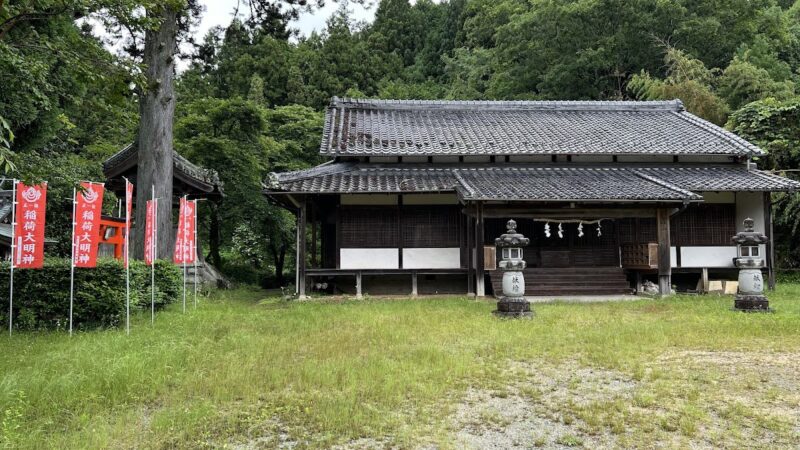
During the Kamakura period, the temple underwent further development, including the creation of a Miroku Bodhisattva rock carving on the opposite bank. The current main hall is believed to be an Edo period building, and despite undergoing several repairs throughout its long history, it continues to fulfill its role as a place of worship since its founding.
Highlights of Ohno-dera Temple | Breathtaking Cliff-Carved Buddha and Cultural Heritage
Maitreya Cliff-Carved Buddha (National Historic Site)
The greatest highlight of Ohno-dera Temple is the Maitreya Cliff-Carved Buddha, carved into the sheer cliff face across the Uda River. A standing statue of Maitreya Buddha, 13.8 meters tall (some sources say 13.6 meters), is carved into a quartz andesite cliff approximately 30 meters high, making it the tallest cliff-carved Buddha in Japan.
It is said to have been created in 1208 during the Kamakura period, at the request of Emperor Go-Toba, modeled after the Maitreya Cliff-Carved Buddha at Kasagi-dera Temple. The figure of Maitreya Buddha, depicted with flowing lines within a carved double-circle halo, conveys its majestic presence even from afar. Especially in the early morning and at dusk, sunlight hits the rock face, creating a mystical scene where the rock-carved Buddha appears to float.
Because it can be viewed from the opposite bank, visitors can admire the entire statue across the Uda River from within the temple grounds, and the sight of the Buddha blending seamlessly into nature continues to move countless worshippers.
Main Hall and the Principal Image, the Standing Statue of Miroku Bodhisattva
The main hall of Ohno-dera Temple houses a wooden standing statue of Miroku Bodhisattva, believed to be from the late Heian period, as its principal image. This statue is designated as an Important Cultural Property and is characterized by its dignified form, standing approximately 1 meter tall. Normally, it is kept as a hidden Buddha in a shrine, but during special viewing opportunities, it can be viewed up close.
The main hall itself is a valuable building that conveys the architectural style of the Edo period, and its simple yet dignified appearance welcomes visitors. Other Buddhist statues and implements from the Kamakura period are also enshrined inside, creating a space that evokes a sense of historical weight.
The Legend of the Substitute Jizo
Ono-dera Temple has an intriguing legend concerning the “Substitute Jizo.” The legend tells of a man who was about to be executed for a crime he didn’t commit. He prayed to the Jizo Bodhisattva at Ono-dera Temple, and the Jizo Bodhisattva took his place, saving his life.
Because of this legend, the Jizo Bodhisattva at Ono-dera Temple became a popular object of worship for protection against misfortune and for its ability to act as a substitute for others. Even today, many worshippers offer prayers there. Within the temple grounds is a Jizo Hall, where numerous small Jizo statues are enshrined.
300-Year-Old Weeping Cherry Trees
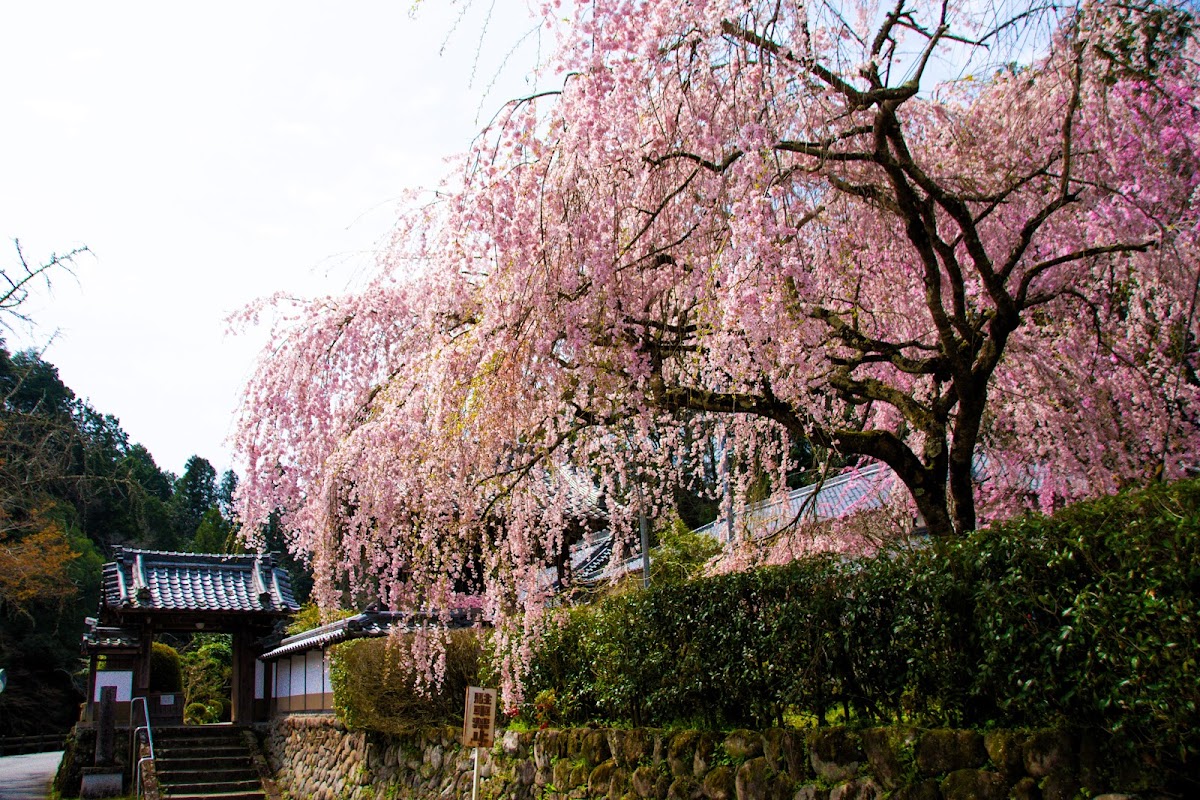
Ono-dera Temple is also widely known as a “famous spot for weeping cherry trees.” Within the temple grounds are two magnificent weeping cherry trees, said to be approximately 300 years old, which paint the entire temple grounds a soft pink in spring. There are also about 10 other cherry trees, and from late March to early April, the scenery created by the clear waters of the Uda River, the Miroku rock-carved Buddha on the opposite bank, and the cherry blossoms in full bloom is breathtaking.
In particular, a 300-year-old ancient tree has branches that hang down so low they reach the ground, and the sight of the blossoms flowing like a waterfall has earned it the nickname “Cherry Blossom Waterfall.” Many tourists visit during the cherry blossom season, and it’s a popular spot for photography. Sometimes, the trees are illuminated at night, allowing visitors to enjoy the magical sight of cherry blossoms after dark.
Other Highlights
The temple grounds also contain numerous historical stone Buddha statues and pagodas. Furthermore, the garden-like scenery, which takes advantage of the location along the Uda River, is beautiful, allowing visitors to stroll while appreciating the changing seasons. In autumn, the autumn foliage is also beautiful, offering a serene beauty different from that of the spring cherry blossoms.
Flower Information at Ohno-dera Temple | The Beauty of Nature Through the Seasons
Spring Weeping Cherry Blossoms (Late March to Early April)
The most beautiful sight at Ohno-dera Temple is the weeping cherry blossoms in spring. They are typically in full bloom from late March to early April, with the temple grounds bathed in pink, centered around a 300-year-old ancient tree. The scenery, with the clear waters of the Uda River, the rocky cliffs on the opposite bank, and the full-blooming cherry blossoms, is truly picturesque.
During the blooming season, a “Cherry Blossom Festival” is sometimes held, featuring sales of local specialties and tea ceremonies, attracting many visitors. Visiting in the quiet early morning hours allows for a more peaceful appreciation of the blossoms.
Early Summer Fresh Greenery (May to June)
After the cherry blossom season ends, the temple grounds are enveloped in vibrant fresh greenery. The trees along the Uda River are lush and green, offering a refreshing and beautiful view. This time of year is relatively less crowded with tourists, making it a hidden gem for a quiet visit. ### Autumn Foliage (Mid-to-Late November)
In autumn, the maple and other trees on the temple grounds change color, making it a famous spot for viewing autumn leaves. In contrast to the vibrant colors of spring, you can experience the tranquil atmosphere of autumn. Especially on sunny days, the contrast between the red and yellow trees and the blue sky is beautiful, making it ideal for photography.
Winter Silence (December-February)
In winter, Ohno-dera Temple is enveloped in a quiet and solemn atmosphere. If it snows, you can witness the fantastical sight of the Miroku rock-carved Buddha on the opposite bank covered in snow. Because there are fewer visitors during this time, it’s a season to truly appreciate the Buddha statues and history.
Basic Information about Ohno-dera Temple | Visiting Hours, Fees, and Access
Visiting Hours and Fees
Visiting Hours
- March to October: 8:00 AM to 5:00 PM
- November to February: 8:00 AM to 4:00 PM
Admission Fees
- Adults: 300 yen
- Children: 100 yen
*Fees may change during special viewing periods or cherry blossom season. It is recommended to check in advance.
Location and Contact Information
Location
1680 Ohno, Muroguchi, Uda City, Nara Prefecture 633-0315
Phone Number
0745-92-2220 (Ohno-dera Temple)
Access Method
Access by Train
- Approximately 5 minutes on foot from Kintetsu Osaka Line “Muroguchi-Ohno Station”
The temple is very close to the station and easily accessible. Leaving the station and walking along the Uda River, you’ll soon see the grounds of Ohno-dera Temple and the Miroku rock-carved Buddha on the opposite bank.
Access by Car
- Approximately 30 minutes from the Hari IC on the Meihan Expressway via National Route 369
- Approximately 40 minutes from the Tenri IC on the Nishi-Meihan Expressway via National Route 169 and National Route 165
Parking
- Free parking available (approximately 20 cars)
- Temporary parking may be available during peak seasons such as cherry blossom season.
Nearby Facilities
Public restrooms and rest areas are available near Ohno-dera Temple. There are also restaurants and souvenir shops nearby where you can purchase local Uda City specialties.
Nearby Shrines and Temples | Temples and Shrines to Visit Together
When visiting Ohno-dera Temple, we recommend also visiting the nearby historical temples and shrines.
Murō-ji Temple (approx. 10 minutes by car)
Located about 5 km east of Ōno-ji Temple, Murō-ji Temple is the head temple of the Murō-ji branch of Shingon Buddhism, known as “Women’s Kōya.” It is famous for its National Treasure five-story pagoda, main hall, and beautiful rhododendrons, and is a popular temple visited in conjunction with Ōno-ji Temple. The temple grounds, nestled deep in the mountains, are filled with a mystical atmosphere, and visitors can enjoy the beauty of nature throughout the seasons.
Ryūketsu Shrine (approx. 8 minutes by car)
Located on the way to the inner sanctuary of Murō-ji Temple, Ryūketsu Shrine has been revered since ancient times as a god of rain. Behind the shrine lies a cave called “Ryūketsu” (dragon’s cave), where legend says a dragon god resides. Surrounded by primeval forest, the shrine grounds are enveloped in a sacred atmosphere and are popular as a power spot.
Anzanji Temple (approx. 15 minutes by car)
Anzanji Temple, located in Uda City, is, as its name suggests, a temple known for prayers for safe childbirth. The principal image, Koyasu Jizo Bodhisattva, is revered as a Buddha of safe childbirth and child-rearing, attracting many pregnant women and families with young children. The temple grounds also enshrine Jizo statues for child-rearing and Mizuko Jizo (Jizo for aborted fetuses).
Kaichoji Temple (approx. 20 minutes by car)
Located in the mountainous area of Uda City, Kaichoji Temple is an ancient temple founded during the Heian period. Its main hall, a designated Important Cultural Property, and its beautiful garden are highlights, allowing visitors to experience the tranquil atmosphere of a mountain temple. It is especially beautiful during the autumn foliage season, and is a hidden gem known to those in the know for its autumn colors.
Tourist Spots Around Ono-dera Temple
Historic Townscape of Uda City
The Uda Matsuyama district, located about 15 minutes by car from Ono-dera Temple, is an area that retains a historical townscape designated as an Important Preservation District for Groups of Traditional Buildings. Enjoy a step back in time with the rows of Edo-period merchant houses and samurai residences.
Roadside Station “Udaroji Ouda”
This roadside station offers fresh local produce and specialty products. Uda City has long been known as a production area for medicinal herbs, and many products using these herbs are sold here. You can also enjoy dishes made with local ingredients at the restaurant.
Nearby Accommodations
For those considering accommodation near Ono-dera Temple, the following options are available:
Ryokans and Guesthouses in Muro Onsen
Around Muro-dera Temple, there are numerous ryokans and guesthouses where you can enjoy Muro Onsen hot springs. Relax and unwind in the hot springs in a quiet environment surrounded by nature. Kaiseki cuisine using local ingredients is also a highlight.
Hotels and Business Hotels in Uda City
In the center of Uda City, there are business hotels and small hotels. They are convenient for use as a base for sightseeing and offer reasonable prices.
Accommodation in the Surrounding Area
There are plenty of accommodation options in surrounding cities such as Sakurai City and Nabari City. Sakurai City, in particular, offers excellent access to tourist attractions like Hase-dera Temple and Tanzan Shrine, making it an ideal base for Nara sightseeing.
Points and Manners for Visiting Ono-dera Temple
Etiquette for Visiting
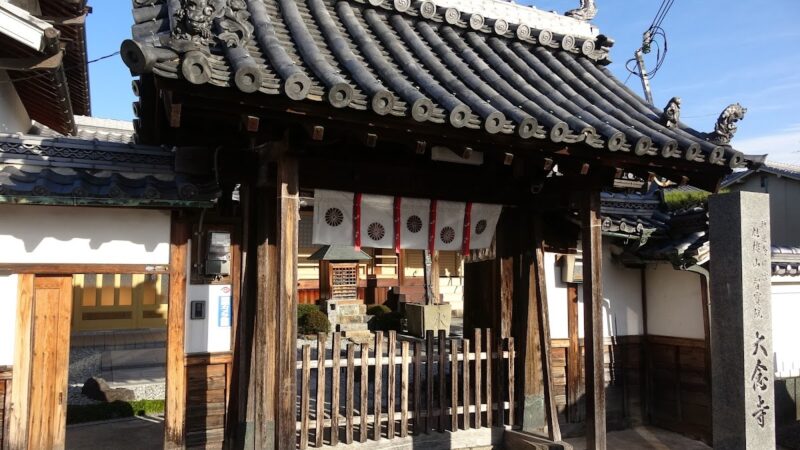
Ono-dera Temple is a Shingon Buddhist temple, so please follow the basic etiquette for visiting Buddhist temples. Bow at the main gate before entering the grounds, and quietly offer your prayers in the main hall. Photography is generally permitted, but it is recommended to check in advance regarding photography inside the main hall and of the Buddha statues.
Viewing the Cliffside Buddha on the Opposite Bank
The Maitreya Cliffside Buddha is located on the opposite bank of the Uda River, so it is viewed from the temple grounds across the river. You cannot descend to the river, so please view it from the designated area within the temple grounds. Bringing binoculars will allow you to see the fine details of the carvings clearly.
Seasonal Clothing
Spring and autumn offer pleasant weather, but mornings and evenings can be chilly, so it’s a good idea to bring a jacket. Summer brings strong sunlight, so prepare a hat, parasol, and plenty of water. Winter is very cold, so proper cold-weather gear is essential.
Tips for Avoiding Crowds
The cherry blossom season (late March to early April) is the busiest time. If visiting during this period, aiming for early mornings or weekdays will allow for a more relaxed visit. May, with its fresh greenery, and November, with its autumn foliage, are also beautiful and less crowded than the cherry blossom season, making them recommended.
Enjoying the Charms of Ono-dera Temple to the Fullest
Ono-dera Temple is a representative temple of Nara Prefecture, where the precious cultural asset of the largest Miroku rock-carved Buddha in Japan and the natural beauty of a 300-year-old weeping cherry tree are beautifully harmonized. Despite its convenient location just a 5-minute walk from Muroguchi-Ono Station, the quiet environment surrounded by the murmur of the Uda River and lush greenery allows you to forget the hustle and bustle of the city. Ono-dera Temple displays a different face in each of the four seasons: the cherry blossoms of spring, the fresh greenery of early summer, the vibrant autumn foliage, and the tranquil silence of winter. Visiting it along with other nearby temples and shrines such as Murō-ji Temple and Ryūketsu Shrine will make for a more fulfilling trip to Nara.
Experience the charm of Ono-dera Temple, where history, nature, and faith intertwine, by visiting in person. Standing before the Maitreya Buddha carved into the cliff face on the opposite bank, you will surely feel the compassion of the Buddha, who has received people’s prayers for over 800 years since the Kamakura period.