Maki Shinmei-gu Shrine (Nishikan-ku, Niigata City, Niigata Prefecture) | Complete Guide to History, Goshuin (Shrine Seals), and Access
Maki Shinmei-gu Shrine, located in Maki-ko, Nishikan-ku, Niigata City, Niigata Prefecture, is a historic shrine also known as “Maki Shrine.” It has long been revered by the local people as the guardian shrine of Maki town, and enshrines Amaterasu Omikami and Toyouke Omikami as its main deities. This article provides comprehensive information useful for those considering a visit to Maki Shinmei-gu Shrine, including its detailed history, goshuin information, highlights within the grounds, and access methods.
Basic Information on Maki Shinmei-gu Shrine
Shrine Information
Official Name: Maki Shinmei-gu Shrine
Common Name: Maki Shrine
Location: 2224 Maki-ko, Nishikan-ku, Niigata City, Niigata Prefecture
Deities Enshrined: Amaterasu Omikami, Toyouke Omikami
Shrine Rank: Former Village Shrine
Nearest Station: Approximately 15 minutes on foot from Maki Station on the JR Echigo Line
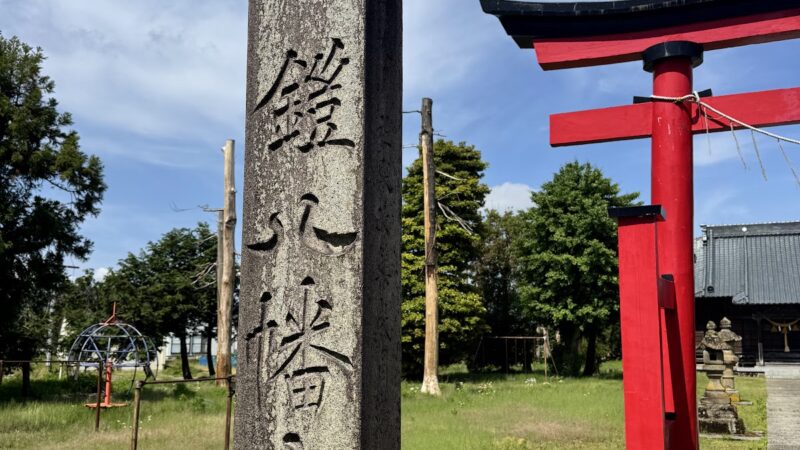
Maki Shinmei-gu Shrine is located in the heart of Nishikan-ku, Niigata City, Niigata Prefecture, and is easily accessible from Maki Station. The shrine’s nameplate reads “Maki Shinmei-gu,” indicating that this was its original name. While the name “Maki Shrine” is now widely used, there is a theory that this is related to the fact that Kusanagi Shrine is enshrined within the grounds.
History and Origins of Maki Shinmei Shrine
Origin of Founding
The details of Maki Shinmei Shrine’s founding are unclear due to the loss of most of its historical records in two major fires in 1738 (Kyoho 13) and 1841 (Tenpo 12). However, according to shrine tradition, it is said to have been worshipped as the guardian shrine of Maki town from its inception, suggesting that it is a shrine that has walked hand in hand with the history of the region.
Loss of Records Due to Fire
The major fires of 1738 (Kyoho 13) and 1841 (Tenpo 12) during the Edo period caused significant losses for Maki Shinmei Shrine. These fires resulted in the loss of valuable historical records detailing the shrine’s origins and history. Therefore, much of the current history relies on oral tradition and shrine records, and some aspects of the founding date and the conditions at the time remain speculative.
However, the fact that faith has continued to this day, overcoming such difficulties, is a testament to the deep faith of the local people. The shrine buildings and grounds that survived the fire, along with the local legends, convey the history of Maki Shinmei Shrine to this day.
The Development of Maki Town and the Shrine
Maki Shinmei Shrine has been closely intertwined with the development of Maki Town. Maki Town flourished as a transportation hub near the mouth of the Shinano River, and developed as a post town during the Edo period. Located at the heart of this region, Maki Shinmei Shrine served as the town’s guardian shrine and a spiritual anchor for its residents.
It played an important role in local festivals and annual events, and was bustling with people praying for bountiful harvests, business prosperity, and family safety. Even today, it remains a beloved shrine visited by many worshippers, including local parishioners.
About the Enshrined Deity
Amaterasu Omikami
Amaterasu Omikami is the supreme deity in Japanese mythology, a goddess who personifies the sun. Revered as the ancestral deity of the Imperial Family, Amaterasu Omikami is enshrined in the Inner Shrine of Ise Grand Shrine. The reason Maki Shinmei Shrine is called “Shinmei-gu” is because it enshrines Amaterasu Omikami as its principal deity.
Amaterasu Omikami is believed to bestow divine virtues such as national peace and security, abundant harvests, and good fortune, and is enshrined in Shinmei Shrines throughout Japan. At Maki Shinmei Shrine, she has also been worshipped as a guardian deity watching over the prosperity of the region and the happiness of its people.
Toyouke Omikami
Toyouke Omikami is the deity who presides over grains and food, and is enshrined in the Outer Shrine of Ise Grand Shrine. Also known as Miketsukami, the deity who presides over Amaterasu Omikami’s meals, she is revered as a guardian deity of industrial development and the provision of clothing, food, and shelter.
In Maki Town, where agriculture was thriving, the worship of Toyouke Omikami was particularly important. In festivals praying for a bountiful harvest and giving thanks for the harvest, Toyouke-no-Okami has been worshipped as a central figure.
Highlights of the Shrine Grounds
Shrine Name Marker and Torii Gate
Upon entering the grounds of Maki Shinmei-gu Shrine, the first thing that catches the eye is the magnificent shrine name marker. It bears the inscription “Maki Shinmei-gu,” preserving the shrine’s official name to this day. Behind the marker stands a torii gate, marking the entrance to the sacred area.
Passing through the torii gate, the path leads to the main hall. The path is well-maintained, allowing for a tranquil walk. The trees within the grounds are beautiful, creating an environment where one can appreciate the changing seasons while worshipping.
Komainu (Guardian Dogs)
Further along the path, a pair of komainu (guardian dogs) sit before the main hall. These komainu have been placed there since ancient times as guardians of the sacred area, standing as if welcoming worshippers. The expressions and forms of the guardian lion-dogs reflect the times, making them valuable stone structures that convey the history of the shrine.
Worship Hall and Main Sanctuary
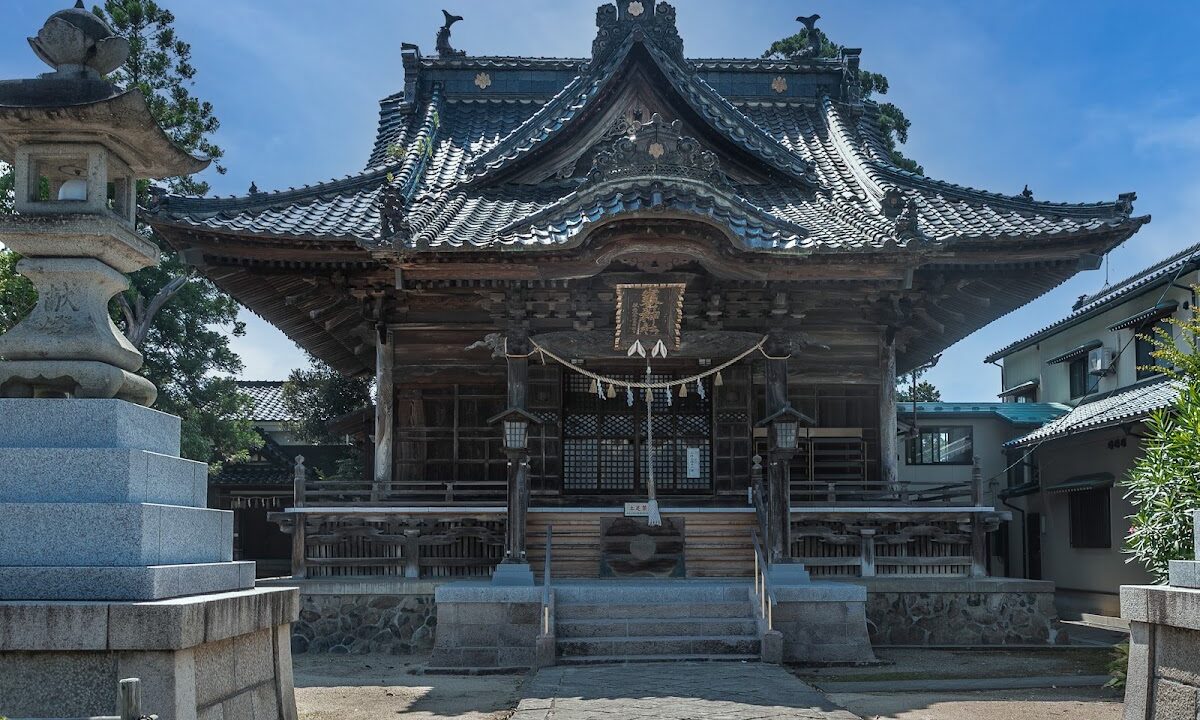
The worship hall of Maki Shinmei-gu Shrine is where worshippers offer prayers to the gods. It is a beautiful wooden structure, possessing characteristics of traditional shrine architecture. Behind the worship hall is the main sanctuary, where the enshrined deities, Amaterasu Omikami and Toyouke Omikami, are worshipped.
The main sanctuary is based on the Shinmei-zukuri style, a style originating from Ise Grand Shrine. Although rebuilt after being destroyed by a great fire, it was constructed using traditional techniques, making it a historically valuable building.
Kusanagi Shrine
The Kusanagi Shrine is also enshrined within the grounds. It is believed that the existence of this subsidiary shrine is one of the reasons why the name changed from “Maki Shinmei-gu Shrine” to “Maki Shrine.” Kusanagi Shrine is known as a shrine associated with Yamato Takeru no Mikoto and is believed to offer divine blessings for military success and protection from evil.
Goshuin (Shrine Seal) Information
About the Issuance of Goshuin
Maki Shinmei Shrine offers goshuin. Goshuin are popular among many visitors as proof of worship and as a way to commemorate one’s connection with the shrine. The goshuin will bear the seal of “Maki Shinmei Shrine” or “Maki Shrine,” and the date of visit will be written in ink.
Those wishing to receive a goshuin should inquire at the shrine office. However, since the shrine priest may not always be present, it is recommended to call ahead to confirm. Those without a goshuin notebook may be given a pre-printed goshuin.
Characteristics of the Goshuin
The goshuin of Maki Shinmei Shrine is characterized by its simple yet powerful calligraphy. The shrine’s name is carefully handwritten in ink, and the red seal is stamped on it, creating a beautiful image that makes you want to cherish it as a memento of your visit.
For those who collect Goshuin (shrine stamps), the Goshuin from this historic shrine in Nishikan-ku, Niigata City, Niigata Prefecture, will surely become a special piece in your collection. We highly recommend receiving a Goshuin during your visit.
Access Information
Access by Train
Nearest Station: JR Echigo Line, Maki Station
Travel Time: Approximately 15 minutes on foot from Maki Station
The nearest station is Maki Station on the JR Echigo Line. It takes about 40 minutes from Niigata Station to Maki Station on the Echigo Line. From Maki Station to Maki Shinmei Shrine is about a 15-minute walk. After leaving the station, head towards the center of Maki and follow the signs to reach the shrine.
Access by Car
Hokuriku Expressway: Approximately 10 minutes from Makigatahigashi IC
Parking: Parking space available for visitors on the shrine grounds
If accessing by car, the nearest interchange is Makigatahigashi IC on the Hokuriku Expressway. After exiting the IC, proceed towards National Route 116 and head towards the center of Maki. There is parking space around the shrine, but it can get crowded during festivals, so it is recommended to visit with plenty of time to spare.
Nearby Attractions
Tourist Spots in the Maki Area
The Maki area in Nishikan-ku, Niigata City, where Maki Shinmei-gu Shrine is located, has many other attractions. It boasts abundant tourist resources that can be explored in a single day, including natural landscapes such as Mt. Kakuda and Mt. Taho, a coastline facing the Sea of Japan, and historic townscapes.
Nearby Shrines and Temples
In addition to Maki Shinmei-gu Shrine, there are many other historic shrines and temples scattered throughout Nishikan-ku, Niigata City, Niigata Prefecture. If you have time, we recommend enjoying a “shrine tour” visiting the surrounding temples and shrines. Each shrine has its own unique history and divine virtues, and by visiting them, you can gain a deeper understanding of Niigata’s history and culture.
Annual Events and Festivals
Grand Festival
At Makishinmei Shrine, various festivals and Shinto rituals are held throughout the year. The Grand Festival, in particular, is the most important festival for the shrine, where local people gather to offer gratitude and prayers to the gods. We recommend contacting the shrine in advance regarding the festival’s dates and content.
New Year’s Visit and Annual Events
Many worshippers visit the shrine for their first shrine visit of the new year. The shrine grounds are bustling with people praying for safety throughout the year, family well-being, and business prosperity. Seasonal events such as the Setsubun Festival and the Summer Purification Ceremony are also held, and these are passed down as local traditions.
Manners and Etiquette for Visiting a Shrine
Basic Manners for Visiting a Shrine
When visiting a shrine, it is important to observe basic manners. Bow before passing through the torii gate, and walk along the path, avoiding the center. Cleanse your hands and mouth at the water basin before proceeding to the main hall, and pray using the two bows, two claps, and one bow ritual.
Manners for Receiving a Goshuin (Shrine Seal)
When receiving a goshuin, it is customary to visit the shrine office after completing your prayers. Present your goshuin book with both hands and make a polite request. A goshuin is not merely a stamp rally; it is an important symbol of connecting with the gods, so it is important to treat it with respect.
The Charm of Maki Shinmei Shrine
A Faith Rooted in the Community
The greatest charm of Maki Shinmei Shrine lies in its long history as the guardian shrine of Maki town, attracting a deep-rooted faith within the community. The fact that faith has continued to this day, overcoming the difficulty of losing records in a great fire, is a testament to the deep faith of the local people.
A Serene Atmosphere in the Shrine Grounds
The shrine grounds are enveloped in a serene atmosphere, allowing you to escape the hustle and bustle of the city and find peace of mind. Walking along the tree-lined path and offering prayers at the main hall will be a precious moment to forget everyday life and connect with the gods.
Historical Structures
Many historical structures remain, including the main hall, the inner sanctuary, and the stone structures within the grounds. These are not merely buildings, but evidence of faith that has been passed down through the ages. By visiting and feeling the thoughts of our ancestors embodied in each structure, you can experience a deeper sense of awe.
Shrine Culture in Niigata Prefecture and Makishinmei Shrine
Characteristics of Shrines in Niigata Prefecture
Niigata Prefecture is home to many historical shrines, including Yahiko Shrine, the Ichinomiya (first-ranked shrine) of Echigo Province. The shrine culture nurtured within the unique climate and environment of snowy regions possesses distinctive characteristics that set it apart from other areas. Maki Shinmei-gu Shrine, as a representative example of Niigata Prefecture’s shrine culture, continues to convey the region’s history and culture to this day.
Positioning as a Shinmei-gu Shrine
Shinmei-gu Shrines are a general term for shrines that enshrine Amaterasu Omikami as their principal deity. While Shinmei-jinja shrines exist throughout Japan, each has developed uniquely in its respective region. Maki Shinmei-gu Shrine has served as the center of Shinmei faith in Nishikan-ku, Niigata City, Niigata Prefecture, providing spiritual support to the local people.
Summary
Maki Shinmei-gu Shrine (Maki Shrine) is a historic shrine located in Maki-ko, Nishikan-ku, Niigata City, Niigata Prefecture. It enshrines Amaterasu Omikami and Toyouke Omikami as its principal deities and has long been revered by the local people as the guardian shrine of Maki town.
Due to the loss of ancient records in major fires in 1738 and 1841, the details of its founding are unknown. However, according to shrine tradition, it is said to have been the guardian shrine of Maki town from its inception. Currently also known as “Maki Shrine,” it also houses the Kusanagi Shrine within its grounds.
Conveniently located about a 15-minute walk from Maki Station on the JR Echigo Line, it offers Goshuin (shrine stamps). With its tranquil grounds, it is a place where one can find peace of mind and feel the weight of history, making it popular not only with local parishioners but also with visitors from within and outside Niigata Prefecture.
When visiting Niigata Prefecture, be sure to visit Maki Shinmei Shrine and experience the charm of this shrine steeped in long history and tradition.