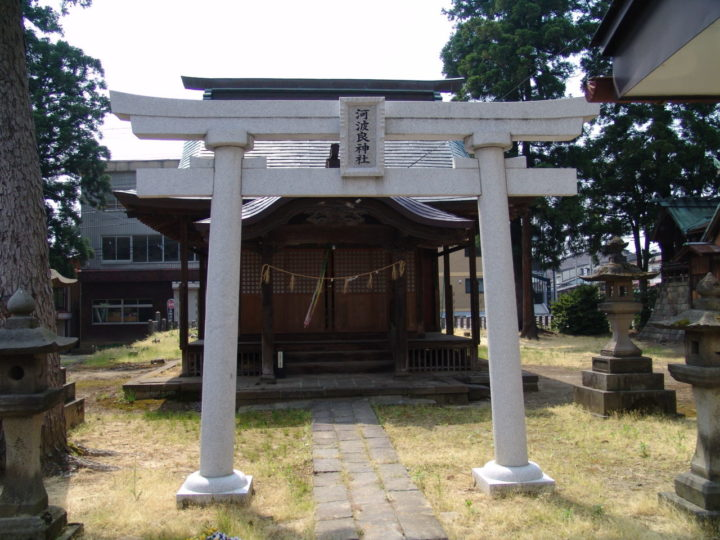
Kawara-ryo Shrine (Joetsu City, Niigata Prefecture) Complete Guide | History, Deities, Access, and Visiting Information
Kawara-ryo Shrine, located in Nakamachi, Joetsu City, Niigata Prefecture, is a historical shrine deeply rooted in the local community. This article comprehensively introduces useful information for visitors, from detailed information about Kawara-ryo Shrine to its role as a local guardian deity, how to worship, and access information.
Basic Information about Kawara-ryo Shrine
Location and Access
Location:
2-9-17 Nakamachi, Joetsu City, Niigata Prefecture
Access from Nearest Station:
- Approximately 14 minutes on foot from the exit of Takada (Niigata Prefecture) Station on the Echigo Tokimeki Railway Myoko Hanema Line
- Approximately 15 minutes on foot from the exit of Minami-Takada Station on the Echigo Tokimeki Railway Myoko Hanema Line
Located in the Takada district, the heart of Joetsu City, Kawara-ryo Shrine is easily accessible on foot. The current Nakamachi area is part of the former Takada Castle town and retains traces of its historical streetscape.
Characteristics of Kawahara Shrine
Kawahara Shrine has long been revered by local residents as the tutelary deity of the Nakamachi area of Joetsu City. While numerous shrines exist in Niigata Prefecture, Kawahara Shrine is particularly deeply rooted in the community, closely intertwined with the lives of its parishioners.
Relationship between the tutelary deity and Kawahara Shrine
What are tutelary deities and parishioners?
A tutelary deity is the god of a shrine that resides in the area where you live, protecting that area and its parishioners. In Japanese Shinto culture, tutelary deity worship has played a vital role as a spiritual pillar of the local community.
Parishioners refer to local residents who worship a specific tutelary deity and participate in the maintenance and festivals of that shrine. At Kawahara Shrine, the people of the Nakamachi 2-chome area, in particular, support the shrine as parishioners.
How to Find Your Guardian Deity
“Can you tell me the guardian deity of the area where I live?” is one of the most frequently asked questions received by the Niigata Prefectural Shrine Association. Currently, due to the increasing complexity of district boundaries and new residential developments, it’s becoming more difficult to determine the guardian deity based on current place names.
How to Find Your Guardian Deity:
- Inquire with the Niigata Prefectural Shrine Association
- Check with your local community association/neighborhood association
- Interview with long-time residents in the neighborhood
- Research at your local history museum
For those living around Nakamachi 2-chome, Joetsu City, Kawahara Shrine is likely your guardian deity, but we recommend confirming details individually.
Difference from Revered Shrines
Revered Shrines are shrines visited due to personal faith or special connections, regardless of one’s place of residence. For example, shrines like Ise Grand Shrine and Izumo Taisha, which attract worshippers from all over the country, are prime examples of revered shrines.
While local shrines (Ujigami shrines) are based on their ties to the “community,” revered shrines (Sukei shrines) are characterized by relationships based on the “individual’s” faith and special wishes. Within Niigata Prefecture, Yahiko Shrine in Yahiko Village is known as a shrine that attracts reverence from a wide area.
Historical Background of Joetsu City and Takada District
Formation of Takada Castle Town
Nakamachi in Joetsu City, where Kawahara Shrine is located, is part of the Takada Castle Town that was formed during the Edo period. Takada Castle was built in 1614 by Matsudaira Tadateru, the sixth son of Tokugawa Ieyasu, and the merchant district, including Nakamachi, was developed as its castle town.
The name Nakamachi is said to have been derived from its location in the center of the castle town, and it has a history of flourishing as a commercial and artisan town. Even today, the district of 2-chome retains traces of the town layout from that era.
Local Beliefs and Shrines
Joetsu City is home to numerous shrines, each deeply intertwined with the local history and culture. Kawahara Shrine, too, has attracted the faith of local residents alongside the development of the Takada district.
Particularly from the Edo period to the Meiji era, shrines dedicated to the local guardian deity were established in each neighborhood, functioning as the center of the local community. Kawahara Shrine is thought to have played a role as a spiritual pillar of the Nakamachi area within this historical context.
Comparison with Major Shrines in Niigata Prefecture
Characteristics of Shrines in Niigata Prefecture
Niigata Prefecture boasts approximately 4,700 shrines, making it one of the most densely populated areas of shrines in Japan. This is influenced by Niigata Prefecture’s geographical characteristics (long coastline, numerous rivers, mountain worship) and historical background.
Representative Shrines in Niigata Prefecture:
[Niigata City] Niigata Daijingu Shrine
Located in Chuo Ward, Niigata City, Niigata Daijingu Shrine enshrines a divided spirit of Ise Grand Shrine and is revered throughout Niigata Prefecture. Founded during the Meiji era, it is a central hub of Ise faith within the prefecture.
[Niigata City] Niigata Prefectural Gokoku Shrine
Located in Chuo Ward, Niigata City, this shrine enshrines those from Niigata Prefecture who died in war. Many worshippers visit during the spring and autumn festivals to offer prayers for remembrance and peace.
[Sado City] Shiizaki Suwa Shrine (Sado Island)
One of the Suwa Shrines located on Sado Island, it has a long history as a center of faith on the island. It is a distinctive shrine where Sado Island’s unique culture and Shinto beliefs are fused.
[Sado City] Daizen Shrine (Sado Island)
One of the historical shrines on Sado Island, it attracts worshippers deeply connected to local industries and life.
[Sado City] Watari Shrine
As the Ichinomiya (first-ranked shrine) of Sado Province, it is considered the most prestigious shrine on Sado Island. Its principal deity is Isotakeru-no-Mikoto, and it is revered as the guardian deity of the entire island of Sado.
The Positioning of Kawahara Shrine
Compared to the shrines that attract widespread reverence like the one mentioned above, Kawahara Shrine functions as a more localized, community-oriented shrine. Though small in scale, it possesses a unique value as a shrine that is closely intertwined with the daily lives of local residents.
Etiquette and Manners for Visiting a Shrine
Basic Worship Etiquette
There are basic manners to observe when visiting a shrine. When visiting Kawahara Shrine, please observe the following manners.
Procedure for Worship:
- Bow before passing through the torii gate – Show respect when entering the sacred area.
- Walk along the edge of the path – The center is considered the path of the gods.
- Purify yourself at the water basin (if available) – Purify your left hand, right hand, and mouth in that order.
- Bow twice, clap twice, and bow once in front of the main hall – This is the basic way to worship.
- Bow once after leaving the torii gate – Express your gratitude.
The Significance of Cherishing Local Shrines
Cherishing local guardian shrines like Kawahara Shrine is not merely a matter of faith, but also contributes to maintaining the local community and passing on culture. Especially nowadays, urbanization and population decline tend to weaken community ties.
Visiting local shrines and participating in festivals provides a place for interaction among local residents, fostering communication across generations. Kawahara Shrine plays an important role in cultivating a sense of unity in the Nakamachi 2-chome area.
Connections to Other Shrines in Joetsu City
Shrine Culture in Joetsu City
In addition to Kawahara Shrine, numerous other shrines are located in Joetsu City. Even in the Takada district alone, there are several local guardian shrines, each with its own distinct parish area.
Major Shrines in Joetsu City:
- Kasugayama Shrine (dedicated to Uesugi Kenshin)
- Group of shrines within Takada Castle Ruins Park
- Local guardian shrines in each neighborhood
In particular, Kasugayama Shrine, associated with the Sengoku period warlord Uesugi Kenshin, is a revered shrine visited by worshippers from all over Japan. In contrast, Kawahara Shrine plays a different role as a presence deeply rooted in the daily life of the community.
The Importance of Local Guardian Deities
In a historical city like Joetsu, local guardian deities are designated for each detailed area. This reflects historical circumstances such as the town planning of the Edo period, the shrine consolidation policy of the Meiji era, and post-war urban development.
For residents of Nakamachi 2-chome, Kawahara Shrine is the most familiar object of worship, serving as a place for life-changing rituals such as first shrine visits for newborns, Shichi-Go-San (a traditional rite of passage for children), and exorcisms.
Points to consider when visiting shrines in Niigata Prefecture
Understanding Regional Characteristics
Niigata Prefecture is long from north to south and is broadly divided into the Joetsu, Chuetsu, Kaetsu, and Sado regions. The characteristics of shrines and forms of worship differ in each region.
Characteristics of the Joetsu Region:
- Many historical sites related to Uesugi Kenshin
- Shrine placement reflecting the history of Takada Castle town
- A fusion of maritime and mountain worship along the Sea of Japan coast
Kawahara Shrine is situated within this cultural context of the Joetsu region.
Comparison with Nagaoka City, Kashiwazaki City, Shibata City, etc.
Nagaoka City:
Nagaoka City has many shrines linked to the history of the late Edo and Meiji Restoration periods, such as Aoshi Shrine (dedicated to Kawai Tsuginosuke).
Kashiwazaki City:
Located on the coastline, Kashiwazaki City is characterized by shrines dedicated to praying for maritime safety and abundant catches.
Shibata City:
Shibata City, which developed as a castle town of the Shibata Domain, also exhibits a unique arrangement of shrines characteristic of castle towns.
Ojiya City:
Ojiya City has shrines with strong mountain worship influences, such as the shrine on Funayama Hill.
Uonuma City/Minamiuonuma City:
In the Uonuma region, a heavy snowfall area, beliefs related to snow and water are reflected in the shrine culture.
Yahiko Shrine in Yahiko Village
As a representative shrine of Niigata Prefecture, Yahiko Shrine (Yahiko Jinja) in Yahiko Village holds a special place. As the Ichinomiya (first-ranked shrine) of Echigo Province, it attracts reverence from all over Niigata Prefecture, and hundreds of thousands of people visit for Hatsumode (first shrine visit of the year).
Local tutelary shrines like Kawahara Shrine and larger, more widely revered shrines like Yahiko Shrine each play distinct roles in shaping Niigata Prefecture’s shrine culture.
Significance of Ujigami Worship in Modern Times
Maintaining Local Communities
In modern society, where community ties are weakening, tutelary shrines remain a vital core of communities. Community-oriented shrines like Kawahara Shrine fulfill the following roles:
Modern Roles:
- A place for interaction among local residents
- A place for the transmission of traditional culture
- Fostering regional identity
- Opportunities for local history education for children
- Creating a sense of purpose for the elderly
Urban Development and Ujigami
New residential development is progressing in Joetsu City, leading to an increase in new residents. In such cases, people may not know where their tutelary shrine is located.
The Niigata Prefectural Shrine Association handles these inquiries, but due to the increasing complexity of district boundaries, it is becoming difficult to determine the location based solely on current place names. When you move, it is recommended that you proactively check the local guardian deity.
Personal Information Protection and Shrine Management
In modern times, from the perspective of personal information protection policies, the management of shrine parishioner lists is also being carried out carefully. Even local shrines like Kawahara Shrine are required to operate in a manner appropriate to the times.
Practical Information for Visiting Kawahara Shrine
Access Details
By Public Transportation:
- Approximately 14 minutes on foot from Takada (Niigata Prefecture) Station: Exit the station and head south, via Honmachi Street towards Nakamachi.
- Approximately 15 minutes on foot from Minami-Takada Station: Exit the station and head north, through the residential area to Nakamachi 2-chome.
By Car:
- Approximately 10 minutes from the Joshinetsu Expressway “Joetsu-Takada IC”
- Approximately 15 minutes from the Hokuriku Expressway “Joetsu IC”
- It is recommended to check in advance whether parking is available.
Nearby Attractions
When visiting Kawahara Shrine, you can also visit nearby historical sites.
Major Spots in the Takada Area:
- Takada Castle Ruins Park (Famous for its cherry blossoms)
- Takada Komachi (Historical townscape)
- Modern architecture such as the former Division Commander’s Residence
- Gangidori Street (A unique architectural style developed as a measure against heavy snowfall in winter)
Suitable Time for Visiting
Visiting Throughout the Year:
While shrines are generally open for worship throughout the year, the following times are particularly meaningful for visits:
- New Year’s Day (Hatsumode): Prayers for the New Year
- Spring Grand Festival: A traditional local event (Specific dates must be confirmed)
- Autumn Grand Festival: Thanksgiving for the harvest
- Shichi-Go-San (November): Prayers for the healthy growth of children
Winter Precautions:
Joetsu City is a heavy snowfall area, and snow accumulation is significant in winter. When visiting between December and March, it is necessary to take precautions against the cold and ensure safety underfoot. Using streets with covered walkways (gangi) allows for relatively safe travel even on snowy days.
To Deeply Understand Niigata Prefecture’s Shrine Culture
The Role of the Niigata Prefectural Shrine Association
The Niigata Prefectural Shrine Association, as an organization encompassing shrines within the prefecture, carries out the following activities:
Main Activities:
- Providing consultation regarding shrines
- Training and education of Shinto priests
- Promoting and raising awareness of shrine culture
- Responding to inquiries regarding local guardian deities
- Supporting the maintenance and management of shrines
Kawahara Shrine is also a member of the Niigata Prefectural Shrine Association and operates as part of the prefectural shrine network.
About Goshuin (Shrine Seals)
Collecting Goshuin has become popular in recent years, but it is recommended to check in advance regarding the issuance of Goshuin at Kawahara Shrine. Smaller shrines may not have resident priests, and special arrangements may be necessary.
Goshuin are not merely commemorative stamps; they are proof of worship and proof of a connection with the deities. It is important to receive them with respect.
Participating in Local Festivals
Participating in the festivals of Kawahara Shrine is a valuable opportunity to experience local culture. Even if you are not a parishioner, observing local festivals and, if possible, helping out will lead to a deeper understanding.
Summary: Kawahara Shrine and its Community Ties
Kawahara Shrine, located at 2-9-17 Nakamachi, Joetsu City, Niigata Prefecture, is not large in scale, but it is an irreplaceable presence for the community. Located about 14-15 minutes on foot from Takada (Niigata Prefecture) Station and Minami-Takada Station, it functions as a local guardian shrine that residents can visit regularly.
Currently, there are many shrines in Niigata Prefecture, each with its own unique history and role. Shrines in various regions of the prefecture, such as Nagaoka City, Kashiwazaki City, Shibata City, Ojiya City, Uonuma City, Minami-Uonuma City, and Sado City, support their respective local cultures.
Cherishing local guardian deities like Kawahara Shrine is not merely a matter of faith; it contributes to maintaining local communities, passing on traditional culture, and fostering a love for one’s hometown in future generations. When visiting Joetsu City, or if you live in the Nakamachi area, please be sure to visit Kawahara Shrine and experience the local history and culture.
Our relationship with our guardian deities remains a valuable cultural asset, bringing richness and peace of mind to our lives even today.