Tsukanomiya Hachimangu Shrine (Niigata Prefecture) Complete Guide | History, Goshuin (Shrine Seal), and Access Information
Niigata Prefecture is home to numerous shrines, each preserving the history and culture of its region. Among them, Tsukanomiya Hachimangu Shrine is affectionately known as “Hachiman-sama” by locals and is renowned for its long history. This article provides detailed information about Tsukanomiya Hachimangu Shrine, including its history, goshuin (shrine seal), enshrined deities, annual events, and access methods—all essential information before your visit.
What is Tsukanomiya Hachimangu Shrine?
Tsukanomiya Hachimangu Shrine is one of the Hachimangu shrines located in Niigata Prefecture, and has long been revered as a guardian deity of the region. There are said to be approximately 44,000 Hachimangu shrines nationwide, all of which enshrine Emperor Ojin as their principal deity. Within Niigata Prefecture, there are several Hachimangu shrines, including Sanjo Hachimangu Shrine and the Hachimangu Shrine in Nagaoka City, each playing an important role as a guardian deity of its region.
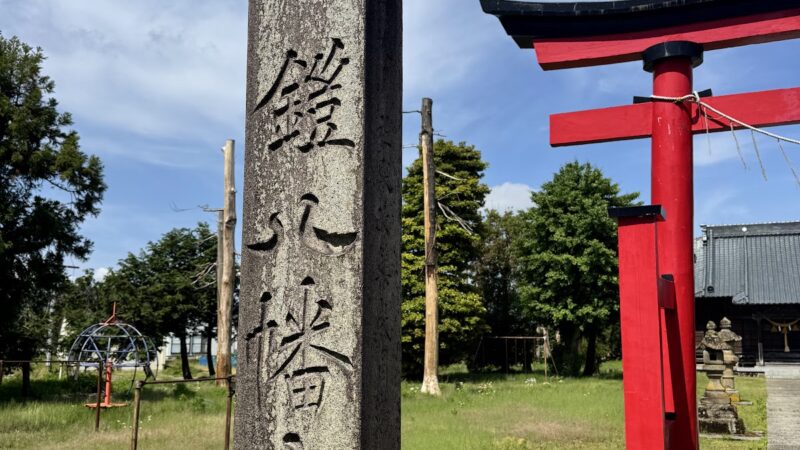
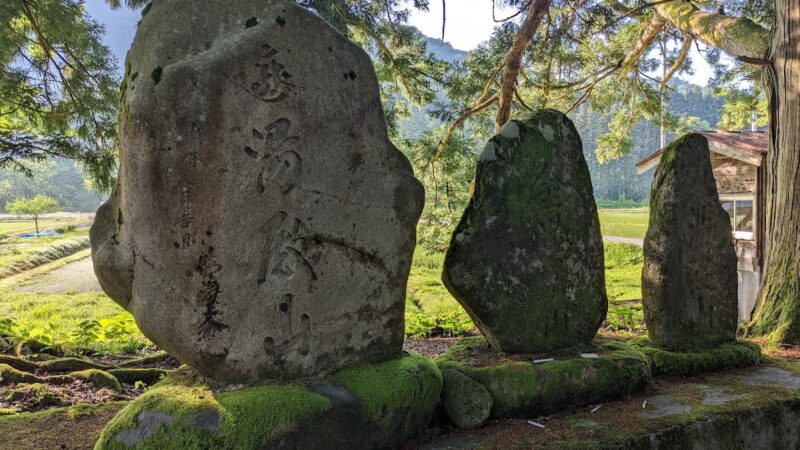
The name Tsukanomiya Hachimangu Shrine suggests that it is a Hachiman shrine built on top of a burial mound or mound, reflecting the historical importance of this region since ancient times. Within the shrine grounds, ancient sacred trees and stone monuments remain, allowing visitors to feel the weight of history.
Deities and Divine Virtues
Main Deity
The main deity of Tsukanomiya Hachimangu Shrine, like many Hachiman shrines, is Emperor Ōjin (Homudawake-no-Mikoto). Emperor Ōjin is considered the 15th Emperor and is widely worshipped as the god of military fortune and victory. Furthermore, Hachiman is also known as Hachiman Daibosatsu, a symbolic figure of the syncretism of Shinto and Buddhism.
Divine Virtues
The divine virtues of Hachiman Shrine are diverse:
- Long-lasting military fortune and success in competitions: Due to its nature as a god of war, it is believed to bring good fortune in all kinds of competitions, including sports, exams, and business.
- Protection from evil and disaster: As a guardian deity of the region, it is believed to have the power to protect people from various calamities.
- Family safety: As a god that protects the health and peace of families, many local families visit the shrine.
- Business prosperity: It is also worshipped as a guardian deity of the local economy.
- Child-rearing and safe childbirth: Since Empress Jingu, the mother of Emperor Ojin, is also enshrined here, blessings for safe childbirth and child-rearing can also be expected.
History and Origins of Tsukanomiya Hachiman Shrine
Origin of Founding
While the exact founding date of Tsukanomiya Hachiman Shrine is not clearly recorded, as with many ancient shrines, it is estimated to have a history of at least several hundred years based on local traditions and records in shrine registers.
In Niigata Prefecture, in 1883 (Meiji 16), a reorganization of detailed records of shrines and temples was ordered, recording the deities enshrined, history, and number of halls for each shrine. These records are available for viewing at the Niigata Prefectural Library and other locations, and are important resources for the historical research of shrines within the prefecture.
Connection to the Community
Tsukanomiya Hachimangu Shrine has been closely intertwined with the lives of local people as the guardian shrine of the village. In Niigata Prefecture, where agriculture is thriving, the shrine has functioned as a place for praying for a bountiful harvest, giving thanks for the harvest, and as a center of the local community.
Various festivals are held throughout the year, and the shrine is bustling with many worshippers during the New Year’s visit, spring festival, and autumn festival. It is especially cherished and protected by local parishioners, who use the shrine for cleaning and preparing for festivals, strengthening community bonds.
Highlights of the Shrine Grounds
Main Hall and Worship Hall
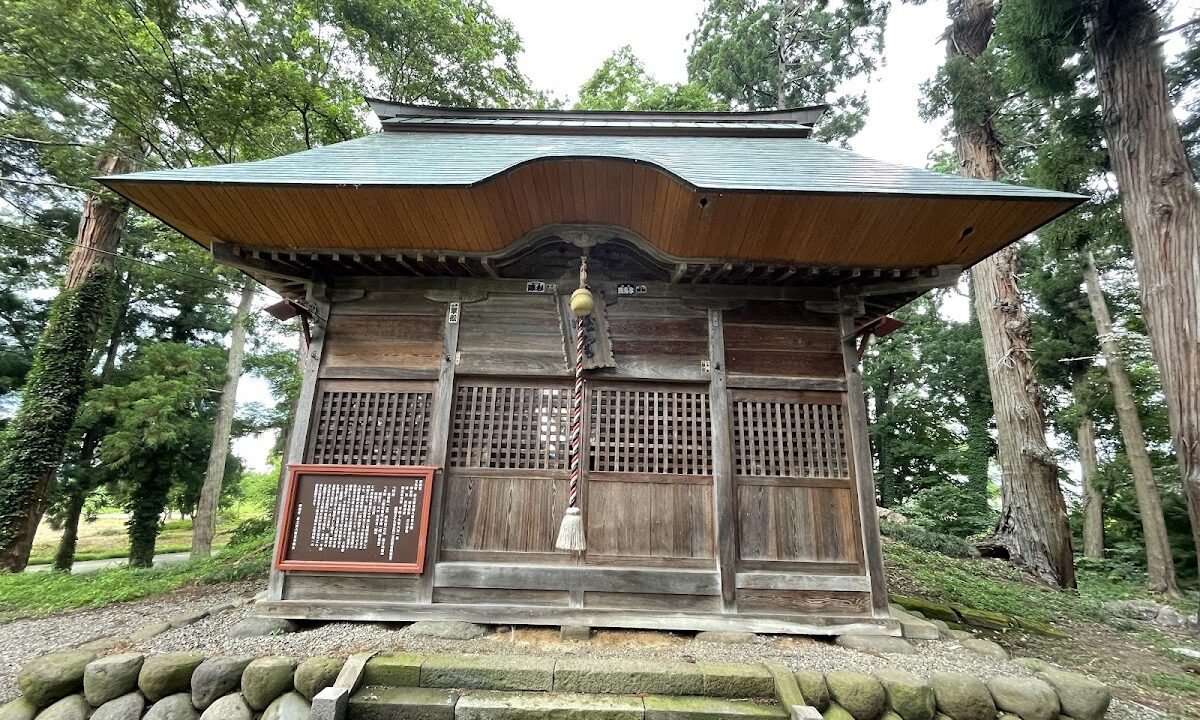
The main hall of Tsukanomiya Hachimangu Shrine is built in the traditional style of shrine architecture. Daily prayers are offered at the main hall, providing a tranquil atmosphere where one can calmly offer their prayers.
Sacred Trees and Nature
Sacred trees, some hundreds of years old, stand tall within the shrine grounds. While Hachiman Shrine in Niigata Prefecture is known for its three large cedar trees that remained standing even during the Great East Japan Earthquake, Tsukanomiya Hachiman Shrine also boasts magnificent trees that evoke a sense of history.
These sacred trees, as living witnesses to the shrine’s history and symbols of the sacredness of the precincts, inspire awe in worshippers. The ever-changing natural scenery of the shrine grounds provides healing and tranquility to visitors.
Stone Monuments and Memorials
Several stone monuments recording historical events and donations remain within the shrine grounds. These inscriptions offer insights into the local history and the relationship between the shrine and its people, making them fascinating resources for history enthusiasts.
Goshuin Information
About Goshuin
In recent years, collecting goshuin (temple/shrine stamps) has become a popular hobby, and is one of the joys of visiting shrines and temples. It is possible to receive a goshuin at Tsukanomiya Hachimangu Shrine.
At Hachimangu shrines in Niigata Prefecture, goshuin are given with the shrine’s name and crest stamped on them. Goshuin are not merely stamp rallies; they should be cherished as proof of worship and as a tangible record of one’s connection with the deities.
Manners When Receiving a Goshuin
When receiving a goshuin, please observe the following manners:
- Complete your worship first: Goshuin are proof of worship, so always complete your worship first before receiving one.
- Prepare a goshuin notebook: Prepare a dedicated goshuin notebook. Some people use separate notebooks for temples and shrines.
- Prepare a donation: Generally, around 300 to 500 yen. It’s thoughtful to prepare exact change so that no change is needed.
- Request politely: “May I receive a Goshuin (temple/shrine stamp)?”
- Don’t forget to express gratitude: After receiving it, say “Thank you.”
Regarding the issuance of Goshuin, the procedures may vary depending on the shrine. It is recommended to check by phone in advance.
Annual Events and Festivals
Main Annual Events
At Tsukanomiya Hachimangu Shrine, various Shinto rituals are performed throughout the year:
January
- Hatsumode: The shrine is bustling with worshippers who come to welcome the new year and pray for safety and well-being for their families throughout the year.
- Saitansai: A Shinto ritual held on New Year’s Day to celebrate the new year.
February
- Setsubunsai: Bean-throwing and other rituals are performed to pray for protection against evil.
Spring
- Spring Grand Festival: An important festival celebrating the arrival of spring and praying for a bountiful harvest.
Summer
- Natsukoshi no Oharae: A Shinto ritual to purify and cleanse away the impurities accumulated over the past six months.
Autumn
- Autumn Grand Festival: One of the most important festivals to give thanks for the harvest and offer offerings to the gods.
November
- Shichi-Go-San (7-5-3 Festival): A lively gathering of families celebrating their children’s growth.
December
- Year-End Grand Purification Ceremony: A Shinto ritual to cleanse away the impurities of the past year and welcome the new year with a fresh start.
Connection to Local Festivals
Hachiman shrines in Niigata Prefecture are deeply connected to local festivals. For example, at Sanjo Hachiman Shrine, the Sanjo Festival’s daimyo procession takes place on May 15th, known as a magnificent festival with the prestige of a 100,000 koku (unit of rice production) domain. In this way, Hachiman shrines serve as central figures in local culture, serving as the stage for festivals and events.
Basic Information
Location and Contact Information
When planning a visit to Tsukanomiya Hachiman Shrine, please refer to the following information. For more detailed information, please check the Niigata Prefectural Shrine Association (List of Shrines in the Prefecture).
Niigata Prefecture Shrine Association
- Location: Manages information on shrines in Niigata Prefecture
- Website: https://niigata-jinjacho.jp/
- List of shrines in the prefecture: https://niigata-jinjacho.jp/shrine_niigata/
Visiting Hours
While visiting shrines is generally free, there may be limited hours for receiving Goshuin (shrine stamps) or accepting prayer requests at the shrine office. Generally:
- Visiting Hours: From sunrise to sunset (some shrines are open 24 hours)
- Shrine Office Hours: Approximately 9:00 AM to 5:00 PM (varies by shrine)
Hours may be extended on special days such as New Year’s Day or annual festivals.
Admission Fee
Visiting shrines is generally free. However, a donation (tamagushi fee) is required in the following cases:
- Goshuin (temple/shrine stamp): Approximately 300-500 yen
- Omamori (amulets/talismans): Approximately 500-1,000 yen each
- Gokito (prayer/ritual): 5,000 yen and up (varies depending on the content of the prayer)
Access
Access by Public Transportation
Access to shrines within Niigata Prefecture varies depending on the area. The main modes of transportation are as follows:
Access by Train
- Use the JR Shin’etsu Main Line, Joetsu Shinkansen, etc., and walk, take a bus, or take a taxi from the nearest station.
- Niigata Station and Nagaoka Station are the main starting points.
Access by Bus
- Use local bus routes.
- Bus services may be limited, so it is necessary to check the timetable in advance.
Access by Car
Niigata Prefecture is a car-dependent society, and access by private car is convenient:
Expressways
- Use the Kan’etsu Expressway, Hokuriku Expressway, etc.
- Take local roads from the nearest interchange.
Parking
- Some shrines have dedicated parking lots.
- Temporary parking lots may be set up during busy periods such as New Year’s visits and annual festivals.
Points to Note When Accessing
- Snowfall in Winter: Niigata Prefecture is a heavy snowfall area, so caution is necessary regarding road conditions in winter. Studless tires are mandatory.
- Navigation: When using car navigation or smartphone map apps, please check for the latest information.
- Public Transportation Frequency: In rural areas, the number of trains and buses may be limited, so please check the timetable in advance.
Manners and Etiquette for Visiting Shrines
How to Pass Through a Torii Gate
The torii gate, which is the entrance to a shrine, is the boundary separating the sacred area from the secular world. When passing through the torii gate:
- Bow before the torii gate.
- Since the center of the torii gate is considered the path of the gods, pass through to either the left or right side.
- After passing through, show respect to the gods and proceed quietly.
How to purify yourself at the temizuya (water basin)
Purify your body and mind at the temizuya (water basin):
- Take the ladle with your right hand and purify your left hand.
- Switch the ladle to your left hand and purify your right hand.
- Switch the ladle back to your right hand, receive water in your left hand, and rinse your mouth (do not put your mouth directly on the ladle).
- Purify your left hand once more.
- Stand the ladle upright, purify the handle with the remaining water, and return it to its original position.
How to worship at the main hall
Worship using the general “two bows, two claps, one bow” method:
- Offering a donation: Place your donation quietly into the offering box.
- Ringing the bell: If there is a bell, ring it (this signifies inviting the gods).
- Two bows: Bow deeply twice.
- Two claps: Clap your hands twice at chest height.
- Praying: State your wish sincerely.
- One bow: Finally, bow deeply once.
Attire and behavior during worship
- Attire: There are no specific rules, but it is desirable to wear clean and understated clothing, as you are going to meet the gods.
- Behavior: Be quiet on the shrine grounds and refrain from speaking loudly or running around.
- Photography: Some areas prohibit photography, so check beforehand. Photography is often prohibited inside the main shrine building.
Nearby Tourist Attractions
Major Tourist Attractions in Niigata Prefecture
In addition to visiting Tsukanomiya Hachimangu Shrine, we recommend touring other tourist spots in Niigata Prefecture:
Echigo Ichinomiya Yahiko Shrine
- A representative shrine of Niigata Prefecture, it has been revered since ancient times as the Ichinomiya (first-ranked shrine) of Echigo Province.
- The Lantern Festival (Lantern Pushing) is famous as one of Japan’s three major lantern festivals.
- From the Yahiko Mountain Ropeway, you can enjoy spectacular views of the Sea of Japan and the Echigo Plain.
Echigo Hills National Park
- A vast park where you can enjoy flowers of all seasons.
- There are plenty of family-friendly activity plans, so you can enjoy yourself all day long.
Teradomari Fish Market Street (Fish Ameyoko)
- A market lined with fresh seafood from the Sea of Japan.
- A popular tourist spot where you can enjoy local gourmet food.
Niigata Prefecture’s Gourmet Food
Niigata Prefecture is famous as a rice-producing region, and boasts an abundance of delicious gourmet food:
- Niigata Rice: High-quality rice including Koshihikari
- Japanese Sake: Many nationally renowned sake breweries, allowing you to enjoy comparing local sakes
- Hegi Soba: A unique type of soba noodles using seaweed as a binder
- Tare Katsu Don: Niigata’s soul food
- Sasa Dango: A representative Japanese confection of Niigata
- Seafood from the Sea of Japan: Fresh seafood such as winter yellowtail, sweet shrimp, and blackthroat seaperch
Model Course
Day Trip Shrine Pilgrimage Course
- Morning: Visit Tsukanomiya Hachimangu Shrine
- Lunch: Enjoy local gourmet food
- Afternoon: Visit nearby shrines and tourist spots
- Evening: Relax in a hot spring
Family Fun 1-Night 2-Day Course
- Day 1: Visit Tsukanomiya Hachimangu Shrine → Experience program at Echigo Hills National Park → Check into accommodation
- Day 2: Visit Yahiko Shrine → Enjoy seafood gourmet food in Teradomari → Purchase souvenirs
A Tour of Hachiman Shrines in Niigata Prefecture
Major Hachiman Shrines in the Prefecture
There are several Hachiman shrines in Niigata Prefecture, each with its own unique characteristics:
Sanjo Hachiman Shrine
- Location: 14-21 Shimosakai, Sanjo City, Niigata Prefecture
- Features: Famous for the daimyo procession at the Sanjo Festival. Within the shrine grounds is the Kanayama Shrine, dedicated to the god of metalwork.
- The adjacent Hachiman Park is a place of relaxation for citizens.
Hachiman Shrines in Nagaoka City
- Affectionately known as “Hachiman-sama,” this is the guardian shrine of Ura.
- Famous for its three large cedar trees that remained standing even during the earthquake.
- The shrine’s seal bears the name and crest of Hachiman Shrine.
How to Enjoy Visiting Hachiman Shrines
By visiting multiple Hachiman Shrines, you can gain a deeper understanding of each shrine’s unique characteristics and its connection to the local community:
- Collecting Shrine Seals: Enjoy collecting shrine seals with different designs from each shrine.
- Historical Exploration: Learn about the history of each shrine and the local area.
- Comparing Architectural Styles: Observe the differences in architectural styles and decorations of the shrine buildings.
- Experiencing Local Culture: Experience local festivals and customs.
Shrine Visits and Contributing to the Community
The Ujiko System and Local Community
The Ujigami (guardian deity) is the god of the shrine that resides in the area where you live, protecting the area and its residents. Tsukanomiya Hachimangu Shrine, as a local Ujigami, fulfills the following roles:
- Building Community Bonds: A place where local residents gather through festivals and events.
- Passing Down Traditional Culture: A role in passing on local history and culture to future generations.
- A Place of Spiritual Support: A place of emotional support during life’s milestones and difficult times.
Maintaining and Supporting Shrines
The cooperation of local people is essential for maintaining shrines. Things you can do as a worshipper:
- Offering of First Offerings: The offerings received when receiving Goshuin (temple/shrine stamps) or amulets are an important source of funding for shrine operations.
- Participation in Cleaning Activities: Participating in local cleaning activities is also a form of contribution.
- Participation in Festivals: Participating in local festivals helps in the preservation of traditional culture.
- Donations: Donations for shrine repairs and events are also important forms of support.
About the Niigata Prefectural Shrine Association
Role of the Shrine Association
The Niigata Prefectural Shrine Association is the organization that oversees shrines within the prefecture:
- Shrine Management: Information management of shrines belonging to the association within the prefecture.
- Training of Shinto Priests: Education and training of Shinto priests.
- Guidance on Rituals: Guidance on the proper execution of rituals.
- Information Provision: Providing information on shrines within the prefecture to the public.
How to Research Shrines
If you want to research shrines within the prefecture:
- Niigata Prefectural Shrine Association Website: Check basic information in the list of shrines within the prefecture.
- Niigata Prefectural Library: Historical materials such as shrine registers are available for viewing.
- Local Libraries and Local History Museums: Detailed information about local shrines can be obtained.
Etiquette and Spirituality of Worship
Basic Concepts of Shinto
To make your shrine visit more meaningful, it is good to understand the basic concepts of Shinto:
- Emphasis on Purity: It is important to purify the mind and body.
- A Heart of Gratitude: A feeling of gratitude for daily blessings is fundamental.
- Harmony with Nature: A spirit of respecting and coexisting with nature.
- Ancestor Worship: A heart that cherishes ancestors and local history.
Etiquette for Making Wishes
There are etiquette rules for making wishes at shrines:
- Begin with Gratitude: First, express gratitude for daily blessings.
- Self-Introduction: Mentally state your address and name.
- Specific Wishes: State specific wishes, not abstract ones.
- A Vow of Effort: I vow to make an effort to fulfill my wish.
- A Second Expression of Gratitude: I express my gratitude once more.
The Significance of Regular Visits
There is great significance in visiting a shrine regularly, not just once:
- Peace of Mind: Regularly visiting a shrine brings peace of mind.
- Connection with the Community: You can deepen your relationship with the local shrine.
- Experiencing the Changing Seasons: You can enjoy the changes in the shrine grounds throughout the seasons.
- Continuing Your Wish: You can continuously confirm your wish and reflect on your personal growth.
Events and Special Days
The Situation of New Year’s Visits
New Year’s visits are the busiest time for shrines:
- Crowded Period: It is especially crowded from midnight on December 31st to January 3rd.
- Necessary Preparations: Warm clothing, small change, and a flexible schedule.
- Parking: Temporary parking may be available, but consider using public transportation.
Shichi-Go-San Season
November sees many families visiting for Shichi-Go-San:
- Reservation Required: Advance reservations are recommended if you wish to have prayers performed.
- Photography: The shrine grounds are bustling with many families taking commemorative photos.
- Crowd Situation: Weekends are especially crowded, so consider visiting on weekdays.
Summary
Tsukanomiya Hachimangu Shrine is an important shrine that conveys the rich history and culture of Niigata Prefecture. Affectionately known as “Hachiman-sama” by the local people, it has long been revered as the guardian deity of the region.
When visiting, it is important to observe basic manners and approach the deity with gratitude. While collecting Goshuin (shrine stamps) and sightseeing are enjoyable, a deeper experience will be achieved if you can feel the spirituality of the shrine and its connection to the community.
Besides Tsukanomiya Hachimangu Shrine, Niigata Prefecture has many other attractive shrines, such as Yahiko Shrine and Sanjo Hachimangu Shrine. A trip exploring Niigata’s history, culture, and cuisine while visiting various shrines is sure to create lasting memories.
Please visit Tsukanomiya Hachimangu Shrine, where you can experience the ever-changing beauty of the shrine grounds throughout the seasons, the warmth of the local people, and the divine blessings of the gods. We hope your visit will bring you peace of mind and renewed energy.
Contact Information
For detailed information regarding visits and prayers at Tsukanomiya Hachimangu Shrine, please contact the shrine directly or inquire with the Niigata Prefectural Shrine Association.
Niigata Prefectural Shrine Association
- Website: https://niigata-jinjacho.jp/
- List of Shrines in Niigata Prefecture: https://niigata-jinjacho.jp/shrine_niigata/
Before visiting, we recommend checking the latest information, especially during winter, to confirm road conditions and the shrine’s status in advance.
We sincerely pray that your visit will be a fulfilling and enriching one.