Complete Guide to Watatsu Shrine (Niigata Prefecture) | History, Goshuin (Shrine Seal), and Access Information for Sado’s Ichinomiya
Watatsu Shrine, located in Hamochi Iioka, Sado City, Niigata Prefecture, is a venerable shrine that has been revered by the islanders since ancient times as the Ichinomiya (first-ranked shrine) of Sado Province. It is a Shikinaisha (a shrine listed in the Engishiki Jinmyocho, a historical record of shrines) and continues to attract many worshippers as a guardian deity of safe land and sea travel. This article provides detailed information you should know before visiting, including the history of Watatsu Shrine, its enshrined deities, highlights of the grounds, goshuin information, and access methods.
What is Watatsu Shrine? | The Status of Sado’s Ichinomiya
Watatsu Shrine is one of the three “Ichinomiya” in Niigata Prefecture and is positioned as the highest-ranking shrine in Sado Province. An Ichinomiya is the shrine with the highest rank in a province (under the old provincial name), and Watatsu Shrine has been revered for over a thousand years as the spiritual pillar of Sado Island.
Currently designated as a special shrine by the Association of Shinto Shrines, it boasts the former rank of a national shrine of the lowest rank. The Engishiki Jinmyocho (compiled in 927) lists nine shrines in Sado Province, and Wataritsu Shrine is listed first, referred to as “the first shrine in Sado.”
Nestled beside the clear waters of the Hamochi River, its tranquil environment embraced by mountains creates a sacred atmosphere truly befitting a first-rank shrine.
Deity and Divine Virtues | Guardian Deity of Navigation: Itakeru-no-Mikoto
Main Deity: Itakeru-no-Mikoto
The main deity of Wataritsu Shrine is Itakeru-no-Mikoto. Itakeru-no-Mikoto is a god appearing in Japanese mythology, considered a child of Susanoo-no-Mikoto. According to the Nihon Shoki (Chronicles of Japan), there is a legend that Isotakeru-no-Mikoto traveled to the Korean Peninsula with his father and brought back many tree seeds to Japan, planting them throughout the land.
For this reason, Isotakeru-no-Mikoto is worshipped as a god of forestry and agriculture, but at Watari Shrine, he has been particularly revered as a god of navigation and a guardian deity of maritime traffic. Because Sado Island has been a vital hub for maritime traffic since ancient times, and because many of the islanders were engaged in fishing and shipping, the belief in praying for safe voyages and maritime safety remains deeply rooted.
Divine Virtues
The main divine virtues believed to be attainable at Wataritsu Shrine are as follows:
- Safe Navigation and Traffic Safety: Protection of land and sea transportation
- Maritime Safety and Prosperity of Fisheries: Guardian deity of fishermen and shipping operators
- Industrial Development: Prosperity of forestry, agriculture, and commerce
- Family Safety: Health and peace of mind for the family
- Protection from Misfortune and Bringing Good Fortune: Warding off disasters and inviting good fortune
Even today, many people involved in transportation, such as ship operators and drivers, visit the shrine to pray for safety, and many worshippers from both within and outside Sado Island visit as well.
History and Origins of Wataritsu Shrine
History of Founding
The exact founding date of Wataritsu Shrine is unclear, but its inclusion in the Engishiki Jinmyocho (927 AD) indicates that it already held considerable status in the early Heian period. According to shrine tradition, its founding may be even older, possibly dating back to before the Nara period.
In ancient times, Sado Island played a crucial role as a transit point for trade with the continent and for maritime traffic with the Hokuriku region. It is believed that the Watari Shrine was founded as a place to pray for the safety of such maritime traffic.
Changes in the Shrine’s Location and the History of Floods
An essential aspect of understanding the history of Watari Shrine is the changes in its location. According to legend, Watari Shrine was once located downstream from its current location, near the mouth of the Hamochi River. However, repeated floods caused damage to the shrine buildings, leading to its relocation to its current site.
The Hamochi River is one of the main rivers flowing through southern Sado Island. While boasting abundant water, it was also prone to flooding during heavy rains. To protect the shrine, it was moved to its current, safer location (approximately 3 km upstream from the Hamochi River mouth). Since then, it has been spared from flood damage, and the sacred grounds have been preserved to this day.
Development Since the Modern Era
During the Meiji era’s shrine ranking system, Wataru Shrine was ranked as a National Shrine of the Lower Rank, becoming a shrine that received national reverence. Although the shrine ranking system was abolished after World War II, it remains one of the most important shrines representing Niigata Prefecture, as a Special Shrine of the Association of Shinto Shrines.
Within Sado Island, it is affectionately known as “Ichinomiya-sama” and is deeply rooted in the lives of the islanders, playing a central role in local festivals and life-cycle rituals.
Highlights of the Shrine Grounds
Imosebashi Bridge
The first thing visitors to Wataru Shrine will see is the Imosebashi Bridge, with its beautiful vermilion railings, spanning the Hamochi River. This bridge serves as an entrance to the sacred area, symbolizing the connection between the secular world and the sacred realm.
The bridge’s name, “Imose,” is an archaic word meaning husband and wife, and is considered a symbol of matchmaking. The scenery created by the vermilion railings, the clear stream, and the surrounding greenery displays beautiful expressions in each season, making it a popular spot for photography. ### Approach to the Shrine and Torii Gate
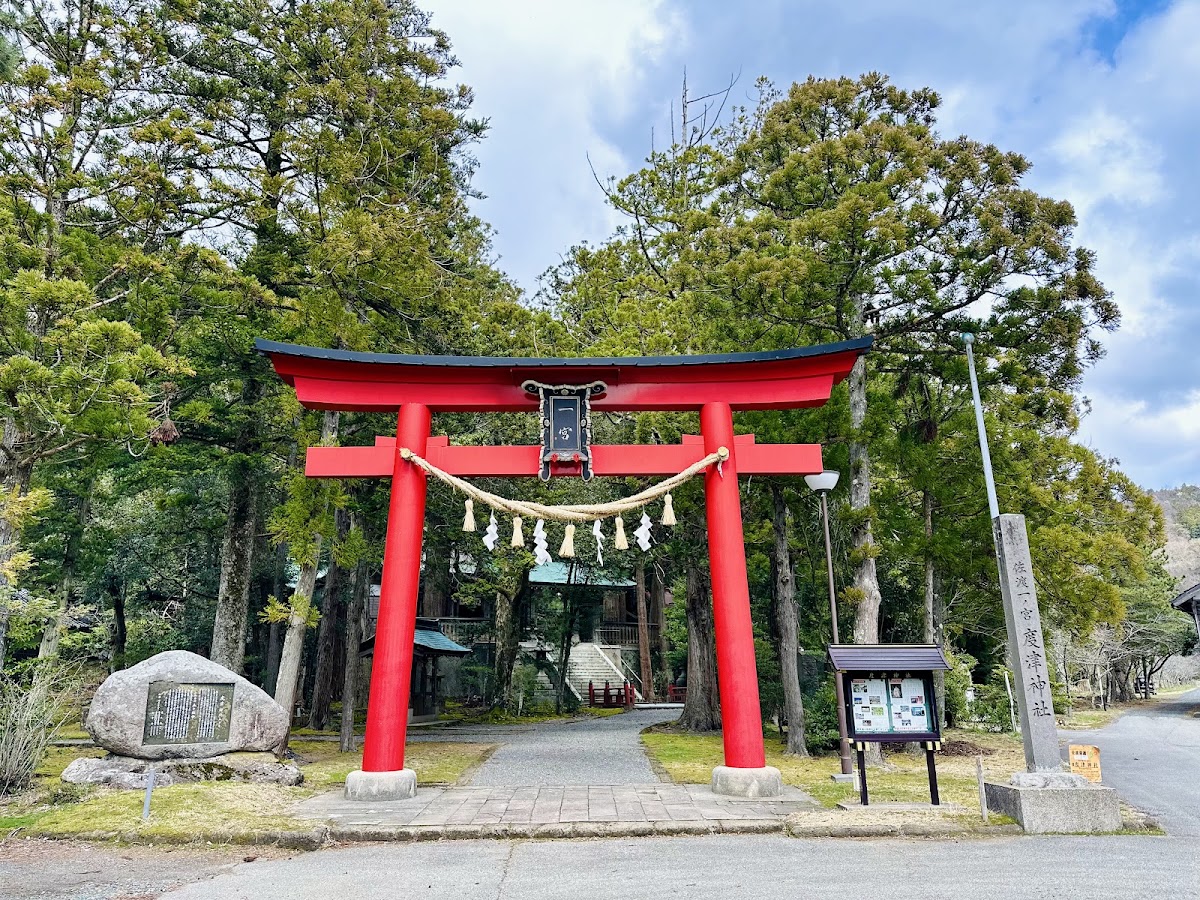
Crossing the Imose Bridge, the first torii gate welcomes visitors. The approach leading from there is surrounded by quiet cedar trees, creating a sacred atmosphere. Passing through the second torii gate and climbing the stone steps, the main hall eventually comes into view.
As you walk along the approach, the rustling of the trees, the chirping of birds, and the gentle murmur of the Hamochi River give you a sense of purification. It is recommended to walk slowly, enjoying the natural surroundings, rather than rushing.
Shrine Buildings
The current shrine buildings inherit the style of traditional shrine architecture while being adapted to the climate and environment of Sado. Both the worship hall and the main hall give an impression of simplicity and sturdiness, with the beauty of the structure being more prominent than the ornamentation.
The main hall is built with the mountain as its backdrop, and its placement, integrated with nature, speaks to its status as a first-rank shrine. The entire shrine grounds are nestled in the mountains, creating a landscape that is described as “befitting the first-ranked shrine in Sado.” ### Subsidiary Shrines and Auxiliary Shrines
Several subsidiary shrines and auxiliary shrines are enshrined around the main shrine. Each is connected to local beliefs and history, and visiting them together with the main shrine allows for a deeper understanding of the faith of Watari Shrine.
Annual Events and Festivals
Spring Festival (April 23rd)
The most important festival at Watari Shrine is the Spring Festival, held annually on April 23rd. This festival features ancient Shinto rituals and showcases local traditional culture.
Particularly famous is the Yabusame (mounted archery) performance by children. The magnificent sight of them shooting at targets from galloping horses captivates viewers and has become a spring tradition in Sado. This Yabusame is a valuable event that preserves the traditions of samurai culture and is cherished as a source of local pride.
On the day of the annual festival, many worshippers from both within and outside the island visit, making the shrine grounds very lively. Stalls line the streets, further enhancing the festive atmosphere.
Other Annual Events
- New Year’s Day Festival (January 1st): A festival celebrating the New Year
- Setsubun Festival (around February 3rd): A ritual to ward off evil spirits, including bean-throwing
- Summer Purification Ceremony (June 30th): A Shinto ritual to purify oneself of sins and impurities accumulated over the past six months
- Autumn Annual Festival (October): A festival to express gratitude for the harvest
- Year-End Purification Ceremony (December 31st): A Shinto ritual to purify oneself of sins and impurities accumulated over the past year
These events also serve as opportunities to deepen the bonds of the local community and have become established as indispensable annual events for the islanders.
Goshuin (Shrine Seal) Information
Wataru Shrine offers Goshuin as proof of worship. The Goshuin (temple/shrine stamp) features the calligraphy and red seal of “Sado Province’s Ichinomiya, Watari Shrine,” creating a simple yet dignified design.
Goshuin Reception
- Reception Location: Shrine Office
- Reception Hours: Approximately 9:00 AM to 4:00 PM (approximate)
- Donation Fee: Approximately 300-500 yen (subject to change)
*Please note that the shrine office may be unattended. If you wish to receive a Goshuin, it is recommended to call ahead to confirm.
Original Goshuin Notebook
Watari Shrine also offers original Goshuin notebooks (subject to availability). Featuring designs inspired by Sado’s nature and the shrine’s history, they are popular as souvenirs of your visit.
Basic Information and Access
Basic Information
- Official Name: Watatsu Shrine
- Location: 550-4 Hamochi Iioka, Sado City, Niigata Prefecture
- Phone Number: 0259-88-2030 (Shrine Office)
- Visiting Hours: Grounds are freely accessible (Shrine office is open from approximately 9:00 to 16:00)
- Admission Fee: Free
- Parking: Available (Free, approximately 20 spaces)
- Official Website: None (Information can be confirmed at the Sado City Tourism Association, etc.)
Access Method
Access to Sado Island
To reach Sado Island, take a car ferry or jetfoil from Niigata Port or Naoetsu Port.
From Niigata Port
- Car Ferry: Approximately 2 hours 30 minutes
- Jetfoil: Approximately 1 hour
- Arrival Port: Ryotsu Port
From Naoetsu Port
- Car Ferry: Approximately 2 hours 40 minutes
- Arrival Port: Ogi Port
Access within the Island
From Ryotsu Port
- Car: Approximately 50 minutes (approximately 40 km) via National Route 350 and Prefectural Route 65
- Bus: Take the South Line bus and get off at “Hamo Hongō,” then walk for approximately 15 minutes.
From Ogi Port
- Car: Approximately 20 minutes (approximately 15 km) via Prefectural Route 45 and Prefectural Route 65
- Bus: Take the Ogi Line bus and get off at “Hamo Hongō,” then walk for approximately 15 minutes.
From Sado Airport
- By Car: Approximately 30 minutes (approx. 25 km) via Prefectural Road 65
*Public transportation on Sado Island is limited, so renting a car or taking a taxi is recommended.
Parking
Wataru Shrine has a free parking lot for visitors. There is space for approximately 20 regular cars, which is usually ample. However, congestion is expected during major festivals such as the Spring Festival, so early arrival is recommended.
Nearby Tourist Attractions
When visiting Wataru Shrine, exploring the surrounding tourist attractions will allow you to experience the charm of Sado Island more deeply.
Nashinoki Jizo
Located about 10 minutes by car from Wataru Shrine, Nashinoki Jizo is a power spot where you can feel the traditional culture of Sado. It has long been a place of worship for the local community, and many people visit it along with Wataru Shrine.
Sado Gold Mine Ruins
Sado Gold Mine, a representative tourist attraction on Sado Island, is located about 40 minutes by car from Wataru Shrine. This historical site, which flourished as Japan’s largest gold mine from the Edo period to modern times, offers opportunities to learn about Sado’s history through mine tunnel tours and museum exhibits.
Tub Boat Experience (Ogi Port)
Around Ogi Port, you can experience Sado’s famous tub boat ride. This unique boat ride across the sea is a popular activity unique to Sado. It’s about a 20-minute drive from Dotsu Shrine.
Shukunegi Village
Designated as a National Important Preservation District for Groups of Traditional Buildings, Shukunegi Village is a beautiful settlement that retains the atmosphere of a port town that prospered from shipping during the Edo period. It’s about a 25-minute drive from Dotsu Shrine.
Recommended Accommodations
There are various accommodation options on Sado Island, including hot spring inns, guesthouses, and hotels.
Hamochi Onsen
Hamochi Onsen is the closest hot spring resort to Dotsu Shrine. Accommodations offering local cuisine and hot springs are scattered throughout the area, making it ideal for travel plans combining shrine visits and hot springs.
Accommodations in the Ryotsu and Aikawa Area
Large hotels and inns are concentrated around Ryotsu Port, the gateway to Sado Island, and in the Aikawa district, famous for its gold mines. These are convenient bases for sightseeing on the island.
Minshuku and Guesthouses
Sado Island also has many minshuku and guesthouses where you can enjoy interacting with the islanders. Enjoy home-style cooking using fresh seafood and unique local hospitality.
Manners and Precautions for Visiting a Shrine
Etiquette for Visiting a Shrine
- Bow before passing through the torii gate: This is a sign of respect before entering the sacred area.
- Walk along the edge of the path: The center is considered the path of the gods.
- Purify yourself at the water basin: Left hand → Right hand → Mouth → Left hand
- Worship at the main hall: Two bows, two claps, and one bow is the basic form.
Photography
Photography is generally permitted within the shrine grounds, but may be restricted inside the main hall or during religious ceremonies. Please check with the shrine office if you have any questions.
Attire
There are no specific dress code requirements, but it is desirable to wear appropriate attire that reflects the sacred nature of the shrine. Formal attire is especially recommended when attending formal religious ceremonies such as annual festivals.
Sado Island Sightseeing and Visit to Dotsu Shrine Plan
Day Trip Model Course
Departing from/Arriving at Ryotsu Port
- 9:00 Arrive at Ryotsu Port (using the jetfoil)
- 10:00 Visit Sado Gold Mine
- 12:00 Lunch in Aikawa area (seafood gourmet)
- 14:00 Visit Dotsu Shrine
- 15:30 Stroll through Shukunegi Village
- 17:00 Transfer to Ryotsu Port
- 18:00 Depart from Ryotsu Port
1-Night, 2-Day Model Course
Day 1
- Morning: Arrive at Ryotsu Port, visit Toki no Mori Park
- Afternoon: Sado Gold Mine, sightseeing in Aikawa area
- Evening: Overnight stay at Hamochi Onsen
Day 2
- Morning: Visit Dotsu Shrine, Nashinoki Jizo
- Afternoon: Tub boat experience at Ogi Port, Shukunegi Village
- Evening: Return journey from Ryotsu Port
Experiencing Sado’s Spiritual Culture at Dotsu Shrine
Dotsu Shrine is not merely a tourist spot; it is a sacred place with a history spanning over a thousand years, serving as a spiritual pillar for the people of Sado Island. Geographically situated on an island surrounded by the sea, this shrine encapsulates the history of faith of people who prayed for safe voyages, expressed gratitude for nature’s blessings, and deepened their community bonds.
Standing in the tranquil grounds, listening to the murmur of the Hamochi River and the rustling of the trees, you can feel the spirit of prayer passed down through generations. Away from the hustle and bustle of modern life, a quiet visit to the shrine will surely bring new vitality and insight.
When visiting Sado Island, be sure to visit Dotsu Shrine and experience the solemn atmosphere of Sado’s Ichinomiya (first-ranked shrine) and the island’s history and culture. It is a special shrine well worth the journey across the sea.
Summary
Wataru Shrine, located in Sado City, Niigata Prefecture, is the Ichinomiya (first-ranked shrine) of Sado Province and a historically significant shrine listed in the Engishiki Jinmyocho (a list of shrines compiled in the Heian period). It enshrines Isotakeru-no-Mikoto, the guardian deity of navigation, and has been revered by the islanders for over a thousand years.
The shrine grounds, with their vermilion Imose Bridge, tranquil approach, and shrine buildings nestled in the mountains, create a beautiful space harmoniously blended with Sado’s natural environment. Every year on April 23rd, the spring festival features a magnificent Yabusame (mounted archery) performance by children, attracting many visitors.
Access to Sado Island is via ferry from Niigata Port or Naoetsu Port; within the island, travel by car is convenient. The surrounding area boasts numerous attractive tourist spots, including the Sado Gold Mine, the Shukunegi settlement, and opportunities for traditional tub boat rides, making a Sado tour including Wataru Shrine highly recommended.
Goshuin (shrine stamps) are also available and are popular souvenirs for visitors. When you visit Sado Island, be sure to visit the Ichinomiya (first-ranked shrine) of Sado Province, Watari Shrine, and experience the island’s history and the spirit of faith.