Complete Guide to Yudono-san Shrine | How to Visit, Access, and Everything About the Dewa Sanzan Pilgrimage
Yudono-san Shrine, located in Tsuruoka City, Yamagata Prefecture, is one of Japan’s most sacred sites, forming part of the Dewa Sanzan (Gassan, Hagurosan, and Yudono-san). Protected by the strict commandments of “Do not speak” and “Do not listen,” this sacred place remains shrouded in mystery and has attracted many worshippers since ancient times as a training ground for Shugendo practitioners and a place of rebirth.
This article comprehensively introduces everything you need to know before visiting Yudono-san Shrine, including its history, how to visit, access information, and the allure of the Dewa Sanzan pilgrimage.
What is Yudono-san Shrine?
Position as the Inner Sanctuary of Dewa Sanzan
Yudono-san Shrine holds a special position within the Dewa Sanzan. In the Dewa Sanzan faith, Mount Haguro is said to represent the “present” of worldly benefits, Mount Gassan the “past” of the afterlife, and Mount Yudono the “future” symbolizing rebirth.
Located on a gentle ridge on the southwestern slope of Mount Gassan, at an altitude of 1,500 meters, Mount Yudono is considered the most sacred of the three mountains and has been revered as the “inner sanctuary.” During the Edo period, it was referred to as “the pilgrimage to Ise in the west, and the pilgrimage to the inner sanctuary in the east,” and many pilgrims visited it as the final destination of their Dewa Sanzan pilgrimage.
The Mystery of a Shrine Without a Main Hall
The most distinctive feature of Yudono-san Shrine’s main sanctuary is the absence of a main hall or shrine building. This is extremely unusual in Japanese shrine architecture and is a valuable example that conveys an ancient form of nature worship.
The sacred object is the massive, reddish-brown sacred rock from which hot springs gush forth. The sight of hot springs gushing from this giant rock is truly mystical, evoking the life force of the earth. The complete elimination of artificial objects and the worship of nature itself as divine stems from the belief that Yudono-san was a “place of rebirth” and a “universe.”
The Admonition of “Speak Not, Listen Not”
An essential point when discussing Yudono-san Shrine is the strict admonition of “Speak Not, Listen Not.” This admonition represents an ancient rule that one must not speak of experiences at Yudono-san or the details of the sacred object.
This secrecy is not merely an attempt to create a sense of mystique. It is based on the idea that the experience of visiting Yudono-san is a personal spiritual experience that cannot be expressed in words, and that verbalizing it would diminish its essence. The strict prohibition against photographing the sacred object is also an extension of this philosophy.
Matsuo Basho, when visiting Yudono-san in “The Narrow Road to the Deep North,” composed the haiku, “My sleeves are wet with emotion at Yudono, which cannot be spoken of,” expressing his frustration at being unable to directly express his feelings.
History and Beliefs of Yudono-san Shrine
Development as a Sacred Site of Shugendo
Yudono-san has a long history, said to have been founded in 588 AD (the first year of Emperor Sushun’s reign) by Prince Hachiko, son of the 32nd Emperor Sushun. By the Heian period, it was already established as a sacred site of Shugendo and flourished as the center of the Haguro school of Shugendo.
Shugendo practitioners viewed Yudono-san as a place for “womb-passing,” aiming to experience death and rebirth through training there, and to be reborn as a new self. Training in the harsh natural environment challenged physical and mental limits, and it was believed that overcoming these challenges would lead to enlightenment.
Prosperity in the Edo Period
During the Edo period, pilgrimages to the Dewa Sanzan mountains became extremely popular among common people. Many pilgrims came from the Tohoku and Kanto regions, and pilgrimage organizations called “ko” were formed in various locations.
At that time, pilgrims, clad in white robes, would undertake a pilgrimage to the three mountains that lasted several weeks to several months. Visiting the main shrine of Yudono-san Shrine was the final stage of this pilgrimage and was considered the most sacred ritual. Pilgrims believed that by touching the sacred object barefoot and immersing their feet in the hot spring water, they would be cleansed of sins and impurities and receive new life.
Changes After the Meiji Era
The Meiji-era decree separating Shinto and Buddhism forced significant changes upon the Dewa Sanzan mountains. Shugendo, which had previously combined Shinto and Buddhism, was dismantled, and Yudono-san Shrine was reorganized as a Shinto shrine.
However, the essential form of worship at the main shrine of Yudono-san Shrine remained unchanged, and it still retains strong Shugendo elements. Many pilgrims continued to visit after the war, and in 2006, it was designated a Japan Heritage site as “Dewa Sanzan: Mountains Where Gods Reside – A Journey of Rebirth.”
How to Visit and Etiquette
Opening Period and Visiting Hours
Yudonosan Shrine Honmiya is a mountain shrine that is closed during the winter. The opening period is from June 1st to November 3rd each year, and visits are only possible during this period. Opening hours are from 8:30 AM to 4:30 PM, but these may change depending on the weather.
During winter, roads are closed due to snow, making access impossible. When planning a visit, please be sure to confirm that it is within the opening period.
Flow of Visiting
Visiting Yudonosan Shrine Honmiya is significantly different from visiting a typical shrine. The following explains the specific flow of visiting.
1. Registration at the Pilgrim’s Lodge
Walk from the parking lot to the Pilgrim’s Lodge and first pay the visitation fee at the reception. The visitation fee is 500 yen for adults.
2. Receiving Purification
Before visiting, you will receive purification from a Shinto priest. This is an important ritual to purify oneself of worldly impurities and prepare to enter the sacred area.
3. Remove Your Shoes
Yudonosan Shrine’s main sanctuary is “no shoes allowed.” Remove your shoes and socks and go barefoot. This is a ritual to directly feel the life force of the earth and become one with the deity.
4. Worship the Deity
Descend the stone steps barefoot and head towards the massive sacred rock that is the deity. Hot spring water gushes from the deity, and you worship while immersing your feet in the water. While it is forbidden to describe this experience in words, it is a moment that deeply moves many worshippers.
Precautions During Your Visit
- No Photography: Photography is strictly prohibited not only of the deity but also within the sacred area beyond the pilgrimage lodging.
- Attire: Since you will be barefoot, it is recommended to wear shoes that are easy to remove. Also, the area around the sacred object is wet, so it is advisable to wear clothing that can get wet.
- Winter Equipment: Even during the mountain opening season, temperatures can be low due to the mountainous location. Especially in June and October, please bring warm clothing.
- Physical Fitness: There is a walk from the parking lot to the sacred object, and there are stone steps to climb and descend, so a certain level of physical fitness is required.
Access to Yudono-san Shrine
Access by Car
Access to Yudono-san Shrine Main Sanctuary is generally by private car or taxi.
From Tsuruoka City
- Approximately 1 hour 30 minutes via National Route 112
- Approximately 70 km from Tsuruoka IC
From Yamagata City
- Approximately 1 hour 30 minutes via National Route 112
- Approximately 40 minutes from Gassan IC on the Yamagata Expressway
There is a free parking lot at Yudono-san Shrine Main Sanctuary with space for approximately 100 cars. However, it can get crowded on weekends and during festivals, so we recommend arriving early.
Access by Public Transportation
Access by public transportation is via bus.
Route Bus
- Take the Shonai Kotsu bus bound for “Yudonosan” from JR Tsuruoka Station (operates only during the mountain opening season)
- Travel time: Approximately 2 hours
- As the number of buses is limited, please check the timetable in advance.
Shuttle Bus
During the mountain opening season, shuttle buses may also operate from Hagurosan and Gassan. These buses are convenient for those making a pilgrimage to the Dewa Sanzan mountains.
Dewa Sanzan Pilgrimage Route
The traditional Dewa Sanzan pilgrimage involves visiting Hagurosan → Gassan → Yudonosan in that order.
Route from Mt. Haguro via Mt. Gassan
- A route descending from the 8th station of Mt. Haguro, via the summit of Mt. Gassan, to Mt. Yudono
- Estimated time: Approximately 7-8 hours (suitable for experienced climbers)
- A typical itinerary is a 2-day, 1-night trip including an overnight stay at a mountain hut.
Three Mountain Pilgrimage by Car
- A route traveling by car from Mt. Haguro to the 8th station of Mt. Gassan and Mt. Yudono
- While it’s possible to visit all three mountains in one day, a 2-day, 1-night trip is recommended if you want to take your time visiting each location.
Highlights and Surrounding Facilities of Yudono Shrine
Yudono Rest House
At the Yudono Rest House, located near the parking lot, you can enjoy dishes made with local ingredients. Mountain vegetable dishes and local cuisine are popular, making it ideal for meals and breaks before or after your visit.
You can also purchase Yudono Shrine amulets, talismans, and local specialties at the souvenir shop.
Dainichibo and Shimenji Temples
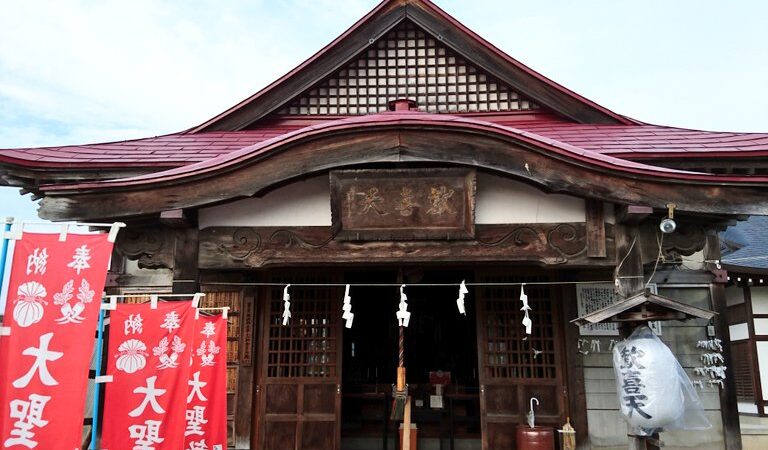
Dainichibo and Shimenji Temples are temples associated with the Yudono-san faith. Both temples house mummified monks (Sokushinbutsu), preserving the history of Shugendo (mountain asceticism) on Yudono-san.
Sokushinbutsu are Shugendo practitioners who attained Buddhahood while still alive after rigorous training, representing a valuable cultural heritage that speaks to the depth of faith in the Dewa Sanzan mountains.
Former Endo Residence (Multi-story House)
Around Yudono-san, several historic houses remain that have welcomed pilgrims to the mountain. The Former Endo Residence, with its distinctive multi-story structure, is a valuable building that offers insights into the lifestyle of the time.
Nanakamado-tei Soba Restaurant
This restaurant serves soba noodles made with the pure water of Yudono-san. A guesthouse is also attached, allowing guests to stay before or after visiting Yudono-san. Local mountain vegetables and river fish dishes are also offered, allowing guests to enjoy the flavors of Shonai.
Satonomiya Yudono-san Shrine
Beside the main shrine, Yudono-san Shrine has a smaller shrine called “Satonomiya” (village shrine) located in Yamagata City.
History of Satonomiya
Satonomiya Yudono-san Shrine was founded in 1876 (Meiji 9) as the guardian deity of the Yamagata Prefectural Government. Because the main Yudono-san Shrine is closed during the winter, it serves as a place of worship that can be visited year-round and plays an important role as a center of faith for the people of Yamagata Prefecture.
Prayer for Safe Childbirth and the Wishing Cow
Satonomiya is particularly known for prayers for safe childbirth, and many pregnant women and their families visit. Within the shrine grounds is a statue of a cow called the “Wishing Cow,” and it is believed that stroking it while making a wish will grant that wish.
Access and Visiting Information
Location: 3-4-6 Hatagomachi, Yamagata City, Yamagata Prefecture
Access: Approximately 15 minutes on foot from JR Yamagata Station
Visiting Hours: Open year-round (Shrine office open from 9:00 AM to 5:00 PM)
Prayers and Goshuin (shrine stamps) are also available, allowing those unable to visit the main shrine to receive the divine blessings of Yudono-san.
Annual Events at Yudono-san Shrine
Opening Ceremony (June 1st)
The Opening Ceremony, held annually on June 1st, is an important event marking the start of the visiting season at the main shrine of Yudono-san Shrine. Shinto priests, ascetics, and local officials attend to pray for safety throughout the year.
Grand Festival (August 13th)
The Grand Festival, the most important festival of Yudono-san Shrine, is held on August 13th. Many worshippers visit, and Kagura (sacred dance) performances and Shinto rituals take place. ### Closing Ceremony (November 3rd)
The closing ceremony, marking the end of the pilgrimage season, is held on November 3rd. After this day, the main shrine of Yudono-san Shrine will be closed until June of the following year.
Dewa Sanzan and Japan Heritage
Value as a “Journey of Rebirth”
In 2016, Dewa Sanzan was designated a Japan Heritage site as “A ‘Journey of Rebirth’ Where Nature and Faith Thrive – Dewa Sanzan Beginning with 2,446 Stone Steps Surrounded by Cedar Trees Over 300 Years Old.”
This designation demonstrates that Dewa Sanzan is not merely a tourist destination, but possesses high value as a cultural landscape embodying the Japanese spirit and view of nature.
Significance in the Modern Age
In modern society, visiting Yudono-san Shrine has become a valuable opportunity to step away from daily life and confront oneself. Spending time away from digital devices and confronting the tranquility of nature brings a reset to both mind and body.
The concept of “rebirth,” in a modern interpretation, means self-transformation and a fresh start in life. Experiences at Yudono-san have brought new insights and turning points in the lives of many.
Recommended Pilgrimage Course
Day Trip Course (Yudonosan only)
Duration: Approximately 5-6 hours
- 8:00 AM: Depart from Tsuruoka city center
- 9:30 AM: Arrive at Yudonosan Shrine Main Sanctuary and offer prayers
- 11:00 AM: Lunch at Yudonosan Rest House
- 12:30 PM: Explore the surrounding area or visit Dainichibo and Shimenji Temples
- 2:00 PM: Depart from Yudonosan
- 3:30 PM: Arrive back in Tsuruoka city center
Dewa Sanzan Pilgrimage 2-Day/1-Night Course
Day 1
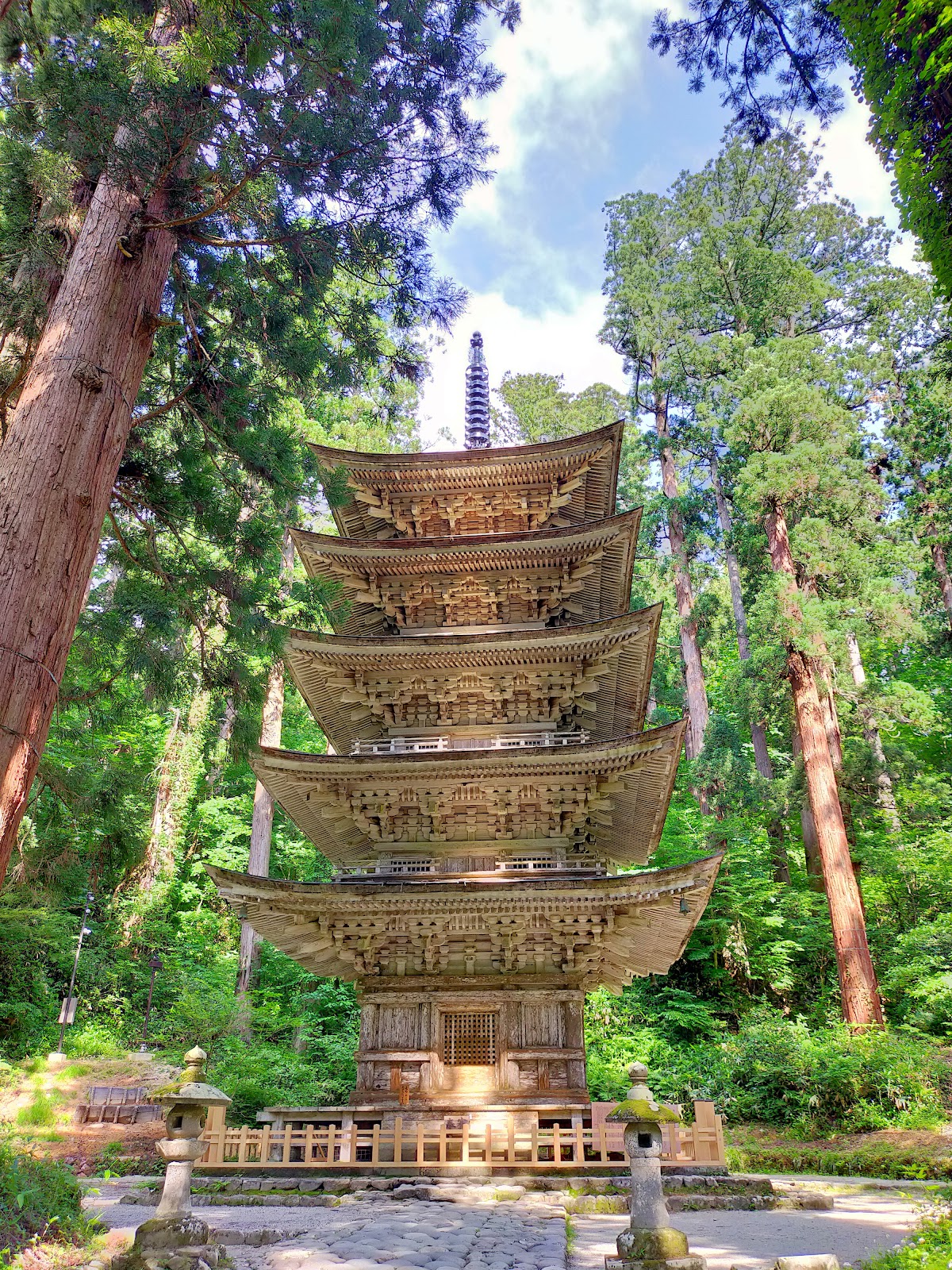
- Morning: Visit Hagurosan (Five-Storied Pagoda, Sanshin Gosaiden)
- Afternoon: Visit Gassan 8th Station
- Evening: Stay at an inn near Yudonosan
Day 2
- Morning: Visit Yudonosan Shrine Main Sanctuary
- Afternoon: Visit Dainichibo and Shimenji Temples
- Evening: Departure for the return journey
3-Day/2-Night Full-Scale Pilgrimage Including Mountain Climbing
Day 1
- Visit to Mt. Haguro, overnight stay at the summit of Mt. Haguro
Day 2
- Climb from Mt. Haguro to the summit of Mt. Gassan
- Overnight stay at the mountain hut on the summit of Mt. Gassan
Day 3
- Descend from Mt. Gassan to Mt. Yudono
- Visit to the main shrine of Yudono-san Shrine
This course is for experienced climbers, and the accompaniment of a mountain guide is recommended.
Accommodation during the Pilgrimage
Accommodation near Mt. Yudono
There are several accommodations for pilgrims near Mt. Yudono.
- Minshuku Nanakamado: The closest accommodation to Mt. Yudono, where you can enjoy local cuisine
- Yudono-san Sanrosho: Accommodation operated by the shrine (advance reservation required)
Accommodation in Tsuruoka City
Tsuruoka City, about an hour’s drive from Mt. Yudono, offers a variety of accommodations. You can choose from hot spring inns, business hotels, etc., according to your budget and preferences.
Temple Lodgings at Mount Haguro
When visiting the Dewa Sanzan pilgrimage, staying at a temple lodging at Mount Haguro is a unique experience. Enjoying vegetarian cuisine and participating in morning services will deepen your pilgrimage experience.
Mindset for Visiting Yudono-san Shrine
Respect for a Sacred Site
Before being a tourist destination, Yudono-san Shrine is a sacred site with a history of over a thousand years. When visiting, it is important to show respect for its history and faith.
While rules such as prohibiting photography and visiting barefoot may seem inconvenient, they all have profound meaning. Following the rules will lead to a deeper experience.
Harmony with Nature
At the heart of Yudono-san’s faith lies a reverence for nature. The sacred rocks and the gushing hot springs are the very life force of the earth.
When visiting, please also pay attention to the surrounding natural environment. The rustling of the trees, the sound of water, the mountain air—all of these constitute the sacredness of Yudono-san.
Openness to Inner Transformation
Experiences at Yudono-san, considered a “place of rebirth,” vary from person to person. Some feel dramatic change, while others find quiet peace.
Rather than expecting a specific experience, it’s important to honestly confront the changes happening within yourself. This openness may be the greatest blessing Yudono-san bestows.
Summary
Yudono-san Shrine is a precious sacred site that preserves the traditions of Japanese mountain worship and Shugendo. Its mystique, protected by the commandment “Do not speak, do not listen,” its unique form of worship without a main hall, and the strict custom of worshipping barefoot—all of these make Yudono-san a special place.
As the inner sanctuary of the Dewa Sanzan mountains, and as a “place of rebirth,” Yudono-san Shrine has attracted the faith of people for over a thousand years. Even today, its allure remains undiminished, continuing to deeply move and enlighten many visitors.
The shrine is open from June 1st to November 3rd. During this period, we encourage you to visit Yudono-san Shrine and experience its mystical powers beyond words. It may mark the beginning of your own journey of “rebirth.”
When visiting, we recommend checking access methods and the opening period in advance, and arriving dressed appropriately and with a respectful mindset for a sacred site. We hope your experience at Yudono-san Shrine will bring new meaning to your life.