Complete Guide to Jōnenji Temples: A Thorough Explanation of History, Access, and Highlights of Jōnenji Temples Across Japan
Jōnenji is the name of several temples located throughout Japan, each with its own unique history and characteristics. This article provides a detailed explanation of the history, principal image, location, access methods, and highlights of major Jōnenji temples. We offer comprehensive information useful for those planning temple pilgrimages or historical explorations.
What is Jōnenji Temple?: Origin of the Name and Nationwide Distribution
The name “Jōnenji” originates from the Buddhist teaching of “constantly chanting the Nembutsu (invocation of Amida Buddha).” This name is commonly found in temples of the Jōdo-shū and Jōdo Shinshū Honganji-ha sects, and is scattered throughout Japan.
Each Jōnenji temple has a different founding date and origin story, and is deeply connected to the history and culture of its region. They are known as temples that have played important roles in various regions, including Kyoto, Tochigi, Kanagawa, and Aichi prefectures.
Jōnenji Temple, Fushimi Ward, Kyoto Prefecture: History and Characteristics
History and Origin
Located in Fushimi Ward, Kyoto Prefecture, Jōnenji Temple is a Jōdo Shinshū Honganji-ha temple deeply rooted in the local community. In the historically significant area of Fushimi, it has long served as a center of faith for local residents.
This Month’s Message
Jōnenji Temple in Fushimi, Kyoto, implements a “This Month’s Message” initiative. Twice a month, it is posted in front of the temple’s main gate and at the Matsumura Building in front of Keihan Yodo Station, offering visitors words of Buddhist teaching and guidance for life. This activity reflects the temple’s commitment to its connection with the community.
Access Information
Jōnenji Temple in Fushimi, Kyoto, is conveniently accessible from Keihan Railway’s Yodo Station. It is within walking distance of the station, and can be reached even faster by taxi.
Jōnenji Temple, Ashikaga City, Tochigi Prefecture: Attractions as a Tourist Spot
Position in Ashikaga City
Jōnenji Temple in Ashikaga City, Tochigi Prefecture, is known as one of the representative tourist spots of “Ashikaga, the City of Learning.” It is featured on the official website of the Ashikaga City Tourism Association and attracts many tourists as a temple where one can experience history and culture.
Historical Background
Jōnenji Temple in Ashikaga City is located in an area deeply connected to the Ashikaga clan and boasts a long history dating back to the Middle Ages. The temple’s architectural style and the cultural artifacts it houses are valuable historical materials that tell the story of the region’s history.
Access and Nearby Sightseeing
Jōnenji Temple in Ashikaga City is accessible from Ashikaga Station on the JR Ryōmō Line or Ashikaga-shi Station on the Tobu Isesaki Line. Walking or taking a taxi is common, and other historical sites such as Ashikaga School and Bannaji Temple are scattered throughout the surrounding area.
Jōnenji Temple in Asao Ward, Kawasaki City, Kanagawa Prefecture: Inariyama Jōnenji Temple
Founding and History
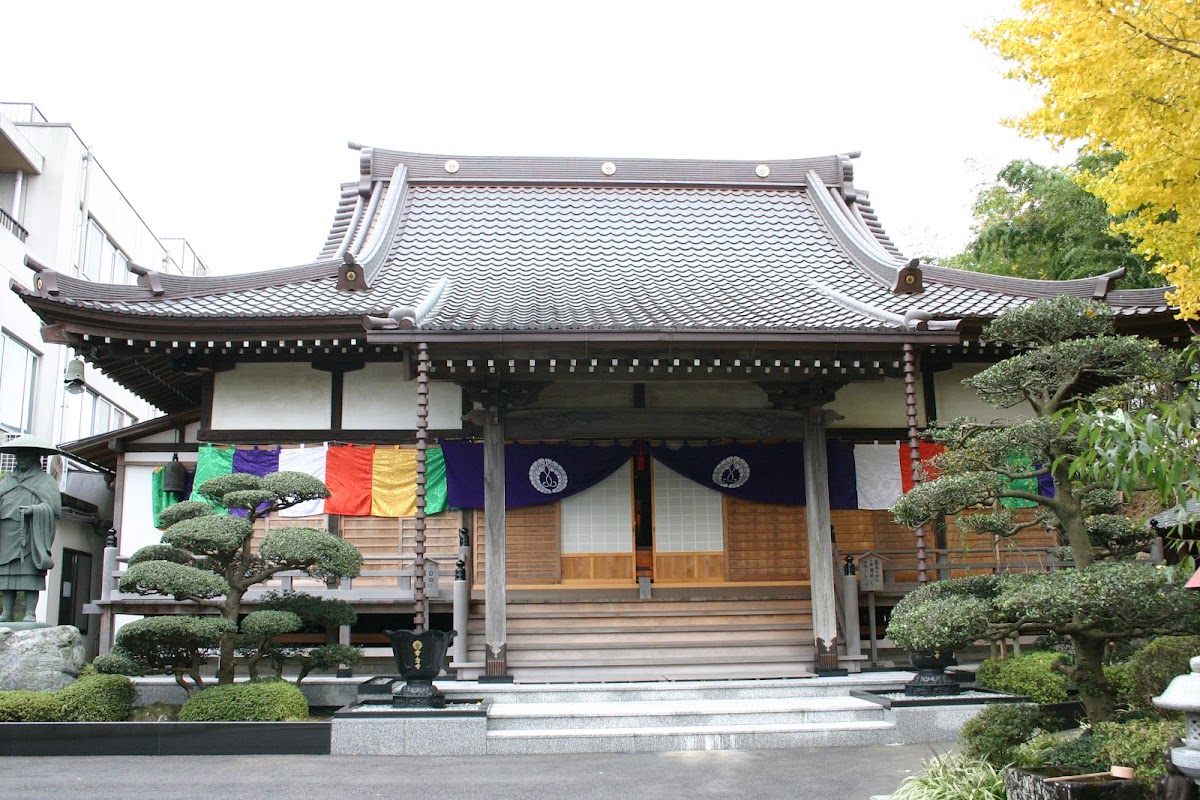
Located in Asao Ward, Kawasaki City, Kanagawa Prefecture, Inariyama Jōnenji Temple is a temple of the Jōdo Shinshū Honganji sect. It is said to have been founded by Jōnen (Jōnen), a senior disciple of Shinran Shōnin, and is known as a historically significant temple that directly inherits the teachings of Shinran Shōnin.
Principal Image and Architecture
The principal image is a standing statue of Amida Buddha. The original main hall was destroyed by fire in the mid-Edo period, but it was rebuilt during the Meiwa era (1764-1772), and the current main hall dates from that period. It is a valuable building that preserves the architectural style of the Edo period.
Location and Access
Jōnenji Temple in Asao Ward, Kawasaki City, is accessible from the Odakyu Line and Keio Line. It can be reached on foot, by bus, or by taxi from the nearest station. Located in a quiet residential area of Aso, it offers a peaceful atmosphere for worship.
Jōnenji Temple in Ichinomiya City, Aichi Prefecture: Two Jōnenji Temples
In Ichinomiya City, Aichi Prefecture, there are two Jōnenji temples belonging to different Buddhist sects.
Seizan Jōdo Sect Ryūseizan Jōnenji Temple
History and Origins
Ryūseizan Jōnenji Temple is a temple of the Seizan Jōdo sect located in Ichinomiya City, Aichi Prefecture. Known as the “Temple of Blooming Lotuses,” visitors can enjoy the beautiful lotus flowers in season.
Main Events and Features
Various Buddhist events are held throughout the year, and the temple values interaction with local residents. The architecture, Buddhist statues, and works of art are also highlights.
Jōdo Sect Jōnenji Temple
Founding and History
It is said to have been founded in 1390 (Meitoku 1) by Kūsen Shōun Shōnin, a nephew of Ashikaga Takauji. This temple boasts a long history dating back to the Muromachi period.
Principal Image and Cultural Property
The temple houses a seated statue of Nyoirin Kannon Bodhisattva, considered the guardian deity of Ashikaga Takauji, and is designated as a cultural property of Ichinomiya City. This Kannon statue is a valuable cultural asset demonstrating the deep relationship between the Ashikaga clan and the temple.
Access Information
To reach Jōnenji Temple in Ichinomiya City, take the JR Tōkaidō Main Line or the Meitetsu Nagoya Main Line to Ichinomiya Station. It is within walking distance from the station, or can be reached in a short time by taxi.
Jōnenji Temple in Wakabayashi Ward, Sendai City, Miyagi Prefecture: Kiyotasan Keitokuin Jōnenji Temple
As a Jōdo Sect Temple
Jōnenji Temple in Wakabayashi Ward, Sendai City, Miyagi Prefecture, is a Jōdo Sect temple deeply rooted in the community. Its official name is “Kiyotasan Keitokuin Jōnenji Temple,” and it is one of the important temples in the Tohoku region that transmits the teachings of the Jōdo Sect.
About the Cemetery and Burial Grounds
Jōnenji Temple has an attached cemetery and burial grounds, and offers services such as perpetual memorial services and consultations regarding gravestones. It plays an important role as a place for ancestral worship for local residents.
Location and Access
Located in Wakabayashi Ward, Sendai City, it is easily accessible from the city center. It can be reached by bus or taxi from Sendai Station.
Jōnenji Temple in Hagi City, Yamaguchi Prefecture: Amidst a Historic Townscape
Hagi’s Historic Area and Jōnenji Temple
Jōnenji Temple in Hagi City, Yamaguchi Prefecture, is located in a historical area where the townscape of the Edo period remains. Hagi City is a historical town that includes components of the World Heritage Site “Sites of Japan’s Meiji Industrial Revolution,” and Jōnenji Temple forms part of this historical landscape.
Connection to Tourism
There are many historical tourist spots in the surrounding area, such as Hagi Castle Town and the Hagi Reverberatory Furnace. When visiting Jōnenji Temple, visiting these historical sites together will allow you to gain a deeper understanding of Hagi’s history.
Access Information
The nearest stations to Hagi City are Higashi-Hagi Station or Hagi Station on the JR San’in Main Line. Exploring the city by sightseeing bus, rental bicycle, or on foot is common, and Jōnenji Temple can be easily visited during a walk around town.
Jōdo-shū and Jōdo Shinshū Honganji-ha: About the Sect of Jōnenji Temple
Teachings of the Jōdo-shū
The Jōdo-shū is a sect founded by Honen Shōnin, and its teachings emphasize attaining rebirth in the Pure Land by chanting the Nembutsu, “Namu Amida Butsu.” The sect’s crest is “Tsukikage Gyoyō” (Moonlight Gyoyo), and its sectarian song, “Tsukikage” (Moonlight), reads: “Though there is no village that the moonlight does not reach, it resides only in the hearts of those who gaze upon it.”
At Jōnenji Temple, a Jōdo-shū temple, services and ceremonies based on the teachings of Honen Shōnin are held, preaching salvation through Nembutsu.
Characteristics of the Jodo Shinshu Honganji School
The Jodo Shinshu Honganji School is a Buddhist sect founded by Shinran Shonin, with its head temple located at Nishi Honganji in Kyoto. It centers on the doctrine of “reliance on the power of others,” preaching salvation through the vow of Amida Buddha.
At Jōnenji Temple, a Jodo Shinshu Honganji School temple, important events such as Dharma services to learn the teachings of Shinran Shonin and the Hōonkō (memorial service) are held.
About the Nishiyama Jōdo School
The Nishiyama Jōdo School is a Buddhist sect founded by Shōkū Shonin, a disciple of Hōnen Shonin. It is a branch of the Jōdo School and possesses its own unique doctrines and traditions. Jōnenji Temple in Ichinomiya City, Aichi Prefecture, belongs to this sect.
Guidelines and Manners for Visiting Jōnenji Temple
Visiting Hours
At most Jōnenji temples, visits are possible from morning to afternoon. However, it is recommended to refrain from visiting during times of religious services or events, or to check in advance. Generally, visiting hours are from 9:00 AM to around 5:00 PM.
Attire and Items to Bring
When visiting a temple, it is best to wear modest clothing. Especially when entering the main hall, remove your hat and behave quietly. Bringing prayer beads will allow for a more authentic visit.
Photography
Photography within the temple grounds is generally permitted, but photography inside the main hall or of Buddha statues may be prohibited. Always check before taking photos and be considerate of other visitors.
Buddhist Events You Can Experience at Jōnenji Temple
Religious Services and Annual Events
Jōnenji temples throughout the year hold various religious services and events. Participating in important Buddhist events specific to your sect, such as the Obon Segaki memorial service, the Higan service, and the Hoonko service, allows you to gain a deeper understanding of Buddhist teachings.
Sutra Copying and Buddha Image Copying Experience
Some Jōnenji temples offer sutra copying and Buddha image copying workshops. In a quiet environment, copying Buddhist scriptures or drawing Buddha images can calm your mind and allow you to experience the world of Buddhism.
Dharma Talks and Discussion Sessions
Some Jōnenji temples regularly hold Dharma talks and discussion sessions led by the head priest. This is a valuable opportunity to receive easy-to-understand explanations of Buddhist teachings.
Tourist Attractions Around Jōnenji Temple
Kyoto Fushimi Area
Around Jōnenji Temple in Fushimi, Kyoto, there are many tourist attractions, including Fushimi Inari Taisha Shrine, Fushimi Momoyama Castle, and the Gekkeikan Ōkura Memorial Museum. The historical townscape lined with sake breweries is also a major attraction.
Ashikaga Area
Around Jōnenji Temple in Ashikaga City, you’ll find Ashikaga School, known as Japan’s oldest school; Bannaji Temple, the site of the Ashikaga clan’s residence; and Orihime Shrine. This area is rich in history and culture.
Kawasaki Aso Area
Aso Ward in Kawasaki City is a residential area rich in nature, offering a quiet and peaceful environment. There are spots where you can enjoy nature and history, such as Ikuta Ryokuchi Park and the Kawasaki City Japan Open-Air Folk House Museum.
Ichinomiya Area
Ichinomiya City is a town that prospered from the textile industry, and has facilities where you can learn about local history, such as Masumida Shrine and the Ichinomiya City Museum. Visiting these in conjunction with Jōnenji Temple will give you a deeper understanding of Ichinomiya’s culture.
Summary of Access Methods to Jōnenji Temple
Access by Public Transportation
You can access Jōnenji Temples in various locations using public transportation such as trains and buses. Many temples are within walking distance of the nearest station, and using a taxi makes it even more convenient.
Nearest Stations to Major Jōnenji Temples:
- Kyoto Fushimi: Keihan Railway Yodo Station
- Ashikaga: JR Ryōmō Line Ashikaga Station, Tobu Isesaki Line Ashikaga-shi Station
- Kawasaki Asō: Odakyu Line, Keio Line stations
- Ichinomiya: JR Tōkaidō Main Line Ichinomiya Station, Meitetsu Nagoya Main Line Ichinomiya Station
- Sendai Wakabayashi: Bus from JR Sendai Station
- Hagi: JR San’in Main Line Higashi-Hagi Station, Hagi Station
Access by Car
While many temples have parking available, spaces may be limited. It is recommended to check in advance or use nearby coin-operated parking lots.
Tips for Using a Taxi
If the temple is a bit of a walk from the station, or if you want to efficiently visit multiple temples, using a taxi is convenient. Afternoon hours can be crowded with tourists, so plan accordingly.
The Principal Image and Beliefs of Jōnenji Temple
Amida Buddha
Many Jōnenji temples enshrine Amida Buddha as their principal image. Amida Buddha is the principal deity of the Western Pure Land and is worshipped as the Buddha who guides those who chant the Nembutsu to the Pure Land.
Nyoirin Kannon Bodhisattva
Jōnenji Temple in Ichinomiya City, Aichi Prefecture, houses a seated statue of Nyoirin Kannon Bodhisattva. Nyoirin Kannon is believed to grant wishes and crush worldly desires, attracting many followers.
Forms of Worship
Jōnenji Temple practices a faith centered on the Nembutsu. The fundamental teaching is that by chanting “Namu Amida Butsu,” one can receive salvation from Amida Buddha.
The Architecture and Cultural Properties of Jōnenji Temple
Architectural Style of the Main Hall
The main halls of Jōnenji temples throughout the region reflect the architectural styles of their respective eras and regions. The main hall, rebuilt during the Edo period, is a valuable cultural asset that conveys the architectural techniques and aesthetic sensibilities of that time.
Buddhist Statues and Artworks
Jōnenji Temple houses Buddhist statues, including the principal image, as well as Buddhist paintings, calligraphy, and other works of art. These are important historical materials that tell the story of the temple, and some are designated as cultural properties.
Gardens and Temple Grounds
Temple grounds sometimes feature spaces where you can enjoy the beauty of the four seasons, such as Japanese gardens and lotus ponds. Jōnenji Temple, in particular, known as the “Temple of Blooming Lotuses,” is a highlight, especially in summer when the lotus flowers bloom.
Funerals, Memorial Services, and Memorial Rituals at Jōnenji Temple
About Funerals
Jōnenji Temple conducts funerals for its parishioners and followers. Funerals are conducted according to the customs of the Jōdo-shū and Jōdo Shinshū Honganji-ha sects, and rituals are performed to send the deceased to the Pure Land.
Types of Memorial Services
In addition to memorial services such as the first seven days, forty-ninth day, first anniversary, and third anniversary, various memorial services are held throughout the year, including the Obon (Buddhist festival) Segaki (feeding of hungry ghosts) service and the Higan (autumn equinox) service.
Perpetual Memorial Services
Some Jōnenji temples also accept applications for perpetual memorial services. This service allows temples to continue providing perpetual memorial services for those without successors or those concerned about future grave management.
Future Prospects and Community Involvement of Jōnenji Temples
As a Center of the Community
In modern times, Jōnenji temples play a role not only as a religious facility but also as a center of the community. They deepen their interaction with local residents as an open temple through activities such as posting “Words of the Month,” holding concerts, and organizing lectures.
Preservation and Transmission of Cultural Properties
To pass on historical buildings, Buddhist statues, and works of art to future generations, each Jōnenji temple is engaged in the preservation and restoration of cultural properties. These activities play a vital role in preserving the region’s history and culture.
Utilization as a Tourism Resource
In collaboration with the local tourism association, efforts are underway to introduce Jōnenji Temple as a regional tourism resource. For tourists who enjoy historical exploration and temple visits, Jōnenji Temple is an attractive destination.
Summary: The Significance of Visiting Jōnenji Temple
Jōnenji temples, scattered throughout Japan, each possess their own unique history and characteristics, deeply intertwined with local culture. They serve not only as religious institutions conveying the teachings of the Jōdo-shū and Jōdo Shinshū Honganji sects, but also as places for preserving historical buildings and cultural assets, and as centers of local communities, fulfilling diverse roles.
By visiting Jōnenji Temple, you can experience Japanese Buddhist culture and local history, and find peace of mind. Please refer to the location and access information provided in this article and consider visiting in person. Visiting during the quiet morning hours to stroll through the grounds, or participating in an afternoon Dharma talk, will allow for a deeper experience.
Jōnenji temples throughout Japan continue to hold significant importance even today, serving as places to learn about history, experience Buddhist teachings, and find peace of mind.