Complete Guide to Kawashima Shrine | History and Access Information for Kawashima Shrines in Tokushima, Aichi, and Nagoya
There are several shrines named Kawashima Shrine throughout Japan. Among them, the most well-known are those in Yoshinogawa City, Tokushima Prefecture; Konan City, Aichi Prefecture; Moriyama Ward, Nagoya City; and Nobeoka City, Miyazaki Prefecture. This article comprehensively explains the history, origins, access methods, and highlights of these Kawashima Shrines in various locations.
About Kawashima Shrine in Yoshinogawa City, Tokushima Prefecture
Founding and History of Kawashima Shrine
Kawashima Shrine, located in Kawashima-cho, Yoshinogawa City, Tokushima Prefecture, is a relatively new shrine, founded on October 20, 1916 (Taisho 5). However, its origins have an important historical background: the Yoshino River flood control project.
Due to the Yoshino River improvement work carried out in 1915 (Taisho 4), residents were forced to relocate from Zennyuji Island. At this time, 43 shrines that had been enshrined within the former Kawashima town were merged, with Ukishima Hachimangu Shrine, located on the island, as the central focus. These shrines were integrated, and the current Kawashima Shrine was built on the historical site of the second bailey of Kawashima Castle.
History of Ukishima Hachimangu Shrine
Ukishima Hachimangu Shrine, which became the center of Kawashima Shrine, is said to have been an old shrine originally called Imbe Shrine. In the Middle Ages, it was renamed Hachimangu Shrine and revered as the center of local faith on Zennyuji Island. Amidst the wave of modernization brought about by the Yoshino River improvement project, this historic shrine, along with the 43 deities, began a new history in a new location.
Main Deity and Enshrined Deities
Kawashima Shrine enshrines numerous deities, including Emperor Ojin (Homudawake no Mikoto), Amenohiwashi no Mikoto, and Sugawara no Michizane. Because 43 shrines were merged, it is truly known as a “share house for gods.” The faiths of each individual shrine have been consolidated into a single precinct, attracting worshippers seeking diverse blessings.
Location: The Former Second Bailey of Kawashima Castle
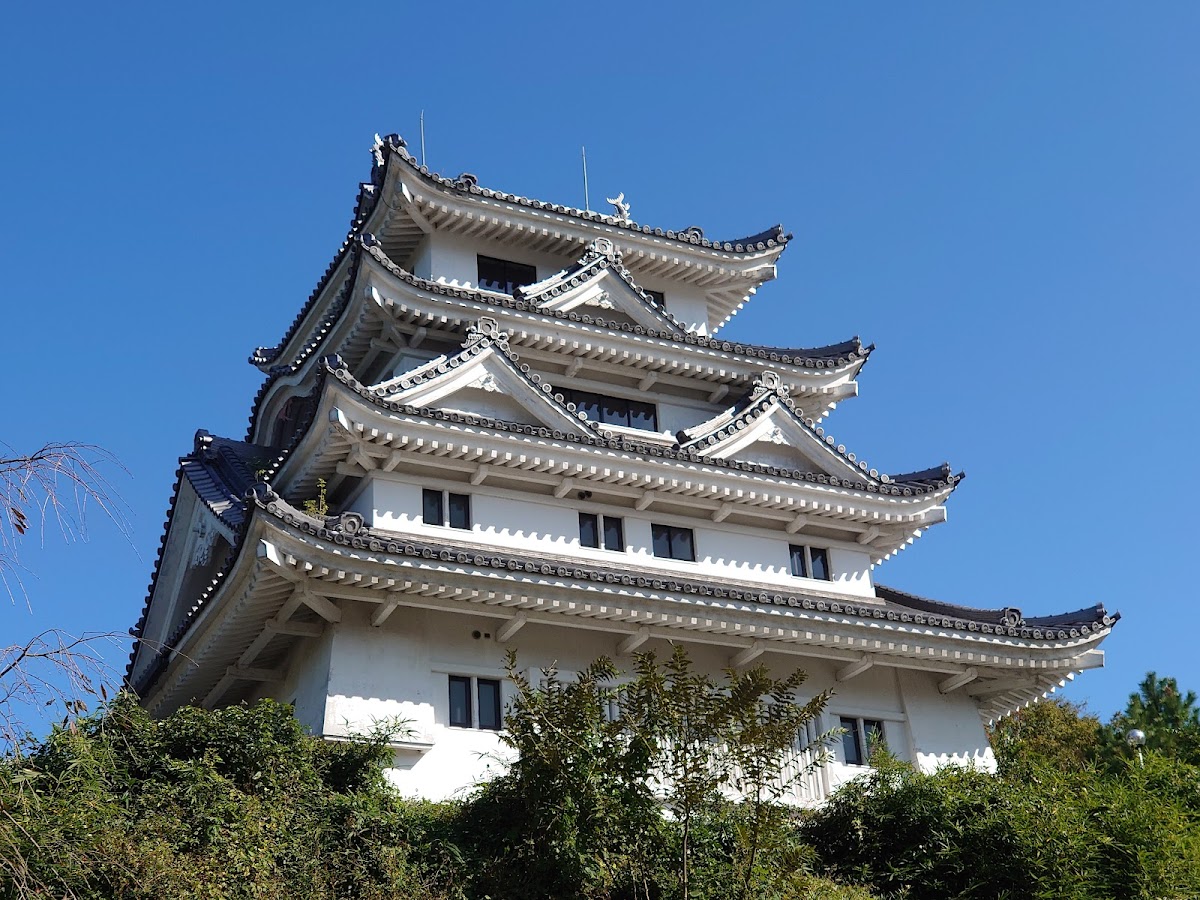
Kawashima Shrine is situated on the site of the former second bailey of Kawashima Castle. Kawashima Castle was a strategically important fortress in this region from the medieval to the early modern period. The construction of the shrine on its remains creates a sacred site with a rich historical layering. The place name, Shiroyama (Castle Mountain), also reflects this history.
Currently, the grounds of Kawashima Shrine are part of Kawashima Park, encompassing a vast area. Since its founding in 1916 (Taisho 5), it has been cherished as a spiritual center for the community and a place that conveys history.
Access to Kawashima Shrine in Yoshinogawa City, Tokushima Prefecture
Location: Kawashima, Kawashima-cho, Yoshinogawa City, Tokushima Prefecture
Access by Train:
- Approximately 15 minutes on foot from JR Tokushima Line “Awa-Kawashima Station”
- Head towards Kawashima Park from the station and aim for the hilltop of Shiroyama
Access by Car:
- Approximately 15 minutes from Tokushima Expressway “Wakimachi IC”
- Accessible via National Route 192
- Parking available around the shrine grounds
Highlights of Kawashima Shrine in Tokushima
Here are some of the main highlights when visiting Kawashima Shrine.
Torii Gate and Approach
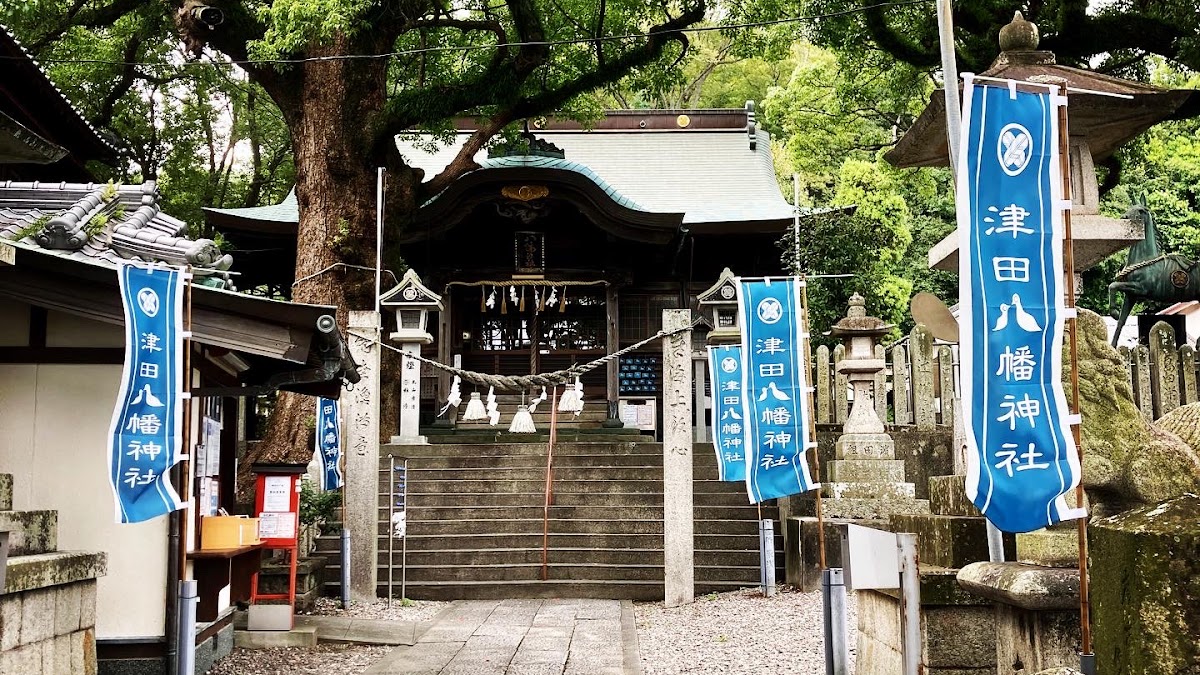
A magnificent torii gate stands at the entrance to the shrine grounds, and an approach path continues from there. Because it is located on the hilltop of Shiroyama, you can enjoy the feeling of the view gradually opening up as you ascend the approach path.
The Worship Hall and Main Shrine
The worship hall, retaining the architectural style of the Taisho era, boasts a magnificent presence befitting the scale of the shrine, which enshrines 43 deities. Behind the worship hall is the main shrine, where many gods are enshrined.
View from the Shrine Grounds
Located on a hill on the site of the former second bailey of Kawashima Castle, the shrine grounds offer a panoramic view of the Yoshino River and the surrounding rural landscape. Looking in the direction of the former Zennyuji Island, one can reflect on the history of the shrine.
The Shrine Office and Goshuin (Shrine Seals)
Goshuin (shrine seals) can be obtained at the shrine office. Many visitors come seeking goshuin as a record of their visit and as part of a pilgrimage to shrines in Shikoku.
Kawashima Shrine in Konan City, Aichi Prefecture
Kawashima Shrine as a Shikinaisha (Shrine Listed in the Engishiki)
Kawashima Shrine in Konan City, Aichi Prefecture, is considered one of the candidate shrines for the Shikinaisha “Kawashima Shrine in Haguri District, Owari Province” listed in the Engishiki Jinmyocho (a list of shrines compiled in the Heian period). The exact founding date is unknown, but it is said to have been established during the reign of Emperor Shomu (724-749), making it an ancient shrine potentially dating back to the Nara period.
Kiso River Floods and Historical Uncertainty
There’s a reason why Kawashima Shrine in Konan City is considered “one” of the candidates for the Shikinaisha (shrine listed in the Engishiki). This region is located in the Kiso River basin, and there is a history of shrine buildings being washed away by repeated floods. Therefore, the exact founding location and detailed history remain unknown, and several shrines are being considered as candidates for the Shikinaisha Kawashima Shrine.
Access to Kawashima Shrine in Konan City, Aichi Prefecture
Location: Konan City, Aichi Prefecture
Access by Train:
- Use the Meitetsu Inuyama Line
- Accessible on foot from the nearest station
Access by Car:
- Approximately 20 minutes from the Tomei Expressway “Komaki IC”
- Use National Route 155 from the Ichinomiya area
Kawashima Shrine in Moriyama Ward, Nagoya City
Founded in the Early Heian Period
Kawashima Shrine, located at 281 Kawamura-cho, Moriyama Ward, Nagoya City, is said to have been founded in 807 (early Heian period). Its former shrine rank was designated village shrine, eighth rank, and it is also designated as a Shikinaisha (shrine listed in the Engishiki).
Main Deity and Beliefs
The main deity of Kawashima Shrine in Moriyama Ward is Izanami-no-Mikoto. Izanami-no-Mikoto is the goddess of creation in Japanese mythology, known for her blessings related to the source of life, matchmaking, and safe childbirth.
Access to Kawashima Shrine in Moriyama Ward, Nagoya City
Location: 281 Kawamura-cho, Moriyama Ward, Nagoya City
Access by Train:
- Within walking distance from Obata Station on the Meitetsu Seto Line
- Convenient access by city bus
Access by Car:
- Approximately 5 minutes from Obata IC on the Nagoya Second Ring Expressway
- Parking available on the shrine grounds
Kawashima Shrine in Nobeoka City, Miyazaki Prefecture
Renamed from Nachi Gongen
There is also a Kawashima Shrine in Nobeoka City, Miyazaki Prefecture. This shrine was originally called Nachi Gongen, and it is a branch shrine of Nachi Daigongen from Kii Province (present-day Wakayama Prefecture).
Reconstruction after War
After being destroyed by fire during the wartime campaign of Otomo Sorin, the shrine was rebuilt. In November 1871 (Meiji 4), other shrines were merged into it, and it became the current Kawashima Shrine. As the Kawashima Shrine in Kyushu, it is a center of local worship.
Points to Note When Visiting Kawashima Shrine
Etiquette for Worship
When visiting Kawashima Shrine, follow the general etiquette for visiting a shrine.
- Bow before passing through the torii gate
- Purify your body and mind at the water basin
- Bow twice, clap twice, and bow once in front of the main hall
- Quietly stroll through the grounds and reflect on its history
About Goshuin (Shrine Seals)
Each Kawashima Shrine in different locations offers its own unique goshuin. In particular, the Kawashima Shrine in Yoshinogawa City, Tokushima Prefecture, offers a goshuin that reflects its distinctive history of being a merger of 43 shrines. Since the opening hours of the shrine office vary by shrine, it is recommended to check in advance. ### Annual Events and Festivals
Various festivals are held throughout the year at each Kawashima Shrine. At the Kawashima Shrine in Tokushima Prefecture, the autumn grand festival is particularly grand, attracting many people from the local community. Kawashima Shrines in Aichi Prefecture and Nagoya also continue to hold festivals based on their respective traditions.
Tourist Attractions Around Kawashima Shrine
Around Yoshinogawa City, Tokushima Prefecture
When visiting Kawashima Shrine, you can also explore the surrounding tourist attractions.
Kawashima Park
Kawashima Park, where Kawashima Shrine is located, is also known as a famous cherry blossom viewing spot. In spring, it is bustling with many cherry blossom viewers, and can be enjoyed in conjunction with a visit to the shrine.
Scenery of the Yoshino River
You can admire the majestic flow of the Yoshino River, also known as Shikoku Saburo. While gazing at the site where Zennyuji Island once stood, you can learn about the history of flood control.
Awa Earth Pillars
A short trip from Yoshinogawa City will take you to the Awa Earth Pillars, a nationally designated natural monument.
Around Konan City and Nagoya City, Aichi Prefecture
Scenery along the Kiso River
Around Kawashima Shrine in Konan City, you can enjoy the rich natural scenery of the Kiso River.
Nagoya Castle
When visiting Kawashima Shrine in Moriyama Ward, Nagoya City, you can also visit other city attractions such as Nagoya Castle.
Cultural Significance of Kawashima Shrine
History of Modernization through Shrine Consolidation
Kawashima Shrine in Tokushima Prefecture, in particular, holds significant importance as a concrete example of the shrine consolidation policy implemented from the Meiji to Taisho periods. The integration of 43 shrines into one symbolizes the transformation of local communities accompanying modernization.
At the same time, it has cultural value in that the diverse forms of faith are preserved, as the beliefs and traditions of each shrine were not lost, but instead consolidated into a single precinct.
Flood Control Projects and Shrine Relocation
The relocation of shrines accompanying the Yoshino River improvement project is an example of the development of modern civil engineering technology in Japan and its impact on local communities and religious beliefs. It allows us to understand how the spiritual anchor of shrines was preserved amidst the large-scale social upheaval of the relocation of residents from Zennyuji Island.
Historical Value as a Shikinaisha (Shrine Listed in the Engishiki)
The fact that Kawashima Shrines in Konan City, Aichi Prefecture, and Moriyama Ward, Nagoya City, are considered candidates for Shikinaisha suggests the possibility that these shrines existed before the Heian period. Shrines listed in the Engishiki Jinmyocho (a list of shrines compiled in the Heian period) held an important position within the national Shinto system of ancient times.
The fact that the exact history of a shrine became unclear due to a natural disaster, such as the flooding of the Kiso River, also illustrates the history of Japanese shrines, which have survived in close connection with the natural environment.
Guidelines for Visiting Kawashima Shrines
Visiting Multiple Kawashima Shrines
Visiting various Kawashima Shrines, each with its own distinct history and characteristics, allows you to experience the diversity of Japanese shrine worship. You can learn about the different cultures and historical backgrounds of each region, including Tokushima, Aichi, Nagoya, and Miyazaki.
Learn About Local History
When visiting a Kawashima Shrine, learning about the local history and culture beforehand will deepen your experience. Especially at the Kawashima Shrine in Tokushima Prefecture, understanding the history of flood control on the Yoshino River and the history of Zennyuji Island will give you a better understanding of the shrine’s origins.
Maintain Quiet Worship
Kawashima Shrines are not only tourist destinations but also places of worship for local people. When visiting, it is important to do so quietly and respectfully. When taking photographs, be considerate of other worshippers.
Future Preservation and Succession of Kawashima Shrine
Value as a Cultural Property
Kawashima Shrines throughout Japan are valuable cultural assets in their respective regions. In particular, the Kawashima Shrine in Tokushima Prefecture, with its Taisho-era architecture and unique history of enshrining 43 deities, is an important resource for the study of modern shrine history.
Connection with Local Communities
Kawashima Shrine continues to play a central role in local communities through festivals and annual events. With the declining birthrate and aging population, the challenge lies in how to pass on these traditions to the next generation.
Utilization as a Tourism Resource
Appropriate utilization of the historically valuable Kawashima Shrine as a tourism resource can contribute to regional development. However, maintaining a balance between tourism and the tranquility of a place of worship is crucial.
Summary
Shrines named Kawashima Shrine exist throughout Japan, including in Yoshinogawa City, Tokushima Prefecture; Konan City, Aichi Prefecture; Moriyama Ward, Nagoya City; and Nobeoka City, Miyazaki Prefecture. Each shrine possesses its own unique history and traditions, and has long been a center of local faith.
In particular, Kawashima Shrine in Yoshinogawa City, Tokushima Prefecture, has a unique history, having been founded in 1916 (Taisho 5) by merging 43 shrines, and is situated on the historical site of the former second bailey of Kawashima Castle. As a shrine born during the modernization process of the Yoshino River improvement project, it is a valuable example demonstrating the relationship between flood control history and faith.
Kawashima Shrines in Konan City and Moriyama Ward, Nagoya City, Aichi Prefecture, may have a long history dating back to before the Heian period, as they are considered candidates for Shikinaisha (shrines listed in the Engishiki), and they continue to pass on ancient faith to the present day.
By visiting these Kawashima Shrines, you can gain a deep understanding of the diversity of Japanese shrine faith, regional history, and the relationship between the natural environment and people’s activities. We hope you will enjoy a journey to experience Japanese spiritual culture while appreciating the unique charm of each Kawashima Shrine.