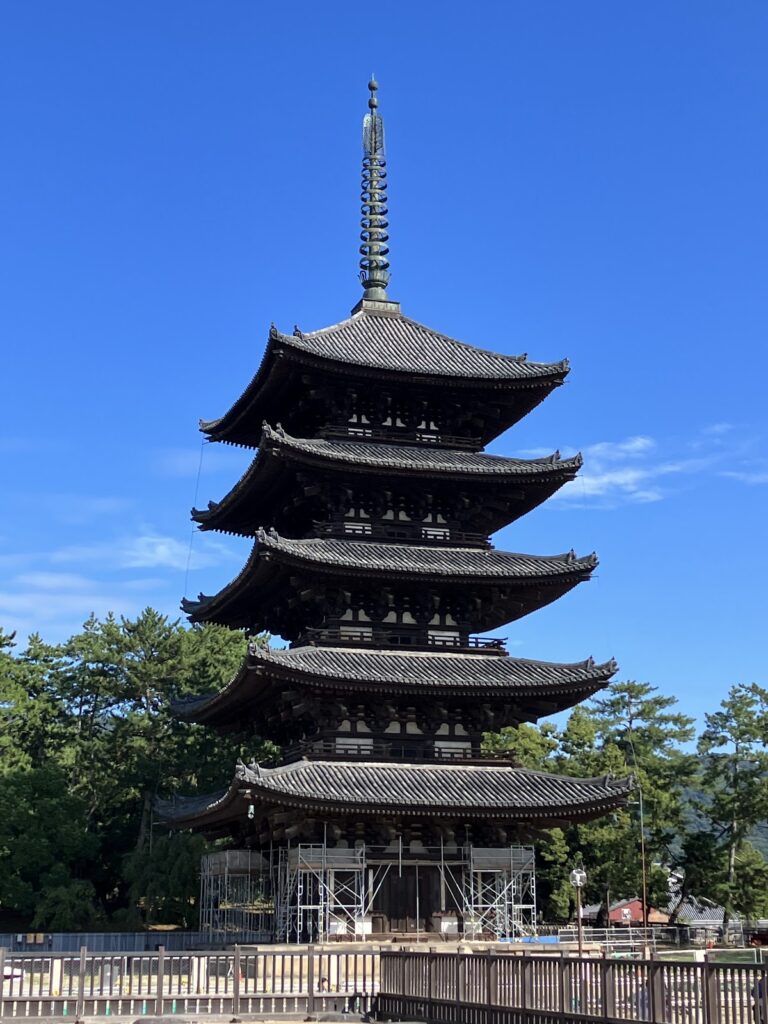
Complete Guide to Kofuku-ji Temples: History, Highlights, and Access Information for Kofuku-ji Temples Nationwide
There are several temples named “Kofuku-ji” throughout Japan, each with its own unique history and culture. This article provides a detailed explanation of the historical background, architectural features, cultural properties, and visiting information for major Kofuku-ji temples.
What is Kofuku-ji?
Kofuku-ji is the name of a temple found throughout Japan, primarily belonging to Buddhist sects such as Jodo Shinshu, Jodo Shu, and Tendai Shu. The name “Kofuku” expresses the Buddhist belief that good fortune and virtue are brought about by the light of Buddha. Each Kofuku-ji temple is deeply intertwined with the history and culture of its region, and has functioned as a spiritual pillar of the local community for hundreds of years.
Introduction to Major Kofuku-ji Temples
Kofuku-ji Temple (Zaō-dō) in Kyoto
Located in Kyoto City, Kofuku-ji is a historic temple also known as “Zaō-dō.” It has a unique history among Kyoto’s temples and shrines, and has long been cherished as a center of local faith.
Basic Information
Kofuku-ji Temple in Kyoto is a temple nestled in a quiet residential area of Kyoto City, serving not only as a tourist destination but also as a place of worship for local residents. While the temple grounds are relatively compact, they possess a tranquil atmosphere, providing a peaceful environment for worship away from the hustle and bustle of the city.
Access
It is accessible using public transportation within Kyoto City. It is within walking distance of the nearest bus stop, making it a convenient stop during Kyoto sightseeing. It is recommended to check the route from your current location at a Kyoto City tourist information center beforehand.
Kofuku-ji Temple in Shinagawa Ward
Kofuku-ji Temple, located in Shinagawa Ward, Tokyo, is a very old temple founded in 782 (Enryaku 1). Currently, it operates as an independent temple of the Jodo Shinshu Higashi Honganji sect.
History and Background
Kofuku-ji Temple was originally founded as a Tendai sect temple under the name “Yakuoin Jinguji.” With a history spanning over 1200 years since its founding in the early Heian period, it is one of the oldest temples in Shinagawa Ward.
The temple underwent a major transformation in the early Kamakura period. A disciple of Shinran Shonin, the founder of the Jodo Shinshu sect, visited the temple, and it converted to Jodo Shinshu Buddhism. It is said that the current name, “Kofuku-ji,” began to be used around this time.
Throughout the Edo period, the temple prospered alongside the development of Shinagawa-juku, playing an important role as a center of faith for the local people. Despite the impact of the anti-Buddhist movement after the Meiji Restoration, the temple survived and remains deeply connected to the local community to this day.
Cultural Properties and Highlights
Kofuku-ji in Shinagawa Ward houses valuable cultural properties and works of art accumulated over its long history. The architectural style of the main hall retains characteristics of the late Edo period, making it historically significant.
Within the temple grounds are ancient trees estimated to be several hundred years old, displaying different expressions throughout the seasons. Many visitors come, especially during the cherry blossom season in spring and the autumn foliage season.
Visiting Information and Access
Kofuku-ji Temple in Shinagawa Ward is accessible by bus or taxi from JR Shinagawa Station and various Keikyu Line stations. It can also be reached on foot and is a popular part of Shinagawa’s historical walking tours. While visits are generally free, it is recommended to check in advance for religious services and events.
Kofuku-ji Temple (Rengezozan) in Nogata City
Rengezozan Kofuku-ji Temple, located in Nogata City, Fukuoka Prefecture, is a local temple belonging to the Jodo Shinshu Honganji sect (Nishi Honganji). With a history of nearly 500 years, it plays an important role as a center of local faith.
Founding and History
Kofuku-ji Temple is said to have originated in 1528 (Kyoroku 1), when Otomo Soun came from Bungo Province (present-day Oita Prefecture) to spread the teachings of Jodo Shinshu Buddhism at its current location in Shimokyo. The achievement of establishing Buddhist teachings in this region during the turbulent Sengoku period is highly regarded.
Interestingly, legends related to Kobo Daishi (Kukai) remain in this area. It is said that when Kobo Daishi returned from Tang China, he stopped in Shimozakai on his way back to Kyoto, and historical sites such as the Daishido (Great Master Hall) and Nakazugaike (Silent Pond) still remain as remnants of this event.
Furthermore, there are historical records indicating that this region (Kayuta-sho) was part of Hojo Masako’s territory, indicating its importance from the Kamakura period onward.
Highlights of the Temple Grounds
Kofuku-ji Temple in Nogata City is known as a temple where visitors can enjoy the beauty of nature throughout the seasons. Beautiful gardens are arranged within the temple grounds, displaying different expressions with each season: cherry blossoms in spring, fresh greenery in summer, and autumn leaves in fall.
Particularly noteworthy are the illumination events held in spring and autumn. The temple grounds, illuminated at night, exude a fantastical atmosphere, captivating many worshippers and tourists. Visiting is generally free, making it easy to drop by.
Worship and Events
Kofuku-ji Temple holds various Buddhist events throughout the year. In addition to regular memorial services, seasonal events are also held, deepening ties with local residents. While visitors are free to explore the grounds, it is recommended to contact the temple in advance for memorial services or special events.
Kofuku-ji Temple (Shōrinzan) in Ukiha City
Shōrinzan Kōfuku-ji Temple, located in Ukiha-machi, Ukiha City, Fukuoka Prefecture, belongs to the Shinshu Ōtani sect (Higashi Hongan-ji). Known as “a temple where the recitation of the Nembutsu resonates,” it serves as a place of faith for the local community.
Temple Characteristics
Shōrinzan Kōfuku-ji Temple is located in Ukiha City, a naturally rich area in southeastern Fukuoka Prefecture. The temple cherishes the teachings of the *Kyōgyōshinshō* and, upholding the phrase “The wind of supreme virtue quietly turns the waves of all calamities,” emphasizes the role of Buddhism in modern society.
The temple maintains close ties with the local community, serving as a spiritual anchor for people through memorial services and Buddhist ceremonies. Based on the teachings of the Shinshu Ōtani sect, it continues to convey the importance of believing in Amida Buddha’s original vow and chanting the Nembutsu.
Access and Visiting Information
Located at 908 Takami, Ukiha-machi, Ukiha City, it is easily accessible by car. The surrounding area is blessed with a natural environment, allowing for a peaceful visit.
Kōfuku-ji Temple (Harima Ippondō) in Hyogo Prefecture
Kōfuku-ji Temple, located in the western Harima region of Hyogo Prefecture, is a distinctive temple known by the alternative name “Harima Ippondō.”
Origin of Harima Ippondō
There is an interesting legend behind how this temple came to be called “Harima Ippondō.” Long ago, in the village of Chigusa Nanari, there was a giant zelkova tree so large it cast a shadow over the land. It is said that a temple was built using this single zelkova tree. This magnificent story of constructing the entire building from a single giant tree is the origin of the temple’s name.
Famous Weeping Cherry Blossom Spot
The greatest attraction at Kofuku-ji Temple is its weeping cherry tree, boasting an estimated age of 300 years. In spring, this ancient tree blooms magnificently, beautifully decorating the temple grounds. The scenery created by the cherry blossoms and the bell tower is a beloved spring tradition in the region.
During the cherry blossom season, many tourists from within and outside the prefecture visit to take photographs and enjoy flower viewing. The sight of this 300-year-old tree still blooming beautifully evokes a sense of nature’s vitality and the profound history of the temple.
Kofuku-ji Temple in Hiroshima Prefecture
There is also a Kofuku-ji Temple in Hiroshima Prefecture, a temple with a history of over 700 years, said to have been founded in 1234.
The Twin Dragon Prayer Pine
A distinctive feature of this temple is the giant pine tree known as the “Twin Dragon Prayer Pine.” Estimated to be 150 to 200 years old, this pine tree stretches approximately 60 meters in length, its branches extending east and west.
Its unique shape resembles two dragons approaching each other from the east and west, and the central part resembles a pair of hands clasped in prayer, hence its name, the “Twin Dragon Prayer Pine.” This pine tree has long been cherished by the local people and attracts many visitors.
Guidelines for Visiting Kofuku-ji Temple
Basic Manners for Visiting Temple
When visiting Kofuku-ji Temple, please observe the following basic manners:
- Dress Code: Please wear clean, understated clothing. Especially when entering the main hall, avoid revealing clothing.
- Photography: Photography is generally permitted within the temple grounds, but photography inside the main hall or of Buddha statues may be prohibited. Always check beforehand. 3. Silence: Temples are places of worship and spiritual practice. Please refrain from loud conversations and noise, and pray quietly.
- Offering: It is a Buddhist custom to offer a monetary donation or offering when praying. There is no set amount, but please offer it with gratitude.
Etiquette for Worship
At Kofuku-ji Temple, a Jodo Shinshu temple, the following is the general etiquette for worship:
- Bow at the temple gate before entering the grounds.
- Join your hands in prayer and bow in front of the main hall.
- Recite the Nembutsu silently (“Namu Amida Butsu”).
- Join your hands in prayer and bow again before leaving.
Unlike other sects, Jodo Shinshu does not involve clapping hands. Quietly joining your hands in prayer is the correct etiquette.
Annual Events at Kofuku-ji Temple
Various Buddhist events are held throughout the year at Kofuku-ji temples in various locations.
Main Annual Events
Spring Events
- Spring Equinox Ceremony: An important Buddhist service to honor ancestors.
- Buddha’s Birthday (Flower Festival): A celebration of the birth of Buddha.
- Cherry Blossom Illumination (Only at participating temples)
Summer Events
- Obon Ceremony: A Buddhist service during the Obon festival to honor the spirits of ancestors.
- Segaki Ceremony: A Buddhist service to honor spirits that have fallen into the realm of hungry ghosts.
Autumn Events
- Autumn Equinox Ceremony: A Buddhist service for the autumn equinox.
- Hoonko: The most important Buddhist service in Jodo Shinshu Buddhism, commemorating the virtues of Shinran Shonin.
- Autumn Leaves Illumination (Only at participating temples)
Winter Events
- New Year’s Eve Bell Ringing: The bell is rung 108 times on New Year’s Eve to dispel worldly desires.
- Shushō-e: New Year’s Buddhist Service
The dates and content of the service vary by temple, so it is recommended to inquire with the temple in advance if you wish to participate.
Tourist Spots Around Kōfuku-ji Temple
Around Kōfuku-ji Temple, Kyoto
Kyoto City has numerous temples and shrines, and when visiting Kōfuku-ji Temple, you can also visit nearby tourist spots. You can experience history and culture while strolling through Kyoto’s traditional streets.
Around Kōfuku-ji Temple, Shinagawa
Shinagawa Ward is one of the oldest areas in Tokyo, and around Kōfuku-ji Temple, there are many historical sites of Shinagawa-juku and places that retain the atmosphere of the Tōkaidō road. Other historical temples and shrines such as Shinagawa Shrine and Kai’an-ji Temple are also nearby.
Around Nogata and Ukiha
The area around Kōfuku-ji Temple in Fukuoka Prefecture is rich in nature, and you can enjoy the scenery of each season. Ukiha City, in particular, is known as a fruit-producing area, and you can enjoy seasonal fruit picking.
How to Access Kofuku-ji Temple
Using Public Transportation
You can access various Kofuku-ji temples using public transportation. It is common to take a bus or taxi from the nearest station. We recommend checking the temple’s website or tourist information center beforehand to find the best route from your current location.
Access by Car
Access by car is possible, but the availability and capacity of parking vary depending on the temple. Especially during events and illumination periods, congestion is expected, so consider using public transportation.
Accessibility Information
In recent years, many temples have made progress in making them barrier-free, but because they are historical buildings, complete barrier-free access may be difficult in some cases. If you wish to visit in a wheelchair, we recommend contacting the temple in advance to confirm the extent of their accessibility.
Some temples have introduced browsing assistance tools such as “FACIL’iti” on their websites, making information easier to access for people with visual impairments or dyslexia.
Accommodation and Rest Facilities at Kofuku-ji Temple
About Temple Lodgings
Some Kofuku-ji temples offer temple lodgings. A temple lodging (shukubo) is an accommodation facility operated by a temple, offering a peaceful experience in a Buddhist atmosphere. Participation in morning services is sometimes possible, making it a valuable experience.
Advance reservations are required for temple lodging. Meals are often vegetarian (shojin ryori), allowing you to experience Buddhist food culture that avoids meat and fish.
Nearby Accommodations
Even if there is no temple lodging, there are hotels and inns near each Kofuku-ji temple. These can get crowded during peak tourist seasons and events, so early reservations are recommended.
Cultural Value of Kofuku-ji Temples
Connection to the Local Community
Kofuku-ji temples are not merely tourist attractions; they play a vital role as a spiritual pillar of the local community. They are deeply connected to the lives of local residents through funerals, memorial services, and annual events.
Protection of Cultural Properties
Various cultural properties, including buildings, Buddhist statues, paintings, and ancient documents, are housed at Kofuku-ji temples throughout the region. These cultural properties are important resources for understanding Japanese history and culture, and are properly protected and preserved.
Educational Activities
Many Kofuku-ji temples also conduct educational activities to spread Buddhist teachings. They strive to preserve Buddhist culture through Dharma talks, Buddhist lectures, and events for children.
Notes on Visiting Kofuku-ji Temples
Visiting Hours and Holidays
Visiting hours for Kofuku-ji temples vary by temple, but are generally from 9:00 AM to around 5:00 PM. However, visits may be closed on days with religious services or events, so it is recommended to check in advance.
Admission Fees
Most Kofuku-ji temples do not charge an admission fee, but there may be fees for special exhibitions or viewing of cultural properties. Please check the website or information provided by each temple.
Seasonal Highlights
Kofuku-ji temples show different faces in each of the four seasons. Spring, with its beautiful cherry blossoms and weeping cherry trees; summer, with its dazzling fresh greenery; autumn, with its colorful foliage; and winter, enveloped in tranquility—each season offers its own unique charm.
Summary
Kofuku-ji temples, scattered throughout Japan, each possess their own unique history and culture, and are deeply connected to their local communities. From Kyoto, Shinagawa, Nogata, Ukiha, Hyogo, Hiroshima, and other locations, Kofuku-ji temples boast histories ranging from several hundred to over a thousand years, preserving valuable cultural assets and natural beauty.
Based on the teachings of Jodo Shinshu and Jodo Shu, Kofuku-ji temples continue to transmit the teachings of Nembutsu, playing a vital role as a spiritual haven for people in modern society. Amidst the beautiful scenery of the four seasons, historical buildings, and tranquil atmosphere, visitors can experience traditional Japanese culture and the spirit of Buddhism.
When visiting Kofuku-ji temples, it is important to treat them not merely as tourist attractions, but as places of faith and culture cultivated over a long history, and to worship with respect. Understanding the individuality of each temple and worshipping with appropriate manners will lead to a deeper experience.