
Hakusan Shrine (Bunkyo Ward, Tokyo) Complete Guide | History, Goshuin (Shrine Seals), Hydrangea Festival, and Access Information
Hakusan Shrine, located in Hakusan, Bunkyo Ward, Tokyo, is a venerable shrine with a history of over 1000 years. It is counted as one of the Ten Shrines of Tokyo and is known as the guardian shrine of Koishikawa, revered by the Tokugawa shogunate. It is also famous as the venue for the “Bunkyo Hydrangea Festival,” where approximately 3000 hydrangea bushes bloom during the rainy season, making it a relaxing spot in the heart of the city where visitors can enjoy the beauty of the four seasons.
This article provides detailed information useful for visiting Hakusan Shrine, including its history, enshrined deities, goshuin (shrine seals), annual events, highlights of the hydrangea festival, and access methods.
History and Origins of Hakusan Shrine
From Founding to Relocation to Current Location
Hakusan Shrine was founded in the second year of Tenryaku (948 AD). It is believed that the shrine originated when Shirayama Hime Shrine, the Ichinomiya (first-ranked shrine) of Kaga Province (present-day Ishikawa Prefecture), was invited to Hongō Motomachi, Toshima District, Musashi Province (near present-day Hongō 1-chome, Bunkyo Ward).
In 1337 (Kenmu 4), it was designated a “Prayer Site for National Peace” by Ashikaga Takauji, the founder of the Muromachi Shogunate, and began to attract the faith of the samurai class.
Later, in 1616 (Genna 2), it was moved to Sugamohara (present-day Koishikawa Botanical Garden) by order of the second shogun, Tokugawa Hidetada. Furthermore, in 1655 (Meireki 1), it was moved to its current location in Hakusan 5-chome, Bunkyo Ward, to accommodate the construction of the Hakusan Palace for the fourth shogun, Tokugawa Ietsuna.
The Faith of Tokugawa Tsunayoshi and Keishoin
After Hakusan Shrine was relocated to its current location, it received the fervent devotion of Tokugawa Tsunayoshi, who would become the 5th Shogun, and his mother, Keishoin. Because Tsunayoshi had his residence in this area before becoming Shogun, he deeply revered Hakusan Shrine and developed it as the guardian shrine of Koishikawa.
Keishoin, as the Shogun’s mother, wielded immense power and is known for her numerous donations to temples and shrines. Hakusan Shrine also benefited from her generosity, leading to the construction of shrine buildings and the improvement of its grounds. This deep connection with the Shogunate family was a factor in elevating the status of Hakusan Shrine.
From Quasi-Imperial Shrine to Tokyo’s Ten Shrines
In the Meiji era, Hakusan Shrine was designated a Quasi-Imperial Shrine. A Quasi-Imperial Shrine is a shrine with a status equivalent to an Imperial Shrine, and it was positioned as an important shrine in Tokyo.
After the war, the system of quasi-imperial shrines was abolished, but in 1975, to commemorate the 50th anniversary of Emperor Showa’s enthronement, the “Tokyo Ten Shrines Pilgrimage” was established, and Hakusan Shrine was selected as one of them. The Tokyo Ten Shrines include Nezu Shrine, Kanda Myojin Shrine, Hie Shrine, and Tomioka Hachimangu Shrine, and it continues to attract many worshippers as one of Tokyo’s representative shrines.
Deities and Benefits
Main Deities
The deities enshrined at Hakusan Shrine are the following three:
Kukurihime-no-Mikoto
She is the central goddess of Hakusan worship. From the word “kukuru” (to tie/connect), she is worshipped as a goddess who connects people and harmonizes things. In the myths of the *Nihon Shoki*, she is said to have mediated between Izanagi-no-Mikoto and Izanami-no-Mikoto, and is therefore believed to have the divine power of matchmaking.
Izanagi-no-Mikoto
In Japanese mythology, he is the male deity who created the land and gave birth to many gods.
Izanami-no-Mikoto
She is the female deity who created the land together with Izanagi-no-Mikoto and is considered the goddess who presides over the source of life.
Main Benefits
Hakusan Shrine is said to offer the following benefits:
- Matchmaking: Benefits of finding a good partner through the divine virtues of Kukurihime-no-Mikoto
- Marital Harmony: Benefits of marital harmony based on the myth of Izanagi-no-Mikoto and Izanami-no-Mikoto
- Family Safety: As the guardian shrine of Koishikawa, it protects the peace of the region
- Business Prosperity: A faith that has grown alongside the development of the region
- Toothache Relief: A shrine dedicated to the god of teeth is located in a subsidiary shrine on the grounds, and the shrine is also known for its prayers for relieving toothaches.
Highlights of the Shrine Grounds
Shrine Buildings
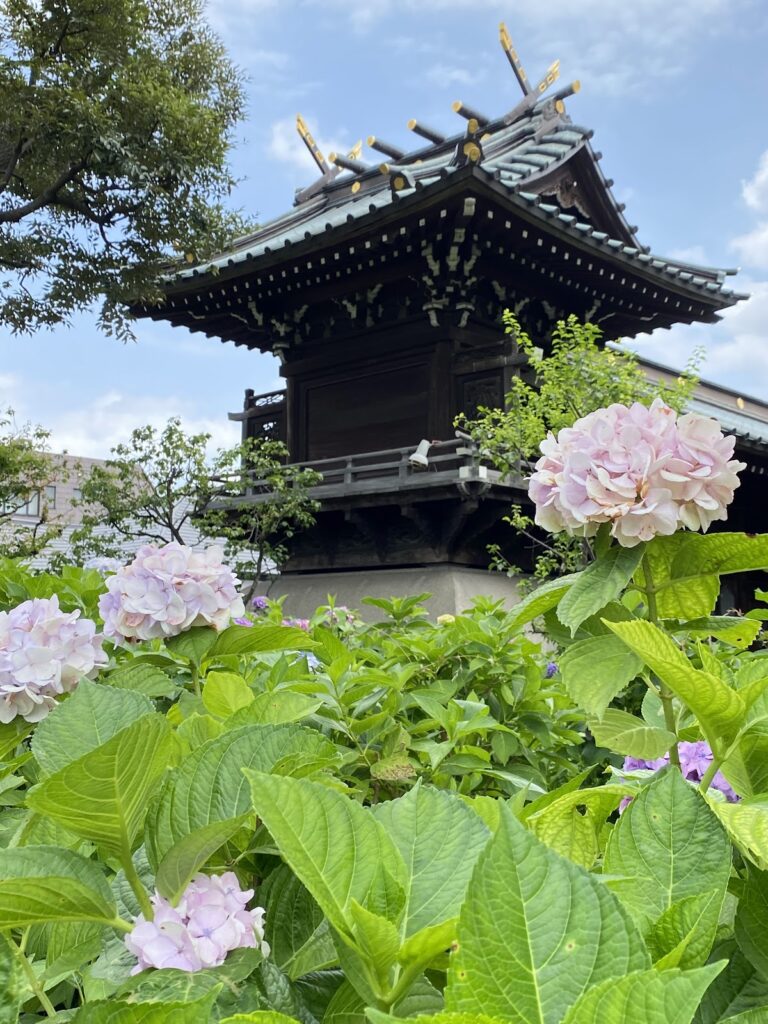
The current shrine buildings are valuable structures that survived the war. The main hall is a wooden building that retains the appearance of the Edo period, exhibiting a simple yet dignified presence. The worship hall has an open design that warmly welcomes visitors, maintaining a tranquil atmosphere despite being in the heart of the city.
Hydrangeas at Hakusan Park
Hakusan Park, adjacent to Hakusan Shrine, is known as a famous spot where approximately 3,000 hydrangea bushes bloom during the rainy season. Hydrangeas of various colors, including blue, purple, pink, and white, are planted from the shrine grounds to the park, allowing visitors to enjoy the flowers along with their prayers.
The park has well-maintained walking paths, allowing visitors to stroll along hydrangea-lined trails and escape the hustle and bustle of the city.
Fujizuka (Mt. Fuji Mound)
Within the grounds of Hakusan Shrine is a Fujizuka, which is usually off-limits, but is specially opened to the public during the “Bunkyo Hydrangea Festival.” A Fujizuka is an artificial mound built to resemble Mt. Fuji, and was created in various locations during the Edo period as part of the worship of Mt. Fuji.
The Fujizuka at Hakusan Shrine is a rare example within Bunkyo Ward, and from its summit, visitors can overlook the shrine grounds. During hydrangea season, it becomes a spectacular viewpoint offering a panoramic view of the colorful flowers.
Subsidiary Shrines and Shrines within the Precincts
Several subsidiary shrines are enshrined within the precincts, each offering unique blessings.
Shirahata Inari Shrine
This Inari shrine is worshipped as the god of business prosperity and abundant harvests.
Kanto Matsuo Shrine
Known as the god of sake brewing, it attracts worshippers from the alcoholic beverage industry.
God of Teeth
This shrine enshrines a god known for curing toothaches, attracting visitors praying for dental health. During the “Bunkyo Hydrangea Festival,” a “toothbrush memorial service” is also held, where you can offer your used toothbrushes.
Bunkyo Hydrangea Festival
Dates and Contents
Held annually in mid-June, the “Bunkyo Hydrangea Festival” is one of Bunkyo Ward’s five major flower festivals and a representative flower event of Bunkyo Ward. Approximately 3,000 hydrangea bushes will be in full bloom at the grounds of Hakusan Shrine and Hakusan Park.
During the festival, the Fujizuka (a miniature Mount Fuji mound) which is normally off-limits will be specially opened to the public, and various events will be held, mainly on weekends.
Main Events
Toothbrush Memorial Service
In keeping with Hakusan Shrine’s belief in relieving toothaches, a unique ceremony will be held where used toothbrushes are offered as a memorial. This is an opportunity to express gratitude for dental health and pray for future good health.
Festival Stalls and Food Booths
Festival stalls and food booths run by local shopping streets will be set up, adding to the festive atmosphere. Enjoy local specialties and festival foods.
Potted Hydrangea Plants for Sale
During the festival, potted hydrangea plants may be sold, allowing you to enjoy the festival atmosphere at home.
Music Performances and Other Events
Mainly on weekends, concerts by local music groups and performances of traditional arts may be held.
Best Viewing Time and Crowds
The best time to see hydrangeas is usually from mid-June to late June. Weekends during the festival period are particularly crowded, but weekdays and mornings offer a relatively more relaxed viewing experience. Hydrangeas on rainy days also have their own charm, offering a beautiful, serene beauty.
Annual Events and the Grand Festival
Grand Festival (Mid-September)
The most important festival of Hakusan Shrine is the Grand Festival, held annually in mid-September. The festival features a portable shrine procession and devotional performances, bringing together local people to celebrate the shrine’s festivities.
During the Grand Festival, the portable shrine parades through the parish area, praying for a bountiful harvest and the safety of the community. It’s a valuable opportunity to experience the atmosphere of a traditional festival.
Other Annual Events
New Year’s Visit (January 1st-3rd)
The shrine is bustling with worshippers praying for happiness in the new year. As one of the ten shrines visited on the Tokyo Ten Shrines Pilgrimage, it attracts many worshippers on the pilgrimage.
Setsubun Festival (February 3rd)
Events such as bean-throwing are held, and prayers are offered for protection against evil and for good health.
Summer Purification Ceremony (June 30th)
This is a Shinto ritual to purify oneself of sins and impurities accumulated over the past six months, and sometimes includes the ritual of passing through a ring of reeds.
Goshuin and Amulet Information
Goshuin
At Hakusan Shrine, in addition to the regular goshuin, a special goshuin for the Tokyo Ten Shrines Pilgrimage is also available. The shrine office is usually open from 9:00 AM to around 5:00 PM, but this may vary depending on events and rituals, so it is recommended to check in advance if you want to be sure to receive a goshuin.
The goshuin features the calligraphy and red seal of “Hakusan Shrine,” resulting in a simple yet dignified finish.
Amulets and Offerings
Hakusan Shrine offers various types of amulets, including those for matchmaking, protection from evil, traffic safety, and academic success. The matchmaking amulet, in particular, is a popular offering, associated with the divine virtues of Kukurihime-no-Mikoto.
During the hydrangea festival, limited-edition amulets and votive tablets featuring hydrangea motifs are sometimes offered, making them popular souvenirs for visitors.
Access and Visiting Information
Basic Information
Location
5-31-26 Hakusan, Bunkyo-ku, Tokyo 112-0001
Phone Number
03-3811-6568
Visiting Hours
Grounds are freely accessible (Shrine office is usually open from 9:00 to 17:00)
Official Website
Information is available on the Bunkyo Ward official website and the Tokyo Ten Shrines Pilgrimage official website.
Access by Train
Hakusan Shrine is easily accessible by public transportation.
From Hakusan Station on the Toei Mita Line:
Approximately 3 minutes on foot from Exit A3. This is the closest station.
From Hon-Komagome Station on the Tokyo Metro Namboku Line:
Approximately 5 minutes on foot from Exit 1.
Toei Bus:
Approximately 3 minutes on foot from the Hakusan-kami bus stop on the Kusa 63 route.
The shrine is within walking distance from both stations, making access very convenient. There are also signs from Hakusan Station, so even first-time visitors can arrive without getting lost.
Parking Information
Hakusan Shrine does not have a parking lot for visitors. There are several coin-operated parking lots in the surrounding area, but congestion is expected during the hydrangea festival, so we strongly recommend using public transportation.
Estimated Visiting Time
The shrine grounds are relatively compact, and a normal visit takes about 15-20 minutes. If you want to enjoy the flowers at a leisurely pace during hydrangea season, or climb the Fujizuka (miniature Mt. Fuji), you should allow 30 minutes to 1 hour.
Nearby Tourist Attractions
Around Hakusan Shrine, there are numerous spots where you can experience the history and culture unique to Bunkyo Ward.
Rikugien Garden
Located about a 15-minute walk from Hakusan Shrine, this Japanese garden is designated as a National Special Place of Scenic Beauty. Built by Yanagisawa Yoshiyasu, a close advisor to the fifth shogun Tokugawa Tsunayoshi, it is a strolling garden with artificial hills and ponds, offering beautiful scenery throughout the seasons. The weeping cherry blossoms in spring and the autumn foliage are particularly breathtaking.
Koishikawa Botanical Garden
Located on the former site of Sugamohara, where Hakusan Shrine once stood, this is Japan’s oldest botanical garden. A facility affiliated with the University of Tokyo, it cultivates a diverse range of plants on its vast grounds. Enjoy a stroll while feeling the historical background.
Nezu Shrine
Like Hakusan Shrine, it is one of the Ten Shrines of Tokyo, located about a 15-minute walk away. Known as a famous spot for azaleas, approximately 3,000 azalea bushes of about 100 varieties bloom from late April to early May. The shrine building, built in the Gongen-zukuri style, is designated as a National Important Cultural Property.
Toyo Bunko Museum
Located about a 10-minute walk from Hakusan Shrine, this museum showcases valuable materials from the Toyo Bunko, Japan’s oldest and largest library for Oriental studies. The impressive “Morrison Library” is a must-see, offering a glimpse into the history and culture of the East.
Joshinji Slope and Hakusan Hills
Bunkyo Ward is known as a “city of slopes,” and many charming slopes are scattered around Hakusan. Strolling along the slopes, including Joshinji Slope, allows you to feel the atmosphere of the Edo period.
Points to Note When Visiting Hakusan Shrine
Recommended Time to Visit
Mid-June (Hydrangea Festival)
This is the most vibrant time, allowing you to enjoy hydrangeas and the Fujizuka (miniature Mount Fuji). However, be prepared for crowds.
Mid-September (Annual Festival)
You can experience the atmosphere of a traditional festival.
Weekday Mornings
For those who want to visit in peace, weekday mornings are recommended. You can catch a glimpse of the daily faith of the local people.
Photography Tips
During hydrangea season, spots where you can photograph the shrine and hydrangeas together are popular. The view from Fujizuka is also a spectacular viewpoint. Taking photos in the soft morning light will result in even more beautiful pictures.
Combining with the Tokyo Ten Shrines Pilgrimage
Hakusan Shrine is one of the Tokyo Ten Shrines, so many people visit it as part of a pilgrimage. Since Nezu Shrine is within walking distance, a pilgrimage course combining the two shrines is popular. A special goshuincho (stamp book) is also sold, so it’s recommended to try the Ten Shrines Pilgrimage.
Summary
Hakusan Shrine has a history of over 1000 years and is a venerable shrine that received the faith of the Tokugawa shogunate. As one of Tokyo’s Ten Shrines, Hakusan Shrine has long been cherished by locals for its diverse blessings, including those related to matchmaking, family safety, and toothache relief.
The hydrangea festival in June, in particular, offers a rare opportunity to enjoy both the beauty of nature and history in the heart of the city. With its convenient location just a 3-minute walk from Hakusan Station, and surrounded by other famous Bunkyo Ward landmarks such as Rikugien Garden, Koishikawa Botanical Garden, and Nezu Shrine, it’s easy to spend a whole day exploring the history of Bunkyo Ward.
Why not spend some time in the heart of the city, calming your mind in the tranquil grounds, admiring the seasonal flowers, and enjoying a moment of peace and tranquility? Hakusan Shrine is a hidden gem in Tokyo, allowing visitors to feel the weight of history and the blessings of nature.
