Konsenji Temple | A Complete Guide to the History and Access of this Rinzai Zen Kenchoji School Temple in Imaizumi, Kamakura City
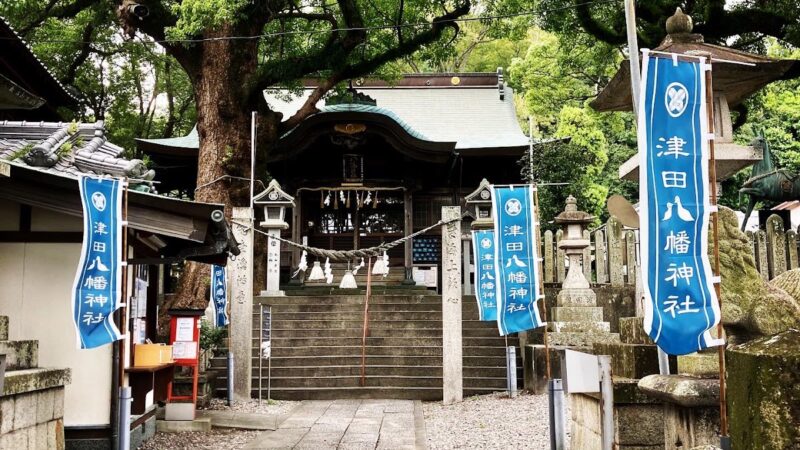
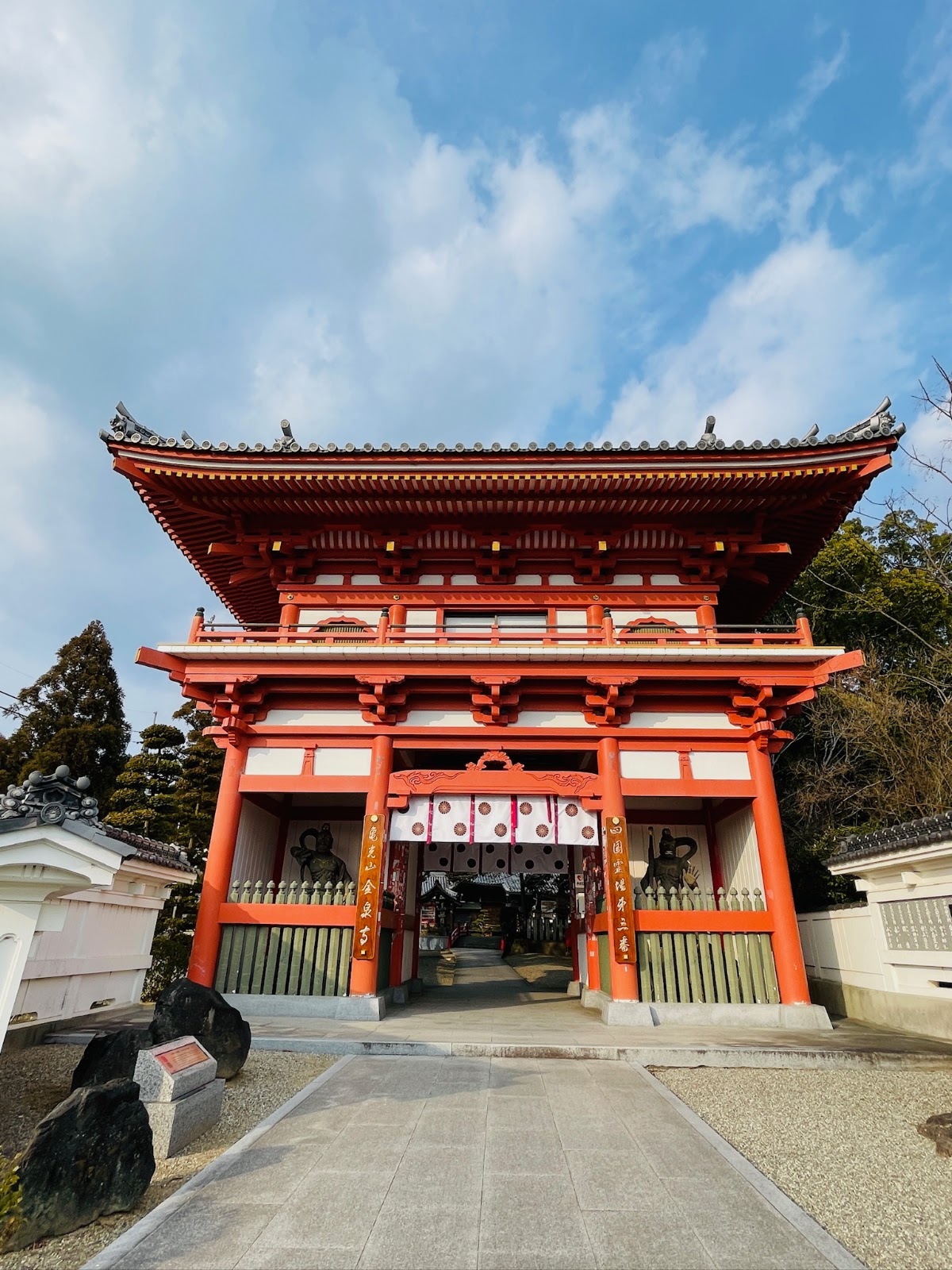
Konsenji Temple, located in Imaizumi, Kamakura City, is a Rinzai Zen Kenchoji school temple that stands quietly alongside Hakusan Shrine. Slightly removed from the bustling center of Kamakura, this temple has weathered the turbulent waves of history, including the separation of Shinto and Buddhism, and has been passed down to the present day. This article provides comprehensive information useful for those considering a visit, including the detailed history of Konsenji Temple, access methods, visiting information, and nearby attractions.
What is Konsenji Temple? | Basic Information and Overview
Konsenji Temple is a Rinzai Zen Kenchoji school temple located at 3-12-1 Imaizumi, Kamakura City, Kanagawa Prefecture. Its mountain name is Jufukusan, and its principal image is said to be Nyoirin Kannon. Currently, it is positioned as a branch temple of Kenchoji Temple and stands quietly beside Hakusan Shrine. ### Basic Temple Data
- Official Name: Jufukusan Konsenji Temple
- Sect: Rinzai Zen Kenchoji School
- Principal Image: Nyoirin Kannon
- Location: 3-12-1 Imaizumi, Kamakura City, Kanagawa Prefecture
- Phone Number: 0467-46-6648
- Nearest Station: JR Yokosuka Line “Kita-Kamakura Station”
Konsenji Temple is currently almost deserted, and it is not usually possible to enter the main hall for viewing. However, its tranquil atmosphere and historical background leave a deep impression on visitors.
History and Origins of Konsenji Temple | From Separation of Shinto and Buddhism to Independence
To understand the history of Konsenji Temple, it is essential to know its relationship with Hakusan Shrine. The two have walked together for many years, and their relationship has changed with the passage of time.
As the Head Temple of Hakusan Shrine
Imaizumi-ji Temple originally functioned as the head temple of Hakusan Shrine. Hakusan Shrine is said to have originated from a Bishamondo hall built to enshrine a statue of Bishamonten, supposedly created by Gyoki and bestowed upon Minamoto no Yoritomo during his visit to Kurama-dera Temple. A head temple is a temple that manages a shrine, a common practice during the era of Shinto-Buddhist syncretism.
The “Shinpen Sagami no Kuni Fudoki-ko” (New Compilation of the Topography of Sagami Province) (1841) states that the principal image is a statue of Shakyamuni Buddha emerging from the mountain, confirming that the temple definitely existed before 1840. Therefore, while the official founding year is 1983, its actual history is much older.
Merger with the Meiji-era Separation of Shinto and Buddhism Order
With the Meiji Restoration, the government issued the Shinto-Buddhist Separation Order. This policy forced the separation of shrines and temples, dismantling the form of Shinto-Buddhist syncretism throughout the country. Imaizumi-ji Temple was no exception, and it decided to discontinue its joint enshrinement with Hakusan Shrine.
Later, in the early Showa period, it chose to merge with Meigetsu-in Temple. Meigetsu-in is a representative Rinzai Zen temple of the Kencho-ji school in Kamakura and is widely known as the “Hydrangea Temple.” For a time, Imaizumi-ji Temple existed as part of Meigetsu-in.
Independence in 1982
In 1982 (Showa 57), Imaizumi-ji Temple became independent from Meigetsu-in and began its journey as an independent temple once again. This independence officially recognized Imaizumi-ji Temple as a Rinzai Zen temple of the Kencho-ji school, and it remains so to this day. The official founding year is listed as 1983 (Showa 58), which is thought to be because this independence was considered a new starting point.
The Principal Image and Benefits of Imaizumi-ji Temple
The principal image of Imaizumi-ji Temple is said to be Nyoirin Kannon. Nyoirin Kannon is one of the Six Kannon, and is a Bodhisattva of Avalokiteshvara depicted holding a wish-granting jewel and a Dharma wheel.
Characteristics of Nyoirin Kannon
Nyoirin Kannon is believed to grant wishes and bring good fortune, as it holds a wish-granting jewel and a Dharma wheel that spreads Buddhist teachings. It is often depicted with six arms, each holding a jewel, a Dharma wheel, or prayer beads.
The “Shinpen Sagami no Kuni Fudoki Ko” (New Compilation of the Topography of Sagami Province) records that the principal image was Shakyamuni descending from the mountain, suggesting that the principal image may have changed over time. Shakyamuni descending from the mountain represents Shakyamuni descending from the mountain after completing his ascetic training, symbolizing his state after attaining enlightenment.
Expected Benefits
At temples where Nyoirin Kannon is the principal deity, the following benefits can be expected:
- Wish Fulfillment: It is believed that heartfelt wishes will be granted through the power of the wish-granting jewel.
- Well-being and Abundance: Receiving material and spiritual abundance.
- Safe Childbirth Prayers: Also considered a guardian deity for women.
- Good Fortune and Prosperity: Attracting good fortune in life.
How to Access Imaizumi-ji Temple
Imaizumi-ji Temple is located in the Imaizumi area, in the northern part of Kamakura City. We will introduce access methods using public transportation and by car.
Access by Train and Bus
Route from the Nearest Station:
- From JR Yokosuka Line “Kita-Kamakura Station”
- Kita-Kamakura Station is the nearest station.
- Accessible by bus or on foot from the station.
- Approximately 20-25 minutes on foot.
- By Bus
- Take a bus from Ofuna Station or Kita-Kamakura Station.
- Getting off at the “Imaizumi Fudo” bus stop is convenient.
- A few minutes’ walk from the bus stop.
- Other Access Stations
- JR Keihin-Tohoku Line/Negishi Line “Hongodai Station”
- Take a bus or taxi from each station.
Detailed Walking Access
When walking from Kita-Kamakura Station, the route takes you through a quiet residential area of Kamakura. There are other temples and shrines along the way, allowing you to enjoy a stroll through Kamakura while you visit.
While some say the entrance is difficult to find on Google Maps, there is a signpost for “Imaizumi-ji Temple” along the bus route, so that should serve as a landmark. It’s located near the entrance to the approach to Hakusan Shrine, and the two are adjacent.
Access by Car and Parking
If visiting by private car, head north from Kamakura city center. However, information on dedicated parking for Imaizumi-ji Temple is limited, so it’s recommended to use nearby paid parking or public transportation.
The roads in the Kamakura area are narrow and often congested on weekends, so plan your trip with plenty of time to spare.
Visiting Imaizumi-ji Temple
Imaizumi-ji Temple is currently almost unmanned, and the following points should be noted regarding visits.
Visiting Hours and Admission Fee
- Visiting Hours: The temple grounds are generally open for free worship.
- Admission Fee: Free (entry to the temple grounds)
- Interior of the Main Hall: Normally closed to the public
- Goshuin (Temple Seal): Imaizumi-ji Temple does not issue Goshuin.
Points to Note When Visiting
Imaizumi-ji Temple is an uninhabited temple, so there are no resident monks or administrators. Therefore, please note the following:
- No Viewing of the Interior of the Main Hall: Normally, it is not possible to enter the main hall for worship.
- No Goshuin Issued: Those collecting Goshuin will need to obtain them at other temples.
- Respectful Attitude: As the temple is located in a residential area, consideration for the neighbors is necessary.
- Keep the Temple Grounds Clean: Please take your trash with you.
Best Season to Visit
Imaizumi-ji Temple does not have showy flowering trees or shrubs, but it can be visited throughout the year to enjoy its quiet atmosphere. In particular:
- Spring: Beautiful fresh greenery, a perfect season for a stroll
- Summer: Cool shade and a tranquil atmosphere
- Autumn: The season of autumn leaves, and the surrounding nature is also beautiful
- Winter: Fewer tourists, allowing for a more peaceful visit
The Hakusan Shrine’s Ooshime Festival (Great Shimenawa Festival) is held in January and is a highlight event where a shimenawa (sacred rope) approximately 7 meters long is dedicated. Visiting during this time allows you to witness a traditional local event.
Relationship with Hakusan Shrine | The Charm of the Adjacent Shrine
When visiting Imaizumi-ji Temple, we recommend also visiting the adjacent Hakusan Shrine. The two have a deep historical relationship, and visiting them together will provide a deeper understanding.
History of Hakusan Shrine
Hakusan Shrine is said to have originated from the Bishamondo (Bishamonten Hall), built to enshrine a statue of Bishamonten, said to have been created by Gyoki, which was given to Minamoto no Yoritomo during his visit to Kurama-dera Temple. This shrine is deeply connected to the samurai culture of the Kamakura period.
Oshime Matsuri (Great Shimenawa Festival)
The most famous event at Hakusan Shrine is the Oshime Matsuri, held every January. During this festival:
- A shimenawa (sacred rope) approximately 7 meters long, modeled after the giant centipede (considered the guardian insect of the shrine), is dedicated.
- Prayers are offered for a bountiful harvest and daily peace.
- It is a traditional local event.
Monument to the Poems of Suikameitei Tenhiromaru
At the entrance to the Hakusan Shrine’s approach is a monument inscribed with a poem by Suikameitei Tenhiromaru, a kyoka (comic verse) poet from the Edo period. A must-see for history buffs.
View from Hakusan Shrine
From the grounds of Hakusan Shrine, you can look down on Imaizumi-ji Temple, offering an interesting perspective for understanding the relative locations of the two and the surrounding topography.
Temples, Shrines, and Points of Interest Around Imaizumi-ji Temple
Besides Imaizumi-ji Temple, the Imaizumi area has many other temples, shrines, and historical sites worth visiting.
Shōmyōji Temple (Imaizumi Fudo)
This is a Jōdo sect temple located at 4-5-1 Imaizumi, Kamakura City.
- Founding: 818 (Kōnin 9), approximately 1200 years of history
- Principal Image: Amida Buddha
- Alternate Name: Affectionately known as Imaizumi Fudo
- Features: Located on the slopes of the Kamakura Alps, surrounded by abundant nature
- Temple Grounds: Imaizumi Fudo-son, Benten-dō, Yin-Yang Waterfall, etc.
- Access: Immediately accessible by bus from Ōfuna Station, alighting at “Imaizumi Fudo” bus stop.
Shōmyōji Temple is larger in scale than Imaizumiji Temple and actively engages in religious activities. Imaizumi Fudo-son is a center of local faith and attracts many visitors.
Meigetsuin Temple (Hydrangea Temple)
Meigetsuin Temple, formerly merged with Imaizumiji Temple, is one of Kamakura’s representative tourist temples.
- Location: Yamanouchi, Kamakura City
- Sect: Kenchoji School of Rinzai Zen Buddhism
- Features: Famous as the “Hydrangea Temple,” with approximately 2,500 hydrangea bushes in bloom in June
- Highlights: Circular window (Window of Enlightenment), rear garden of the main hall, tomb of Hojo Tokiyori
Meigetsuin Temple is conveniently located about a 10-minute walk from Kita-Kamakura Station and can be visited in conjunction with a visit to Imaizumi-ji Temple.
Kenchoji Temple (Head Temple)
This is the head temple of the Kenchoji School of Rinzai Zen Buddhism, to which Imaizumi-ji Temple belongs.
- Location: Yamanouchi, Kamakura City
- Founded: 1253 (Kencho 5)
- Founder: Rankei Doryu
- Founder: Hojo Tokiyori
- Features: First of the Five Great Zen Temples of Kamakura, Japan’s oldest Zen training center
Visiting Kencho-ji Temple allows you to experience the atmosphere of the head temple of the sect to which Imaizumi-ji Temple belongs.
Historical Background of the Imaizumi Area
The name Imaizumi itself has a history. This area, which has existed since the Kamakura period, has seen the construction of temples and shrines alongside the development of the samurai society, functioning as a place of worship.
Imaizumi in the Kamakura Period
After the establishment of the Kamakura Shogunate by Minamoto no Yoritomo, Kamakura developed as the capital of the samurai. The Imaizumi area is located in the northern part of Kamakura, and temples and shrines have been established in a relatively quiet environment. The legend that Minamoto no Yoritomo was involved in the founding of Hakusan Shrine indicates that this region was not unrelated to the Kamakura Shogunate.
Edo Period Appearance
According to the description in the “Shinpen Sagami no Kuni Fudoki-ko” (New Compilation of the Topography of Sagami Province), it is clear that Imaizumi-ji Temple definitely existed in the late Edo period, and that it attracted worshippers with the statue of Shakyamuni emerging from the mountain as its principal image. During this period, it functioned as the head temple of Hakusan Shrine, maintaining the form of syncretism of Shinto and Buddhism.
Changes Since the Modern Era
The Meiji-era decree separating Shinto and Buddhism was a major turning point for Imaizumi-ji Temple. The changes—separation from Hakusan Shrine, merger with Meigetsu-in Temple, and then independence— illustrate how modern Japanese religious policies had a significant impact even on small local temples.
How to Enjoy a Visit to Imaizumi-ji Temple
Imaizumi-ji Temple is not a flashy tourist temple, but that’s precisely why it has its own unique charm.
Enjoying the Tranquility
In contrast to the bustling center of Kamakura, the area around Imaizumi-ji Temple is extremely quiet. This is the perfect environment for a peaceful visit away from the hustle and bustle of the city.
Experiencing History
As a temple that has weathered the turbulent waves of history, such as the separation of Shinto and Buddhism, you can feel the religious history of modern Japan firsthand. You will realize that even a small temple can hold a great deal of history.
Visiting Hakusan Shrine Together
Imaizumi-ji Temple and Hakusan Shrine are adjacent to each other, and visiting both together allows you to understand the remnants of the syncretism of Shinto and Buddhism and the relationship between the two after the separation.
Walking Course in Northern Kamakura
Starting from Imaizumi-ji Temple, you can create a walking course that includes visits to Shōmyō-ji Temple (Imaizumi Fudo), Meigetsu-in Temple, Kenchō-ji Temple, and others. While it’s a lesser-known area among Kamakura’s tourist spots, that’s precisely why you can enjoy a leisurely stroll.
Frequently Asked Questions about Imaizumi-ji Temple
Can I get a Goshuin (temple stamp)?
Unfortunately, Imaizumi-ji Temple does not issue Goshuin. This is because it is an uninhabited temple and there are no resident monks. Those collecting Goshuin (temple stamps) should consider obtaining them at nearby Meigetsuin or Kenchoji temples.
Can I view the inside of the main hall?
Normally, entry into the main hall is not permitted. Worship is limited to viewing from the outside. While the situation may differ during special events or ceremonies, please assume that viewing is generally limited to the exterior.
Is there parking?
Information regarding parking at Imaizumi-ji Temple is limited. If visiting by car, we recommend using nearby paid parking lots or public transportation.
Is there an entrance fee?
Entry to the temple grounds is free. There is no entrance fee.
When is the best time to visit?
While you can visit throughout the year, January, when the Hakusan Shrine’s Grand Shimenawa Festival is held, is a particularly interesting time. Also, weekdays and winter, when there are fewer tourists, offer a more peaceful visit.
Summary | The Charm and Significance of Visiting Imaizumi-ji Temple
Imaizumi-ji Temple is a small Rinzai Zen temple of the Kencho-ji school located in Imaizumi, Kamakura City, but its history dates back to before the Edo period. It began as the head temple of Hakusan Shrine, underwent separation due to the Meiji-era separation of Shinto and Buddhism, merged with Meigetsu-in Temple, and finally became independent in 1982, leading to its current form.
As an uninhabited temple, it lacks flashy tourist attractions, but it is a precious place where one can feel history in a tranquil atmosphere and offer a peaceful place to worship. Visiting it in conjunction with Hakusan Shrine allows you to experience the remnants of Shinto-Buddhist syncretism and the religious history of modern Japan.
When sightseeing in Kamakura, why not visit not only the bustling tourist spots but also quiet temples like Imaizumi-ji? There you will find a different kind of charm and historical weight compared to larger temples.
It’s relatively easy to access from Kita-Kamakura Station, and by visiting it along with Shōmyōji Temple (Imaizumi Fudo), Meigetsuin Temple, and Kenchōji Temple, you can enjoy a fulfilling tour of the temples and shrines of northern Kamakura. It will be a valuable experience to feel the history and forms of faith of Japan in a tranquil environment.