
Complete Guide to Kaizo-ji Temple (Kamakura City, Kanagawa Prefecture) | A Thorough Explanation of the Charm, History, and Seasonal Highlights of the Flower Temple
Near the tranquility of Ogigayatsu in Kamakura City, Kaizo-ji Temple is an ancient Rinzai Zen temple of the Kencho-ji school, beloved by many worshippers and tourists as the “Temple of Flowers.” Located about a 20-minute walk from Kamakura Station, away from the hustle and bustle, this temple is one of Kamakura’s representative tourist spots, where seasonal flowers and historical remains harmonize beautifully.
This article comprehensively introduces everything you need to know before visiting, from the historical background of Kaizo-ji Temple to its seasonal flowers, highlights such as the “Sokodatsu-no-i” and “Juroku-no-i” wells (both of the Ten Famous Wells of Kamakura), access methods, and surrounding tourist information.
History and Origins of Kaizo-ji Temple
From its Founding to the Fall of the Kamakura Shogunate
The history of Kaizo-ji Temple dates back to Kencho 5 (1253). In this year, by order of the sixth shogun, Prince Munetaka, Fujiwara no Nakayoshi became the principal benefactor and constructed the seven main temple buildings. Initially founded as a Shingon Buddhist temple, it flourished as one of the religious centers during the mid-Kamakura period.
The term “seven main temple buildings” refers to the seven main buildings of a Buddhist temple (main hall, pagoda, lecture hall, bell tower, sutra repository, monks’ quarters, and refectory), indicating the high status of Kaizo-ji Temple at the time. The Ogigayatsu area was a district lined with residences of important figures of the Kamakura shogunate, and Kaizo-ji Temple was an important religious facility occupying a corner of this area.
However, in 1333, during the fall of the Kamakura shogunate following Nitta Yoshisada’s attack on Kamakura, the seven main temple buildings were completely destroyed by fire. This war caused immense damage to many temples and shrines in Kamakura, and Kaizo-ji Temple was no exception.
Reconstruction as a Zen Temple
Approximately 60 years after its destruction, in 1394 (Oei 1), Kaizo-ji Temple was rebuilt by order of Ashikaga Ujimitsu, the second Kamakura Shogun, with Uesugi Ujisada as its founder. At this time of reconstruction, the temple’s sect changed from Shingon Buddhism to the Kencho-ji branch of the Rinzai school of Zen Buddhism, establishing the foundation for the temple as it exists today.
The founding abbot was Shinsho Kugai, also known as Genno Zenji, famous for the Noh play “Sessho-seki” (Killing Stone). Genno Zenji was a renowned high priest of the Muromachi period, and his virtue was widely known. Since then, Kaizo-ji Temple has developed under the patronage of the Ogigayatsu Uesugi clan and has played an important role as one of the Zen temples in Kamakura. ### Relationship with the Ogigayatsu Uesugi Clan
The Ogigayatsu Uesugi clan was a branch of the Uesugi clan, which held significant power in the Kanto region during the Muromachi period. Kaizo-ji Temple is located in the innermost part of Ogigayatsu and served as the family temple for this clan. Under the patronage of the Uesugi clan, Kaizo-ji Temple continued to function as a Zen training center and a center of local faith.
Even today, many buildings, gardens, and historical remains that retain the atmosphere of that time remain on the temple grounds, conveying the history from the Kamakura period to the Muromachi period to visitors.
Highlights of Kaizo-ji Temple
Seasonal Flowers | The Charm of a “Flower Temple”
Kaizoji Temple became widely known as a “flower temple” due to the seasonal flowers that bloom throughout the year on its grounds. The well-maintained grounds allow visitors to enjoy a variety of flowers throughout the year.
Spring Flowers
In spring, the crabapple tree (Mallotus spectabilis), one of Kaizo-ji Temple’s representative flowers, blooms beautifully. Its pale pink blossoms are elegant, making it a popular season for photography enthusiasts. The crabapple tree is native to China and is known as the “Lady of Flowers,” a dignified flower.
Also in spring, plum and cherry blossoms adorn the temple grounds, creating a landscape that heralds the arrival of spring in Kamakura.
Early Summer to Summer Flowers
During the rainy season, hydrangeas, a representative flower of Kamakura, adorn the temple grounds. While not large in scale, the hydrangeas at Kaizo-ji Temple create a harmonious and picturesque scene within the tranquil temple grounds.
In summer, the vibrant orange trumpet vine (Campsis grandiflora) blooms profusely, creeping along the temple gate and walls. Its striking color is a symbolic sight of Kaizo-ji Temple in summer. Purple and white bellflowers also add a refreshing touch to the temple grounds during the summer. Autumn Flowers and Leaves
In autumn, bush clover blooms, enveloping the temple grounds in a tranquil autumnal atmosphere. During the autumn foliage season, the trees within the grounds turn red and yellow, allowing visitors to enjoy the beautiful autumn colors in a peaceful setting. Kaizo-ji Temple’s autumn foliage is relatively less crowded compared to other famous autumn foliage spots in Kamakura, making it a hidden gem for leisurely viewing.
Winter Scenery
In winter, camellias and daffodils bloom, adding color to the quiet temple grounds. The snowy landscape is also exceptional, offering a simple yet beautiful scene befitting a Zen temple.
Kamakura’s Ten Famous Wells: “Sokonuke-no-i” (Bottomless Well)
Within the grounds of Kaizo-ji Temple lies “Sokonuke-no-i,” one of the “Kamakura’s Ten Famous Wells.” The Kamakura’s Ten Famous Wells are ten famous wells selected from historical wells scattered throughout Kamakura, and Kaizo-ji Temple’s Sokonuke-no-i is particularly well-known among them.
A legend surrounds this well, concerning Shinsho Kugai (Zen Master Gen’ō). One day, when the Zen master was drawing water, the bottom of his bucket fell out. It is said that at that moment, the Zen master attained enlightenment. The event of the bucket “falling out” became associated with Zen teachings as a symbol of letting go of attachment.
The well still remains on the temple grounds, conveying its historical value and spiritual significance to this day.
The Sixteen Wells
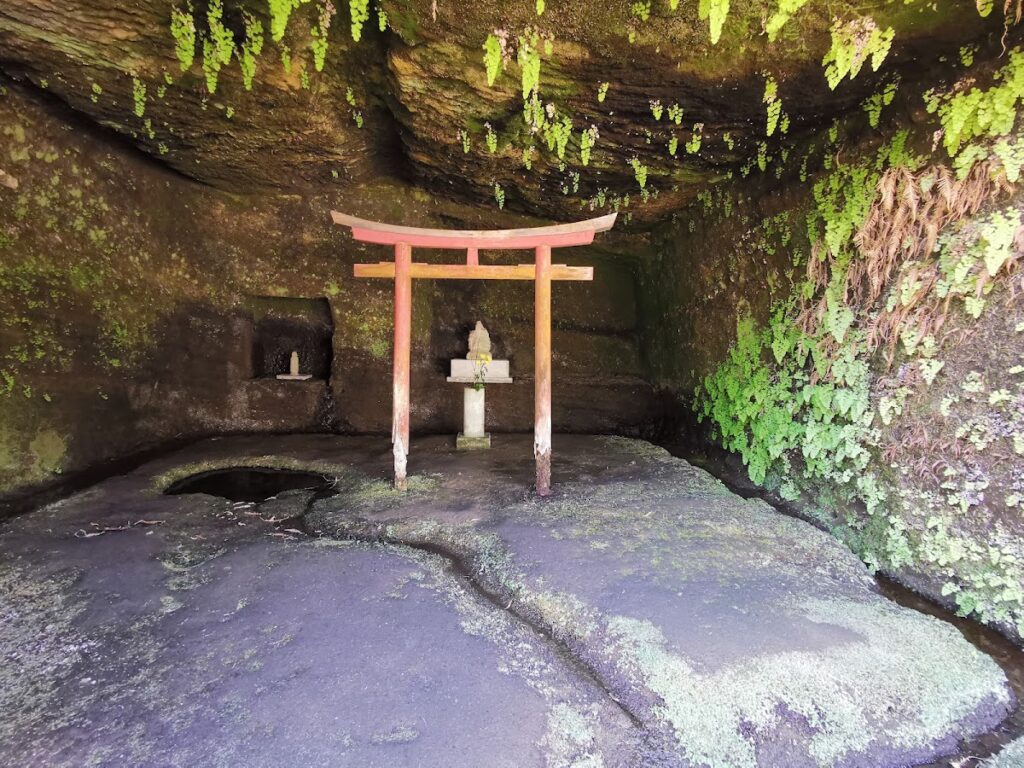
Behind the Yakushi-do Hall lies another precious historical site: the Sixteen Wells. This mysterious well features 16 round holes carved into a rock cave, from which pure water still springs forth.
This well demonstrates the high level of stonework techniques of the Kamakura period. While there are various theories about its purpose, its mystical atmosphere continues to fascinate visitors. Located down a small path beside the Yakushi-do Hall, it’s somewhat difficult to find, but it’s a must-see spot when visiting Kaizo-ji Temple. The sound of the spring water, combined with the dimly lit atmosphere of the cavern, creates a mystical and solemn space.
Main Hall and Yakushi Hall
The main hall of Kaizo-ji Temple is a tranquil building with characteristics of Zen Buddhist architecture. The principal image is Yakushi Nyorai (Medicine Buddha), and it attracts worshippers seeking healing from illness and prayers for good health. Inside the hall is a statue of the temple’s founder, Shinsho Kugai, which tells the story of the temple’s history.
The Yakushi Hall is built separately from the main hall and also enshrines Yakushi Nyorai. There are sixteen wells behind the Yakushi Hall, so it is highly recommended to visit them as well during your visit.
Beautifully Maintained Grounds and Garden
The grounds of Kaizo-ji Temple are meticulously maintained, leaving visitors with a refreshing impression. The simple yet refined garden, typical of a Zen temple, harmonizes with seasonal flowers, creating a calming space.
The moss-covered stone steps, old stone lanterns, and water basin all contribute to the temple’s charming atmosphere, making it a popular spot for photography. While the temple grounds are relatively compact, the highlights are concentrated within, making it ideal for a leisurely stroll.
Access to Kaizo-ji Temple
Basic Information
Location
4-18-8 Ogigayatsu, Kamakura City, Kanagawa Prefecture 248-0011
Sect
Rinzai Zen Kencho-ji School
Visiting Hours
9:30 AM – 4:00 PM
Admission Fee
Free entry to the temple grounds (donations welcome)
Closed Days
No specific closing days (may change due to weather or events)
Access by Train and on Foot
From JR Yokosuka Line/Enoshima Electric Railway “Kamakura Station”
Approximately 20 minutes on foot from the west exit of Kamakura Station. The Ōgigayatsu area is located northwest of Kamakura Station and is an area dotted with temples such as Jufuku-ji and Eishō-ji.
From the west exit of Kamakura Station, head north along the Yokosuka Line tracks towards Jufuku-ji. Continuing past Jufuku-ji, you will enter the quiet residential area of Ōgigayatsu. Since Kaizō-ji Temple is located at the very back of Ōgigayatsu, you can enjoy a quiet and peaceful atmosphere along the way.
The route is relatively easy to follow, but it’s best to check the signs as you go. We recommend wearing comfortable shoes.
Access by Bus
If using the bus from JR Kamakura Station, take the Enoden bus and get off at the “Ōgigayatsu” bus stop, then it’s about a 3-minute walk. However, the number of buses is not very frequent, so we recommend checking the timetable in advance.
Access by Car and Parking
Kaizō-ji Temple does not have its own parking lot. The roads in Kamakura are narrow, and traffic congestion is common, especially during peak tourist season, so we recommend using public transportation.
If you absolutely must travel by car, the most practical option is to use a paid parking lot near Kamakura Station and access the temple on foot or by bus.
Recommended Tourist Spots near Kaizo-ji Temple
Jufuku-ji Temple
Located about a 10-minute walk from Kaizo-ji Temple, Jufuku-ji Temple is a Rinzai Zen temple of the Kencho-ji branch, holding the third highest rank among the Five Great Zen Temples of Kamakura. It is said to have been founded by Hojo Masako, the wife of Minamoto no Yoritomo, and is famous for its beautiful stone-paved approach. It is especially beautiful during the autumn foliage season, making it an ideal spot to visit in conjunction with Kaizo-ji Temple.
Eisho-ji Temple
Eisho-ji Temple, Kamakura’s only nunnery, is also within walking distance of Kaizo-ji Temple. Founded by Okatsu-no-kata, a concubine of Tokugawa Ieyasu, the temple boasts a beautiful bamboo grove and a tranquil atmosphere that soothes the soul.
Jokomyo-ji Temple
Located in the Ogigayatsu area, Jokomyo-ji Temple is a Shingon sect temple of the Sennyu-ji school and houses the Amida Triad, a nationally designated Important Cultural Property. Its quiet grounds, surrounded by trees, are known as a hidden gem of Kamakura.
Zeniarai Benzaiten Ugafuku Shrine
Located about a 15-minute walk from Kaizo-ji Temple, Zeniarai Benzaiten Shrine is famous for the belief that washing money in the spring water inside its cave will bring good fortune. It is one of Kamakura’s representative tourist spots and is bustling with many visitors.
Kamakura Daibutsu (Kotoku-in Temple)
The Kamakura Daibutsu, a symbol of Kamakura, is located about a 25-minute walk from Kaizo-ji Temple, or about a 10-minute bus ride away. The Amida Buddha statue, approximately 11.3 meters tall, is designated a National Treasure and is an unmissable spot for Kamakura sightseeing.
Gourmet Information Around Kaizo-ji Temple
Cafes and Restaurants Around Kamakura Station
Since there are few restaurants around Kaizo-ji Temple, it is recommended to eat around Kamakura Station. The west exit area of Kamakura Station has a variety of restaurants, including cafes renovated from old houses, restaurants using Kamakura vegetables, and restaurants serving vegetarian cuisine.
Recommended Restaurants
- A restaurant serving creative dishes using Kamakura vegetables
- Lunch at a cafe in a renovated old house
- Kamakura’s famous Shirasu Don (whitebait rice bowl)
- A specialty shop for matcha sweets
Hidden Cafes in the Ogigayatsu Area
The Ogigayatsu area has several small cafes loved by locals. They are less crowded with tourists, allowing you to enjoy meals and tea in a relaxed atmosphere.
Best Season and Time Required for Visiting Kaizo-ji Temple
Charms of Each Season
Kaizoji Temple is worth visiting throughout the year, but the following seasons are particularly recommended.
Spring (March-May)
Spring, when crabapples and cherry blossoms are in full bloom, is one of the most vibrant seasons at Kaizo-ji Temple. The crabapple blossoms, especially from mid-to-late April, are a must-see.
Early Summer (June)
Hydrangea season. Compared to other hydrangea spots in Kamakura, it’s less crowded, allowing for a more peaceful viewing experience.
Summer (July-August)
A beautiful season for trumpet vines and bellflowers. Vibrant colors adorn the temple grounds during the summer.
Autumn (October-November)
A season to enjoy bush clover and autumn leaves. The autumn foliage season, especially from mid-to-late November, offers a chance to enjoy the beautiful autumn colors in a tranquil setting.
Estimated Time Required
Because Kaizo-ji Temple’s grounds are compact, 30 minutes to 1 hour is a good estimate for worship and sightseeing. If you plan to take photos or spend more time leisurely in the grounds, allow 1 to 1.5 hours. If you plan to visit Kaizoji Temple along with nearby temples such as Jufukuji and Eishoji, it’s recommended to allocate about half a day to leisurely explore the Ogigayatsu area.
Points to Note and Manners When Visiting Kaizoji Temple
Manners for Visiting
Kaizoji Temple is a temple that still functions as a place of worship. Please observe the following manners when visiting:
- Be quiet within the temple grounds
- Photography is permitted, but please be considerate of the main hall and other visitors
- Always take your trash with you
- Do not touch plants or buildings
- Refrain from entering areas other than designated areas
Clothing and Belongings
Since there are stone steps and uneven ground within the temple grounds, we recommend wearing comfortable shoes. In summer, the sun is strong, so bring a hat, parasol, and drinks for hydration.
On rainy days, the grounds can be slippery, so extra caution is needed.
Crowds
Kaizoji Temple is a relatively uncrowded hidden gem among Kamakura’s temples. However, during the flowering crabapple and autumn foliage seasons, the number of visitors increases, so visiting early in the morning is recommended.
To fully enjoy the charm of Kaizo-ji Temple
Photography Tips
Kaizoji Temple is also a popular photography spot. The following are particularly recommended photography spots:
- A composition combining the temple gate and seasonal flowers
- The garden in front of the main hall
- The summer wall with blooming trumpet vines
- Moss-covered stone steps and trees
- The mystical atmosphere of the Sixteen Wells
Photography in the soft light of early morning or evening is recommended.
Model Kamakura Sightseeing Course
We introduce a model walking course in the Ogigayatsu area, including Kaizo-ji Temple.
Morning
Kamakura Station West Exit → Jufuku-ji Temple (30 min) → Eisho-ji Temple (30 min) → Kaizo-ji Temple (1 hour)
Afternoon
Jokomyo-ji Temple (30 min) → Zeniarai Benzaiten Shrine (40 min) → Lunch near Kamakura Station → Kamakura Daibutsu (Great Buddha) (40 min)
This course allows you to efficiently visit the major temples and shrines in the Ogigayatsu area.
Goshuin (Temple Stamp) Information
You can receive a Goshuin at Kaizo-ji Temple. Please request it at the main hall during visiting hours. You can bring your own Goshuin book, or you can receive a pre-printed Goshuin.
Many people visit Kaizo-ji Temple as part of their Goshuin pilgrimage of Kamakura’s temples and shrines.
Summary | The Charm of Kaizo-ji Temple, Enveloped in Tranquility and Flowers
Kaizo-ji Temple, located in Ōgigayatsu, Kamakura City, Kanagawa Prefecture, is an ancient temple of the Kenchō-ji branch of the Rinzai school of Zen Buddhism, founded in 1253. Having survived the destruction caused by fire during the fall of the Kamakura Shogunate, it was rebuilt as a Zen Buddhist temple in 1394 and, under the patronage of the Ōgigayatsu Uesugi clan, has functioned as a center of faith in the region.
Kaizo-ji Temple, known as the “Temple of Flowers,” boasts its greatest charm: flowers that bloom throughout the seasons. From spring’s crabapples, early summer’s hydrangeas, summer’s trumpet vines and bellflowers, autumn’s bush clover and maple leaves, to winter’s camellias, beautiful flowers adorn the temple grounds throughout the year. The meticulously maintained grounds continue to provide visitors with peace and beauty.
Furthermore, Kaizo-ji Temple boasts numerous historically valuable remains, including the “Sokodatsu-no-i” well, one of the Ten Famous Wells of Kamakura, and the mystical “Juroku-no-i” well. These wells are precious cultural heritage sites that convey the lifestyle, beliefs, and Zen teachings of the Kamakura period.
Despite being only about a 20-minute walk from Kamakura Station, its tranquil location in the innermost part of Ogigayatsu offers a peaceful escape from the hustle and bustle of Kamakura. When visiting Kamakura, be sure to visit Kaizo-ji Temple and experience its history, beauty, and serene atmosphere.
Visiting nearby temples such as Jufuku-ji, Eisho-ji, and Jokomyo-ji will allow you to more deeply appreciate the historical charm of the Ogigayatsu area. Kaizo-ji Temple, which displays different expressions in each of the four seasons, is a representative flower temple of Kamakura that offers new discoveries and inspiration with every visit.
