Complete Guide to Koganji Temple (Niigata Prefecture, Chuo Ward) | A Shingon Buddhist Temple in Furumachi Known for its Giant Statue of Kobo Daishi
Located in the bustling Furumachi area of Chuo Ward, Niigata City, Koganji Temple is a Shingon sect Chizan-ha temple known for its giant statue of Kobo Daishi standing on its roof. Founded in 1969 (Showa 44), this temple is a place of training where one can receive the same blessings as visiting the 88 temples of Shikoku, and it attracts local devotion.
History and Origin of Koganji Temple
Circumstances of Founding
Koganji Temple was founded in July 1969 (Showa 44) by Mr. Hiromitsu Hiraoka, who received a divine message from Kobo Daishi, the founder of Shingon Buddhism. The direct impetus for the temple’s founding was a spiritual revelation received by the previous head priest stating that “the temple offers the same blessings as visiting the 88 temples of Shikoku.”
With the noble purpose of saving all people in this world—that is, relieving them from delusion and suffering and guiding them to the world of enlightenment—the Daishido Hall was built as a training ground for the Shikoku 88 Temple Pilgrimage, with Kobo Daishi as the principal deity.
Sect of Niigata-san Koganji Temple
Koganji Temple belongs to the Chizan branch of the Shingon sect. The Shingon sect is a branch of esoteric Buddhism founded by Kobo Daishi Kukai, and the Chizan branch is a branch of the Shingon sect with Chishaku-in Temple in Kyoto as its head temple. The teachings of the Shingon sect center on the idea of “sokushin jōbutsu” (becoming a Buddha in this very body), and Koganji Temple also conducts its religious activities based on this doctrine.
Historical Background of the Building
Interestingly, there is information that the Koganji Temple building was originally a strip club. The Furumachi area, a bustling downtown area of Niigata City, was once the largest entertainment district on the Sea of Japan coast, and various entertainment facilities existed there. The fact that such buildings were repurposed as temples is an interesting episode that tells the story of the changing times and the transformation of the region.
Characteristics of the Giant Kobo Daishi Statue
Overwhelming Presence
The most striking feature of Koganji Temple is undoubtedly the gigantic statue of Kobo Daishi, standing approximately 9 meters tall, atop the temple’s roof. Located in the bustling downtown area of Niigata City, this colossal Buddha is a prominent landmark visible from afar.
Despite being a temple situated on a narrow street, the presence of this large statue makes it easy to find even for first-time visitors. Amidst the streets of Furumachi, lined with restaurants and shopping malls, this Kobo Daishi statue exudes a unique presence.
Background of Production
There is information suggesting that this Kobo Daishi statue was created by a Living National Treasure, and it is positioned not merely as a conspicuous object, but as a Buddhist statue of high artistic and religious value. Kobo Daishi (Kukai), as the founder of the Shingon sect, is one of the most important figures in the history of Japanese Buddhism, and by representing him in this gigantic statue, it serves as a focal point of faith. ### Significance as the Principal Image
At Koganji Temple, this statue of Kobo Daishi is enshrined as the principal image. While the principal image of a temple is usually placed deep inside the main hall, Koganji Temple has a very unusual arrangement: the principal image stands on the roof, in an external space. This can be interpreted as a visual representation of the temple’s philosophy of “saving all people in this world.”
Koganji Temple as a Training Ground for the Shikoku 88 Temple Pilgrimage
Relationship with the Shikoku Pilgrimage
Koganji Temple was founded as a training ground where one can receive the same blessings as those obtained by making a pilgrimage to the Shikoku 88 Temple Pilgrimage. The Shikoku 88 Temple Pilgrimage is a long pilgrimage route of approximately 1,400 kilometers, visiting 88 temples associated with Kobo Daishi, and it takes about 40 to 50 days to complete on foot.
At Koganji Temple, there is a deeply rooted belief that one can attain the same merit as the Shikoku Pilgrimage while remaining in Niigata. This is a form of faith known as a “replica pilgrimage” or “mini pilgrimage,” and it is one of the forms of faith found throughout Japan.
Role as a Training Ground
The Daishido Hall at Koganji Temple is not merely a place of worship, but also functions as a training ground. Shingon Buddhism training takes various forms, such as chanting, copying sutras, and meditation, and Koganji Temple is believed to function as a place for such religious practice.
Practice of Salvation
“Salvation” in Buddhism means saving sentient beings from delusion and suffering and guiding them to enlightenment. Koganji Temple provides a place of faith for people living in modern times as a place for practicing this salvation. In Niigata City’s Chuo Ward, which is undergoing urbanization, the spiritual role played by such religious facilities is by no means insignificant.
Access and Basic Information
Location
Address: 903, Nishibori-mae-dori 6-bancho, Chuo-ku, Niigata City, Niigata Prefecture (Some sources say 901)
Koganji Temple is located in the Furumachi area, the central business district of Niigata City. Nishibori-mae-dori is a street that forms part of the Furumachi shopping district, and there are many restaurants, shopping facilities, and entertainment facilities in the surrounding area.
Access by Train
Nearest Station:
- Approximately 22 minutes on foot from JR Echigo Line Hakusan Station
- Approximately 25 minutes on foot from JR Niigata Station (approximately 2km)
Niigata Station is the gateway to Niigata Prefecture, with Shinkansen bullet trains stopping there, but it is a bit of a distance from Koganji Temple. While walking is possible, you should also consider using a bus or taxi. Hakusan Station is one stop from Niigata Station on the Echigo Line, and is slightly closer to Koganji Temple.
Access by Bus
Numerous bus routes operate from Niigata Station towards the Furumachi area. If you get off at the “Furumachi” bus stop, Koganji Temple is within walking distance. Local buses in Niigata City are operated by Niigata Kotsu and can be boarded from the Niigata Station Bandai Exit Bus Terminal.
Access by Car
It takes approximately 15-20 minutes from the Hokuriku Expressway’s Niigata-Nishi IC or Niigata-Chuo IC. However, the Furumachi area is a busy commercial district, so be aware that the surrounding roads are narrow and many are one-way. It is recommended to check parking availability in advance.
Surrounding Environment
The Furumachi area, where Koganji Temple is located, was once considered the largest commercial district on the Sea of Japan coast, comparable to “Ginza in Tokyo, Shinsaibashi in Osaka, and Furumachi in Niigata.” Even today, it functions as one of Niigata City’s commercial and cultural centers, with numerous shops and restaurants lining the streets.
Nearby facilities include:
- Furumachi Shopping Arcade
- NEXT21 (a multi-purpose building with an observation deck)
- Niigata City History Museum (Minatopia)
- Hakusan Shrine
- Promenade along the Shinano River
Visiting Information
Visiting Hours and Method of Visiting
Koganji Temple is usually locked and not open to the public at all times. This is a common management style for temples in urban areas. If you wish to visit, it is recommended to contact the temple in advance.
Phone Number: 025-222-0414
Regular Memorial Service
On the 28th of each month, the head priest of Seishoji Temple in Nozumi, Nagaoka City, visits Koganji Temple to conduct a memorial service. The temple is open on this day, and visitors may be able to participate in the service. While the anniversary of Kobo Daishi’s death is the 21st of each month, Koganji Temple seems to hold its memorial service on the 28th.
Nishioji Temple is a Shingon sect Chizan branch temple and is known as a temple associated with Kobo Daishi. The relationship between Koganji Temple and Nishioji Temple demonstrates the connection between temples belonging to the same sect.
Manners for Visiting Temples
The basic manners for visiting Shingon sect temples are as follows:
- Bow at the main gate (entrance) before entering the temple grounds.
- If there is a water basin, cleanse your hands and mouth.
- Join your hands in prayer in front of the main hall and offer your prayers quietly.
- In Shingon Buddhism, chant “Namu Daishi Henjo Kongo” (Homage to Kobo Daishi Henjo Kongo).
- Bow at the main gate when leaving.
In the case of Koganji Temple, the central act of worship will likely be joining your hands in prayer and bowing towards the large statue of Kobo Daishi.
Highlights and Charms of Koganji Temple
An Otherworldly Space in the Cityscape
Despite being located in the bustling downtown area of Niigata City’s Chuo Ward, Koganji Temple forms a unique religious space. Surrounded by restaurants and shopping malls, the colossal statue of Kobo Daishi suddenly appears, leaving a powerful impression on visitors.
This “otherworldliness” is one of Koganji Temple’s greatest charms. While conveniently located for a visit while shopping or dining, it functions as a place to calm the mind and find spiritual peace.
Popular as a Photo Spot
The colossal statue of Kobo Daishi is a popular photo spot due to its overwhelming presence. Especially for tourists visiting Niigata, it will likely be a memorable and unusual sight.
Many photos of Koganji Temple are posted on social media, and it is gaining recognition as a “hidden gem” and “offbeat spot” in Niigata. However, it is important to remember that temples are religious facilities and to take photos with respect.
A Place to Experience Niigata’s History and Culture
The Furumachi area, where Koganji Temple is located, is a region where Niigata’s history and culture are concentrated. Niigata, which flourished as a port town from the Edo period, developed as a commercial and cultural center on the Sea of Japan coast throughout the Meiji, Taisho, and Showa eras.
By walking through the bustling Furumachi district and visiting Koganji Temple, you can experience the multifaceted history of Niigata. The landscape, where traditional religious facilities like temples coexist with modern commercial facilities, symbolizes the unique characteristics of Niigata’s urban culture.
Customer Reviews and Reputation
Visitor Feedback
Visitors to Koganji Temple have shared the following comments:
Impressive Exterior
- “I was surprised when a giant Buddha statue suddenly appeared while walking through the downtown area.”
- “It stands out even from afar, making it a good landmark for meeting up.”
- “The approximately 9-meter-tall statue of Kobo Daishi is breathtaking.”
Ease of Access
- “You can stop by while shopping in Furumachi.”
- “It’s a bit of a distance from Niigata Station, but you can enjoy a stroll through the city on the way.”
- “There are many restaurants nearby, making it easy to incorporate into a sightseeing itinerary.”
Unique Atmosphere
- “A mysterious space—a temple in the middle of a city.”
- “It’s also interesting as a B-grade tourist spot.”
- “A hidden gem for Niigata sightseeing.”
Points to Note
Visitors have also pointed out the following points to note:
- It’s usually locked and you can’t enter.
- There’s limited information about parking.
- There are few explanatory signs about its origins and history.
These points are common challenges for small temples in urban areas. It’s a good idea to make some preparations beforehand, such as calling ahead to confirm.
Nearby Tourist Attractions
When visiting Koganji Temple, we recommend also visiting nearby tourist attractions.
Hakusan Shrine
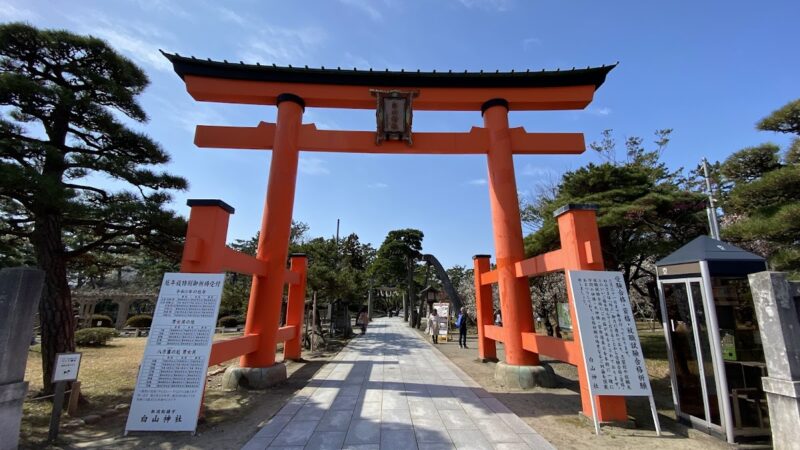
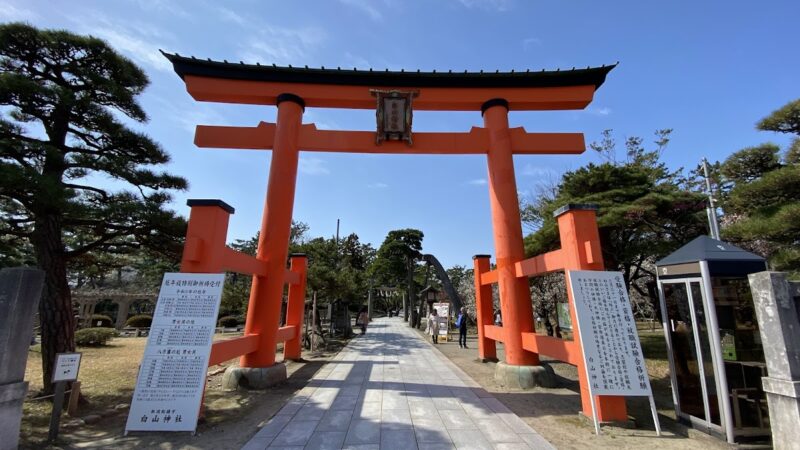
The main guardian shrine of Niigata City, located within walking distance of Koganji Temple. This shrine boasts a history of over 1000 years, and attracts many worshippers during the New Year’s pilgrimage. Hakusan Park is also located within the grounds, allowing visitors to enjoy the changing seasons.
Furumachi Shopping Street
Niigata’s representative arcade shopping street. A diverse range of shops line the street, from long-established kimono shops to the latest fashion boutiques. There are also plenty of restaurants where you can experience Niigata’s food culture.
NEXT21
A 19-story, approximately 100-meter-tall multi-purpose building. From the observation deck on the top floor (free of charge), you can enjoy views of Niigata city, the Sea of Japan, and even Sado Island in the distance.
Niigata City History Museum (Minatopia)
A museum located near the mouth of the Shinano River. You can learn about the history and culture of Niigata as a port city. Historical buildings such as the former Niigata Customs House are also preserved.
Walking along the Shinano River
The mouth of the Shinano River, Japan’s longest river. A promenade called Yasuragi Embankment is maintained, making it ideal for walking and jogging.
Temple Culture in Niigata City’s Chuo Ward
Characteristics of Niigata’s Temples
Niigata City developed as a port city from the Edo period and was a commercial city where diverse people gathered. Therefore, temples of various sects were built, making it a religiously diverse city.
Temples of major Buddhist sects such as Shingon, Jodo, Jodo Shinshu, Soto, and Nichiren are scattered throughout the city, each functioning as a center of the local community.
Urbanization and Temples
Temples like Koganji Temple, located in the middle of a bustling commercial district, play a unique role in modern urbanization. While temples were once central facilities in their communities, as urbanization progressed, they became surrounded by commercial facilities.
However, even amidst these environmental changes, temples continue to be important as spiritual havens for people and as places that convey the history of the region. The colossal statue of Kobo Daishi at Koganji Temple can be considered a symbolic presence that strongly asserts the existence of religious facilities within urban spaces.
Shingon Buddhism and the Faith of Kobo Daishi
About Kobo Daishi (Kukai)
Kobo Daishi Kukai (774-835) was a monk in the early Heian period and the founder of the Shingon sect. He traveled to Tang China to study esoteric Buddhism, and after returning to Japan, he opened Mount Koya and spread Shingon esoteric Buddhism.
He left outstanding achievements in many fields, including calligraphy, education, and civil engineering, and is respected as one of the most versatile religious figures in Japanese history. He is affectionately known as “Odaishi-sama” or “Odaishi-sama” and is widely revered by people outside of the Shingon sect as well.
Characteristics of Kobo Daishi Faith
Kobo Daishi faith has the following characteristics:
- Worldly Benefits: He is worshipped as a figure who grants practical wishes such as healing from illness, business prosperity, and academic success.
- Pilgrimage Culture: A form of faith involving pilgrimages to places associated with Kobo Daishi, such as the Shikoku 88 Temple Pilgrimage.
- Popular Faith: Widely accepted by the public, transcending sectarian boundaries.
- Attaining Buddhahood in This Body: The teaching that one can become a Buddha in this very body.
Koganji Temple functions as a place to practice this tradition of Kobo Daishi faith in Niigata.
About the Shingon-shu Chizan-ha
The Shingon-shu Chizan-ha is a sect belonging to the Shingi Shingon-shu within the Shingon sect, with Chishaku-in Temple in Kyoto as its head temple. It is a large sect with approximately 3,000 temples nationwide.
The Chizan sect is characterized by its tradition of emphasizing academic research and its active involvement in social work. It also focuses on the operation of educational institutions and welfare activities, actively pursuing the role of Buddhism in modern society.
Best Season to Visit
Charms of Each Season
Because Koganji Temple has a giant statue of Kobo Daishi standing outdoors, it shows different expressions depending on the season and weather.
Spring (March-May)
Spring in Niigata arrives with the melting snow. The street trees in the Furumachi area begin to bud, making it the perfect season for a stroll. Visiting in conjunction with the cherry blossoms at Hakusan Park is also recommended.
Summer (June-August)
Summer in Niigata has a relatively pleasant climate. Special memorial services may be held during the founding anniversary period in July.
Autumn (September-November)
Autumn is the best season for sightseeing in Niigata. The food is delicious, and the weather is stable. It’s ideal for a visit in conjunction with a stroll through the Furumachi area.
Winter (December-February)
Niigata winters are characterized by heavy snowfall and harsh cold, but the snow-covered statue of Kobo Daishi possesses a unique charm. However, caution is necessary when stepping.
Special Days
- 28th of each month: Regular memorial service. A service is held by the head priest of Seisho-ji Temple.
- 21st of each month: Kobo Daishi’s festival day (check if there are any special events at Kogan-ji Temple)
- July: Founding month. Special memorial services and events may be held.
Visiting on these days may allow entry into the temple’s interior, which is usually closed.
Summary: The Charm of Kogan-ji Temple
Kogan-ji Temple, located in Chuo-ku, Niigata City, is a Shingon-shu Chizan-ha temple known for its colossal statue of Kobo Daishi, approximately 9 meters tall. Since its founding in 1969, it has attracted local faith as a training ground where one can receive the same blessings as the Shikoku 88 Temple Pilgrimage.
Located in the bustling Furumachi area, yet forming a unique religious space, Koganji Temple plays an important role as a hidden gem for Niigata tourism and a spiritual haven for the local people.
It’s approximately a 25-minute walk from Niigata Station and a 22-minute walk from Hakusan Station, and is surrounded by many tourist attractions such as the Furumachi shopping street, Hakusan Shrine, and NEXT21. When you visit Niigata, be sure to visit the colossal statue of Kobo Daishi at Koganji Temple.
The giant Buddha statue, suddenly appearing amidst the hustle and bustle of the city, will leave a powerful impression on visitors and create a memorable experience. While usually locked, it may be possible to have a deeper pilgrimage experience on the 28th of each month (the day of the memorial service) or by contacting them in advance.
Experience this precious opportunity to connect with the teachings of Kobo Daishi at a place where Niigata’s history, culture, and modern urban life intersect.