Complete Guide to Koshōji Temple (Kamakura City, Kanagawa Prefecture) | History, Highlights, and Access Information for the Rhododendron Temple
Koshōji Temple, located in Yamanouchi, Kamakura City, Kanagawa Prefecture, is an ancient temple known as a Jishū sect temple. Amidst the many vibrant tourist temples of Kamakura, this temple exudes a tranquil atmosphere and is affectionately known as the “Rhododendron Temple” due to the numerous rhododendrons planted around its main hall.
Despite its convenient location within walking distance of Kita-Kamakura Station, Koshōji Temple maintains a peaceful ambiance and holds significant historical importance as the site of the persecution of Ippen Shōnin. This article comprehensively introduces information you should know before visiting Koshōji Temple, including its history, highlights, access methods, and nearby tourist spots.
Basic Information about Koshōji Temple
Koshōji Temple is a Jishū sect temple located at 827 Yamanouchi, Kamakura City, Kanagawa Prefecture. This temple is a branch temple of Seijōkōji (Yūgyōji), and its mountain name is Nishidaizan. The principal image is Amida Buddha, and its founder is said to be Ikkō Shunshō.
Location: 827 Yamanouchi, Kamakura City, Kanagawa Prefecture 247-0062
Sect: Jishu (Yugyoji School)
Mountain Name: Nishidaizan
Principal Image: Amida Buddha
Founder: Ikko Shunsho
Visiting Hours: 9:00 AM – 4:00 PM (Normal Hours)
Admission Fee: Free entry to the grounds (Except during special openings)
Nearest Station: Approximately 5-minute walk from Kita-Kamakura Station on the JR Yokosuka Line
History and Origin of Koshōji Temple
The Legend of Ippen Shonin and the Prevention of His Entry into Kamakura
The founding of Koshōji Temple involves an important historical episode related to Ippen Shonin (1239-1289), the founder of the Jishu sect. In the late Kamakura period, Ippen Shonin attempted to enter Kamakura to spread the teachings of Nembutsu. However, it is said that he was prevented from entering Kamakura by samurai acting on the orders of Regent Hojo Tokimune.
This event was passed down through generations as the “Sacred Site of Ippen Shonin’s Persecution,” and it is believed that Koshōji Temple was built on the site where Ippen Shonin was forced to camp outdoors. The anecdote of the founder of the Jishu sect being refused entry to Kamakura is an important historical fact that speaks to the religious policies and social conditions of the Kamakura shogunate at the time, and is attracting attention in the study of Buddhist history.
Development as a Jishu Temple
Koshōji Temple, with its historical significance as the site of Ippen Shonin’s persecution, subsequently developed as a Jishu temple. The Jishu sect is a branch of Pure Land Buddhism known for its “dancing nenbutsu” (chanting of Amida Buddha’s name), and was founded by Ippen Shonin. Because the traveling monks spread the nenbutsu throughout the country, it was also called the “Yugyo-shu” (traveling sect) and was widely accepted by the common people.
Kōshōji Temple, a branch temple of Shōjōkōji Temple (Yūgyōji Temple) in Fujisawa City, became one of the centers for the propagation of the Jishū sect in Kamakura. Its location in Kita-Kamakura, close to the center of the Kamakura Five Mountains (Gozan), where major temples such as Engakuji and Kenchōji stood, gave it an important position in Kamakura as a religious city.
History since the Edo Period
During the Edo period, the temple maintained stable operation and functioned as a place of worship for the local community. Despite being affected by the anti-Buddhist movement of the Meiji era, it survived and continues to uphold the traditions of the Jishū sect to this day.
After the war, numerous rhododendrons were planted on the temple grounds, adding a new appeal as the “Rhododendron Temple.” This initiative has made it a hidden gem in the Kamakura area, offering not only historical value but also the beauty of nature throughout the seasons.
Highlights of Kōshōji Temple
Main Hall and Amida Buddha
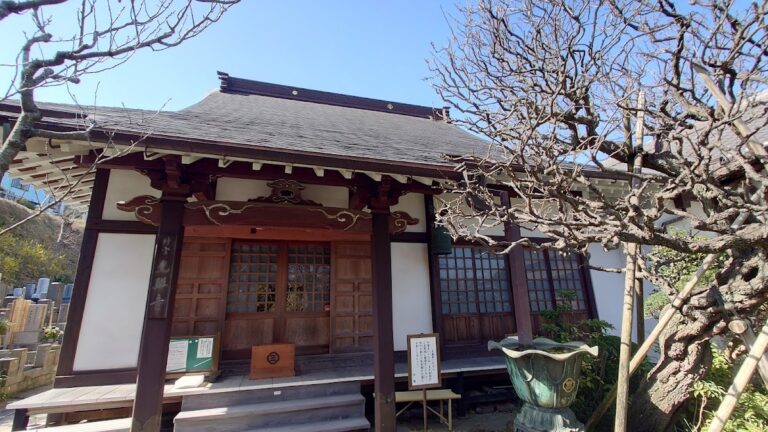
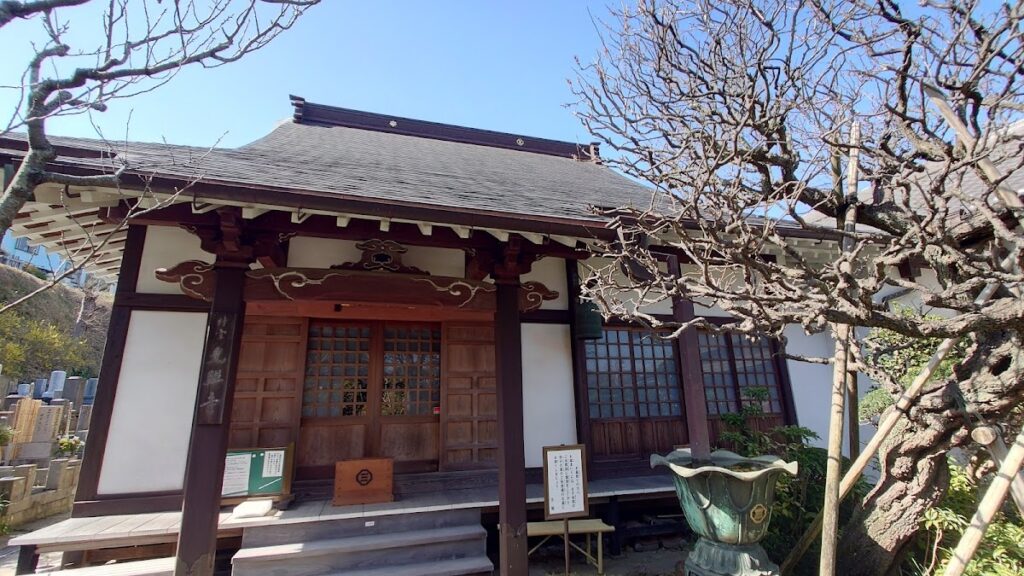
The main hall, the heart of Kōshōji Temple, houses the principal image, Amida Buddha. As a Buddha statue embodying the Amida faith, the foundation of the Jishu sect’s teachings, it quietly welcomes visitors. The main hall’s architectural style is simple yet dignified, exuding the tranquil atmosphere characteristic of Jishu temples.
While the interior of the main hall is usually closed to the public, its historical significance can be felt even from its exterior. The grounds in front of the main hall are neatly maintained, providing a peaceful space for visitors.
Rhododendron Garden
The main reason Kōshōji Temple is called the “Rhododendron Temple” is the numerous rhododendrons planted around the main hall. Rhododendrons are evergreen shrubs belonging to the Ericaceae family, and they bloom beautifully from spring to early summer.
The rhododendrons at Kōshōji Temple are typically in full bloom from late April to early May, with various colors of pink, white, and purple adorning the temple grounds. Characterized by their large flower clusters, the temple grounds are enveloped in a magnificent atmosphere when in full bloom. While many temples in Kamakura are known for their hydrangeas and cherry blossoms, Kōshōji Temple, with its rhododendrons as its main attraction, possesses a unique charm.
During the rhododendron blooming season, the number of visitors who come to take photographs increases, but it’s not as crowded as large tourist temples, making it an appealing place to leisurely admire the flowers.
Atmosphere of the Temple Gate and Grounds
From Kita-Kamakura Station, cross the Yokosuka Line railway crossing and walk a short distance along Kamakura Kaido to see the temple gate of Kōshōji Temple. The gate has a modest appearance, but its construction exudes the dignity befitting a Jishū sect temple.
Upon entering the temple grounds, a quiet and peaceful space unfolds, despite being in the increasingly urbanized Kamakura area. The well-maintained gardens, stone-paved paths, and seasonal flowers—every detail has been carefully considered—providing a sense of peace and tranquility to visitors.
Stone Monument Commemorating the Persecution of Ippen Shonin
Within the temple grounds, there are stone monuments and information boards commemorating the history of Ippen Shonin’s denial of entry into Kamakura. This historical significance as a site of persecution is one of the most important features of Koshōji Temple, and it is a valuable place for learning about the history of the Jishu sect.
For those interested in the life of Ippen Shonin and the teachings of the Jishu sect, this place holds special significance as a pilgrimage site.
Nature Through the Seasons
While rhododendrons are the most famous feature, Koshōji Temple offers a variety of natural beauty throughout the year. Cherry blossoms and azaleas in spring, lush greenery in summer, autumn leaves in fall, and a tranquil snowscape in winter—each season offers a different charm.
The Kita-Kamakura area, in particular, is known for its beautiful seasonal changes, and Koshōji Temple plays a part in this.
Information on Koshōji Temple’s Goshuin (Temple Stamp)
You can receive a Goshuin (temple stamp) at Koshōji Temple. The goshuin (temple stamp) of a Jishu sect temple typically features the principal image of Amida Buddha and the temple’s mountain name, Nishidaizan.
If you wish to receive a goshuin, please speak to a staff member at the main hall or the temple’s living quarters during visiting hours. Bringing your goshuincho (stamp book) is recommended. The goshuin fee is usually around 300 yen, but this may change, so please check at the temple.
For those visiting temples and shrines in the Kamakura area, goshuin from Jishu sect temples are relatively rare and worth adding to your collection. Furthermore, considering its historical significance as a sacred site related to the persecution of Ippen Shonin, it will also be a meaningful memento.
Access to Koshōji Temple
Access by Train
Koshōji Temple is easily accessible by public transportation.
From JR Yokosuka Line Kita-Kamakura Station:
- Exit the ticket gate at Kita-Kamakura Station and proceed to the right (towards Kamakura).
- Cross the Yokosuka Line railway crossing and walk along Kamakura Kaido towards Kamakura Station for approximately 5 minutes.
- Koshōji Temple is on your right, past Engaku-ji Temple and Tokei-ji Temple.
Kita-Kamakura Station is approximately 1 hour from Tokyo Station and 30 minutes from Yokohama Station, making it easily accessible from various parts of the Kanto region.
Access by Car and Parking
If visiting by private car, it’s about 20 minutes from the Asahina Interchange on the Yokohama-Yokosuka Expressway. However, Koshōji Temple does not have its own parking lot, so you will need to use nearby coin-operated parking lots.
The roads in the Kita-Kamakura area are narrow, and traffic congestion is common on weekends and during tourist seasons, so we recommend using public transportation. If you absolutely must visit by car, it’s best to park in a parking lot near Kita-Kamakura Station and access the temple on foot.
Location relative to surrounding temples
Koshōji Temple is located in the temple-dense area of Kita-Kamakura, with many famous temples within walking distance.
- Engaku-ji Temple: 1 minute walk from Kita-Kamakura Station, approximately 3 minutes walk from Koshōji Temple
- Tōkei-ji Temple: Approximately 2 minutes walk from Koshōji Temple
- Jōchi-ji Temple: Approximately 10 minutes walk from Koshōji Temple
- Kenchō-ji Temple: Approximately 15 minutes walk from Koshōji Temple
Visiting these temples together allows you to efficiently enjoy touring the temples and shrines of Kita-Kamakura.
Recommended sightseeing spots around Koshōji Temple
Engaku-ji Temple
This is the head temple of the Engaku-ji branch of the Rinzai school, boasting the second highest rank among the Five Great Zen Temples of Kamakura. It is the closest major temple to Kita-Kamakura Station and possesses many cultural assets, including the national treasure, the Shariden (reliquary hall). The vast grounds offer many sights to see, and it is a renowned temple with beautiful nature throughout the seasons.
Since it’s only about a 3-minute walk from Koshōji Temple, we recommend visiting both.
Tōkei-ji Temple
Tōkei-ji Temple, known as a “refuge temple” and a “divorce temple,” is a historical temple that once played a role in the relief of women. Currently, it’s also famous as a flower temple, where you can enjoy beautiful flowers throughout the year, including plum blossoms, cherry blossoms, hydrangeas, and autumn leaves.
Located about a 2-minute walk from Koshōji Temple, it’s an interesting temple from the perspective of women’s history.
Jōchi-ji Temple
Jōchi-ji Temple, the fourth-ranked of the Five Great Zen Temples of Kamakura, is a quiet temple located deep in a valley. The moss-covered stone steps and old buildings create a unique atmosphere, giving a sense of Kamakura’s charm.
There is a stone statue of Hotei (one of the Seven Lucky Gods) on the temple grounds, making it a popular stop on the Kamakura Seven Lucky Gods pilgrimage.
Kenchō-ji Temple
Kenchō-ji Temple, the first-ranked of the Five Great Zen Temples of Kamakura, is known as Japan’s oldest Zen Buddhist training hall. With its vast grounds, imposing architecture, and beautiful gardens, this temple boasts numerous attractions and is one of Kamakura’s most representative temples.
Although it’s a bit of a distance (about a 15-minute walk) from Koshōji Temple, it’s a famous temple well worth visiting if you have the time.
Meigetsuin Temple
Meigetsuin Temple, nationally famous as the “Hydrangea Temple,” is bustling with tourists during the hydrangea season in June. The sight of approximately 2,500 dwarf hydrangeas in full bloom is breathtaking. The autumn foliage is also beautiful, and the garden viewed from the round window of the main hall is picturesque.
It’s about a 10-minute walk from Koshōji Temple.
Gourmet Spots near Koshōji Temple
Hachinoki Kita-Kamakura Branch
This is a renowned restaurant in Kita-Kamakura specializing in vegetarian and kaiseki cuisine. Enjoy beautiful dishes made with seasonal ingredients in a tranquil setting surrounded by Kamakura’s nature. Recommended for special occasions or a leisurely lunch after visiting temples and shrines.
Kyorai-an
A soba restaurant near Tokei-ji Temple, renowned for its handmade 100% buckwheat soba noodles. Enjoy authentic soba in a charming, renovated old house. Sets with tempura are also popular.
Takara no Niwa
A cafe restaurant within walking distance of Kita-Kamakura Station, featuring healthy dishes centered around vegetables. Enjoy a leisurely meal in a calm, old-house-style atmosphere.
Kissaten Minka
A charming cafe with a Showa-era retro atmosphere, popular for its homemade cakes and coffee. An ideal spot for a break during temple and shrine visits.
Best Season to Visit Koshō-ji Temple
Spring (Late April to Early May)
The best season to visit Koshō-ji Temple is undoubtedly from late April to early May, when the rhododendrons are in full bloom. During this time, the temple grounds are adorned with colorful flowers, offering the most spectacular scenery. Because it often coincides with Golden Week, the number of visitors increases somewhat, but it’s not as crowded as large tourist temples.
The surrounding temples are also beautiful with fresh greenery this season, making it an ideal time for a stroll around Kita-Kamakura.
Autumn (November)
The autumn foliage season is also worth visiting Kōshōji Temple. In November, when the entire Kamakura area is colored with autumn leaves, you can feel the autumn atmosphere in a tranquil setting. It’s recommended to enjoy it in conjunction with the autumn foliage at Engakuji Temple and Tōkeiji Temple.
Other Seasons
In summer, you can feel the coolness of the lush green grounds, and in winter, you can enjoy a serene and atmospheric setting. For those who want to visit at a leisurely pace when there are relatively few tourists, visiting during the off-season is also a good option.
Points to Note and Manners for Visiting Kōshōji Temple
Manners During Visits
Kōshōji Temple values a quiet atmosphere. Please pay attention to the following points when visiting.
- Please refrain from loud conversations and disruptive behavior.
- Photography is permitted, but please be considerate of other visitors.
- The interior of the main hall is usually closed to the public; please do not enter without permission.
- Please do not damage or take any plants from the temple grounds.
- Please take all your trash with you.
Regarding Attire
There are no specific dress code requirements, but appropriate and modest attire for temple visits is desirable. Since some areas of the temple grounds are unpaved, comfortable shoes are recommended.
Checking Visiting Hours
Normal visiting hours are 9:00 AM to 4:00 PM, but these may change due to weather or temple circumstances. Especially during the New Year period and during religious services, visits may not be possible, so it is recommended to check in advance.
Understanding the Jishu Sect
Having some basic knowledge of the Jishu sect will allow you to more deeply understand the significance of the temple when visiting Koshōji Temple.
The Founding and Teachings of the Jishu Sect
The Jishu sect is a branch of Pure Land Buddhism founded in the mid-Kamakura period by Ippen Shonin (1239-1289). It preached that anyone could attain rebirth in paradise by chanting the Nembutsu, “Namu Amida Butsu,” and was widely accepted by common people regardless of social status or gender.
Because Ippen Shonin traveled throughout Japan spreading the Nembutsu, the Jishu sect is also called the “Traveling Sect.” “Odori Nembutsu,” chanting the Nembutsu while dancing, was a distinctive method of propagation for the Jishu sect.
The Head Temple of the Jishu Sect
The head temple of the Jishu sect is Seijokoji Temple (Yugyo-ji Temple) in Fujisawa City, Kanagawa Prefecture. Koshoji Temple, as a branch temple of Yugyo-ji Temple, has served as a base for Jishu missionary work in Kamakura.
The Relationship Between Kamakura and the Jishu Sect
The history of Ippen Shonin being prevented from entering Kamakura illustrates the tense relationship between the Kamakura Shogunate and emerging religious movements at the time. While Regent Hojo Tokimune protected Zen Buddhism, he was reportedly wary of the new Nembutsu faith spreading among the common people.
However, Tokimune was later accepted in Kamakura, leading to the construction of temples like Koshōji.
Experiencing Kamakura’s History and Culture
Koshōji Temple, as part of the historical city of Kamakura, is an important presence that conveys the culture of medieval Japan to the present day.
Religious Culture of the Kamakura Period
The Kamakura period was a crucial turning point in the history of Japanese Buddhism. Many sects that continue to exist today, such as Zen Buddhism, Jodo Buddhism, Jodo Shinshu Buddhism, Nichiren Buddhism, and Tokimune, were established during this time. With the rise of the samurai class, there was a demand for practical and easily understandable Buddhism, and new teachings were born one after another.
Koshōji Temple is a valuable temple that conveys the history of Tokimune, one of these new Kamakura Buddhist sects.
Temple Culture of Kita-Kamakura
The Kita-Kamakura area is home to many of Kamakura’s representative temples, including Engakuji, Kenchōji, Tōkeiji, and Jōchiji. Visiting these temples allows you to experience the spiritual culture of Japan that has continued since the Kamakura period.
While Kōshōji Temple is smaller in scale compared to these famous temples, it possesses its own unique history and charm, adding depth to your Kamakura stroll.
Accommodation near Kōshōji Temple
For those who want to fully enjoy Kamakura sightseeing, we introduce accommodations around Kita-Kamakura.
Hotels and Ryokans in Kamakura
Kamakura offers a variety of accommodations. From luxury ryokans to business hotels and guesthouses, you can choose according to your budget and purpose.
Since there are few accommodations in the Kita-Kamakura area, it is common to use accommodations around Kamakura Station, Yuigahama, or Hase. They are conveniently located about 10 minutes away by train.
Resort Hotels in the Shonan Area
The Enoshima and Shonan areas adjacent to Kamakura have many resort hotels overlooking the sea. Recommended for those who want to enjoy both Kamakura sightseeing and the Shonan coast.
Summary: The Charm of Koshōji Temple
Located in Yamanouchi, Kamakura City, Kanagawa Prefecture, Koshōji Temple is a charming temple with a significant history as a Jishū sect temple, while also offering the beauty of its rhododendrons throughout the seasons.
It possesses many attractions, including its historical significance as the site of the persecution of Ippen Shōnin, the beauty of its rhododendrons in spring, the quiet and peaceful atmosphere of its grounds, and its easy access from major temples in Kita-Kamakura.
It is especially recommended for those who want to visit a quiet place for a leisurely prayer after visiting famous temples in Kamakura. Visiting it along with Engakuji Temple and Tōkeiji Temple will allow you to experience the diverse temple culture of Kita-Kamakura.
Visiting from late April to early May, when the rhododendrons are in bloom, is particularly recommended, but you can feel the tranquil atmosphere and historical weight unique to Koshōji Temple no matter what season you visit.
When you visit Kamakura, be sure to stop by Koshōji Temple. You’re sure to discover a calm charm that is different from the flashy tourist temples.