Complete Guide to Rokusha Shrines (Rokushō Shrines) | History, Deities, Benefits, and Access Information for Major Shrines Nationwide
Rokusha Shrines (Rokusha Jinja) or Rokushō Shrines (Rokushō Jinja) is a general term for shrines located throughout Japan. They are affectionately known by various names such as “Rokusha Myōjin,” “Rokushō Daimyōjin,” “Rokushōgū,” and “Rokushōsha.” What these shrines have in common is that they enshrine six deities. This article provides a detailed explanation of major Rokusha Shrines throughout Japan, including their history, enshrined deities, benefits, annual festivals, and access methods.
What are Rokusha Shrines?
The “Rokusha” in Rokusha Shrines refers to the fact that they enshrine six deities. However, the deities enshrined vary from shrine to shrine, and various combinations can be seen depending on the local history and beliefs. Rokusha Shrines scattered throughout Japan each have their own unique history and beliefs, and have been revered by the people of their respective regions.
Origin of the Name of Rokusha Shrine
The name “Rokusha” or “Rokushō” originates from the fact that multiple deities were enshrined together in a single shrine. In ancient Japan, there was a belief that integrating multiple shrines or enshrining multiple deities in one place would grant greater divine power. This is particularly closely related to the “Kokushi Junpai” system, where provincial governors visited the main shrines of their assigned provinces, and some Rokushō Shrines functioned as the principal shrines of these provinces.
Rokushō Shrine, the Principal Shrine of Sagami Province (Ōiso Town, Kanagawa Prefecture)
Located in Ōiso Town, Nakagun, Kanagawa Prefecture, Rokushō Shrine, the principal shrine of Sagami Province, is known as one of the oldest and most prestigious Rokusha Shrines in Japan.
Founding and History
The founding of Rokushō Shrine dates back approximately 2100 years. In the year of the Wood Monkey (97 BC) during the reign of Emperor Sujin, a clan that migrated from the Izumo region named this area “Yanagida-go” (Yanagida Village). They enshrined their ancestral deities, Kushinadahime-no-Mikoto, Susanoo-no-Mikoto, and Onamuchi-no-Mikoto (Okuninushi-no-Mikoto), as guardian deities on Ishigamidai (also known as Ise-jindai), built a shrine, and named it “Yanagida-Okami” (Yanagida Great God).
Later, during the Nara period, it came to play the role of the principal shrine of Sagami Province. There was a system where, upon arriving in a province, the provincial governor would visit the main shrines of that province to pray for peace and prosperity and a bountiful harvest. Rokushō Shrine, as the central shrine in Sagami Province, became a key point in the provincial governor’s pilgrimage.
Deities and Benefits
The principal deity of Rokushō Shrine, the principal shrine of Sagami Province, is Kushinadahime-no-Mikoto. Kushinadahime-no-Mikoto is the wife of Susanoo-no-Mikoto and is revered as the guardian deity of rice fields, bringing blessings of abundant harvests. She is also worshipped as a goddess of marital harmony and successful relationships.
The following deities are enshrined as auxiliary deities:
- Susanoo-no-Mikoto: Protection from evil and disaster
- Ōnamuchi-no-Mikoto: Matchmaking and business prosperity
- Amaterasu-Ōmikami: National peace and good fortune
- Tsukuyomi-no-Mikoto: Agriculture and safe voyages
- Izanagi-no-Mikoto: Creation and matchmaking
- Izanami-no-Mikoto: Safe childbirth and child-rearing
Rokushō Shrine is a shrine for “all kinds of good fortune, protection from disaster and misfortune, and overcoming difficulties,” and is visited by worshippers with various wishes.
Sagami Kōno-machi Festival
The most important festival at Rokushō Shrine is the “Sagami Kōno-machi Festival,” held annually on May 5th. This is a venerable festival with a history of over 1000 years, a magnificent Shinto ritual involving the Ichinomiya (first-ranked) to Gonomiya (fifth-ranked) shrines of Sagami Province, as well as the Rokushō Shrine.
The participating shrines are as follows:
- Samukawa Shrine (Ichinomiya)
- Kawagou Shrine (Ninomiya)
- Hibita Shrine (Sannomiya)
- Maetori Shrine (Yonnomiya)
- Hiratsuka Hachimangu Shrine (equivalent to Gonomiya)
- Rokushō Shrine (Sōsha)
At the Kōfu Festival, a ritual called “Zamondō” (seated dialogue) takes place, where the portable shrines of each shrine gather and a unique ceremony is held in which the hierarchy of the gods is confirmed through a question-and-answer format.
Access Information
Address: 935 Kofu-Hongo, Oiso-machi, Naka-gun, Kanagawa Prefecture
Transportation Access:
- Approximately 8 minutes on foot from JR Tokaido Line “Oiso Station”
- Approximately 30 minutes by car from Tomei Expressway “Atsugi IC”
- Parking available (free)
Inquiries: 0463-71-3737
Rokushō Shrine (Izumo City, Shimane Prefecture)
Rokushō Shrine is also located in Izumo City, Shimane Prefecture. This shrine has been revered by the local people as one of the centers of faith in the Izumo region.
Deities Enshrined
At Rokushō Shrine in Shimane Prefecture, the following six deities are enshrined as principal deities:
- Izanagi-no-Mikoto
- Izanami-no-Mikoto
- Amaterasu-Ōmikami
- Tsukuyomi-no-Mikoto
- Susanoo-no-Mikoto
- Ōnamuchi-no-Mikoto
It is said that the shrine’s name, Rokushō Shrine, comes from the fact that these six deities are enshrined as principal deities. The Izumo region is known as the setting for mythology, and is particularly deeply associated with Susanoo-no-Mikoto and Ōnamuchi-no-Mikoto (Ōkuninushi-no-Mikoto).
Attractions as a Tourist Spot
The area around Rokushō Shrine in Shimane Prefecture is dotted with tourist spots related to mythology, including Izumo Taisha Shrine. By incorporating this into your shrine-visiting itinerary, you can experience the mythological world of Izumo more deeply.
Rokusha Shrine (Nagareyama City, Chiba Prefecture)
Rokusha Shrine, located in Fukai Shinden, Nagareyama City, Chiba Prefecture, is the guardian deity of the area north of the Tone River Canal.
History and Deities
The main deity of Rokusha Shrine in Nagareyama City is Ukanomitama-no-Mikoto, along with five other deities. Ukanomitama-no-Mikoto is known as Inari-sama and is believed to bring blessings of abundant harvests and business prosperity.
Fukai Shinden was originally the same village as Fukai Shinden in Yoshikawa City on the opposite bank. Although the area was divided by the construction of the Tone River Canal, Rokusha Shrine remains a spiritual center for the region.
Access Information
Address: Fukai Shinden, Nagareyama City, Chiba Prefecture
Transportation Access:
- Approximately 15 minutes on foot from Unga Station on the Tobu Noda Line
- Detailed information is available at the Nagareyama City Tourism Association.
Rokusha Shrine (Shinshiro City, Aichi Prefecture)
Shinshiro City, Aichi Prefecture, is home to Rokusha Shrine, famous for its Nagoshi Kagura.
The Tradition of Nagoshi Kagura
At Rokusha Shrine, Nagoshi Kagura is performed annually at the Rokusha Shrine’s annual festival in October. Particularly famous is the “Kuzunoha and Separation” segment, where performers, wearing lion masks and holding brushes in their mouths, skillfully write characters on shoji screens while shaking their large heads.
This Kagura is preserved as a regional intangible cultural asset and is a traditional event that attracts a particularly large audience among the year’s events.
Deities Enshrined
The shrine’s name comes from the six deities enshrined there. As guardian deities of the region, they are believed to offer blessings for abundant harvests, family safety, and protection from evil.
Rokushō Shrine (Setagaya Ward, Tokyo)
There is also a Rokushō Shrine in Setagaya Ward, Tokyo. Despite being in an urban area, it welcomes visitors in a tranquil setting.
History
The founding date and ancient history are unknown, but according to the oral traditions of the elders, it is said to have been established by inviting a divided spirit from the Ōkunitama Shrine in Musashi Province. Ōkunitama Shrine is a prestigious shrine known as the principal shrine of Musashi Province, and it is believed that the enshrinement of its divided spirit was a prayer for the protection of the region.
Access Information
Address: Setagaya-ku, Tokyo
Inquiries: For detailed information, please contact the Setagaya Branch of the Tokyo Association of Shinto Shrines.
Rokusha Shrine (Gifu Prefecture)
There is also a Rokusha Shrine in Gifu Prefecture. It is registered with the Gifu Prefecture Association of Shinto Shrines and is a center of local worship.
Deities Enshrined
The main deity is Rokusha Okami, a collective name for six gods. Subsidiary shrines enshrine deities such as Misaguchi-no-kami.
Etiquette and Manners for Visiting Rokusha Shrine
When visiting Rokusha Shrine, please follow the general etiquette for visiting shrines.
Basic Etiquette for Visiting Shrines
- Bow Before Passing Through the Torii Gate: Before entering the sacred area, bow before the torii gate.
- Purify at the Water Basin: Purify your left hand, then your right hand, then your mouth.
- Walk Along the Edge of the Path: The center is considered the path for the gods.
- Worship at the Main Hall: Two bows, two claps, and one bow is the basic procedure.
- Offering Money: There is no set amount, but offer it respectfully.
About Goshuin (Shrine Seals)
Many Rokusha Shrines offer goshuin (shrine seals). Bring your goshuincho (seal book) and request one at the shrine office after your visit. The offering fee is generally around 300 to 500 yen. Since the Reiwa era began, the number of visitors enjoying goshuin pilgrimages has increased.
Model Course for Visiting Rokusha Shrines
Visiting multiple Rokusha Shrines, known as the “Rokusha Pilgrimage,” is an attractive pilgrimage course for shrine enthusiasts. ### Pilgrimage to the Six Shrines of Sagami Province
This historical route, centered around the Rokushō Shrine (the main shrine of Sagami Province), visits the first to fifth shrines of Sagami Province, offering a glimpse into the ancient pilgrimages of provincial governors.
Recommended Route:
- Samukawa Shrine (First Shrine): JR Sagami Line, Miyayama Station
- Kawagou Shrine (Second Shrine): Tokaido Line, Ninomiya Station
- Hibita Shrine (Third Shrine): Odakyu Line, Isehara Station
- Maetori Shrine (Fourth Shrine): JR Tokaido Line, Hiratsuka Station
- Hiratsuka Hachimangu Shrine (Equivalent to Fifth Shrine): JR Tokaido Line, Hiratsuka Station
- Rokushō Shrine (Main Shrine): JR Tokaido Line, Ōiso Station
It is difficult to visit all the shrines in one day, so we recommend splitting the pilgrimage over two days. Collecting a Goshuin (shrine stamp) at each shrine will create a valuable memento in your completed Goshuincho (stamp book).
Pilgrimage to the Six Shrines of Kanto
A popular route involves visiting the six shrines scattered throughout the Kanto region. Combining visits to the shrines in Setagaya Ward (Tokyo), Nagareyama City (Chiba Prefecture), and Oiso Town (Kanagawa Prefecture) allows you to experience the history and culture of Kanto.
Annual Events at the Six Shrines
The six shrines hold various festivals and events throughout the year.
Main Annual Events
- January 1st: New Year’s Day Festival
- February (Setsubun): Setsubun Festival (Prayer for Exorcism)
- May 5th: Sagami Kokufu Festival (Rokushō Shrine, the Grand Shrine of Sagami Province)
- July: Summer Purification Ceremony
- October: Grand Festival (Dates vary by shrine)
- November 15th: Shichi-Go-San Prayer Ceremony
- December 31st: Year-End Purification Ceremony, New Year’s Eve Festival
Especially during the Grand Festival, there are valuable opportunities to experience local traditional culture, such as the dedication of Kagura (sacred dance) and the procession of the portable shrine.
Tourist Spots Around Rokushō Shrine
Around Rokushō Shrine, the Grand Shrine of Sagami Province (Ōiso Town)
Ōiso Town is known as a historic town in Shonan, and there are many tourist spots around Rokushō Shrine.
- Oiso Beach: A beautiful beach known as the birthplace of Shonan.
- Former Yoshida Shigeru Residence: The former prime minister’s residence has been developed into a park.
- Oiso Prince Hotel: Available for accommodation.
- Shigi-tate-an: One of Japan’s three major haiku dojos.
Around Rokushō Shrine, Shimane Prefecture
The following are tourist spots associated with the mythology of the Izumo region.
- Izumo Taisha Shrine: Nationally famous as the god of matchmaking
- Hinomisaki Shrine: A shrine that protects the nights of Japan
- Inasa no Hama Beach: The setting of the myth of the transfer of the land
- Ancient Izumo History Museum: A facility where you can learn about the history of Izumo
Accommodation and Access Information to Rokusha Shrine
Detailed Access Information to Rokusha Shrine, the Grand Shrine of Sagami Province
Access by Train:
- Approximately 1 hour from Tokyo Station on the JR Tokaido Line, 8-minute walk from Oiso Station
- Approximately 1 hour and 10 minutes from Shinjuku Station on the Shonan Shinjuku Line, 8-minute walk from Oiso Station
Access by Car:
- Approximately 30 minutes from Atsugi IC on the Tomei Expressway
- Approximately 10 minutes from Oiso IC on the Odawara-Atsugi Road
- Parking: Free parking available (approximately 20 cars)
Nearby Accommodations:
- Oiso Prince Hotel: Approximately 5 minutes by car from the shrine
- Business Hotels in Shonan Hiratsuka: Numerous hotels around Hiratsuka Station
- Hot spring inns in the Odawara/Hakone area: Within a 30-minute drive
Access to Rokushō Shrine, Shimane Prefecture
Transportation Access:
- Approximately 30 minutes by car from Izumo Airport
- Take a bus or taxi from JR Izumo City Station
- Approximately 20 minutes by car from Izumo IC on the San’in Expressway
Accommodation:
- Numerous hotels and inns in Izumo City
- Tamatsukuri Onsen: A hot spring resort approximately 30 minutes by car
Amulets and Souvenirs Offered at Rokushō Shrine
Rokushō Shrine offers a variety of amulets and souvenirs.
Main Items Offered
- Matchmaking Amulet: For successful relationships and marital harmony
- Exorcism Amulet: Protection from disaster and misfortune
- Traffic Safety Amulet: For safe traffic safety
- Academic Success Amulet: For passing exams and academic improvement
- Safe Childbirth Amulet: For safe childbirth and conception
- Business Prosperity Amulet: For business prosperity and success
At Rokushō Shrine, the main shrine of Sagami Province, special amulets are also offered, associated with the blessings of “good relationships, protection from disaster, and overcoming difficulties.”
Rokushō Shrine’s Architecture and Cultural Assets
Many Rokushō Shrines have undergone construction and repairs of their buildings numerous times throughout their long history.
Architectural Style
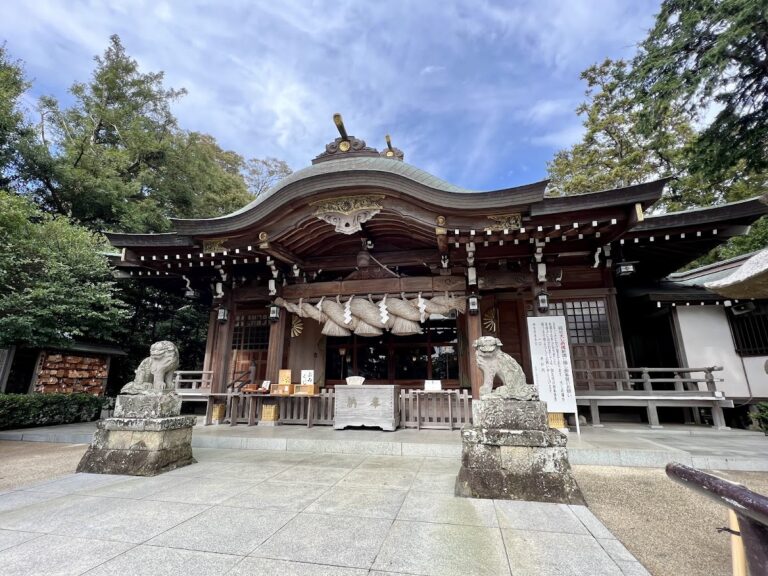
The main hall of Rokushō Shrine, the main shrine of Sagami Province, is a valuable building that preserves the architectural style of the Edo period. It is built in the Gongen-zukuri style, with the worship hall, offering hall, and main hall integrated into one structure, and features intricate carvings in the details.
Cultural Assets
The following cultural assets are preserved at the Rokusha Shrines throughout Japan:
- Ancient Documents: Records concerning the history of the shrine and its festivals
- Kagura Masks: Traditional masks used in festivals
- Portable Shrines: Historic portable shrines used in the annual grand festival
- Ema (Votive Tablets): Votive tablets dedicated since the Edo period
Guidelines for Visiting Rokusha Shrines
When visiting Rokusha Shrines, please note the following:
Attire for Visiting
There are no specific rules, but it is desirable to wear clothing that reflects the sacred nature of the place. Avoid revealing or overly flashy clothing.
Photography
Photography is generally permitted within the shrine grounds, but it may be prohibited inside the main hall or during religious ceremonies. Please check with the shrine office or follow any posted notices.
Visiting Hours
Many Rokusha Shrines are open for worship from sunrise to sunset, but the shrine office is generally open from 9:00 AM to 5:00 PM. If you wish to receive a Goshuin (temple/shrine stamp) or amulet, please visit during the reception hours.
Summary: The Charm and Significance of Visiting Rokusha Shrines
Rokusha Shrines are located throughout Japan, each cultivating its own unique history and faith in its respective region. By enshrining six deities, they have long been revered as shrines that bestow diverse blessings.
From shrines with over 2000 years of history, such as the Sagami Province Grand Shrine Rokushō Shrine, to shrines cherished as local guardian deities, Rokusha Shrines vary in form. However, all of them are irreplaceable spiritual havens imbued with the prayers and faith of the local people.
Visiting a Rokusha Shrine is not merely a sightseeing tour; it is a valuable experience that touches upon Japan’s history, culture, and the history of people’s prayers. Participating in traditional festivals such as the Sagami Kokufu Festival or appreciating traditional performing arts like the Nagoshi Kagura will allow you to feel the charm of Rokusha Shrines even more deeply.
With the arrival of the Reiwa era and the boom in shrine visits and collecting Goshuin (shrine stamps), the Rokusha Shrines are attracting renewed attention. From easily accessible urban shrines to those nestled in nature-rich rural areas, why not enjoy the unique atmosphere of each Rokusha Shrine and offer a peaceful pilgrimage?
A journey visiting Rokusha Shrines across Japan will be a wonderful opportunity to experience Japan’s diverse religious culture. Please begin your pilgrimage with a Rokusha Shrine near you.