Complete Guide to Susa Shrine (Ikari, Tagawa City, Fukuoka Prefecture)
Susa Shrine, located in Ikari, Tagawa City, Fukuoka Prefecture, is a shrine that has been cherished by the local people for centuries. This article provides detailed information you should know before visiting, including the history of Susa Shrine, its enshrined deities, highlights of the grounds, and access methods.
Basic Information about Susa Shrine
Susa Shrine is a shrine located in the Ikari district of Tagawa City, Fukuoka Prefecture, and has been revered as the local guardian deity for many years. The shrine, nestled in a tranquil environment, offers peace of mind to visitors.
Location and Contact Information
- Location: Ikari, Tagawa City, Fukuoka Prefecture
- Postal Code: 826-0041
- Access: Approximately 10 minutes by car from Tagawa-Ita Station on the JR Hitahikosan Line
Tagawa City is located in the central part of Fukuoka Prefecture and has a history of flourishing as a coal mining town. The Ikari district is known as a naturally rich area within Tagawa City.
About the Deity
As can be inferred from the name of the Susa Shrine, the principal deity is believed to be Susanoo-no-Mikoto.
About Susanoo-no-Mikoto
Susanoo-no-Mikoto is an important deity appearing in Japanese mythology and possesses the following divine attributes:
- God of Protection Against Evil: Known as a heroic god who slayed Yamata-no-Orochi (the eight-headed serpent), he is believed to have the power to ward off disasters.
- God of Agriculture: Worshipped as a god who brings abundant harvests.
- God of Matchmaking: Due to his marriage myth with Kushinada-hime, he is also revered as a god who brings good fortune in relationships.
- God of the Sea: Due to his fierce nature as a god, he is also considered a guardian deity of maritime safety and safe voyages.
The Faith of Susa Shrines
Numerous shrines named “Susa Shrine” or “Susa-sha” exist throughout Japan, and the faith in Susanoo-no-Mikoto is deeply rooted in each region. The Susa Shrine in Ikari, Tagawa City, has long been revered as a guardian deity of the region, believed to bestow blessings such as protection from evil, family safety, and abundant harvests.
History of the Susa Shrine
While the exact founding date of the Susa Shrine is unclear due to limited historical records, it is believed to have existed since before the Edo period, based on stories and traditions from local elders.
Historical Background of Shrines in the Tagawa Region
The Tagawa region has been inhabited by people since ancient times, and many shrines have functioned as centers of local faith. The shrine has the following historical background:
- Connection to Agricultural Society: The Tagawa region was a thriving agricultural area, and the belief in praying for a bountiful harvest was important.
- Belief in the Coal Mining Era: During the heyday of coal mining from the Meiji to Showa periods, the belief in praying for safety in the mines also came into play.
- Center of the Local Community: The shrine has functioned as a place where local people gather through festivals.
Susa Shrine in the Modern Era
Even after the Meiji-era shrine consolidation policy and the social changes of the post-war period, Susa Shrine has continued to attract the faith of the local people. It is still carefully preserved by local parishioners and devotees.
Highlights of the Shrine Grounds
The grounds of Susa Shrine have a calm atmosphere befitting a local shrine.
Shrine Buildings
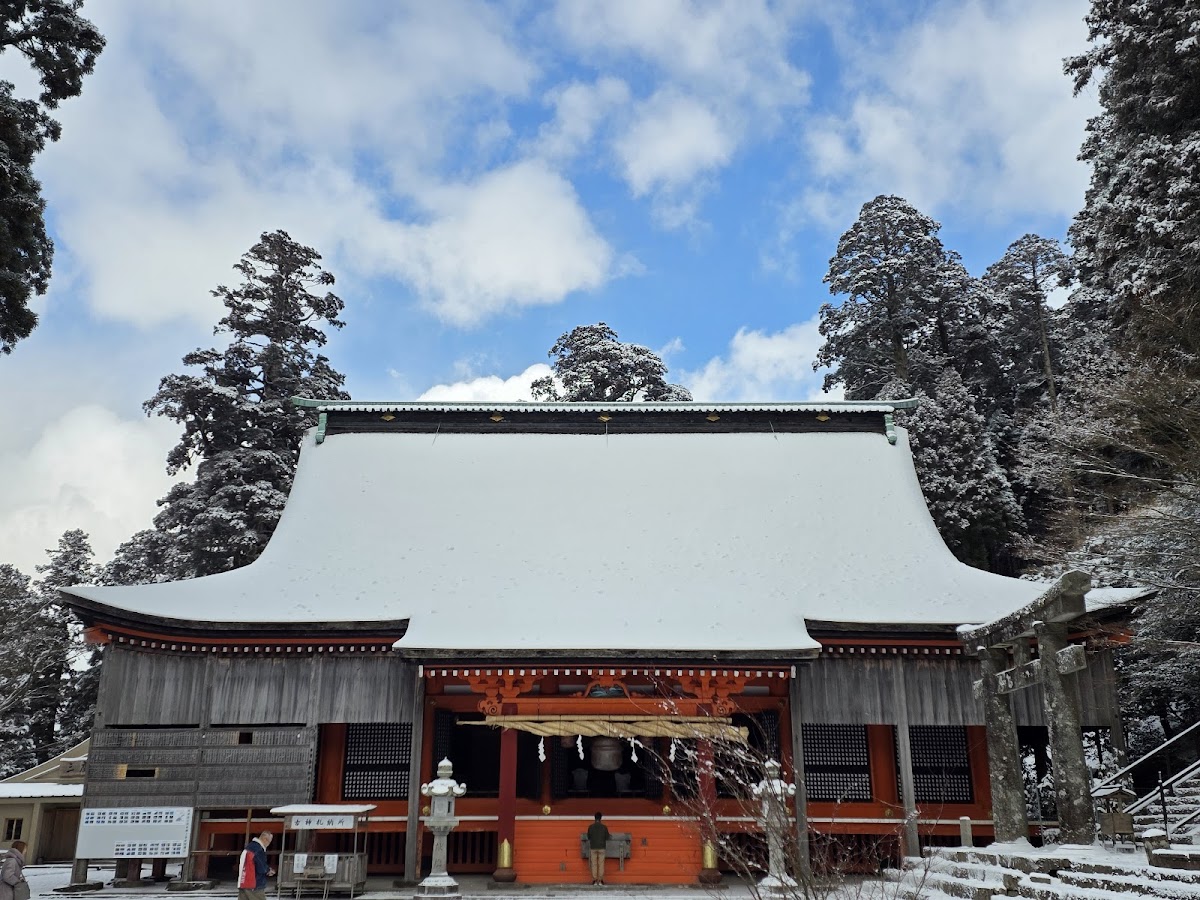
The main hall is built in the traditional shrine architectural style and stands quietly as the center of local faith. Worshippers can offer their daily gratitude and wishes at the worship hall.
Nature within the Shrine Grounds
The shrine is surrounded by abundant nature, allowing visitors to enjoy the scenery of each season:
- Spring: Beautiful fresh greenery and refreshing air
- Summer: The trees become lush green, creating a cool and refreshing atmosphere
- Autumn: Autumn leaves adorn the shrine grounds
- Winter: A sacred atmosphere of tranquility permeates the grounds
Torii Gate and Approach
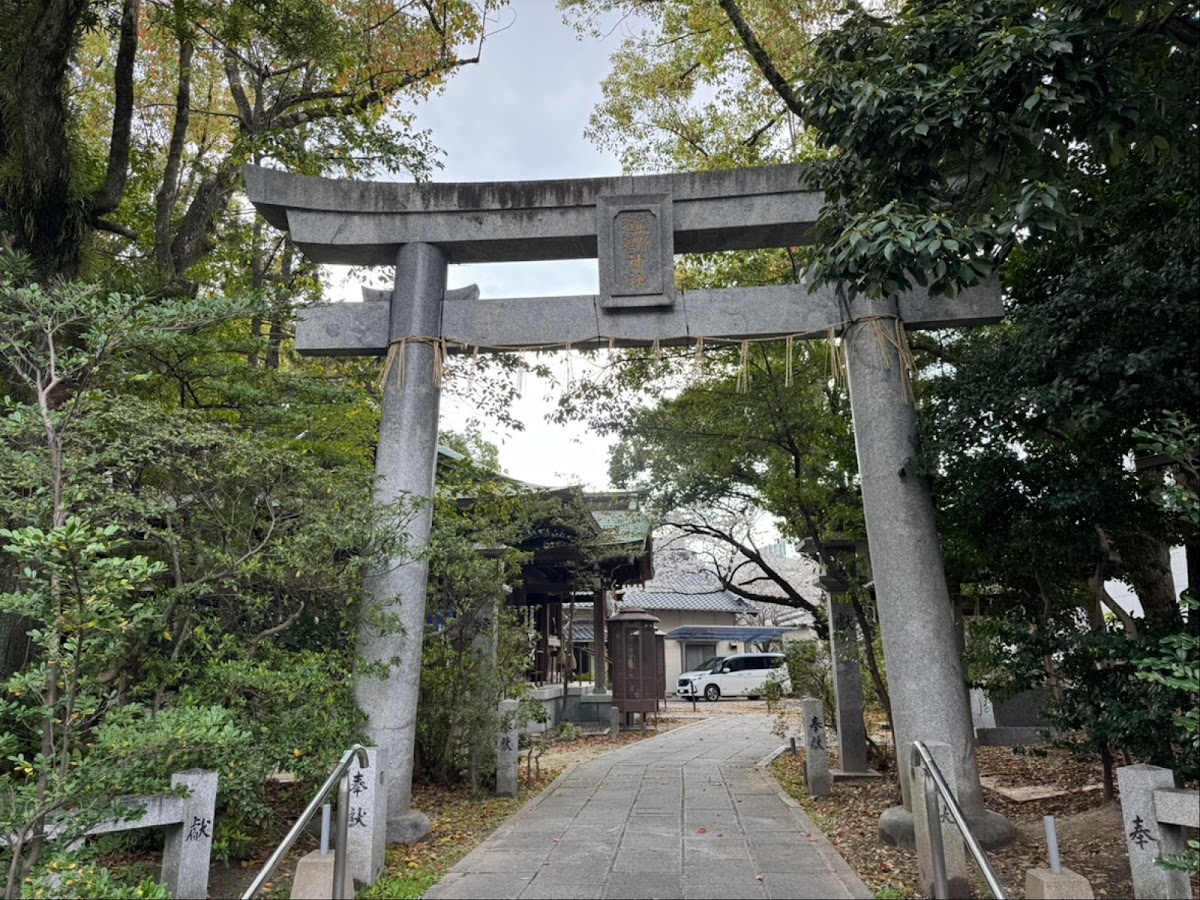
A torii gate stands at the entrance to the shrine grounds, and the approach leads to the main shrine building. It is important to compose oneself as one walks along the approach and to offer respect to the deities.
Etiquette and Manners for Visiting a Shrine
When visiting Susa Shrine, please observe basic shrine etiquette.
Basic Procedure for Worship
- Bow at the Torii Gate: Bow before passing through the torii gate.
- Purification at the Water Basin: Purify your hands and mouth (if there is a water basin).
- Walking the Path: Walk along the sides of the path, as the center is considered the path of the gods.
- Worship at the Main Hall: Worship using the two bows, two claps, and one bow method.
- Bow Upon Exit: Turn around and bow as you leave the torii gate.
Details of Two Bows, Two Claps, and One Bow
- Stand in front of the offering box and give a slight bow.
- Gently place your offering in the box.
- If there is a bell, ring it.
- Bow deeply twice (two bows).
- Clap your hands twice at chest height (two claps).
- With your hands clasped together, silently express your wishes and gratitude.
- Finally, bow deeply once (one bow).
Access Information
We will guide you on how to access Susa Shrine.
Access by Public Transportation
- Nearest Station: JR Hitahikosan Line “Tagawa-Ita Station”
- Distance from Station: Approximately 3-4 km
- Travel Time: Approximately 40-50 minutes on foot, approximately 10 minutes by taxi
Tagawa-Ita Station is the central station of Tagawa City. From Fukuoka City, you can access it by transferring at Kokura Station.
Access by Car
- From Fukuoka City: Approximately 40 minutes via National Route 201 from the Yahata Interchange on the Kyushu Expressway.
- From Kitakyushu City: Approximately 30 minutes via National Route 322 and National Route 201.
- Parking: Parking may be available on the shrine grounds or nearby, but it is recommended to check in advance.
Landmarks in the Surrounding Area
The Ikari district of Tagawa City is a mixed residential and agricultural area. Locals are often happy to provide directions.
History and Culture of Tagawa City
Understanding the history and culture of Tagawa City, where the Susa Shrine is located, will deepen your understanding of the shrine.
History as a Coal Mining Town
From the Meiji era to the Showa era, Tagawa City flourished as a coal mining town that supported Japan’s energy industry. Numerous coal mines, including the Mitsui Tagawa Coal Mine, operated there, employing many people.
Even after the coal mines closed, facilities and relics that convey its history remain, and you can learn about the history of coal mining at the Tagawa City Coal and History Museum.
Culture and Tradition
Tagawa City has a unique culture that has been passed down from the coal mining era:
- Tanko-bushi: The nationally famous folk song “Tanko-bushi” is said to have originated in the Tagawa region.
- Yamagasa: The Yamagasa, a traditional event of Fukuoka Prefecture, is also held in the Tagawa region.
- Local Festivals: Local traditional events such as autumn festivals held at various shrines are still cherished today.
Natural Environment
Tagawa City is located in the Chikuhō region and has a basin-shaped topography surrounded by mountains. Mountains, including Mt. Hikosan, line the area, preserving a rich natural environment.
Nearby Tourist Spots
When visiting Susa Shrine, why not also explore the nearby tourist spots?
Tagawa City Coal and History Museum
This museum allows you to learn in detail about the history of coal mining in Tagawa City. The museum displays actual mining tools, photographs, and documents used in the past, allowing visitors to experience the history of Tagawa, a town that flourished as a coal mining center.
Tagawa City Museum of Art
As a hub for local arts and culture, various special exhibitions are held here. Visitors can appreciate a wide range of artworks, from those by local artists to nationally renowned pieces.
Kazeji Hachimangu Shrine
One of Tagawa City’s representative shrines, it holds the magnificent “Kawawatari Shinkosai” festival every May. It is a traditional event counted among Fukuoka Prefecture’s five major festivals.
Mount Hikosan
Located in the southern part of Tagawa City, this sacred mountain has long been known as a holy site for Shugendo (mountain asceticism). Visitors can enjoy mountain climbing and hiking, and explore the natural beauty and historical shrines and temples.
Annual Events at Susa Shrine
Local shrines hold various Shinto rituals and events throughout the year. Susa Shrine may also hold the following events:
Annual Festival (Autumn Festival)
Many shrines hold their annual festivals in the autumn. This is an important Shinto ritual to give thanks for a bountiful harvest and pray for the peace and prosperity of the community. Local people gather, and there are often portable shrine processions and offerings.
First Shrine Visit of the Year
As the new year approaches, local people visit shrines for their first shrine visit of the year. They pray for safety throughout the year and for happiness in the new year.
Other Shinto Ritual
- Spring Festival: Celebrating the arrival of spring and praying for a bountiful harvest.
- Summer Purification Ceremony: Purifying oneself of the impurities accumulated over the past six months and praying for good health and protection from illness for the remaining half of the year.
- Monthly Festival: A Shinto ritual held regularly every month.
For specific dates and details, it is recommended to check with local residents or shrine officials.
Other Shrines Dedicating Susanoo-no-Mikoto
Susanoo-no-Mikoto is widely worshipped throughout Japan and is enshrined in many shrines.
Representative Susa Shrines
- Susa Shrine (Izumo City, Shimane Prefecture): Considered the final resting place of Susanoo-no-Mikoto, and the head shrine of all Susa Shrines nationwide.
- Yasaka Shrine (Kyoto City, Kyoto Prefecture): A shrine famous for the Gion Festival, with Susanoo-no-Mikoto as its main deity.
- Hikawa Shrine (Saitama City, Saitama Prefecture): A grand shrine known as the Ichinomiya (first-ranked shrine) of Musashi Province.
- Tsushima Shrine (Tsushima City, Aichi Prefecture): The center of Susanoo-no-Mikoto worship in the Tokai region.
Shrines Dedicated to Susanoo-no-Mikoto in Fukuoka Prefecture
Numerous shrines dedicated to Susanoo-no-Mikoto exist within Fukuoka Prefecture. Each region has cultivated its own unique history and beliefs.
The Importance of Locally Rooted Faith
Small local shrines like Susa Shrines are important supporting aspects of Japanese religious culture.
Role as a Local Deity
A local deity is a god who protects the people living in a particular area. Susa Shrine, as the local deity of the Ikari district, has fulfilled the following roles:
- Prayer for regional safety and prosperity: Prayers are offered for protection from disasters and for the development of the region.
- Site of life cycle rituals: Visits are made at important life events such as a baby’s first shrine visit, Shichi-Go-San (a traditional rite of passage for children), and exorcisms.
- Community bonding: A place for local people to interact through festivals.
Preservation of Local Culture
Shrines are not merely places of worship; they also play a role in conveying the history and culture of the region. Festival rituals, Kagura (sacred dances), and traditional events are valuable cultural heritage passed down through generations.
Significance in Modern Times
In modern society, local shrines hold the following significance:
- Spiritual Sanctuary: A place to escape from the busy daily routine and find peace of mind.
- Harmony with Nature: An opportunity to feel the changing seasons through the nature within the shrine grounds.
- Regional Identity: A place to cultivate affection and a sense of belonging to the region.
Points to Note When Visiting
When visiting Susa Shrine, please note the following:
Attire
While no special attire is required for visiting a shrine, please dress respectfully to the deities. It is best to avoid overly revealing or overly casual clothing.
Photography
Photography is generally permitted within the shrine grounds, but please consider the following:
- Do not take photos in areas where photography is prohibited, such as inside the main hall.
- Be considerate of other visitors.
- When posting on social media, remember to be considerate of the shrine and other visitors.
Time of Day
Shrines are generally recommended to be visited during the daytime. Visiting during the quiet hours of early morning or evening allows you to experience a more sacred atmosphere. Avoid visiting at night.
Bringing Pets
Some shrines may restrict pets. Please check in advance or follow the signs on the shrine grounds.
About Goshuin (Shrine Seals)
Collecting Goshuin has become a popular pastime during shrine visits in recent years, but smaller shrines like Susa Shrine may not have a resident priest.
The Significance of Goshuin
Goshuin are originally given by shrines as proof of worship. It’s important to receive them with respect for the deities, rather than simply treating it as a stamp rally.
About Issuance
It’s recommended to check in advance whether Goshuin are available at Susa Shrine. Even if they aren’t available, remember that the visit itself is meaningful.
Engaging with the Community
Visiting Susa Shrine may create new connections with the local community.
Consideration for Local Residents
Shrines are often located in residential areas and are part of the living spaces of local residents. Please be mindful of the following:
- Keep quiet
- Do not park on the street
- Always take your trash with you
- Do not trespass on private property
Contributing to Local Revitalization
By using your visit to the shrine as an opportunity to shop at local stores or dine at local restaurants, you can contribute to the revitalization of the local economy.
Participating in Volunteer Activities
Participating in local volunteer activities, such as cleaning the shrine or helping with festivals, is a great opportunity to deepen your connection with the community.
Summary
The Susa Shrine, located in Ikari, Tagawa City, Fukuoka Prefecture, is a shrine that has been cherished by the local people for many years. It enshrines Susanoo-no-Mikoto and is believed to offer divine blessings for protection against misfortune, family safety, and abundant harvests.
The Susa Shrine, where you can pray in a peaceful environment, is a worthwhile place to visit, offering a place to escape the hustle and bustle of everyday life, find peace of mind, and experience the history and culture of the region.
If you have the opportunity to visit Tagawa City, please be sure to stop by Susa Shrine. Visiting a local shrine will allow you to experience the depth of Japanese religious culture and the warmth of the local community.
When visiting, please remember to show respect to the deities and be considerate of the local people, and have a meaningful time. We hope that your visit to Susa Shrine will be a memorable experience for you.