Complete Guide to Tokyo Daijingu Shrine | A Thorough Explanation of its Blessings for Finding Love, Access, Amulets, and Worship Methods
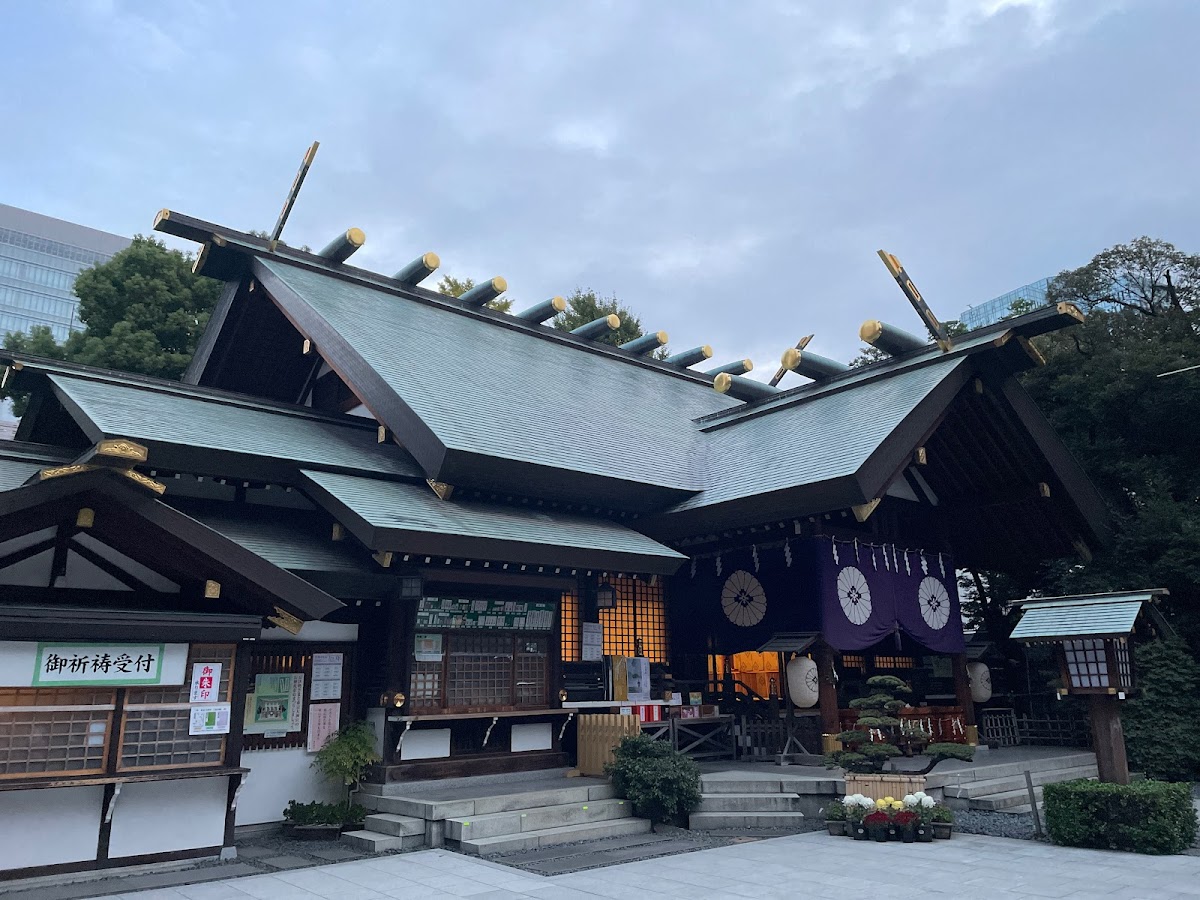
Tokyo Daijingu Shrine, located in Chiyoda Ward, Tokyo, is affectionately known as “Tokyo’s Ise Shrine.” It is particularly famous for its blessings for finding love, and is a popular power spot attracting many visitors from all over Japan. This article provides a detailed and easy-to-understand explanation of Tokyo Daijingu Shrine, including its history, enshrined deities, blessings, access methods, amulets, goshuin (shrine stamps), and worship etiquette, even for first-time visitors.
What is Tokyo Daijingu Shrine?
Tokyo Daijingu Shrine was founded in 1880 (Meiji 13) as a place of worship for Ise Grand Shrine. Initially located in Hibiya, it was called “Hibiya Daijingu Shrine.” After the Great Kanto Earthquake, in 1928 (Showa 3), it moved to its current location in Iidabashi, and was renamed “Iidabashi Daijingu Shrine” before becoming “Tokyo Daijingu Shrine.”
Tokyo Daijingu Shrine enshrines Amaterasu Omikami and Toyouke Omikami, the deities of Ise Grand Shrine, and serves as a place of worship for Ise Grand Shrine in Tokyo. Therefore, it is widely known as “Tokyo’s Ise Shrine.”
Historical Significance of Tokyo Daijingu Shrine
Tokyo Daijingu Shrine is also known as the shrine that originated the Shinto wedding ceremony in Japan. In 1900 (Meiji 33), when the wedding ceremony of Emperor Taisho (then Crown Prince) was held in front of the Imperial Sanctuary, Tokyo Daijingu Shrine held its first Shinto wedding ceremony to spread the style to the general public. This is considered the beginning of the modern Shinto wedding ceremony, and it has a long history as a wedding venue, with many couples exchanging vows of eternal love at this shrine.
This historical background is one of the main reasons why Tokyo Daijingu Shrine has become widely known as a shrine for matchmaking.
Deities and Blessings
The following deities are enshrined at Tokyo Daijingu Shrine:
Main Deity
Amaterasu Omikami
The supreme deity in Japanese mythology, a goddess who personifies the sun. She is the ancestral deity of the Imperial family and revered as the tutelary deity of all Japanese people.
Toyouke Omikami
The guardian deity of agriculture, various industries, and clothing, food, and shelter. She is also the enshrined deity of the Outer Shrine of Ise Grand Shrine.
Enshrined Deities
The Three Deities of Creation
- Amenominakanushi-no-kami
- Takamimusubi-no-kami
- Kamimusubi-no-kami
These are the first gods to appear in Japanese mythology, and they are the gods who govern the creation and growth of all things. In particular, Takamimusubi-no-Kami and Kamimusubi-no-Kami are worshipped as gods of matchmaking because their names contain the word “musubi” (connection/bond).
Yamato-hime-no-Mikoto
She was the princess who founded Ise Grand Shrine as the representative of Amaterasu Omikami.
Main Benefits
Tokyo Daijingu Shrine offers a wide range of benefits, but the following are particularly well-known:
- Matchmaking and Romantic Fulfillment
It is believed that the “musubi” (connection/bond) of the three gods of creation brings good fortune in relationships. Many worshippers visit to pray for romantic fulfillment and successful marriages.
- Family Safety and Harmony
It brings blessings for marital harmony and strengthening family bonds.
- Protection from Evil and Good Fortune
Through the divine virtues of Amaterasu Omikami, it offers blessings for protection from evil and good fortune. 4. Business Prosperity and Success
Through the divine blessings of Toyouke-no-Okami, you can expect improved career prospects and business prosperity.
- Fulfillment of Wishes
It is believed to have the power to grant various wishes.
Access
Tokyo Daijingu Shrine is very conveniently located and easily accessible from central Tokyo.
Access by Train
JR Chuo/Sobu Line “Iidabashi Station”
- Approximately 3 minutes on foot from the West Exit
Tokyo Metro Yurakucho Line/Namboku Line “Iidabashi Station”
- Approximately 5 minutes on foot from Exit B2a
Tokyo Metro Tozai Line/Toei Oedo Line “Iidabashi Station”
- Approximately 5 minutes on foot from Exit A4
Because multiple lines converge here, it is easily accessible from various locations throughout Tokyo.
Detailed Directions
Exit the west exit of JR Iidabashi Station and proceed left along Mejiro-dori (towards Kagurazaka). After about 3 minutes on foot, you will see the entrance to Tokyo Daijingu Shrine on your right. It’s very close to the station and easy to find, even for first-time visitors.
Parking Information
Tokyo Daijingu Shrine does not have a parking lot for visitors. If you are coming by car, please use a nearby coin-operated parking lot. However, parking fees may be expensive due to its central location. We recommend using public transportation.
Visiting Hours and Basic Information
Visiting Hours
Visiting Hours: 6:00 AM – 9:00 PM (Open all year round)
Amulet and Goshuin (Seal) Office: 8:00 AM – 7:00 PM
Prayer Reception: 9:00 AM – 4:30 PM
*Hours may change during the first three days of the New Year or during special events. Please check the official website for the latest information.
Location and Contact Information
Address: 2-4-1 Fujimi, Chiyoda-ku, Tokyo 102-0071
Phone: 03-3262-3566
Official Website: https://www.tokyodaijingu.or.jp/
How to Worship and Manners
This section introduces the correct way to worship and the proper manners when visiting Tokyo Daijingu Shrine.
Basic Worship Procedure
- Bow Before Passing Through the Torii Gate
Before entering the sacred area, bow before the torii gate. Since the center of the torii gate is considered the path for the gods, it is considered desirable to walk along the edges of the path.
- Purifying your body and mind at the water basin
- Hold the ladle in your right hand and purify your left hand.
- Switch the ladle to your left hand and purify your right hand.
- Hold the ladle in your right hand again, receive water in your left hand, and rinse your mouth.
- Purify your left hand once more.
- Finally, stand the ladle upright and pour water over the handle to purify it.
- Worship at the main hall
- Place your offering in the offering box.
- Ring the bell (if there is one).
- Worship using the two bows, two claps, and one bow ritual.
- Bow deeply twice.
- Clap your hands twice.
- Express your wishes and gratitude sincerely.
- Finally, bow deeply once.
- Upon leaving
After exiting the torii gate, turn around and bow towards the shrine.
Attire for Visiting the Shrine
While casual attire is acceptable, please dress neatly and respectfully, as you are visiting a deity. Formal attire is recommended if you are receiving a prayer service.
Photography
Photography is generally permitted within the shrine grounds, but please be considerate of other visitors. Photography inside the main hall and during prayer services is prohibited.
Popular Amulets and Items
Tokyo Daijingu Shrine is particularly popular for its amulets related to matchmaking. There are various types of amulets available, allowing you to choose one that suits your wishes.
Representative Amulets
Suzuran (Lily of the Valley) Amulet for Matchmaking
One of the most popular amulets at Tokyo Daijingu Shrine. Its charming design, inspired by the lily of the valley’s flower meaning “the arrival of happiness,” is believed to attract good relationships.
Matchmaking Amulet
A popular amulet for those wishing for success in love and marriage. Various designs are available, from simple to elaborate.
Love Fulfillment Charm
Recommended for those wishing for their unrequited love to be reciprocated.
Happiness Connection Charm
This charm is for forging good relationships not only with people, but also in work and various other areas.
Heart Connection Charm
Popular with those who want to deepen their bond with their partner.
Relationship Connection Charm
A strap-type charm that’s easy to attach to cell phones or bags.
Fortune Slips
Love Fortune Slip
Tokyo Daijingu’s love fortune slips are renowned for their specific advice focused on love. They also feature a cute washi paper doll.
Blood Type Fortune Slip
A unique fortune slip with fortunes based on blood type.
Flower Fortune Slip
Beautiful fortune slips featuring seasonal flowers, which can be taken home and displayed.
Ema (Votive Tablets)
Tokyo Daijingu Shrine offers a variety of adorable ema, including heart shapes and lily-of-the-valley designs, all related to matchmaking. By writing your wish on an ema and offering it, you can convey your wish to the gods.
How to Carry and Handle Amulets
Ideally, amulets should be carried at all times. Keep them in your bag, wallet, or pouch. It’s customary to replace amulets with new ones approximately every year and return old ones to the shrine. Tokyo Daijingu Shrine has a designated place for returning old amulets.
About Goshuin (Shrine Seals)
Tokyo Daijingu Shrine offers beautiful goshuin.
Types of Goshuin
In addition to regular goshuin, limited-edition goshuin are sometimes available on special days. Limited-edition designs are often prepared for special events such as New Year’s and annual festivals, so it’s a good idea to check the official website and social media for information.
How to Obtain a Goshuin (Shrine Stamp)
- Leave your goshuincho (stamp book) at the reception area.
- Pay the offering fee (usually 500 yen).
- Wait on the shrine grounds while your goshuin is being written.
- Receive your goshuin when it’s finished.
During busy times, it may take some time, so we recommend visiting with plenty of time to spare.
Goshuincho (Shrine Stamp Book)
Tokyo Daijingu Shrine also offers its own original goshuincho. There are several types, including designs related to matchmaking and seasonal designs. Recommended for those starting to collect goshuin for the first time.
Annual Events and Festivals
Tokyo Daijingu Shrine holds various festivals and events throughout the year.
Main Annual Events
January 1st: Saitansai (New Year’s Festival)
A festival celebrating the New Year. It is bustling with many first-time visitors.
February 3rd: Setsubunsai (Bean-Throwing Festival)
Bean-throwing is held to invite good fortune.
February 17th: Kinensai (Harvest Festival)
A festival to pray for a bountiful harvest.
April 17th: Shunki Taisai (Spring Grand Festival)
An important festival celebrating the arrival of spring.
July 7th: Tanabata Kigansai (Tanabata Prayer Festival)
In conjunction with Tanabata, prayers are offered for the fulfillment of wishes. You can also write your wishes on strips of paper.
November 23rd: Niinamesai (Harvest Festival)
A festival to offer the new harvest to the gods and give thanks for the harvest.
Monthly Festivals
Monthly festivals are held on the 1st and 15th of each month.
Visiting on Special Days
For those praying for good fortune in love, visiting on the monthly “Good Fortune Day” is recommended. Also, during the Tanabata season, bamboo branches are decorated on the shrine grounds, and you can tie strips of paper with your wishes written on them.
About Prayers
Tokyo Daijingu Shrine offers various prayers.
Types of Prayers
- Matchmaking/Love Fulfillment
- Marriage Fulfillment
- Safe Childbirth Prayer
- First Shrine Visit for a Newborn
- Shichi-Go-San (7-5-3 Festival)
- Protection from Evil
- Family Safety
- Business Prosperity
- Traffic Safety
- Examination Success Prayer
- Fulfillment of Wishes
And many other prayers are addressed.
How to Receive a Prayer
- Reception Hours: 9:00 AM – 4:30 PM (Open Year-Round)
- Reception Location: Apply at the reception area.
- Offering Fee: Varies depending on the type of prayer (from 5,000 yen)
- Duration: Approximately 20-30 minutes
Reservations are not required, but there may be waiting times during busy periods or on special days. Please allow ample time for your visit.
Attire
Formal attire or equivalent is recommended when receiving a prayer. Avoid overly casual attire such as jeans and sandals.
About Weddings
Tokyo Daijingu Shrine is the birthplace of Shinto wedding ceremonies, and many couples hold their weddings there.
Characteristics of Shinto Wedding Ceremonies
You can hold a traditional Japanese Shinto wedding ceremony in a dignified atmosphere. It is a solemn and beautiful ceremony where traditional Japanese attire such as shiromuku and iro-uchikake shines.
Wedding Consultations
Those wishing to hold a wedding ceremony can make a reservation in advance for a consultation. For details, please check the Tokyo Daijingu Shrine official website or contact them directly.
Surrounding Area Information & Tourist Spots
There are many tourist spots and restaurants around Tokyo Daijingu Shrine.
Kagurazaka
Kagurazaka, within walking distance of Tokyo Daijingu Shrine, is a popular area with charming cobblestone streets lined with stylish cafes, restaurants, and shops. It is recommended for a stroll after visiting the shrine.
Around Iidabashi
There are many cafes and restaurants around Iidabashi Station. Convenient for lunch or a break after visiting the shrine.
Yasukuni Shrine
Yasukuni Shrine, located within walking distance, is also a popular shrine to visit.
Crowds and Tips for Visiting
Crowded Times and Seasons
Most Crowded Times:
- The first three days of the New Year (especially January 1st)
- Weekends and Holidays
- Tanabata (Star Festival) Period
- Auspicious Days for Matchmaking
Relatively Less Crowded Times:
- Weekday Mornings (especially right after opening)
- Weekday Evenings
Tips for a Comfortable Visit
- Aim for Weekday Mornings
This is the least crowded time. You can visit at your leisure.
- Avoid New Year’s and Weekends
If possible, avoid visiting during crowded times.
- Early Morning Visit
It’s relatively less crowded right after the gates open at 6 AM.
- Rainy Days
There tends to be fewer visitors on rainy days.
- Allow Plenty of Time
Especially when receiving Goshuin (temple/shrine stamps) or amulets, it can take longer during busy times.
Frequently Asked Questions
How long should I spend visiting the temple?
For a normal visit, it takes about 15-30 minutes. If you plan to purchase amulets or receive Goshuin, it’s best to allow about an hour depending on how busy it is.
Can I have amulets mailed?
We generally do not mail amulets. It is recommended that you receive them in person at the temple.
Is a reservation required for prayers?
Reservations are not required for regular prayers. You can apply at the reception desk on the day. However, special ceremonies such as weddings require advance reservations.
Are pets allowed?
Pets are not allowed on the temple grounds.
I forgot my Goshuincho (stamp book)
Even without a Goshuincho, you can receive a pre-written Goshuin (stamp). You can also purchase a Goshuincho on the spot.
Summary of Tokyo Daijingu’s Charms
Tokyo Daijingu is a shrine located in the heart of Tokyo, yet offering a quiet and peaceful atmosphere for worship. While known for its blessings related to matchmaking, it is also believed to have the power to grant various wishes.
Reasons to Recommend Tokyo Daijingu
- Excellent Accessibility
Its convenient location, just a 3-minute walk from Iidabashi Station, makes it easily accessible.
- Powerful Matchmaking Power
Enshrining the three deities of creation and being the birthplace of Shinto wedding ceremonies, it is believed to have powerful blessings for matchmaking.
- Abundant Amulets and Fortune Slips
A variety of amulets and fortune slips are available, allowing you to choose what suits you best.
- Beautiful Grounds
It boasts a quiet and pure atmosphere, unexpected in the heart of the city.
- Courteous Service
The courteous service provided by the Shinto priests is also highly regarded.
Summary
Tokyo Daijingu Shrine is a spiritual haven for those seeking not only romantic relationships but also for those with various other wishes. Known as “Tokyo’s Ise Shrine,” it’s a precious place where you can worship the same deities as Ise Grand Shrine up close.
Escape the hustle and bustle of the city center, find peace in the tranquil grounds, and offer your prayers to the gods—a time that will enrich your daily life. Whether you’re seeking a good match or not, we encourage you to visit at least once.
When visiting, remember to be grateful and approach the gods with humility. When your wish is granted, don’t forget to offer your thanks.
We hope Tokyo Daijingu Shrine brings wonderful connections into your life.