Taihoji Temple (Kamakura City, Kanagawa Prefecture) Complete Guide | History and Highlights of a Nichiren Buddhist Temple Associated with the Satake Clan
Taihoji Temple, located in Omachi, Kamakura City, is a Nichiren Buddhist temple associated with the prestigious samurai family, the Satake clan. While situated in a quiet environment slightly removed from the hustle and bustle of Kamakura, it is known as an ancient temple rich in attractions, including the memorial tower for Shinra Saburo Yoshimitsu and the Tofuku Inari Daimyojin shrine. This article comprehensively introduces all the information you need to know before visiting, from the detailed history of Taihoji Temple and its highlights to seasonal flowers and access methods.
Basic Information about Daihoji Temple
Official Name: Tafukusan Daihoji
Sect: Nichiren Buddhism
Principal Image: The Three Treasures and Founders
Founder: Ichijoin Nichide Shonin
Established: Bun’an 1 (1444)
Location: 3-6-22 Omachi, Kamakura City, Kanagawa Prefecture
Phone Number: 0467-22-2973
Corporate Number: 7021005001933
Daihoji Temple is a Nichiren Buddhist temple located in the Omachi area, about a 20-minute walk from Kamakura Station. Its mountain name is Tafukusan, and within its grounds is the Tafuku Myojin Shrine (Ootafuku Inari Daimyojin), the guardian shrine of the Satake clan. There are eight Daiboji temples throughout Japan, but the Daiboji in Kamakura is known for its deep connection to the Satake clan and its historical value.
History of Daiboji
From Satake Clan Residence to Temple
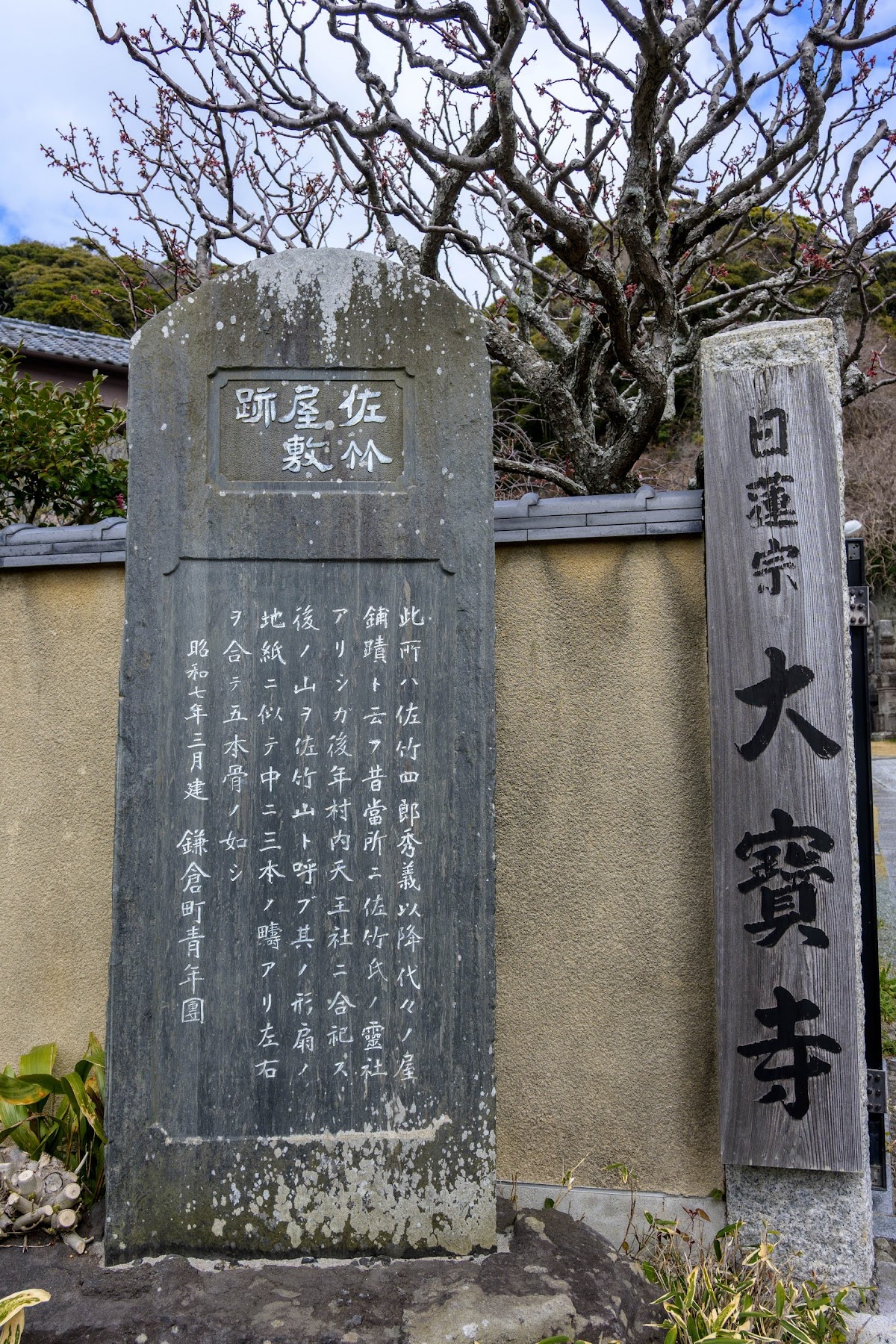
The history of Daiboji dates back to the Kamakura period. This site was once the residence of the Satake clan, a prestigious branch of the Minamoto clan. It is believed that Shinra Saburo Yoshimitsu (Minamoto no Yoshimitsu), considered the ancestor of the Satake clan, built his residence here. For the Satake clan, who later became a powerful family in Hitachi Province (present-day Ibaraki Prefecture), Kamakura was an important base.
This site, which was also the site of the residence of Satake Hideyoshi, a retainer of the Kamakura Shogunate, was called “Satake Yashiki” (Satake Residence). In 1399 (Oei 6), Satake Yoshimori converted this residence into a temple, establishing Tofukuji, which is considered the beginning of Daiboji.
Restoration and Renaming by Nichide Shonin
In Bun’an 1 (1444), the temple was restored by Ichijoin Nichide Shonin and renamed Tofukuzan Ichijoin Daihoji. During this period, the foundation of the Nichiren sect was established, and the Dharma lineage that continues to this day was lit. Nichide Shonin, as the founder of Daihoji, still holds an important position in the temple’s history.
Changes Since the Edo Period
Throughout the Edo period, Daihoji was a Nichiren sect temple in Kamakura, attracting the faith of the local community. Due to its connection with the Satake clan, a mausoleum for Shinra Saburo Yoshimitsu was established, and the temple also served as a place of remembrance for the Satake family. Despite the impact of the anti-Buddhist movement after the Meiji Restoration, the temple continued to preserve its Dharma lineage with the support of the local people, and continues to this day.
Highlights of the Temple Grounds
Main Hall and the Three Treasures of the Founder
The main hall of Daihoji Temple enshrines the Three Treasures of the Founder, the principal deity. The Three Treasures of the Founder refers to Nichiren Shonin, who embodies the Three Treasures of Buddhism: Buddha, Dharma, and Sangha. The main hall stands in a tranquil setting against the backdrop of a mountain, serenely welcoming visitors. Within the hall, religious services based on the teachings of the Nichiren sect are held, making it a center of local faith.
Memorial Tower of Shinra Saburo Yoshimitsu
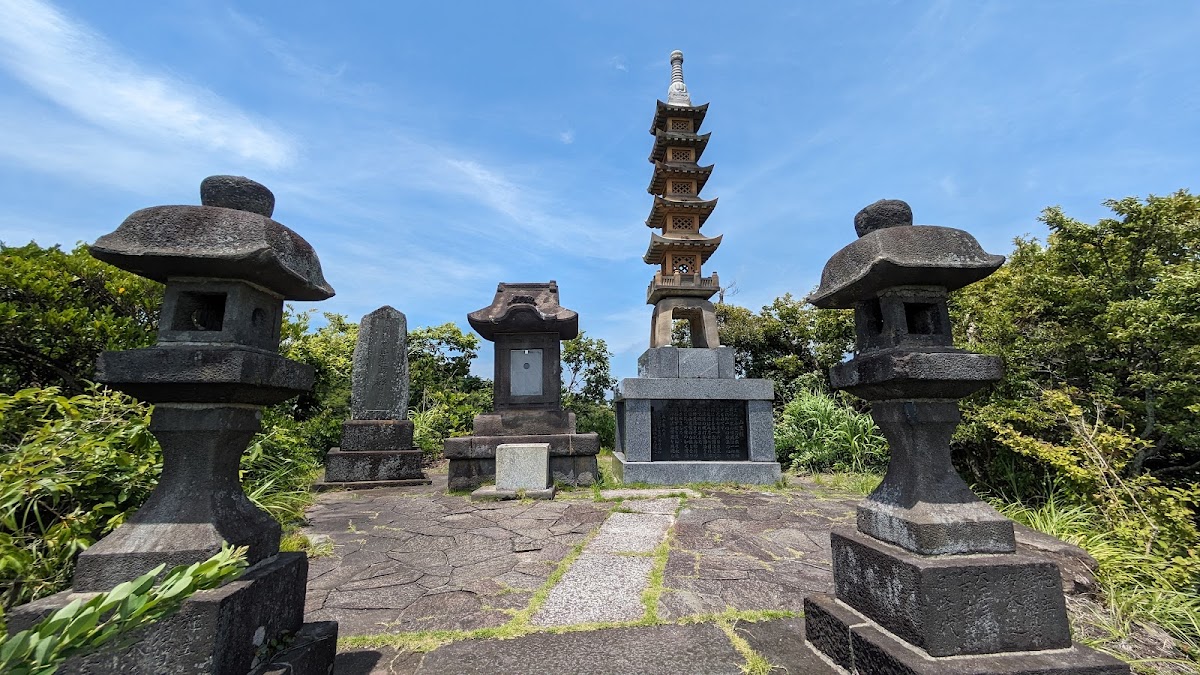
The most historically significant feature of the temple grounds is the memorial tower of Shinra Saburo Yoshimitsu (Minamoto no Yoshimitsu). Minamoto no Yoshimitsu was a samurai of the late Heian period, born as the third son of Minamoto no Yoriyoshi. The name “Shinra Saburo” originates from his coming-of-age ceremony at Shinra Myojin (present-day Shinra Zenjindo) in Omi Province.
Yoshimitsu is considered the ancestor of many samurai families, including the Satake, Takeda, and Nanbu clans, and his descendants wielded considerable power throughout Japan from the Kamakura period to the Sengoku period. The memorial tower was erected by the Satake clan to commemorate their ancestor and is a magnificent stone structure. As an important historical site marking the Satake clan’s presence in Kamakura, it attracts a constant stream of history enthusiasts.
Tofuku Myojin Shrine (Ootafuku Inari Daimyojin)
Within the shrine grounds lies the Tofuku Myojin Shrine, the guardian shrine of the Satake clan. Affectionately known as Ootafuku Inari Daimyojin, it is believed to bring blessings for business prosperity, family safety, and abundant harvests. The distinctive vermilion torii gate and shrine building are striking, preserving the remnants of the syncretism of Shinto and Buddhism, where a shrine coexists within a temple grounds.
Affectionately known as “Tafuku-san” by locals, the Kosodate Kishimojin Festival is held here every year on May 9th. Many local families visit this festival to pray for the healthy growth of their children.
Kishimojin Hall
Daihoji Temple also enshrines Kishimojin, who is revered as the guardian deity of child-rearing and safe childbirth. Kishimojin is considered an important guardian deity in Nichiren Buddhist temples, and many worshippers visit to pray for the growth of their children and the happiness of their families. The Child-Rearing Kishimojin Festival, held annually on May 9th, is a particularly lively and important religious service among Daihoji Temple’s annual events.
Flowers and Nature of the Four Seasons
Daihoji Temple is also known as the “Temple of Flowers,” with various flowers adorning the temple grounds throughout the year. Here are some of the highlights for each season.
Spring Flowers (March-May)
Mitsumata: Announced as early spring, the Mitsumata is characterized by its small yellow flowers clustered in a spherical shape. Mitsumata, also known as a raw material for washi paper, heralds the arrival of spring.
Weeping Cherry Blossoms: From late March to early April, elegant weeping cherry blossoms beautifully adorn the temple grounds. The cherry blossoms blooming against the backdrop of the mountains are a popular photo spot.
Azaleas: From late April to May, brightly colored azaleas adorn the temple grounds. Azaleas of various colors, including red, pink, and white, bloom profusely, beautifully marking the end of spring.
Summer Flowers (June-August)
Crape Myrtle: Crape myrtle blooms with vibrant pink and purple flowers during the hot summer months. Because its flowers can be enjoyed for a long period, it is also called “Hyakujitsukou” (100-day red), adding a refreshing touch to the temple grounds during summer.
Autumn Flowers (September-November)
Tricyrtis: As a representative flower of autumn, the toad lily, characterized by its spotted pattern, blooms on the temple grounds. The understated yet charming appearance of these flowers evokes the atmosphere of autumn.
Winter Flowers (December-February)
Camellia: Camellias, blooming bravely during the cold winter months, bring warmth to the temple grounds.
Daffodil: Characterized by their pure white flowers and refreshing fragrance, daffodils can be enjoyed from winter to early spring.
Plum Blossom: From February to March, plum blossoms announce the arrival of spring. The sight of red and white plum blossoms in full bloom evokes a sense of anticipation for the new season.
In this way, you can enjoy seasonal flowers throughout the year at Daihoji Temple, and there are new discoveries to be made with each visit.
Goshuin (Temple Seal) Information
You can receive a Goshuin at Daihoji Temple. The name “Daihoji” is written in strong calligraphy, typical of Nichiren Buddhist temples, and stamped with the temple’s seal. When receiving a Goshuin (temple stamp), please complete your prayers at the main hall before speaking to the temple office.
Goshuin Reception Hours: Usually 9:00 AM to 4:00 PM (may change due to events, etc.)
Offering Fee: Approximately 300-500 yen (at your discretion)
If you do not have a Goshuincho (stamp book), you may be able to receive a pre-written Goshuin; we recommend calling ahead to confirm.
Annual Events
Child-Rearing Kishimojin Festival (May 9th)
The most important of Daihoji Temple’s annual events is the Child-Rearing Kishimojin Festival, held every year on May 9th. Many families from the community visit this festival to pray for the healthy growth of children and the happiness of families. After the service, there are sometimes raffles and sweets distributed to worshippers, creating a warm and welcoming atmosphere.
Other Memorial Services
As a Nichiren Buddhist temple, we also hold memorial services during the equinox and Obon festivals, as well as Oeshiki (a memorial service for Nichiren Shonin on the anniversary of his death). Please contact the temple directly for detailed dates.
Access
Access by Train and Bus
Nearest Station: JR Yokosuka Line/Enoshima Electric Railway “Kamakura Station”
Walking
Approximately 20 minutes on foot from the east exit of Kamakura Station. Head south along Wakamiya-oji Street towards Omachi. Daihoji Temple is located beyond a quiet residential area. Enjoying the Kamakura townscape while walking is also recommended.
Bus
From bus stop #3 at the east exit of Kamakura Station, take the Keikyu Bus bound for “Nagoe” and get off at the “Nagoe” bus stop. It’s approximately a 5-minute walk from there. Using the bus allows for relatively easy access, avoiding hills.
Access by Car
Approximately 15 minutes from the Asahina Interchange on the Yokohama-Yokosuka Expressway. However, Daihoji Temple does not have its own parking lot, so we recommend using nearby coin-operated parking lots or accessing it by public transport. Kamakura’s roads are narrow and traffic congestion is common during peak tourist season, so visiting by train or bus is more convenient.
Nearby Tourist Attractions
There are many other sights to see around Daihoji Temple.
- An’yoin Temple: Approximately 5 minutes on foot. A temple associated with Hojo Masako, known for its azaleas.
- Myohonji Temple: Approximately 10 minutes on foot. A Nichiren Buddhist temple associated with the Hiki clan, boasting vast grounds and beautiful natural surroundings.
- Yakumo Shrine: Approximately 8 minutes on foot. A shrine famous for warding off evil.
Visiting these spots together will allow you to experience the history and culture of the Kamakura Omachi area more deeply.
Visiting Information
Visiting Hours: Grounds are freely accessible (Please check in advance for viewing inside the main hall)
Admission Fee: Free
Closed Days: None (Visiting may be restricted during religious services)
While visiting the grounds of Daihoji Temple is generally free, if you wish to view the interior of the main hall or receive a detailed explanation, it is recommended to inquire by phone in advance. Please also note that visiting may be restricted during religious services or events.
The Charm and Recommended Points of Daihoji Temple
A Quiet Environment for Worship
Located in Omachi, slightly away from the main tourist areas of Kamakura, Daihoji Temple is less crowded with tourists, offering a quiet environment for peaceful worship. It is especially recommended for those who want to escape the hustle and bustle and find peace of mind, or who want to immerse themselves in history.
Experiencing the History of the Satake and Minamoto Clans
At Daihoji Temple, where historical sites related to the Satake clan remain, including the memorial tower for Shinra Saburo Yoshimitsu, you can experience a part of the samurai society of the Kamakura period. The history of the Satake clan, descended from the Minamoto clan, occupies an important position in Japanese medieval history, making it a must-see spot for history buffs.
Enjoying the Flowers of the Seasons
Daihoji Temple, where various flowers bloom throughout the year, shows a different face in each season. The weeping cherry blossoms in spring and the toad lilies in autumn are particularly magnificent and perfect for photography. Flower lovers will find it worthwhile to visit multiple times at different times of the year.
The Culture of Shinto-Buddhist Syncretism
Daihoji Temple, which enshrines the Tofuku Myojin Shrine (Inari Shrine) within its grounds, is a valuable example that preserves the culture of Shinto-Buddhist syncretism. After the Meiji-era separation of Shinto and Buddhism, many temples separated their shrines, but at Daihoji Temple, the temple and shrine still coexist, allowing you to experience the history of Japanese religious culture. ## Points to Note and Manners When Visiting
Manners for Worship
- Walk quietly within the temple grounds and refrain from loud conversations.
- Bow before praying in front of the main hall and memorial tower.
- Photography is permitted, but please be considerate of other visitors.
- Photography inside the main hall may be prohibited, so please check before taking pictures.
Regarding Attire
There are no specific dress code requirements, but when visiting a temple, please avoid revealing clothing and aim for clean and presentable attire. Also, since there are stone steps and gravel paths within the temple grounds, we recommend wearing comfortable shoes.
Items to Bring
- Goshuincho: Don’t forget if you want to receive a Goshuin (temple stamp).
- Small change: For offerings for Goshuin and other donations.
- Camera: For photographing seasonal flowers and historical buildings.
- Drinks: Especially in summer, to prevent heatstroke.
Cultural Properties and Historical Value of Daihoji Temple
Daihoji Temple houses numerous stone structures of high historical value, including the memorial tower for Shinra Saburo Yoshimitsu. While not designated as cultural properties by Kamakura City, these are important historical sites that convey the history of the Satake and Minamoto clans, attracting attention from researchers and history enthusiasts.
Furthermore, its nearly 600-year history of maintaining the lineage of the Nichiren sect places it in significant importance in the religious history of Kamakura. It also possesses Edo period documents and temple records, which are valuable resources for local history research.
The Position of Daihoji Temple as a Nichiren Sect Temple in Kamakura
While there are many Nichiren sect temples in Kamakura, Daihoji Temple is distinctive for its strong ties to the Satake clan, a specific samurai family. Nichiren Shonin, the founder of the Nichiren sect, was active during the Kamakura period and left many traces in Kamakura.
Near Daihoji Temple are several other important temples associated with Nichiren Shonin, including Myohonji, Ankokuronji, and Choshoji, and a popular “Kamakura Nichiren Temple Pilgrimage” tour visiting these temples is a popular route. While relatively small among them, Daihoji Temple is worth visiting for its unique history and charm.
Summary: The Significance of Visiting Daihoji Temple
Located in Omachi, Kamakura City, Kanagawa Prefecture, Daihoji Temple is a Nichiren Buddhist temple associated with the Satake clan, boasting a history of nearly 600 years. It is a temple with many attractions, including the valuable historical site of the memorial tower for Shinra Saburo Yoshimitsu, beautiful flowers throughout the seasons, and a quiet and peaceful temple grounds.
Although it is a little distance from Kamakura’s main tourist spots, this is precisely why you can escape the hustle and bustle of tourists and slowly reflect on history. The charm of Daiboji Temple lies in the fact that you can spend a fulfilling time tracing the footsteps of the Satake clan, descendants of the Minamoto clan, experiencing the faith of Nichiren Buddhism, and finding solace in seasonal flowers.
When visiting Kamakura, why not visit not only the famous temples and shrines, but also quiet, ancient temples like this one? Daiboji Temple is a hidden gem where you can experience the profound history and culture of Kamakura, and it is sure to offer visitors new discoveries and inspiration.