Myohonji Temple Complete Guide | The Oldest Sacred Site of the Nichiren Sect in Hikigaya, Kamakura, and its Seasonal Highlights
Located in Omachi, Kamakura City, Kanagawa Prefecture, Myohonji Temple is the oldest temple of the Nichiren sect, founded by Nichiren Shonin, and conveys a deep history and faith to this day. Despite its convenient location just an 8-minute walk from Kamakura Station, the temple grounds, enveloped in tranquility, are a special place that holds the story of the tragedy and rebirth of the Hiki clan. This article comprehensively introduces information you should know before visiting Myohonji Temple, from its historical background and architecture to its seasonal highlights.
History and Origins of Myohonji Temple
The Rise and Tragedy of the Hiki Clan
The valley where Myohonji Temple is located is called “Hikigaya,” and during the Kamakura period, the residences of the Hiki Yoshikazu clan lined the area. Hiki Yoshikazu was a powerful retainer who served Minamoto no Yoritomo. As the adopted son of Hiki no Ama, Yoritomo’s wet nurse, he was deeply involved in the inner workings of the Kamakura Shogunate.
Hiki Yoshikazu’s wife served as the wet nurse of Minamoto no Yoriie, and his daughter, Wakasa no Tsubone, became Yoriie’s wife and gave birth to Ichiman, demonstrating strong ties to the Minamoto shogunate both by blood and politically. This close relationship allowed the Hiki clan to wield immense influence within the Kamakura Shogunate.
However, in 1203 (Kennin 3), the Hiki Rebellion erupted due to a conspiracy orchestrated by the first regent, Hojo Tokimasa. The Hojo clan viewed the Hiki clan’s growing power as a threat and murdered Hiki Yoshikazu. They then attacked his residence in Hikigaya, and the Hiki clan was annihilated in just one day. This tragedy is etched in history as a symbolic event of the power struggles within the Kamakura Shogunate.
Founding of the Temple by Hiki Yoshimoto
When the Hiki clan was destroyed, Hiki Yoshimoto, the youngest son of Yoshikazu, was spared because he was only one year old at the time. Also known as Hiki Daigaku Saburo Yoshimoto, he later served Emperor Juntoku as a Confucian scholar, pursuing a path of learning.
To avenge his father and clan and to mourn their spirits, Yoshimoto built a Hokke-do (Lotus Sutra Hall) in 1260 (Bun’ō 1) on the site of his father’s residence in Hikigaya. It is said that he invited Nichiren Shonin to be the founding priest and donated the land to him. This marked the beginning of Myōhonji Temple.
Nichiren Shonin, responding to Hiki Yoshimoto’s deep faith, used this place as one of his bases to spread the teachings of the Lotus Sutra. Myohonji Temple became an important center for the spread of Nichiren Shonin’s teachings throughout Japan, and as the oldest temple of the Nichiren sect, it still maintains the status of a sacred head temple.
The Transformation and Reconstruction of Myohonji Temple
Since its founding, Myohonji Temple has been rebuilt by believers despite suffering numerous fires and disasters. In particular, the Great Kanto Earthquake of 1923 (Taisho 12) caused significant damage, with many of its buildings collapsing.
The current Founder’s Hall was rebuilt in 1934 (Showa 9), and while constructed of reinforced concrete, it retains the beauty of traditional temple architecture. The Nitenmon Gate was also rebuilt after the Great Kanto Earthquake and is an important building that contributes to the dignified landscape of the temple grounds.
Guide to the Grounds of Myohonji Temple
Main Gate (Somon)
The main gate, standing at the entrance to the approach to Myohonji Temple, is the first gate that welcomes visitors. Despite its relatively simple construction, it heightens the anticipation of the tranquil approach that lies ahead. Passing through the main gate, a stone-paved path surrounded by greenery unfolds, inviting you to a world away from the hustle and bustle of the city.
Scenery of the Approach
The approach leading from the main gate to the temple grounds is considered one of the most beautiful places among Kamakura’s temples. The quiet path, covered with trees, displays different expressions in each of the four seasons. Fresh greenery in spring, deep shade in summer, vibrant autumn leaves, and a dignified presence in winter—each visit offers a new discovery.
Founder’s Hall (Main Hall)
Located in the center of the temple grounds, the Founder’s Hall is the main hall of Myohonji Temple. Rebuilt in 1934, the current building boasts a dignified hip-and-gable roof, exuding the dignity of a Nichiren Buddhist temple.
Inside the main hall is a seated statue of Nichiren Shonin, one of three statues believed to depict him during his lifetime. This statue is a valuable cultural artifact that conveys the true image of Nichiren Shonin, attracting many worshippers.
A spacious area stretches out in front of the Founder’s Hall, welcoming many worshippers during religious services and ceremonies. Important Nichiren Buddhist services are still held regularly here, continuing its role as a center of faith.
Nitenmon Gate
Located in the middle of the temple grounds, just before the Founder’s Hall, the Nitenmon Gate is one of Myohonji Temple’s representative buildings. Rebuilt after the Great Kanto Earthquake, this imposing gate, flanked by statues of Jikokuten and Zochoten, serves as the entrance to the sacred area of the temple grounds.
The Nitenmon Gate is also a popular photo spot, offering beautiful scenery of the gate harmonizing with nature, especially during cherry blossom and autumn foliage seasons.
Hojomon Gate
At the back right of the temple grounds is the Hojomon Gate, beyond which lies the living quarters of the temple, including the Shoin and Hojo. While usually closed to the public, this area is the center of Myohonji Temple’s daily religious activities.
Shorodo Bell Tower
A bell tower also stands on the temple grounds, and the sound of the bell resonates throughout Hikigaya morning and evening. This bell’s sound evokes the history of this land, dating back to the time when the Hiki clan lived here.
Jakushido Hall
In a corner of the temple grounds is a hall with the unique name of Jakushido Hall. This hall enshrines the spirits of Wakasa-no-Tsubone and her son, Ichiman, who were associated with the Hiki clan, and conveys the tragedy of the mother and son who lost their lives in the Hiki Incident. The name “Jakushido” means to stop suffering, and it holds significant meaning as a place of solace for the Hiki clan.
Mausoleum of Successive Chief Priests
Within the temple grounds is the Mausoleum of Successive Chief Priests of Myohonji Temple. It stands quietly as a place to express gratitude and respect to the successive monks who have upheld the Dharma since the time of Nichiren Shonin.
Temple Office and Study Hall
To the right of the temple grounds are the temple office and study hall, where visitors are attended to and the temple’s operations are conducted. Temple seals (Goshuin) are also available here. The study hall is usually closed to the public, but it is known for its beautiful architecture, including the garden.
Cemetery and Stone Monuments
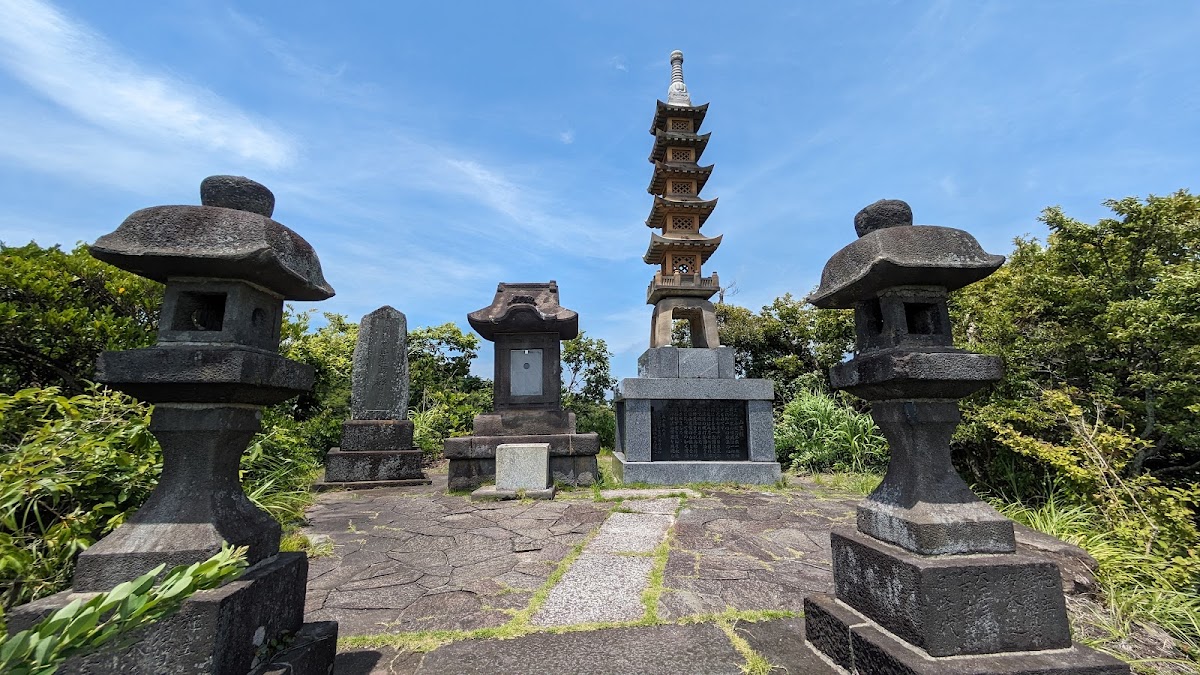
Within the temple grounds are the cemeteries of the Hiki clan, as well as the graves of historical figures such as Minamoto no Yoshiko and Admiral Uemura. A stone monument praising Nichiren Shonin, the Founder’s Praise Monument, also stands here, demonstrating the depth of faith in the Nichiren sect.
Seasons and Highlights of Myohonji Temple
Spring at Myohonji Temple
In spring, Myohonji Temple is adorned with cherry blossoms and crabapple blossoms. The crabapple trees in front of the Founder’s Hall are particularly magnificent, and the sight of their delicate pink flowers decorating the temple buildings captivates many photography enthusiasts. Cherry trees are also planted along the approach to the temple and throughout the grounds, creating a beautiful landscape that heralds the arrival of spring.
In the season of fresh greenery, the entire temple grounds are enveloped in vibrant green, filling the air with a refreshing and lively atmosphere.
Summer at Myohonji Temple
In summer, Myohonji Temple is covered in deep green shade, and a cool breeze flows through the grounds. Despite its proximity to Kamakura Station, the temple grounds are surprisingly quiet, offering a tranquil escape from the city heat.
Summer flowers such as trumpet vines also adorn the grounds, and combined with the sound of cicadas, evoke the atmosphere of a Japanese summer.
Myohonji Temple in Autumn
Myohonji Temple is known as a famous spot for autumn foliage. The sight of the ginkgo and maple trees changing color, dyeing the entire temple grounds in red and yellow, is breathtaking. The large ginkgo tree in front of the founder’s hall is particularly magnificent; the sight of its golden leaves shining in the sunlight leaves a deep impression on visitors.
The best time to see the autumn leaves is usually from late November to early December, and during this time, many tourists and photography enthusiasts visit.
Myohonji Temple in Winter
In winter, the architecture of Myohonji Temple becomes clearly visible through the leafless trees, making it a season to appreciate the beauty of the temple’s architecture. The clear air deepens the tranquility of the temple grounds, creating a meditative atmosphere.
The snowy scenery is also exceptional; the temple grounds covered in white snow present a fantastical beauty.
Access and Visiting Information
Basic Information
- Official Name: Chokozan Myohonji Temple
- Sect: Nichiren Sect, Head Temple
- Address: 1-15-1 Omachi, Kamakura City, Kanagawa Prefecture
- Visiting Hours: Grounds are freely accessible (usually from sunrise to sunset)
- Admission Fee: Free
- Parking: Available (limited number of spaces, for visitors only)
Access Methods
Access by Train
- Approximately 8 minutes on foot from the East Exit of Kamakura Station on the JR Yokosuka Line and Enoshima Electric Railway
- Head south along Wakamiya-oji Street towards Omachi after exiting the station
- The main gate will come into view past Hikigaya Kindergarten
Access by Car
- Approximately 20 minutes from the Asahina Interchange on the Yokohama-Yokosuka Expressway
- However, since the roads in Kamakura are narrow and often congested on holidays, we recommend using public transportation.
Points to Note When Visiting
Myohonji Temple has a large grounds, and a leisurely visit will take about 30 minutes to an hour. For those taking photographs, a morning visit is recommended, especially as the morning light is particularly beautiful.
Goshuin (temple stamps) can be obtained at the temple office. As a sacred head temple of the Nichiren sect, you can receive a highly prestigious goshuin.
Nearby Tourist Attractions
Many temples and shrines representative of Kamakura are scattered around Myohonji Temple.
Honkakuji Temple: Approximately 5 minutes on foot from Myohonji Temple. A Nichiren sect temple, known for its Hatsuebisu festival in the New Year.
Joeiji Temple (Botamochi Temple): Approximately 3 minutes on foot. A temple associated with Nichiren Shonin, famous for the legend of botamochi (rice cakes).
Yakumo Shrine: Approximately 5 minutes on foot. It is a shrine that attracts worshippers seeking protection from evil.
Ankoku-ronji Temple: Approximately 10 minutes on foot. This temple is said to be the place where Nichiren Shonin wrote the *Rissho Ankoku Ron* (Treatise on Establishing Righteousness and Securing the Peace of the Nation).
The “Eastern Kamakura Temple and Shrine Tour” course, which visits these temples and shrines, offers a fulfilling walk visiting places associated with Nichiren Shonin.
Annual Events at Myohonji Temple
Myohonji Temple holds important Nichiren Buddhist services and events throughout the year.
- January 1st: New Year’s Day Prayer Service
- February 3rd: Setsubun Festival
- April: Hana Matsuri (Buddha’s Birthday Celebration)
- September: Tatsukuchi Persecution Memorial Service
- October 13th: Oeshiki (Anniversary of Nichiren Shonin’s Passing)
- December: Omikiri (Buddhist Cleansing Ceremony)
The Oeshiki, in particular, is an important memorial service commemorating the anniversary of Nichiren Shonin’s death, and many believers attend. Traditional events such as the Lantern Procession are also held, and the temple grounds are enveloped in a solemn atmosphere.
Myohonji Temple and the 13 Lords of Kamakura
The 2022 NHK Taiga drama “The 13 Lords of Kamakura” depicted the story of Hiki Yoshikazu, played by Jiro Sato, which increased interest in Myohonji Temple. The drama depicted the tragedy of the Hiki Incident in detail, and it became widely known that this area was the setting for it.
It’s hard to imagine from the tranquil grounds today, but this very place was once the site of fierce power struggles within the Kamakura Shogunate. Visiting the actual historical site offers a deeper understanding and emotional impact that dramas and history books cannot convey.
Cultural Assets of Myohonji Temple
Myohonji Temple houses numerous cultural assets of high historical and cultural value.
Statue of Nichiren Shonin: This is the principal image enshrined in the Founder’s Hall, a precious statue that conveys the appearance of Nichiren Shonin during his lifetime.
Ancient Documents: Temple documents from the Kamakura to Edo periods are preserved here, serving as important resources for the study of Nichiren Buddhism history.
Temple Bell: The temple bell hanging in the bell tower is also a cultural asset of historical value.
Many of these cultural assets are usually not open to the public, but they are sometimes displayed on special occasions.
Photography at Myohonji Temple
Myohonji Temple is a popular photography spot among photography enthusiasts, considered one of Kamakura’s premier photography locations.
Recommended Photography Spots:
- The approach to the temple from the main gate (beautiful sunlight filtering through the trees)
- The combination of the Nitenmon Gate and cherry blossoms/autumn leaves
- A frontal view of the Founder’s Hall
- The large ginkgo tree in the temple grounds (during autumn foliage)
- The crabapple blossoms and the Founder’s Hall (spring)
When taking photographs, please be considerate of other visitors and check in advance regarding the use of tripods.
Summary
Myohonji Temple, founded by Nichiren Shonin, is the oldest temple of the Nichiren sect, boasting a history of over 700 years. Born from the tragedy of the Hiki clan, this temple now offers a tranquil and beautiful grounds, conveying the weight of history and the beauty of nature to visitors.
Myohonji Temple, conveniently located within walking distance of Kamakura Station, offers an atmosphere of a separate world, far removed from the hustle and bustle. The temple grounds, which display different expressions in each of the four seasons, offer new discoveries with every visit.
Passing through the main gate, walking along the path surrounded by greenery, and offering prayers at the founder’s hall, one can still feel the lingering regrets of the Hiki clan and the determination of those who overcame them and continued to uphold their faith. Myohonji Temple, where history and faith, nature and architecture harmonize, is a special and memorable place that you should definitely visit when you come to Kamakura.